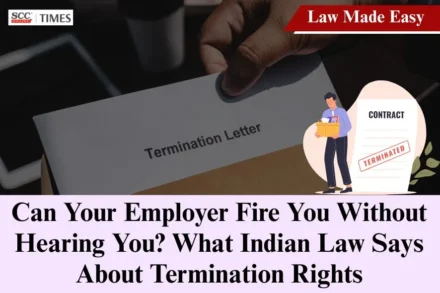
Can Your Employer Fire You Without Hearing You? What Indian Law Says About Termination Rights
In most cases, no. The law requires fairness, especially when a decision affects your livelihood. Here’s how it works.
Labour Ministry has notified the Industrial Relations (Central) Rules, 2026 to streamline labour compliance and strengthen India’s industrial relations framework.
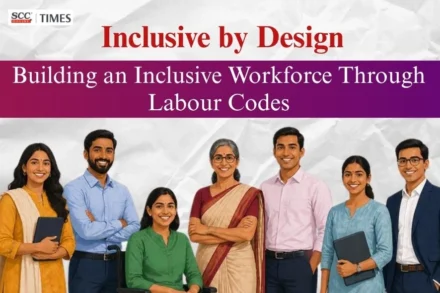
This article aims to examine how India’s four Labour Codes embed inclusiveness by expanding coverage, strengthening protections, and recognising the diversity of the modern workforce, while analysing their role in reshaping labour regulations for a changing world of work.
These Draft Rules intend to modernize, rationalize, and standardize procedures governing employer—employee relations across industries in the State of Maharashtra.
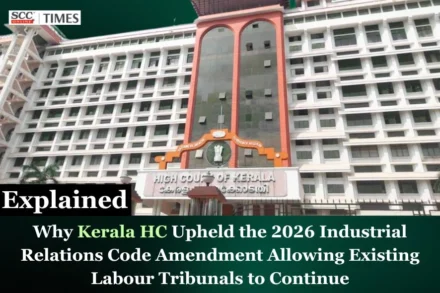
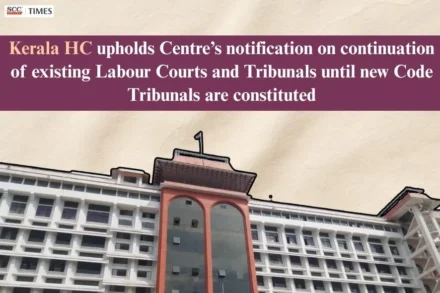
The Court clarified that Section 104(1-A), IR Code starts with a non-obstante clause, thereby enabling it to operate even if there is any contrary or inconsistent provision contained in the same statute.
“Permitting existing adjudicatory mechanisms and statutory authorities to continue till new mechanisms are put in place cannot be said to be sidestepping the provisions of the Industrial Relations Code, 2020 or removing obstacles to get over statutory restrictions.”
Govt has notified the Industrial Relations Code Amendment 2026 revising the repeal provisions and ensuring continuity of existing labour tribunals.
Punjab Govt notified the Draft Punjab Labour Rules 2026, outlining key provisions, procedural safeguards, and compliance implications for employers and workers.
Labour Ministry issues FAQs on Social Security Code to clarify gratuity rules, maternity benefits, gig worker coverage, and compliance for India’s modern workforce.
Labour Ministry has released draft rules for four labour codes: Wages, Social Security, Occupational Safety & Health, and Industrial Relations, outlining key changes for employers and workers.
Labour Ministry has issued FAQs on the Labour Codes to clarify provisions, address compliance requirements, and dispel myths, ensuring smooth implementation of these reforms.
This article aims to provide a lucid overview of India’s Four Labour Codes, with insights into Wages, Industrial Relations, Social Security, and Occupational Safety, highlighting reforms, compliance, and impacts.
The Ministry of Labour and Employment has notified multiple enforcement dates for 4 Labour Codes. Key provisions were brought into effect in phases during 2021, 2023, and 2025, along with the repeal of several earlier labour laws.
Labour Ministry announces the implementation of Codes on Wages, Industrial Relations, Social Security Code & Occupational Safety, Health and Working Conditions from 21 Nov 2025.
by Aditya Gaggar*