The India Digital ADR Summit 2026 organised by the School of Law, Forensic Justice and Policy Studies, National Forensic Sciences University (NFSU), Gandhinagar, through the International Digital Dispute Resolution Centre (IDDRC), held a roundtable discussion on “Building India’s Digital ADR Architecture: Institutional, Regulatory and Technological Priorities” on 12 September 2026, at the NFSU campus in Gandhinagar, Gujarat.
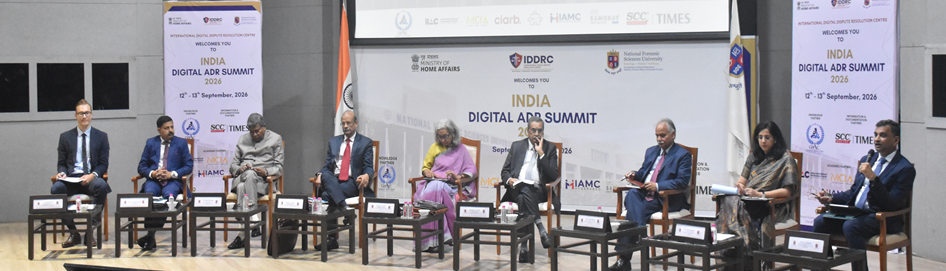
[In the picture from left to right: Mr Jan Kunstyr, Mr Navin Kumar Singh, Mr Ratan K Singh, Justice Rajesh Bindal, Justice Soniaben Gokani, Justice M R Shah, Dr Rajesh Sharma, Ms Neeti Sachdeva and Mr A J Jawad]
The discussion examined how India’s Alternative Dispute Resolution (ADR) ecosystem should respond to rapid technological developments, particularly artificial intelligence, online dispute resolution, electronic evidence, digital case management and cross-border commercial disputes.
The panel comprised:
-
Justice M. R. Shah, Former Judge, Supreme Court of India;
-
Justice Rajesh Bindal, Former Judge, Supreme Court of India;
-
Justice Soniaben Gokani, Former Chief Justice, High Court of Gujarat;
-
Mr Ratan K Singh, Senior Advocate and Founding Chairman, Society of Construction Law;
-
Dr Rajesh Sharma, Associate Professor and Director, RMIT Dispute Management Centre, Melbourne, Australia;
-
Ms Neeti Sachdeva, Chief Executive Officer and Registrar, Mumbai Centre for International Arbitration;
-
Mr Jan Kunstyr, Legal Director in Sherrards’ Solicitors Dispute Resolution Team, United Kingdom; and
-
Mr Navin Kumar Singh, Chief Executive Officer, India International Arbitration Centre, Delhi.
The session was moderated by Mr A J Jawad, Chief Executive Officer and Registrar, International Arbitration and Mediation Centre, Hyderabad.
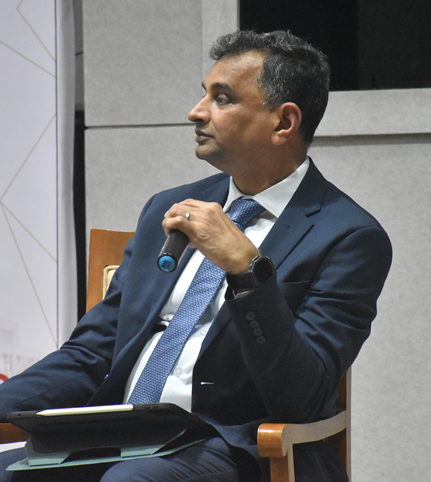
[In picture: Mr A J Jawad]
National AI Regulation Needed to Govern Digital ADR
Opening the discussion, Justice M R Shah said that artificial intelligence had both beneficial and potentially harmful applications. Referring to the use of AI in fields as diverse as warfare and the development of cancer vaccines, he observed that technological advancement necessarily brought with it the possibility of misuse.
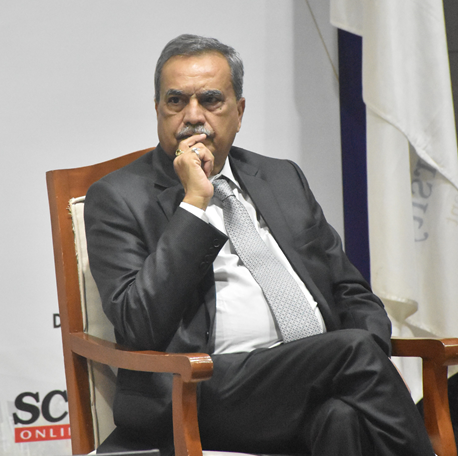
[[In picture: Justice M R Shah]
He therefore called for a national regulatory framework to address the challenges associated with artificial intelligence. According to him, the framework should be developed through coordination between institutions and technology providers and should be adapted to India’s specific requirements.
Justice Shah also emphasised that digital ADR should not be confined to commercial disputes. He said that technology-enabled dispute resolution could potentially be used for family disputes and other categories of disputes as well. However, issues such as connectivity, accessibility and the digital divide would need to be addressed through a coordinated framework.
Judiciary should enable the use of AI without allowing it to replace human judgment
Justice Shah said that the judiciary would have to adopt a balanced approach towards the use of artificial intelligence. While courts could intervene where necessary, they should not prevent the development of technology merely because difficulties arose during its initial use.
He referred to the need to consider real prejudice rather than technical objections when examining challenges involving technology. In his view, judicial intervention should facilitate the responsible use of AI rather than discourage its adoption.
He stressed that AI should be used to assist decision-making and not to make the decision itself.
“The use of AI itself is too technical rather than the application of the human mind or human brain.”
Justice Shah reiterated that artificial intelligence could assist arbitrators in identifying broad facts and managing procedural aspects, but the ultimate decision must remain with the arbitrator. He cautioned that a party or counsel may not know how an AI system reached a particular conclusion, making it inappropriate for AI to determine the final outcome of a dispute.
“The use of AI should be restricted to facilitate the arbitrator in procedural aspects and in finding out the broad facts, but it should not be used for ultimate decision-making.”
Technology must remain under human control
Addressing the question of procedural fairness in technology-enabled proceedings, Justice Rajesh Bindal cautioned against excessive dependence on digital tools.
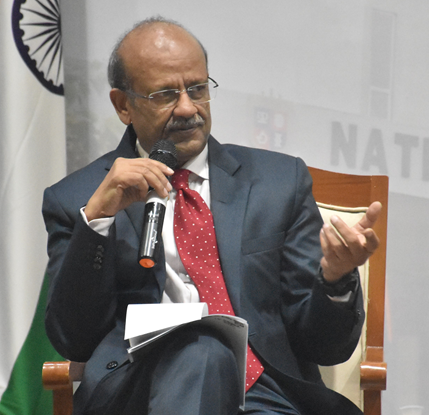
[[In picture: Justice Rajesh Bindal]
He observed that technology could provide access to information quickly, but it could not replicate the experience, judgment and contextual understanding developed by human beings. He urged students and professionals attending the summit to remain attentive during such discussions and not assume that all relevant knowledge could be obtained through a mobile device or an AI-generated answer.
Justice Bindal identified several principles that would have to be preserved while digitising dispute resolution, including:
-
speed;
-
efficiency;
-
a human-centric approach;
-
procedural fairness;
-
equality of treatment; and
-
the right to be heard.
He said that speed and efficiency could not be pursued at the cost of justice. Technology, he explained, should assist users in managing large records and complex proceedings but it should not be allowed to overtake human decision-making.
“How can we allow technology to overtake us? It has to remain in our control only.”
AI systems must be tested for bias and reliability
Justice Bindal said that AI tools used in dispute resolution would have to be examined for reliability, confidentiality and potential bias. He questioned whether the software had been properly developed, whether the underlying algorithms were reliable and whether the data used to train the system contained any bias.
He emphasised that human intervention was necessary at every stage, particularly before relying upon the final result produced by an AI system.
Justice Bindal also cautioned against using AI to prematurely assess the strength of a party’s case and thereby denying that party an adequate opportunity to present evidence or arguments. He said that even where technology appeared to indicate that a case lacked merit, the concerned party and lawyer must still be given a fair opportunity to be heard.
Electronic evidence, connectivity and online hearings raise new procedural concerns
Justice Bindal, who referred to his involvement in drafting rules concerning electronic evidence, said that the challenge was not limited to admitting electronic material. Courts and tribunals must also determine how such material would be received, stored, retrieved and preserved.
He referred to practical difficulties concerning the storage of electronic evidence, including CDs, pen drives and other digital material being placed in physical case files without a comprehensive system for preservation and retrieval.
According to him, the procedural law governing evidence would continue to apply, while technology should make the process of receiving and managing evidence more efficient. Digital tools should not alter the basic principles of natural justice.
He also highlighted the digital divide. Where one party has poor connectivity or is unable to participate effectively in an online hearing, the proceedings may become unfair. Even a missed word or interruption during an argument could affect the understanding of a submission.
Justice Bindal further raised concerns regarding online witness examination. In a physical courtroom, the judge or arbitrator may observe the witness, the documents being shown and the surrounding circumstances. Such contextual information may not be available during an online examination.
He also warned that fabricated evidence, manipulated material and even artificial identities could create serious challenges in digital proceedings. In his view, comprehensive guidelines would be necessary to address the authenticity, security and integrity of electronic evidence.
Regulation should protect the ecosystem without stifling innovation
The moderator then asked Justice Soniaben Gokani where regulation should end and innovation begin. The question concerned the extent to which digital platforms, AI systems and AI-assisted decision-making should be subjected to regulation without creating a framework so restrictive that it prevents technological development.
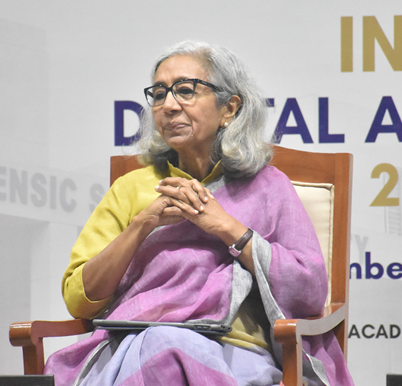
[In picture: Justice Soniaben Gokani]
Justice Gokani agreed that regulation was necessary but cautioned against adopting a framework that could stall innovation. She referred to the rapid development of algorithms and technological tools and said that the objective should be to ensure that technology advances within a system of accountability and safeguards.
She referred to the controversy surrounding the use of the Correctional Offender Management Profiling for Alternative Sanctions (COMPAS) risk-assessment system in the United States. The system, used in criminal justice decision-making, had generated concerns regarding the transparency of its methodology, the data on which it was based and the ability of an accused person to challenge its conclusions.
Justice Gokani said that the concerns arising from such systems demonstrated the importance of examining not only the outcome produced by an algorithm, but also the process through which it was developed.
She identified questions that regulators must consider, including:
-
who develops the system;
-
the social and economic context in which it is developed;
-
the data used to train the system;
-
the role of algorithms in decision-making;
-
the effect of automated systems on individual rights;
-
whether the process and outcome can be independently examined; and
-
how accountability can be imposed upon public and private actors using AI.
A three-tier approach based on risk
Justice Gokani proposed a three-tier approach to the regulation of AI based on the level of risk involved.
Low-risk AI, she said, could be used for functions such as case management, scheduling and other administrative tasks.
Moderate-risk AI could assist in summarising material, identifying issues, conducting research and assessing information concerning arbitrators or mediators, subject to appropriate safeguards.
High-risk AI, particularly systems capable of influencing the substantive judgment of arbitrators or mediators, would require the greatest caution and should not be permitted to operate without meaningful human oversight. Justice Gokani further said that regulation should focus on the entire ecosystem, rather than merely on the individual platform or software being used. She agreed that transparency, human accountability, confidentiality, data governance, bias and procedural fairness were important but added that regulations must be sufficiently flexible to accommodate continuing technological development.
“The regulations should focus on the ecosystem and not just the platform.”
She concluded that innovation should be allowed to flourish once the basic safeguards were in place. Referring to the pace of human ingenuity, she observed that technological development would often move faster than legislation and that legal frameworks must therefore be designed to accommodate future developments.
AI is already being used in arbitration
Speaking from the perspective of arbitration practice, Mr Ratan K Singh said that artificial intelligence was no longer a theoretical possibility but a technology already being used by lawyers, law firms, corporations and arbitration professionals.
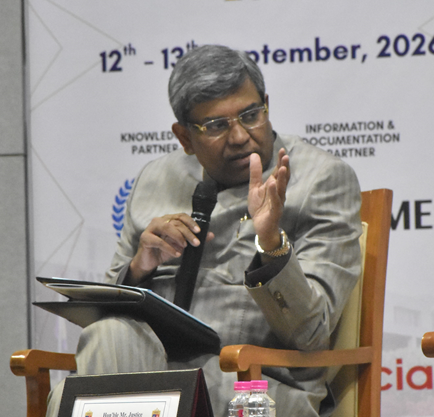
[In picture: Mr Ratan K Singh]
Referring to a 2024 survey of the arbitration community in the United Kingdom, he stated that 91 per cent of respondents reported using AI in arbitration. He also observed that AI-generated submissions were increasingly being encountered in legal practice. Mr Singh said that lawyers and law firms were using AI even before a dispute reached arbitration. Corporations could use AI to assess whether to commence arbitration, identify potential law firms, consider arbitrator nominations and analyse factual and legal material.
However, he cautioned that AI could mislead users because of bias, incomplete information or the absence of relevant principles in its underlying data.
He questioned whether decisions concerning the choice of a law firm, the selection of an arbitrator or the commencement of arbitration should be delegated to AI. In his view, such decisions required professional judgment and could not be determined merely by relying on algorithmic output.
AI can transform document analysis in construction arbitration
Mr Singh explained that AI could be particularly useful in construction and infrastructure arbitration, where disputes often involve enormous volumes of documents.
A single construction project may involve employers, contractors, subcontractors, consultants, vendors and several other stakeholders. Where a project is delayed for several years, thousands or even lakhs of documents may be exchanged through emails, mobile devices and other digital channels. He said that recreating the history of a project often required lawyers to identify what happened on particular dates, which correspondence was exchanged, how the project developed and which events contributed to delay. The individuals involved in the project may no longer be employed by the organisation, making document analysis even more important.
According to Mr Singh, AI could assist in identifying, organising and analysing such records, thereby reducing the time and manpower required for document review.
Institutions should develop standards for responsible AI use
Mr Singh said that institutions such as the IDDRC should play a leading role in developing standards for the use of AI in arbitration.
He observed that major arbitral institutions and commercial organisations had not yet comprehensively addressed AI in their procedural rules. While existing rules requiring transparency and fair conduct might provide some flexibility, more specific guidance was needed concerning:
-
the permissible use of AI;
-
the role of AI in tribunal administration;
-
the use of AI by tribunal secretaries;
-
the use of AI in preparing submissions;
-
the analysis of evidence;
-
the drafting of awards; and
-
responsibility for errors or mischaracterisation of evidence.
Mr Singh said that responsibility should remain with the person using AI. If a lawyer used AI to prepare submissions, the lawyer would remain responsible for the content. Similarly, if an arbitrator used AI in preparing an award, the arbitrator would remain accountable for the award.
India should identify a niche in global digital dispute resolution
The moderator then invited Dr Rajesh Sharma, to discuss how India could develop a digital ADR architecture that was not merely efficient domestically but also internationally operable and trustworthy.
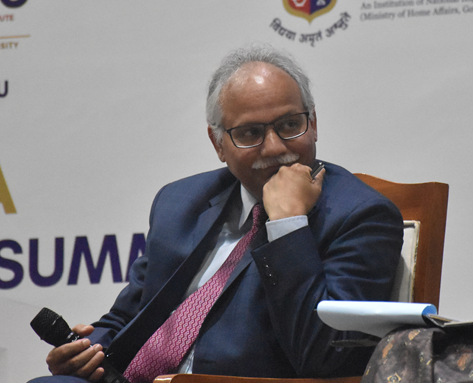
[In picture: Dr Rajesh Sharma]
Dr Sharma welcomed the establishment of the IDDRC and said that a digital dispute resolution centre of this nature could contribute to the development of a broader digital ADR ecosystem.
He suggested that digital platforms should not be limited to arbitration and mediation but should also incorporate negotiation and other stages of dispute resolution. He further observed that the development of digital dispute resolution would require attention to the kinds of disputes that could be resolved through technology and the legal framework governing them.
India should explore intellectual property disputes as a specialised area
Dr Sharma suggested that India should identify a niche area in which it could develop a distinctive global reputation. He referred to intellectual property disputes and observed that India should examine whether certain intellectual property disputes could be made arbitrable and whether the existing public policy framework permitted their resolution through arbitration or mediation.
According to him, developing expertise in intellectual property dispute resolution could provide India with an opportunity to establish itself as a specialised dispute resolution hub.
He also identified enforcement as a major issue in digital dispute resolution. While the use of technology in mediation and arbitration was developing, questions remained concerning the enforcement of digitally generated settlements and awards under instruments such as the Singapore Convention on Mediation and the Convention on the Recognition and Enforcement of Foreign Arbitral Awards, 1958, commonly known as the New York Convention.
India should contribute to international rule-making
Dr Sharma said that India should not restrict its regulatory efforts to domestic law. Instead, research and policy development undertaken in India could contribute to international discussions on AI, arbitration and digital dispute resolution.
He referred to the work being undertaken in international forums, including the United Nations Commission on International Trade Law (UNCITRAL) and suggested that the IDDRC could conduct research and prepare material that could assist the Government in contributing more effectively to international rule-making.
He said that India’s participation in international discussions would help build trust in its institutions and demonstrate that the country was capable of contributing to the development of global standards.
“If we want to develop India, we have to make India our passion, not a fashion.”
Trust, cybersecurity and common standards are essential
Mr Jan Kunstyr offered an international perspective on the requirements that clients and international counsel would consider before selecting a digital dispute resolution institution.

[In picture: Mr Jan Kunstyr]
He said that international users would primarily examine:
-
whether the institution followed common technological standards;
-
whether its cybersecurity systems were reliable;
-
whether the institution could be trusted; and
-
whether its digital infrastructure was sufficiently developed to handle international disputes.
Mr Kunstyr observed that technology and cybersecurity standards could be addressed by adopting established international practices. However, trust could not be created immediately and would take time to develop.
Referring to Singapore as an example, he said that it had taken decades for the jurisdiction to build its reputation as a trusted dispute resolution centre. India, however, could potentially move faster by combining its existing advantages with the digital infrastructure being developed through institutions such as the IDDRC.
NFSU’s forensic foundation offers a distinctive advantage
Mr Kunstyr identified two particular advantages that India could leverage: the volume of data available in the country and its existing digital infrastructure.
He also highlighted the significance of a university with a forensic science foundation developing a digital dispute resolution centre. According to him, the combination of forensic expertise, digital technology and dispute resolution could offer a distinctive model that was not yet widely developed in European institutions.
He suggested that this could allow India to create a specialised and innovative digital dispute resolution ecosystem.
Institutions must retain control over their digital infrastructure
Addressing the question of whether arbitral institutions should develop proprietary technology or collaborate with external technology providers, Mr Navin Kumar Singh said that technology adoption in dispute resolution had accelerated significantly after the COVID-19 pandemic.
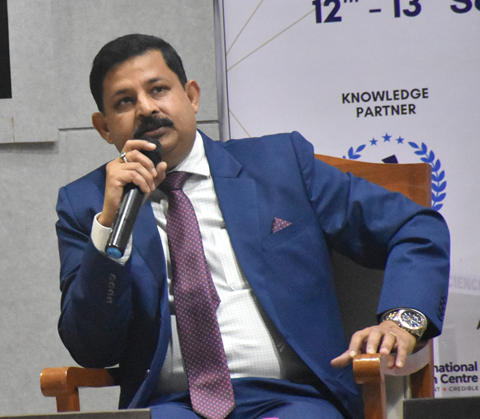
[In picture: Mr Navin Kumar Singh]
Before the pandemic, lawyers and judges had often been reluctant to adopt virtual processes. However, virtual hearings and digital case management subsequently became normal features of dispute resolution.
He said that parties now expected arbitral institutions to provide basic digital facilities, including:
-
virtual hearings;
-
digital case management;
-
e-filing;
-
automated notifications;
-
online access to documents; and
-
secure document repositories.
Confidentiality and institutional control cannot be compromised
Mr Navin observed that developing and maintaining such technology could be expensive, particularly for institutions operating with limited budgets. He therefore suggested that institutions would have to determine which technologies should be owned internally, which could be developed collaboratively and which could be licensed from third-party providers.
However, he stressed that even where a third-party service provider was used, the institution must retain control over confidentiality, data security and the integrity of the system.
According to him, documents filed by parties should remain under the institution’s control, whether they were stored on the institution’s own servers or hosted through a third-party provider. Otherwise, the credibility of the institution could be affected, particularly if an award were subsequently challenged on the ground that AI or technology had been used improperly.
Mr Navin said that institutions could use AI for limited administrative functions such as case management and scheduling, but the use of AI in substantive decision-making would require much greater caution.
Institutions must lead, not merely follow
The final panellist to speak, Ms Neeti Sachdeva addressed the question of whether arbitral institutions should adopt common standards for cybersecurity, electronic evidence, data retention, confidentiality and artificial intelligence.
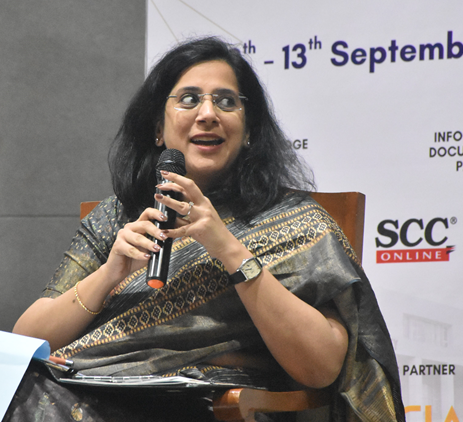
[In picture: Ms Neeti Sachdeva]
She began by observing that arbitration clauses were often treated as an afterthought in commercial contracts. Referring to the expression “champagne clause”, she said that dispute resolution clauses were frequently considered only after the substantive negotiations had been completed.
Ms Sachdeva said that institutions should move beyond this position and take the lead in shaping the future of digital ADR. She expressed the hope that the IDDRC would initiate conversations and develop new approaches rather than merely follow standards created elsewhere.
Common standards, but not identical standards
Ms Sachdeva agreed that arbitral institutions should adopt common standards, but clarified that this did not mean that every institution should follow an identical model. She said that each institution had its own identity, services and institutional strengths. Those differences should be preserved while ensuring that basic standards of security, confidentiality and reliability were maintained.
She also urged students to first understand what an arbitral institution actually does before considering how its processes could be digitised. An institution’s functions could include case management, administration, appointments, procedural supervision and other activities, while award-making remained a fundamentally different function.
“We should have common standards, but should we have the same standards? No. Every institution is unique.”
Ms Sachdeva concluded by calling upon institutions to take the lead in developing the digital ADR ecosystem.
“The time has come for us, as institutions, to take the lead and not to follow the principles set for us.”
Justice Bindal highlights India’s existing technological strengths
Towards the conclusion of the session, Justice Rajesh Bindal returned to the discussion and observed that India’s technological capabilities, particularly in the judicial system, were already advanced in several respects.
He said that the use of technology had improved transparency and data management in India’s court system and that these developments had also been appreciated by developed countries.
Justice Bindal suggested that the experience gained through India’s existing technological initiatives could be used to strengthen digital dispute resolution institutions as well.
Closing remarks
The roundtable discussion at the India Digital ADR Summit 2026 highlighted that building India’s digital ADR architecture would require more than the adoption of online platforms or artificial intelligence tools.
The panellists identified the need for a coordinated national regulatory framework, protection of natural justice, human oversight, reliable electronic evidence procedures, cybersecurity, confidentiality, institutional control over technology and common but flexible standards.
Justice M R Shah and Justice Rajesh Bindal stressed that AI should remain an aid to human decision-making and must not replace the human mind. Justice Soniaben Gokani called for risk-based regulation that safeguards accountability without stifling innovation. Mr Ratan K Singh emphasised that AI was already transforming legal practice and document analysis, particularly in complex construction disputes. Dr Rajesh Sharma urged India to contribute to international rule-making and identify specialised areas in which it could develop a global reputation. Mr Jan Kunstyr highlighted the importance of trust, cybersecurity and institutional credibility, while Mr Navin Kumar Singh and Ms Neeti Sachdeva emphasised that arbitral institutions must retain control over their digital infrastructure and take the lead in shaping the emerging ecosystem.
The discussion ultimately established that India’s digital ADR future would depend on the coordinated development of law, institutions, technology and professional responsibility. Technology could make dispute resolution faster, more accessible and more efficient, but its legitimacy would depend upon preserving fairness, confidentiality, transparency, accountability and human judgment.
Read more about India Digital ADR Summit 2026: