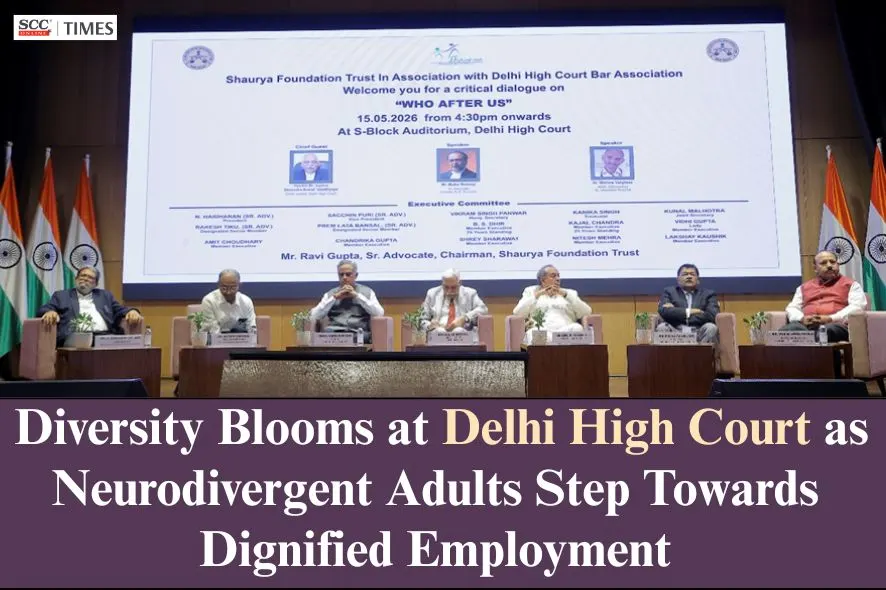
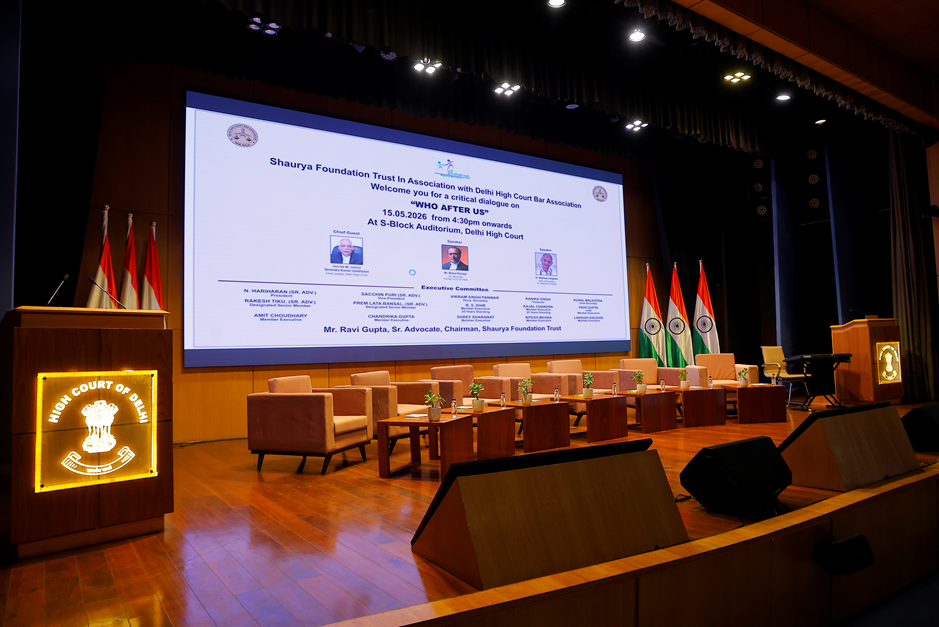
The Delhi High Court Bar Association, in collaboration with Shaurya Foundation Trust, organised a significant event centred on the rights, protection, and long-term welfare of neurodivergent adults, particularly individuals with Autism and Intellectual and Developmental Disabilities (IDD). The event was held at the Delhi High Court, S Block Auditorium on 15 May 2026.
The programme sought to initiate meaningful dialogue on the legal, institutional, medical, and societal challenges faced by neurodivergent individuals and their families, while encouraging discussions on policy reform, dignity, inclusion, and community-based support systems
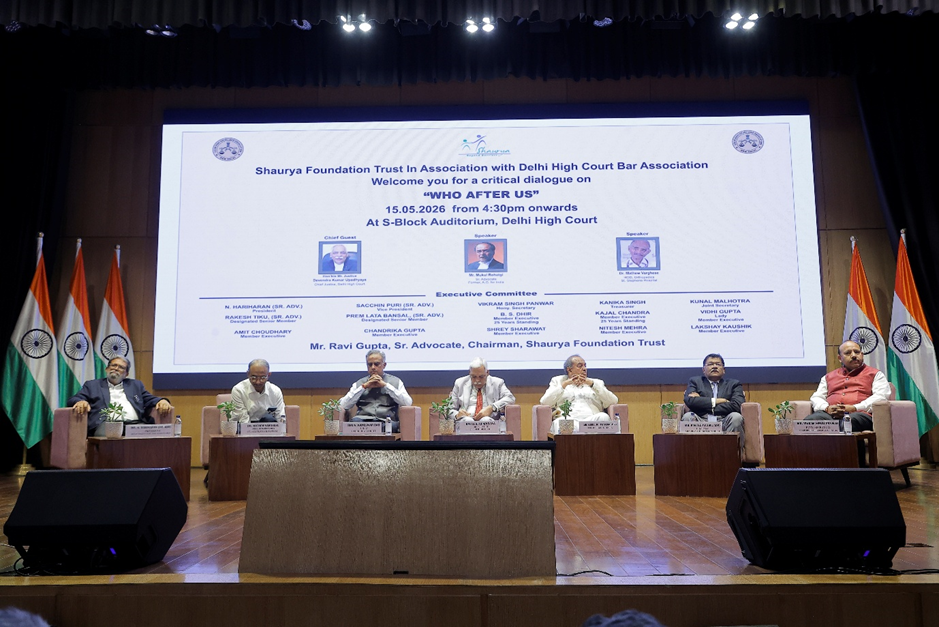
The event was built around the deeply emotional and socially significant question, “What after us?”, described by the organisers as one of the “heaviest question a parent of a child with special needs will ever carry”. The discussion highlighted the urgent need for collective societal responsibility in ensuring safe, dignified, and sustainable futures for neurodivergent adults.
Lighting of the Lamp
The programme commenced with the ceremonial lighting of the lamp by an eminent gathering comprising,
-
Justice Devendra Kumar Upadhyaya, Chief Justice, Delhi High Court;
-
Justice V.K. Rao;
-
Mr Mukul Rohatgi, Senior Advocate and Former Attorney General for India;
-
Dr Mathew Varghese, Head of Orthopedics, St. Stephen’s Hospital;
-
Mr N. Hariharan, President, Delhi High Court Bar Association;
-
Mr Ravi Gupta, Senior Advocate and Chairman, Shaurya Foundation Trust; and
-
Mr Vikram Singh Panwar, Secretary, Delhi High Court Bar Association.
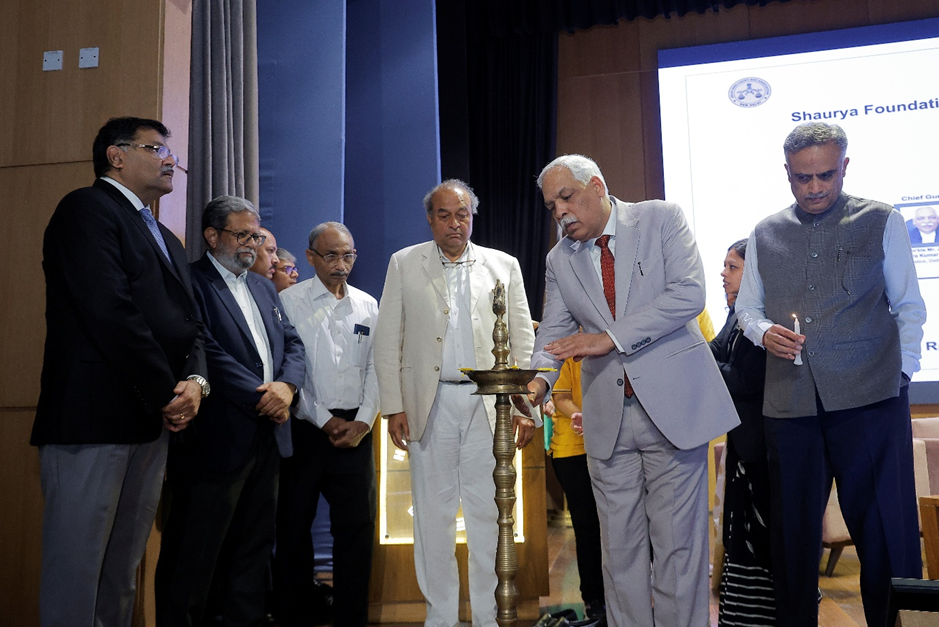
Students of Shaurya Foundation Trust also joined the dignitaries during the inaugural ceremony.
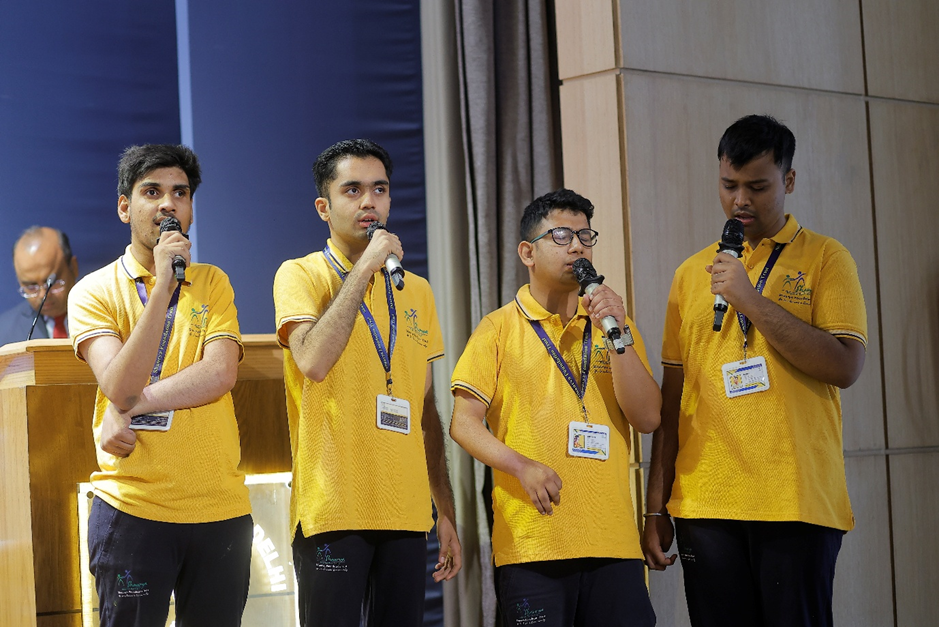
The inaugural ceremony was followed by a soulful medley of bhajans presented by students of the Shaurya Centre, which added warmth and inspiration to the proceedings and reflected the resilience and spirit of the neurodivergent community.
Not Charity but Dignity
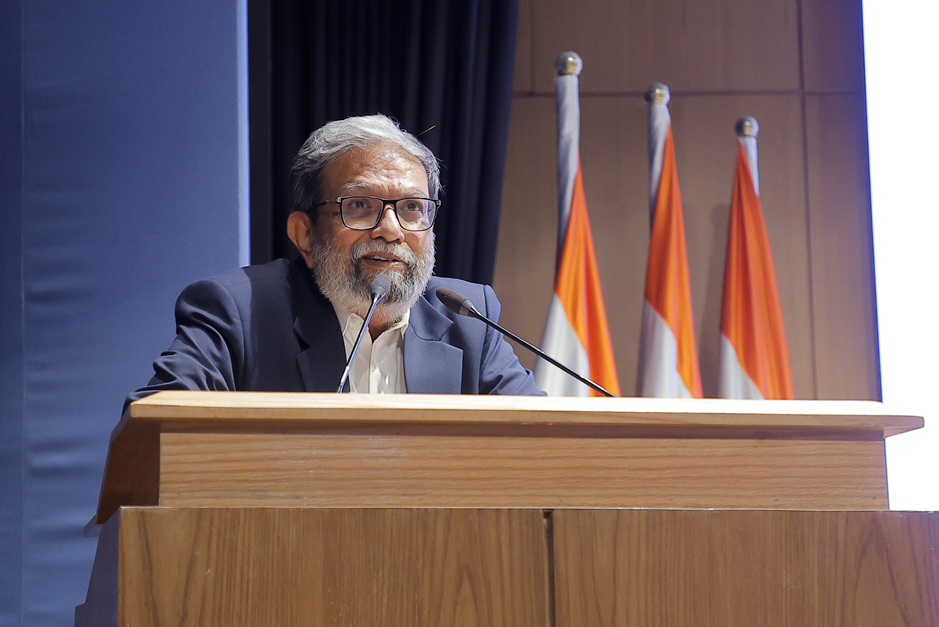
The Welcome Address was delivered by Mr. N. Hariharan, President, Delhi High Court Bar Association.
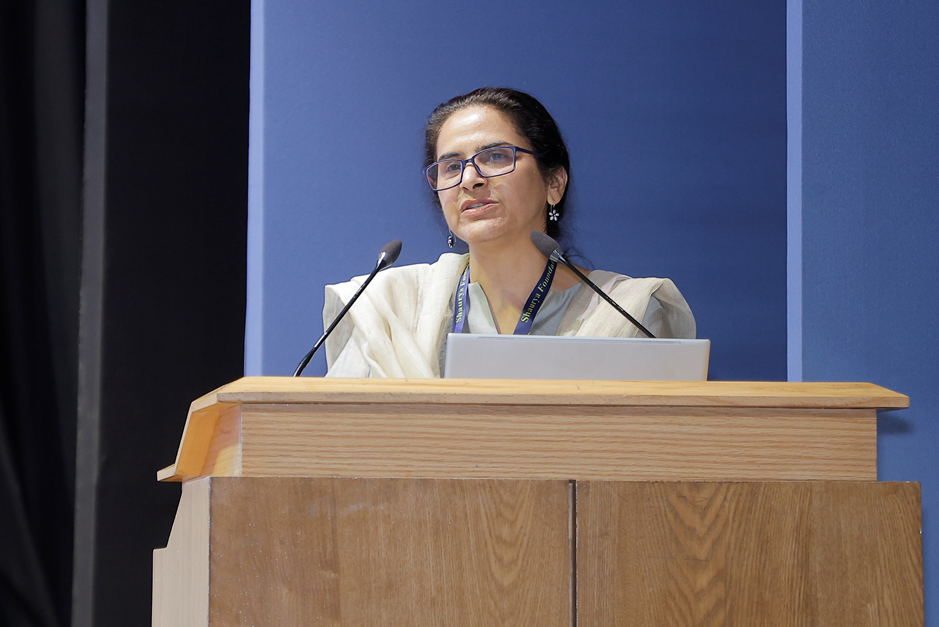
Thereafter, Ms Rubina Mohan, CEO of Shaurya Foundation Trust, addressed the gathering. She has over 25 years of experience in functional training and inclusive employment for neurodivergent adults, with her work focusing on financial empowerment and independent living initiatives.
During the programme, advocates and supporters associated with the cause were felicitated by the Trust.
Voices of Service and Law
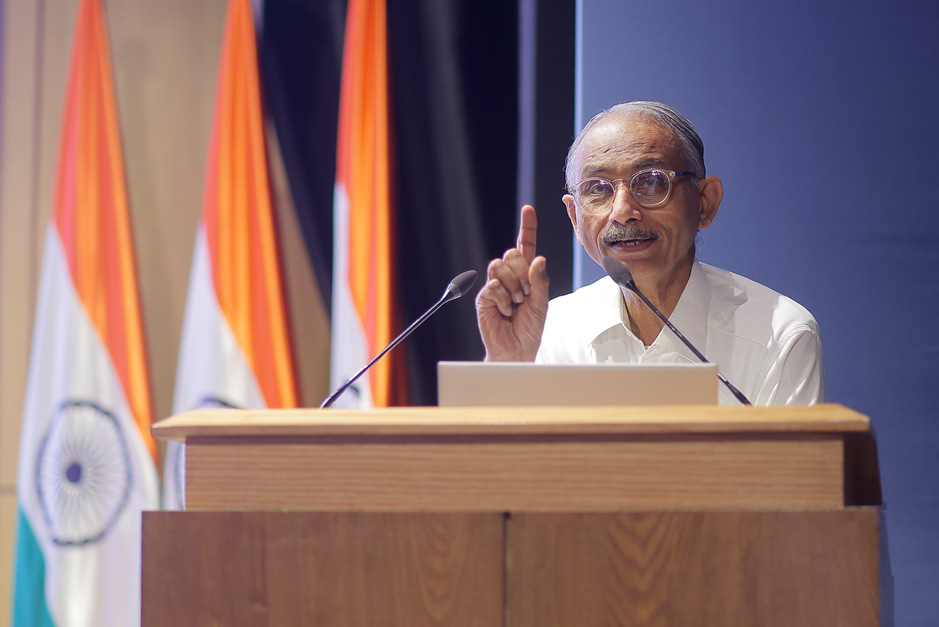
Dr Mathew Varghese, Head of Orthopaedics at St. Stephen’s Hospital, who is known for his work in trauma care, polio reconstruction, and clubfoot management, addressed the gathering.
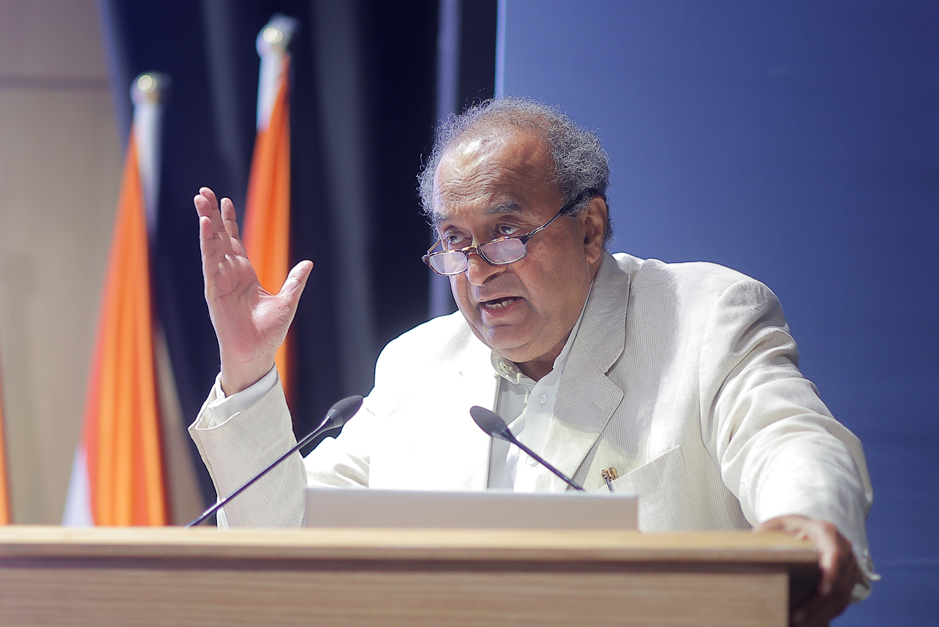
Mr Mukul Rohatgi, Senior Advocate and Former Attorney General for India, took the baton next. With a towering presence in all spheres of law, his career spans several significant roles in the legal profession. His address lent immense weight to the cause.
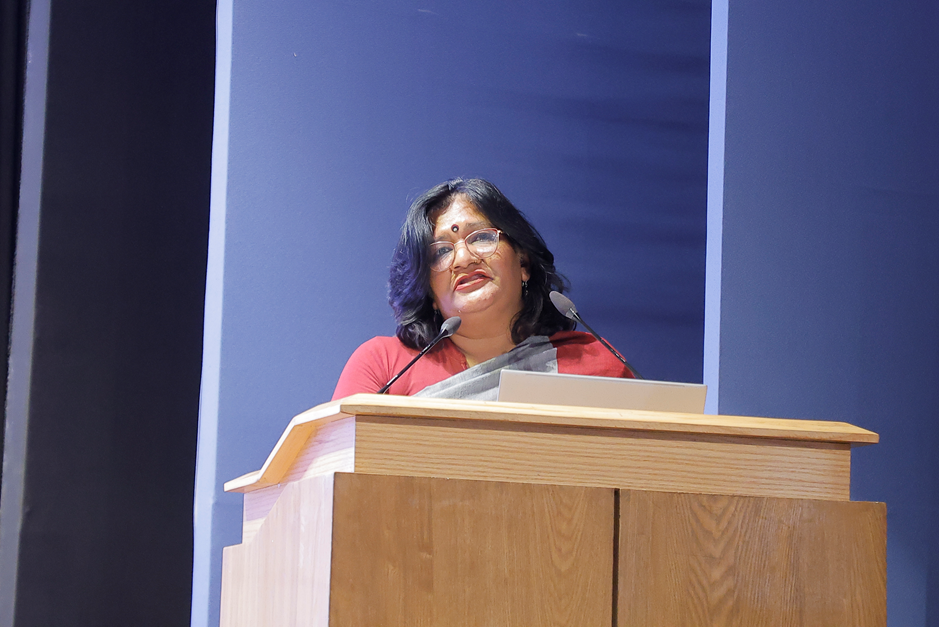
Ms Arpita Yadav, Director of SFT Palwal, who has over 24 years of experience working with neurodivergent adults, also addressed the audience. Her story of resilience continues to inspire everyone.
Chief Guest Address
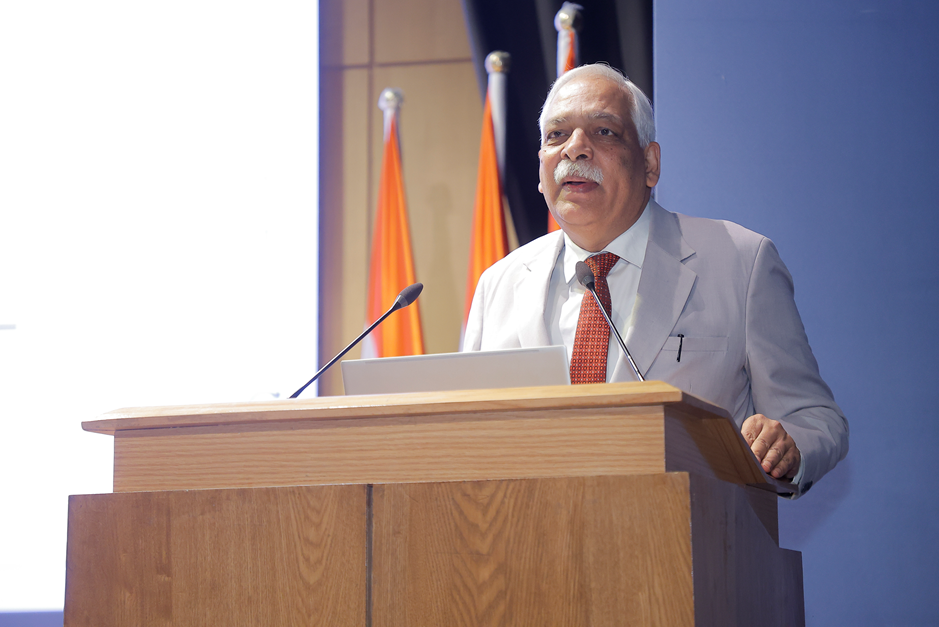
Justice Devendra Kumar Upadhyaya, Chief Justice, Delhi High Court, delivered the Chief Guest Address. His words were illuminating and inspiring, carrying both the weight of authority and the warmth of compassion. When one of the country’s foremost constitutional courts turns its attention to the cause of the most vulnerable, it sends a powerful message to society at large.
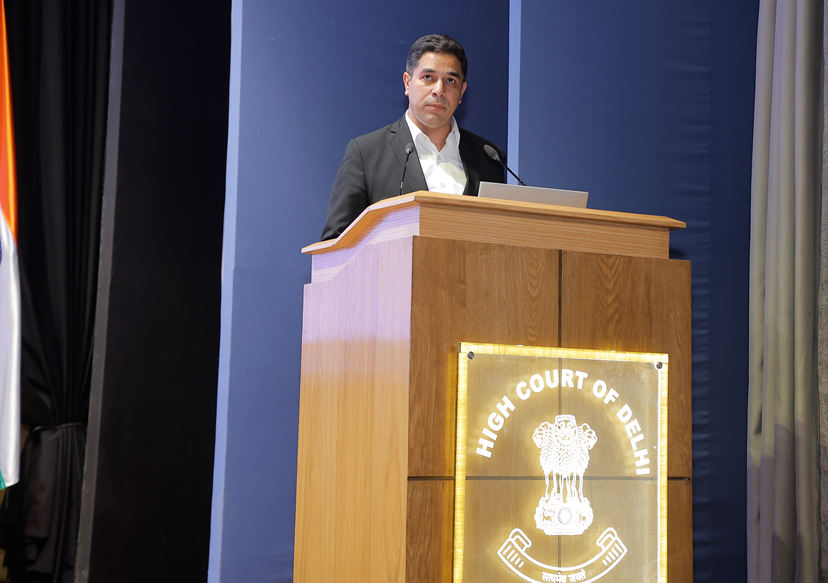
Mr Kunal Malhotra, Joint Secretary, Delhi High Court Bar Association, delivered the Vote of Thanks, following which the programme closed with an invitation to the SFT Café.
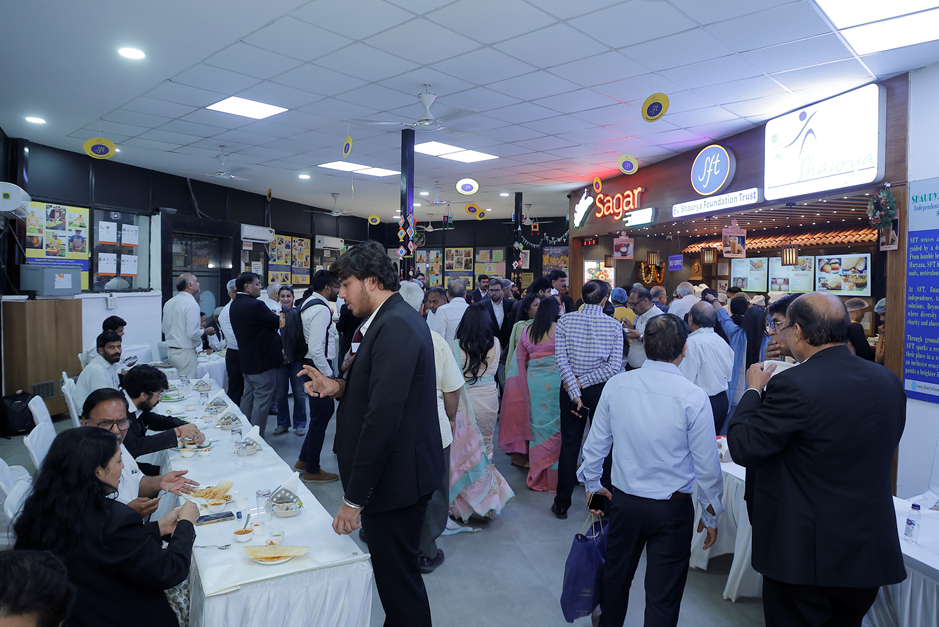
Concept Proof: The SFT Café
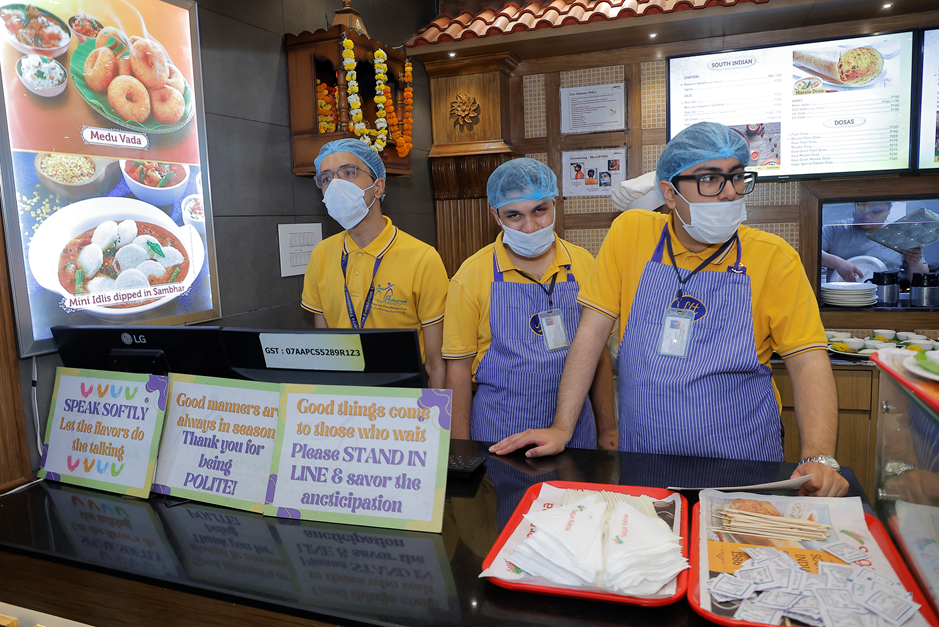
A key highlight of the programme was the presentation of the SFT Café initiative, operated in collaboration with Sagar Ratna within the Delhi High Court premises. The Sagar Express Café, established through the collaboration between Sagar Ratna and Shaurya Foundation Trust, focuses on training neurodivergent adults and supporting them in becoming independent and confident individuals.
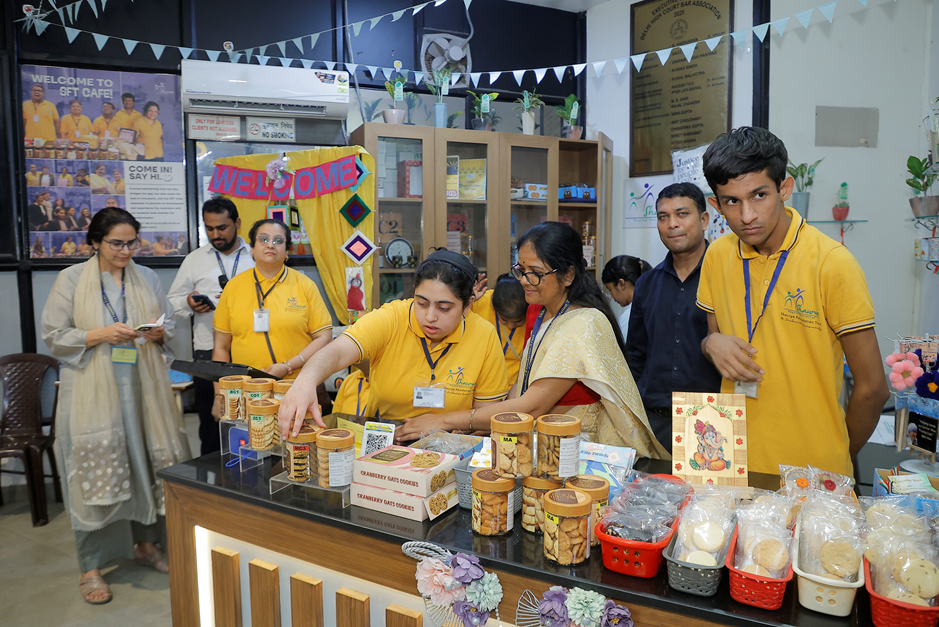
Staffed by students of the Shaurya Centre, the café was showcased as a practical model of inclusive employment and dignified livelihood opportunities for neurodivergent adults. The cafe stood as concept proof of SFT’s ethos, i.e., Not Charity but Dignity
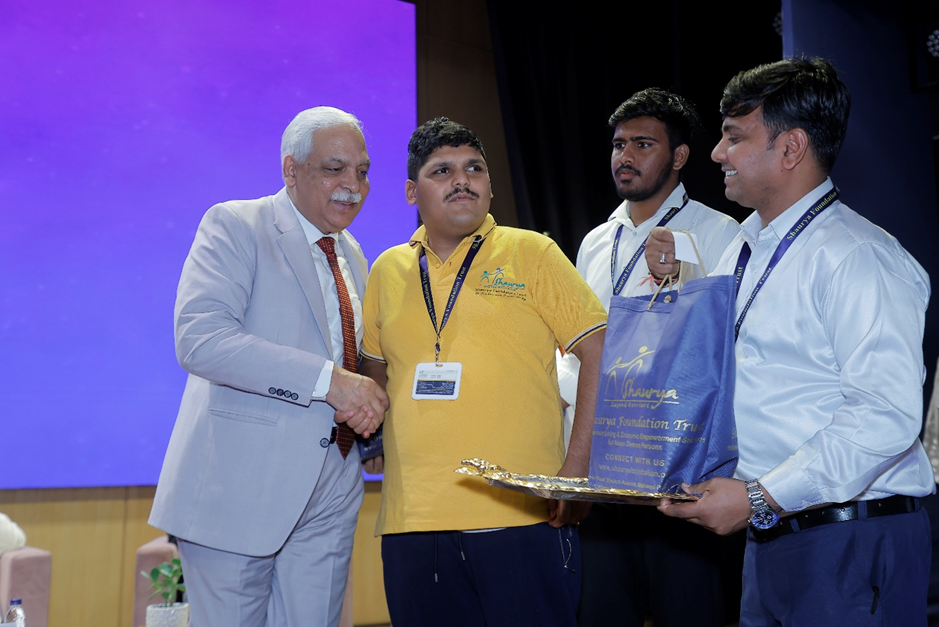
During the visit to the café, the Chief Justice distributed salary cheques to the students, recognising and encouraging their contribution and efforts towards independent and dignified living.
The Question Ahead
The programme also highlighted the broader initiatives undertaken by Shaurya Foundation Trust over the past fifteen years in creating skill-development programmes and employment opportunities for adults with autism and IDD. These initiatives include the Delhi High Court Café, vendor units for car wax kits and rubber finishing, as well as ventures such as Bakery, Artopia, Sublimation, and Sues Chef.
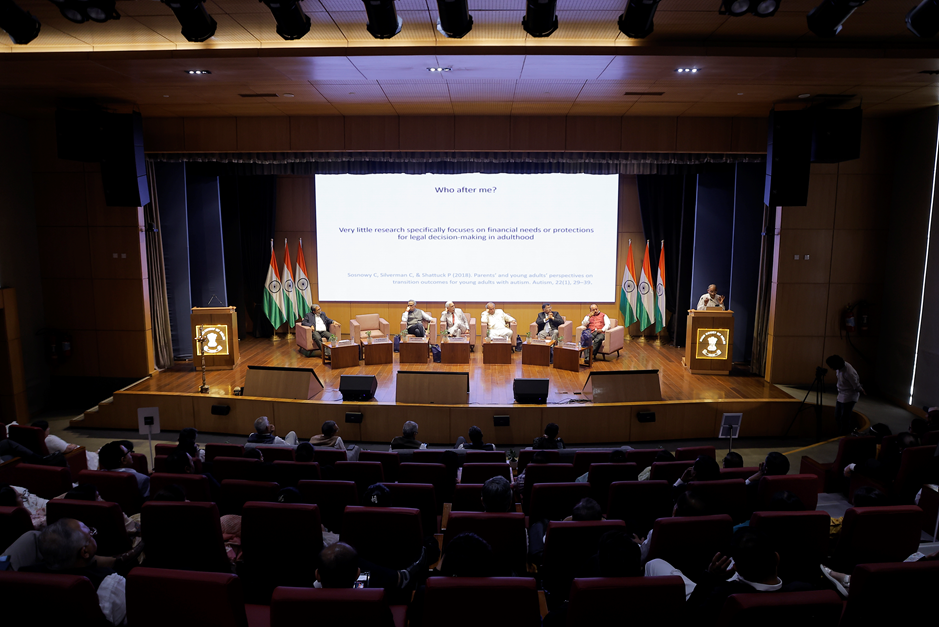
The concluding discussion focused on building a model that answers “What after us?”, i.e., “Shaurya Niketan”. It is a proposed residential community initiative aimed at addressing long-term concerns relating to the future care, safety, dignity, and social inclusion of neurodivergent adults. The initiative envisions a structured and community-oriented environment promoting independent living, social engagement, skill development, and comprehensive care within a safe and inclusive setting supported by trained professionals and like-minded individuals.
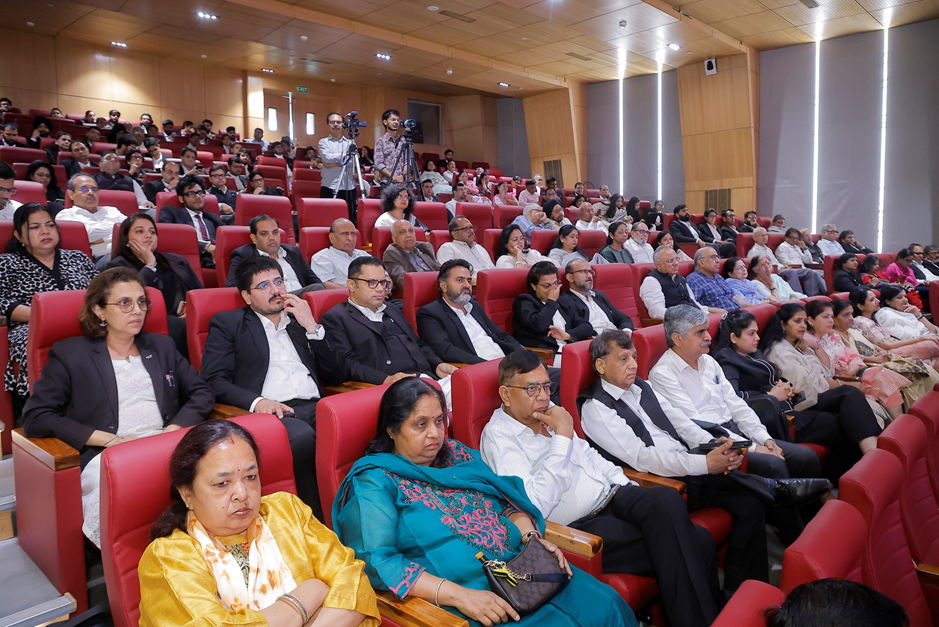
The event successfully brought together members of the judiciary, legal fraternity, medical professionals, social workers, and concerned citizens to collectively deliberate upon the challenges faced by neurodivergent adults and the urgent need for stronger societal and institutional safeguards. It served as an important platform for informed dialogue, collaborative engagement, and renewed commitment towards building a more inclusive and dignified future for neurodivergent individuals.