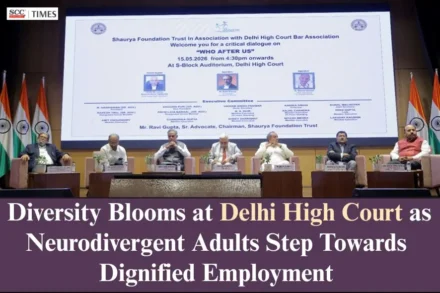
Diversity Blooms at Delhi High Court as Neurodivergent Adults Step Towards Dignified Employment
“What After Us?”: Delhi High Court Chief Justice Calls for Community-Owned Future for Adults with Autism & Intellectual and Developmental Disabilities
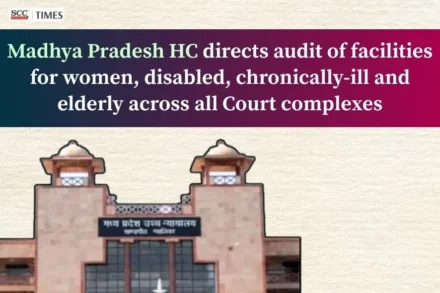
The present writ petition was filed by an advocate seeking provision of amenities for specially abled persons to access the Court premises.
“True equality at the workplace can be achieved only with the right impetus given to disability rights as a facet of Corporate Social Responsibility.”
The Court also specified 6 Key Areas of focus for Project Ability Empowerment and directed the Centre to present their explanation on issues concerning Reservation for the differently abled.
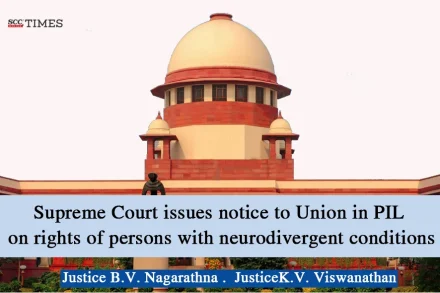
The Public Interest Litigation calls for clear, time-bound judicial directions to ensure India’s disability rights framework aligns with both its legal obligations and moral responsibilities.
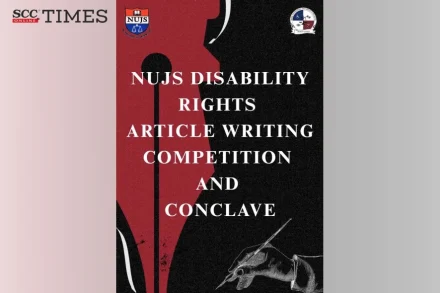
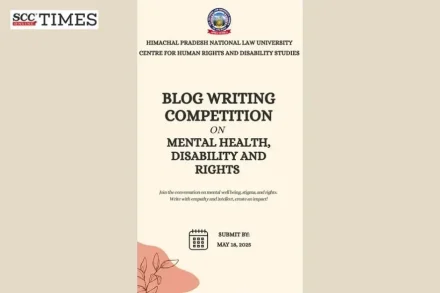
The initiative aims to foster discourse on social stigma, digital accessibility, intersectionality, and AI’s role in disability laws, while amplifying underrepresented voices in the legal sphere.
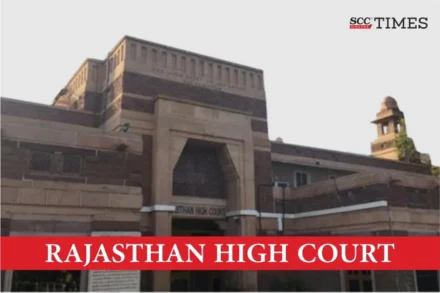
In the instant matter, the petitioner, a student with 100% hearing impairment, approached the Court raising grievance regarding lack of adequate assistance, particularly the non-availability of an interpreter and denial of home-based instruction.
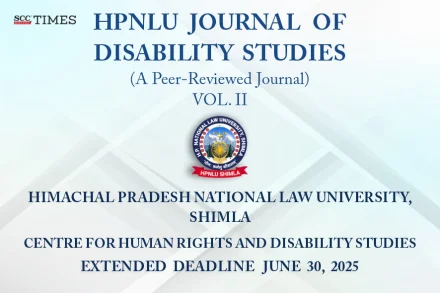
Extended Deadline- 30-06-2025.
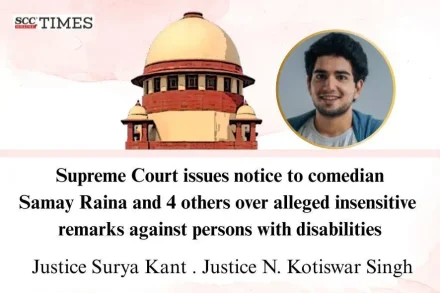
The present petition called for the regulation of online content that violates the right to life and dignity of persons with disabilities.
The submission deadline is 18-05-2025.
“The case in hand depicts the sorry state of affairs that prevails in society while dealing with differently abled persons. The fact that the petitioner who has 100% hearing and speech impairment from young age was able to complete the School Education and the Engineering course, shows the amount of grit and determination on his part to remain in the mainstream of the society.”
“If the facilities required by the petitioner are denied, she will not be able to take the examination, which would lead to discrimination that is forbidden by Article 14 of the Constitution of India.”
Participation of women in the work force is not a matter of privilege, but a constitutional entitlement protected by Articles 14, 15 and 21 of the Constitution; besides Article 19(1)(g).
It is truly ironical that the JNU is seeking to defend its case by relying on the fact that the petitioner, a 100% visually challenged student — has provided a residential address 21 km away from the JNU campus. The submission deserves no further comment.