








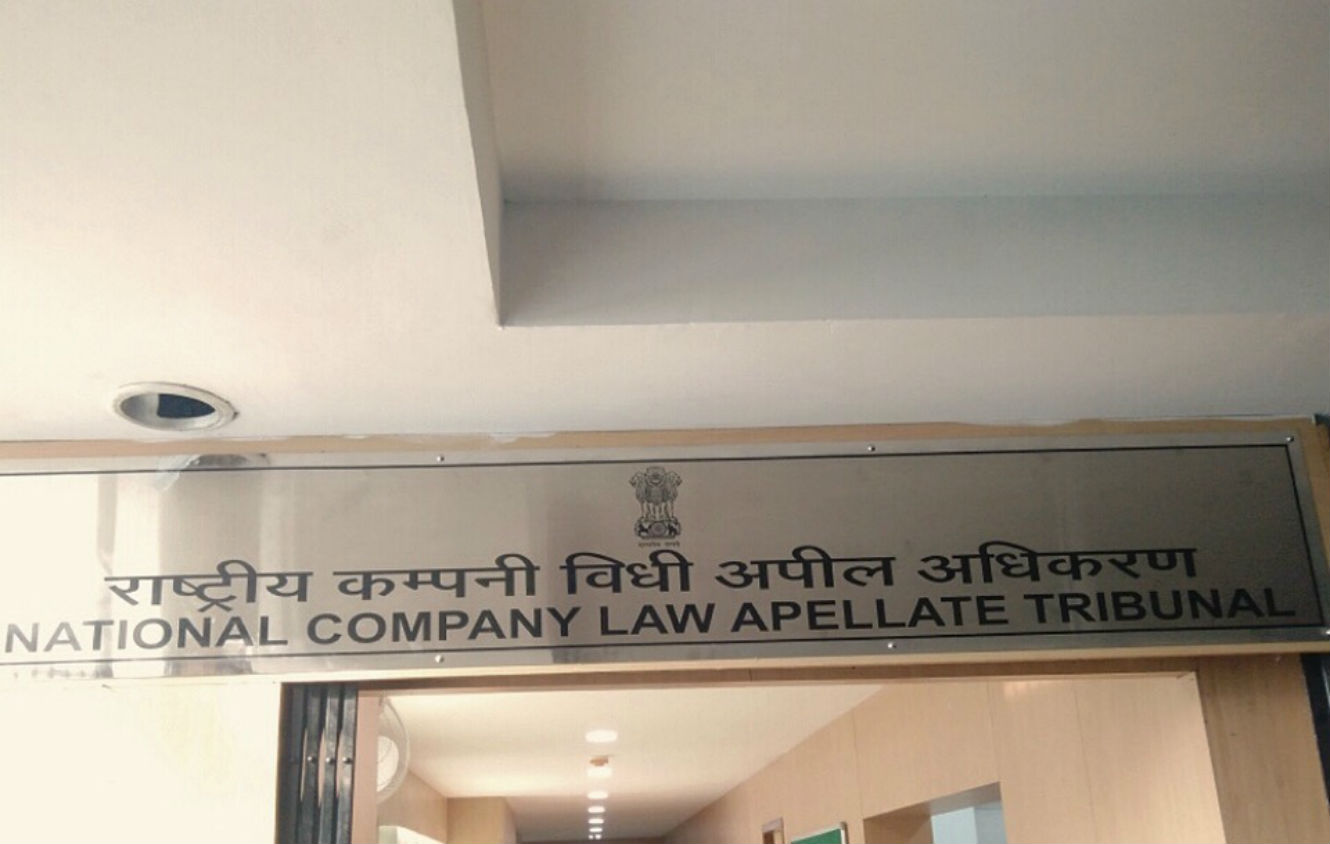
National Company Law Appellate Tribunal (NCLAT): A two-member bench comprising of Justice S.J. Mukhopadhaya, Chairperson and Justice Bansi Lal Bhat, Member (Judicial) dismissed an appeal filed by the Corporate Debtor against the initiation of Insolvency Resolution Process.
The Financial Creditor had granted a loan of Rs 1.02 crores to the Corporate Debtor which they were unable to repay. The Financial Creditor took recourse to arbitration and an award was passed favouring the Financial Creditor. The Corporate Debtor failed to comply with the award. Consequently, the Financial Creditor triggered the Insolvency Resolution Process. The appellant – a shareholder of Corporate Debtor – assailed the initiation of the process on the ground that there was an internal dispute among the directors which was pending adjudication under Section 241 and 242 of the Companies Act, 2013 before National Company Law Tribunal, New Delhi.
The Appellate Tribunal perused the entire scheme of the Insolvency and Bankruptcy Code regarding the Insolvency Resolution Process. It was observed that internal dispute among directors of the Corporate Debtors does not construe a valid defence to triggering of the process. Furthermore, it could not be defeated by taking resort to pendency of matter before the NCLT under Companies Act. The Code is a special law having an overriding effect on any other law as mandated by Section 238. The factum of default and non-compliance with arbitral award was not disputed by the Corporate Debtor; and thus, the Financial Creditor was well within its right to initiate the process. The appeal was held to be frivilous and costs amounting to Rs 1 lakh were imposed. The appeal was, thus, dismissed. [Jagmohan Bajaj v. Shivam Fragrances (P) Ltd.,2018 SCC OnLine NCLAT 413, dated 14-08-2018]









0 replies