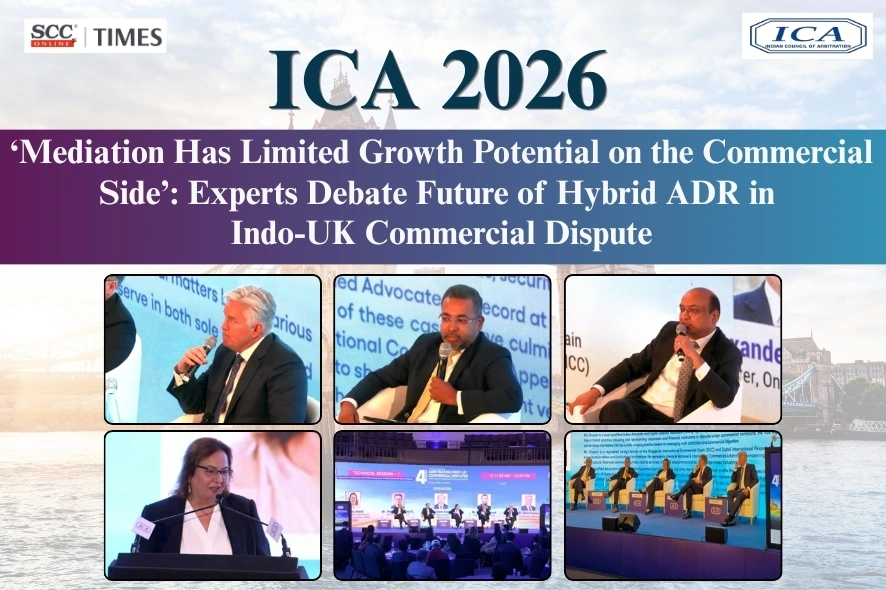
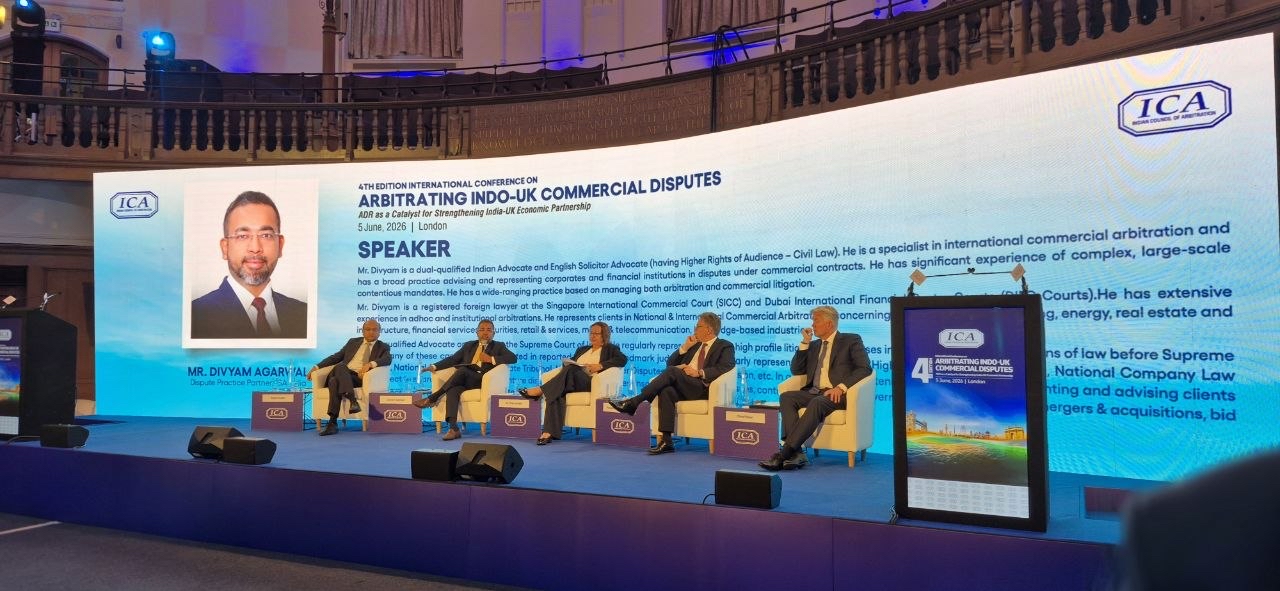
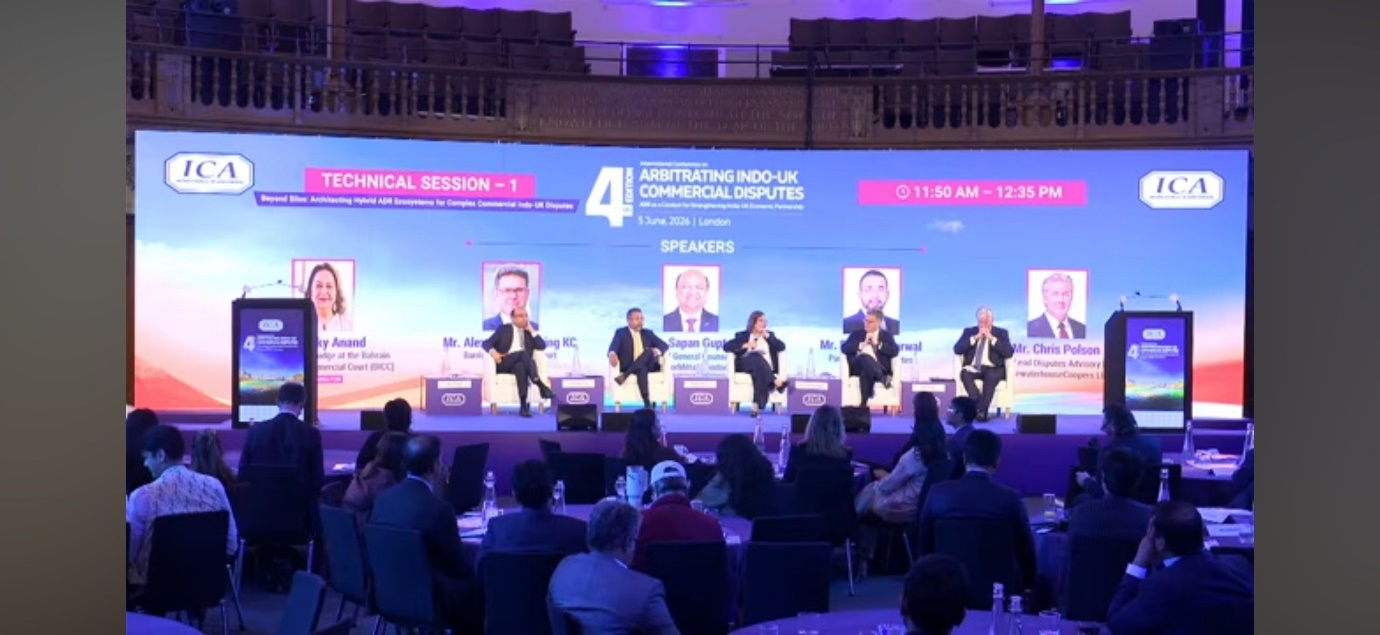
At the 4th Edition of the International Conference on “Arbitrating Indo-UK Commercial Disputes: ADR as a Catalyst for Strengthening India-UK Economic Partnership”, the first technical session organised by the Indian Council of Arbitration (ICA) at Church House Westminster, London explored the theme “Beyond Silos: Architecting Hybrid ADR Ecosystems for Complex Commercial Indo-UK Disputes”.
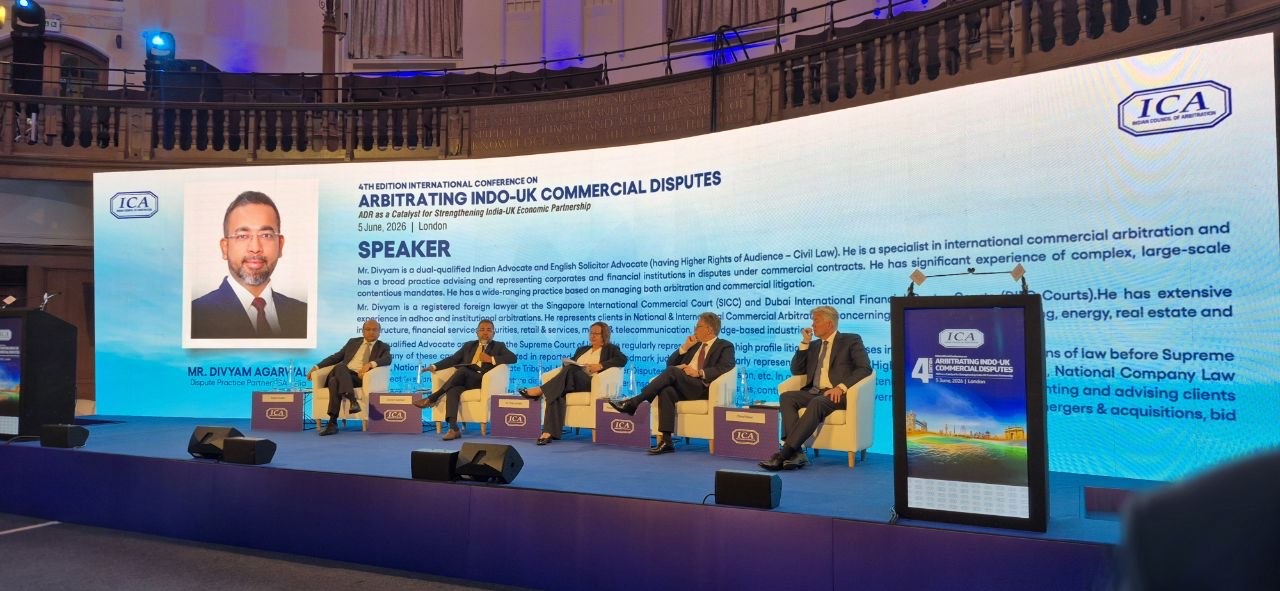
The session was moderated by Dr. Pinky Anand, Senior Advocate and Judge at the Bahrain International Commercial Court (BICC). The panel featured Mr. Divyam Agarwal, Dispute Practice Partner at JSA, Mr. Sapan Gupta, Global General Counsel at ArcelorMittal, London, Mr. Alexander Gunning KC of One Essex Court, UK and Mr. Chris Polson, Partner & Lead Disputes Advisory Practice, PricewaterhouseCoopers LLP.
Hybrid ADR and the Search for Better Commercial Dispute Resolution
Opening the discussion, Dr. Pinky Anand observed that no single dispute resolution mechanism can effectively address every commercial dispute. As cross-border transactions become increasingly complex, parties are exploring combinations of mediation, arbitration and other ADR tools to achieve efficient and commercially sensible outcomes.
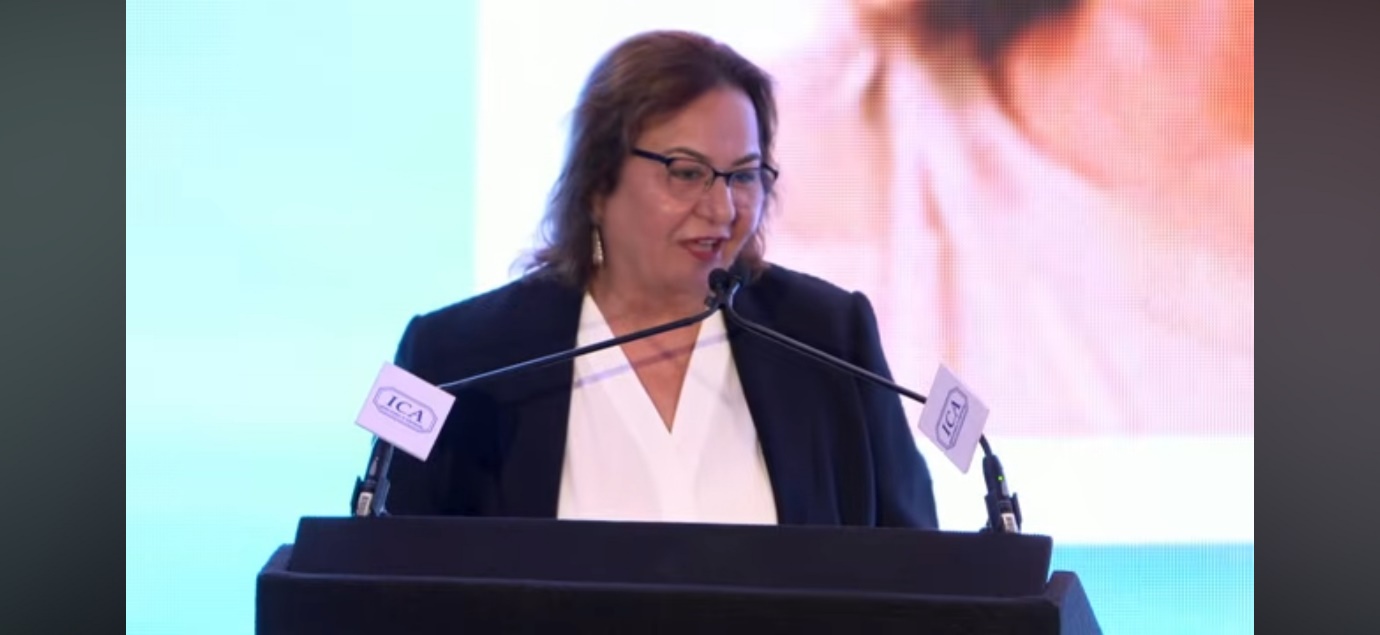
Highlighting evolving global trends, she noted that mediation and arbitration are increasingly being viewed not as competing mechanisms but as complementary processes capable of working together within a broader dispute resolution framework.
As she remarked:
“I don’t think there’s a one shoe that fits all.”
Referring to comparative experiences across jurisdictions, Dr. Anand pointed out that while mediation enjoys significant success rates in jurisdictions such as the United Kingdom, India continues to face challenges in developing a robust culture of commercial mediation.
India’s Rise as an Arbitration Jurisdiction
Discussing India’s position in the international arbitration landscape, Mr. Divyam Agarwal described the country’s progress as significant, though still evolving.
Referring to the latest Queen Mary University—White & Case International Arbitration Survey1, Mr. Agarwal noted that New Delhi was the only Indian city to feature among preferred arbitration seats. While London and Singapore continue to dominate global preferences, India’s inclusion reflects growing international confidence in its arbitration ecosystem.
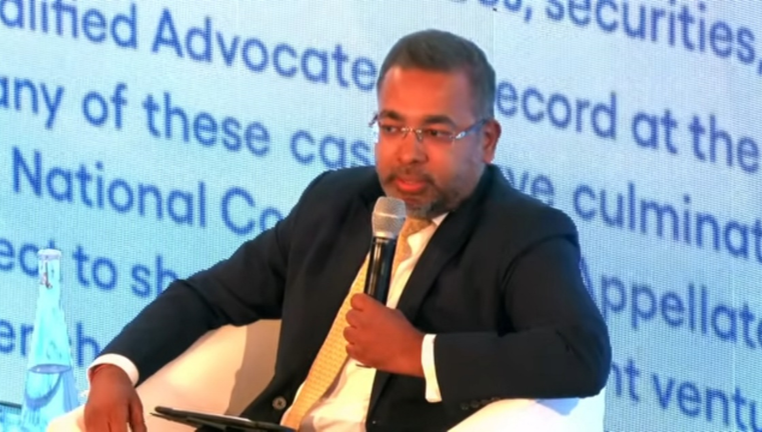
According to Mr. Agarwal, this progress can largely be attributed to three developments: a more arbitration-friendly judiciary, greater institutionalisation of arbitration, and increasing awareness among commercial stakeholders regarding the benefits of arbitration. He observed that judicial attitudes towards arbitration have undergone a substantial transformation over the years, with courts increasingly adopting a supportive rather than interventionist role.
At the same time, he cautioned that policy consistency remains essential if India intends to strengthen its position as a preferred arbitration destination.
As he noted:
“We really need to improve, we really need to posture and provide a more focused approach and show that we really mean what we are saying.”
‘Mediation Has Limited Growth Potential on the Commercial Side’
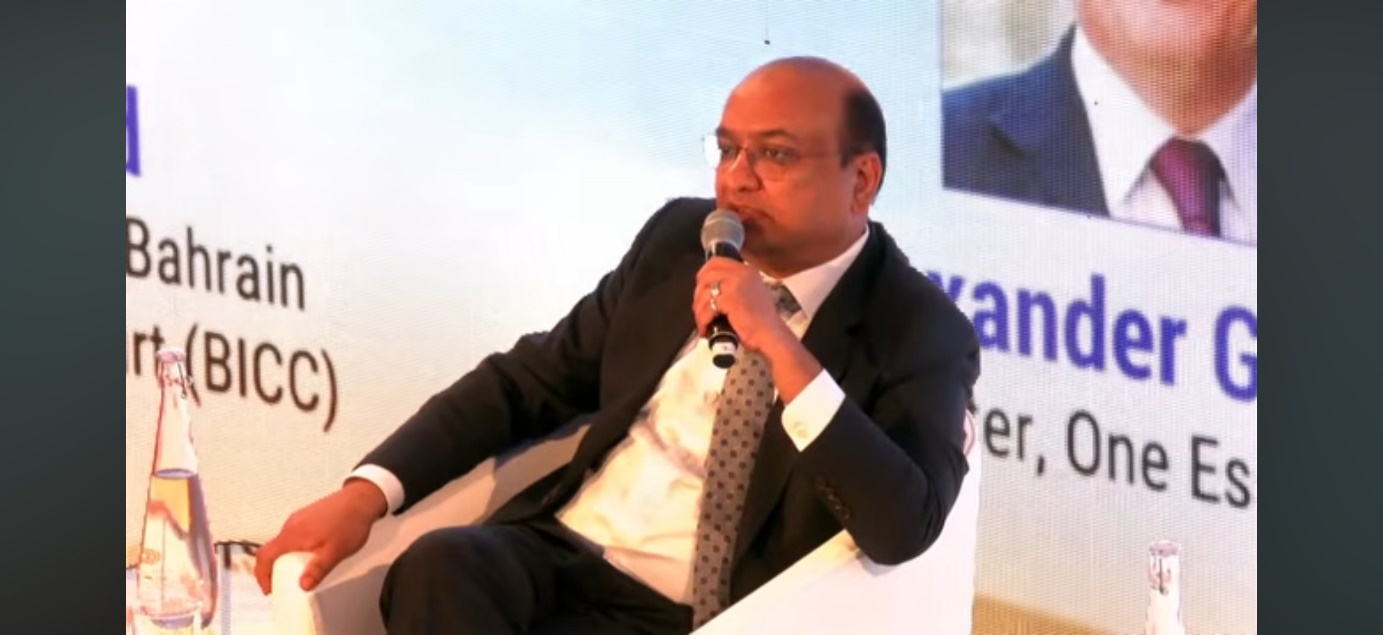
One of the most notable interventions during the session came from Mr. Sapan Gupta, who offered the perspective of a corporate user of dispute resolution mechanisms. While acknowledging the growing emphasis on mediation globally, Mr. Gupta questioned whether mediation genuinely serves the needs of large commercial parties.
He remarked:
“Mediation has limited growth potential on the commercial side.”
Mr. Gupta explained that commercial parties often include mediation clauses in contracts, but many disputes eventually proceed to arbitration regardless of mediation efforts. In his view, mediation frequently functions as an additional procedural stage rather than a meaningful avenue for resolution.
As he observed:
“The mediation is failing in the commercial contracts because everyone is ready to go for arbitration.”
He further suggested that parties engaged in long-term commercial relationships often resolve disagreements through direct negotiation without requiring formal mediation processes.
Are Multi-Tier ADR Clauses Creating More Disputes?
Mr. Alexander Gunning KC examined the practical difficulties associated with multi-tier dispute resolution clauses that require parties to proceed through negotiation and mediation before commencing arbitration.
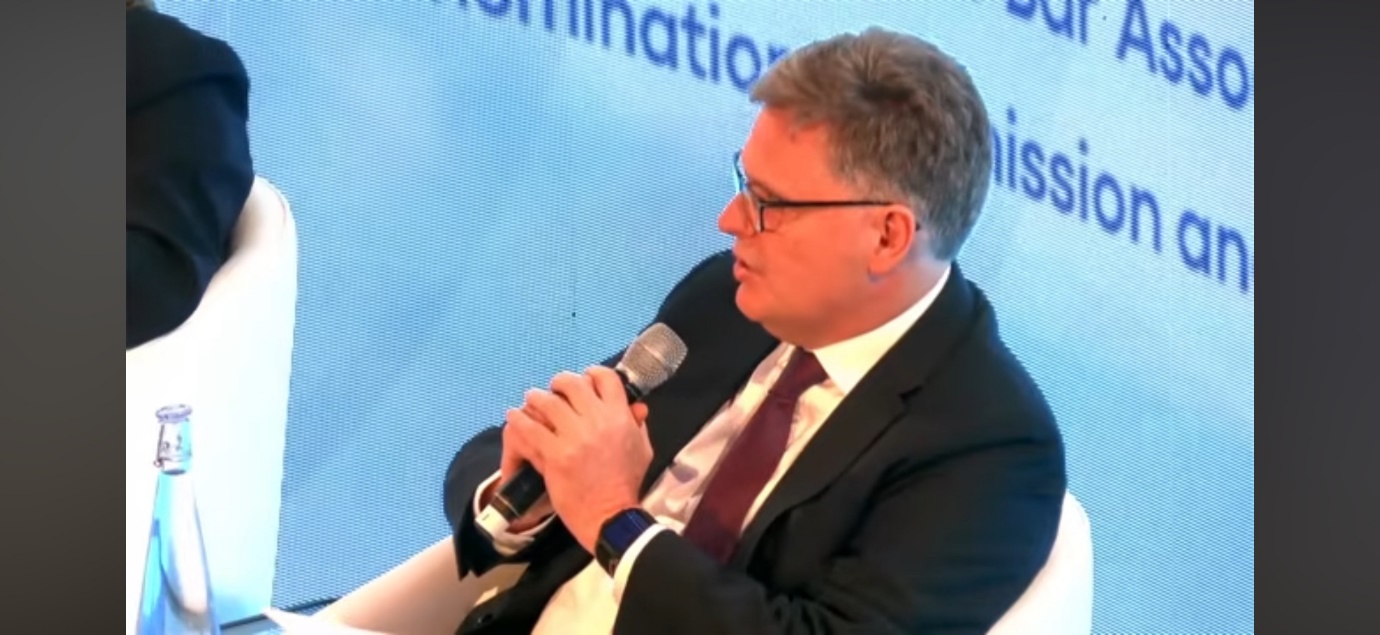
Warning against excessive procedural complexity, he remarked:
“There are very few problems in life to which procedural formalities are the solution.”
Mr. Gunning explained that commercial disputes often require urgent intervention, and extensive procedural preconditions can create additional disagreements about compliance rather than helping parties resolve the underlying dispute. He underscored that ADR mechanisms function most effectively when they preserve flexibility rather than impose rigid procedural structures.
Has Arbitration Become Too Similar to Litigation?
The panel also explored a recurring criticism of modern arbitration, that it increasingly resembles traditional court litigation. Addressing this concern, Mr. Agarwal acknowledged that arbitration proceedings have become significantly more document-intensive, evidence-heavy and procedurally complex than originally envisioned.
As he remarked:
“If Rip Van Winkle sleeps in court proceedings and gets up in an arbitration proceeding, will he be able to make out a difference? Maybe after an hour or so, not before that.”
Nevertheless, Mr. Agarwal maintained that arbitration remains indispensable for resolving complex commercial disputes and highlighted innovations such as fast-track arbitration, document-only proceedings and online dispute resolution as potential solutions to concerns regarding cost and delay.
Mediation Act 2023 and Arbitration Act 2025: Convergence and Challenges
Mr. Chris Polson examined the interaction between India’s Mediation Act, 2023 and the United Kingdom’s Arbitration Act, 2025 within the context of cross-border disputes. While both jurisdictions continue to strengthen party autonomy and alternative dispute resolution mechanisms, Mr. Polson emphasised that important practical differences remain.
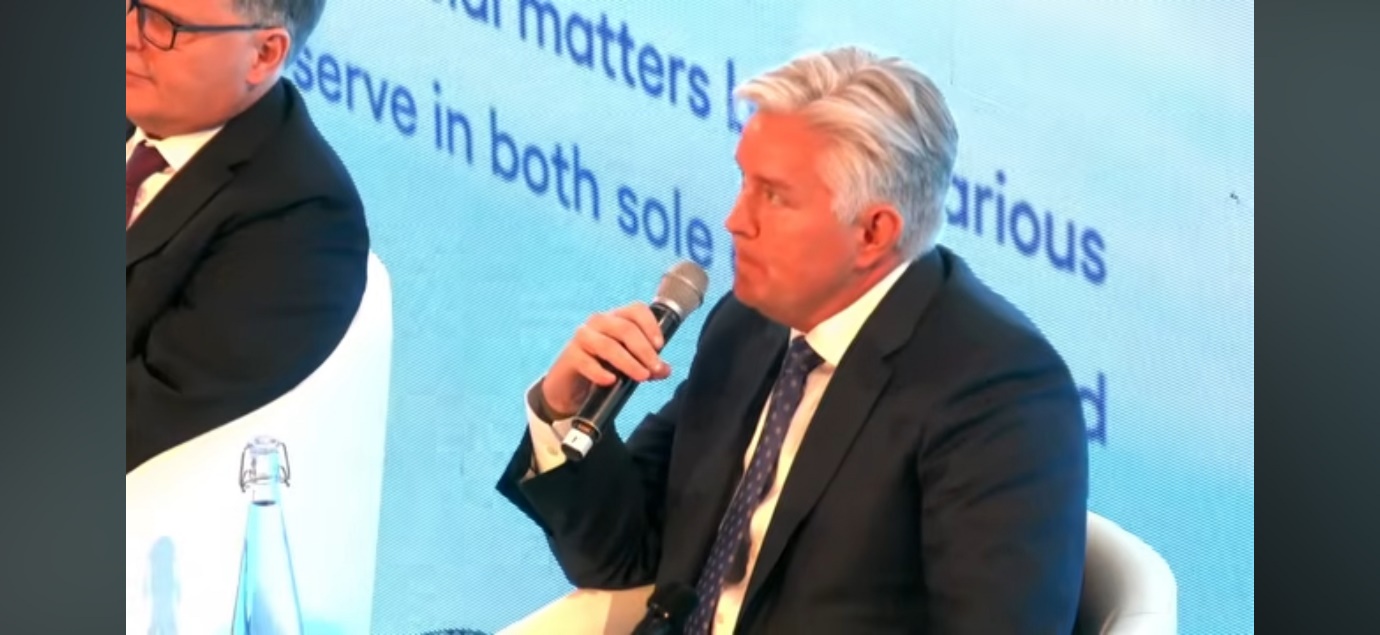
As he observed:
“The devil is really in the details.”
He explained that parties must carefully consider issues relating to enforcement, settlement agreements and procedural compatibility when designing dispute resolution frameworks for Indo-UK commercial transactions.
Arbitration Remains the Preferred Choice
Despite concerns regarding cost, duration and procedural complexity, Mr. Gupta made clear that arbitration continues to be the preferred dispute resolution mechanism for major commercial organisations.
According to him:
“Arbitration still remains one of our preferred mode of disputes and we avoid going to the courts if it’s not absolutely necessary.”
While acknowledging that arbitration has become increasingly expensive, he maintained that it continues to offer greater predictability, enforceability and commercial certainty than litigation in many jurisdictions.
Concluding Reflections
The discussion revealed a notable divide between practitioners advocating hybrid ADR models and corporate users focused on enforceability, efficiency and finality.
While mediation was widely recognised as a valuable tool for preserving relationships and narrowing disputes, scepticism remained regarding its practical utility in high-value commercial matters. Arbitration, despite criticisms regarding cost and complexity, continues to command the confidence of commercial parties involved in cross-border disputes.
The session ultimately highlighted a central question facing modern dispute resolution: whether the future lies in increasingly integrated ADR ecosystems, or in refining arbitration itself to better meet the needs of global commerce.
SCC Times reported the 4th Edition of the International Conference on “Arbitrating Indo-UK Commercial Disputes: ADR as a Catalyst for Strengthening India-UK Economic Partnership”, organised by the Indian Council of Arbitration (ICA) at Church House Westminster, London.
SCC Times extends its appreciation to Zehra Naqvi, EBC—SCC Online Foreign Student Ambassador and Lawyer, for her on ground presence, valuable assistance and contribution to the reporting of this event.
Read more on ICA’s 4th Indo-UK Conference:
- ICA 2026 | ‘The Best Dispute is the One That Never Arises’: Legal Professionals Discuss Pendency, Commercial Pragmatism, Mediation, & Forensic Investigations at 4th ICA Conference
- ‘Those AI Solutions Must Have Their Foundations in Our Own Laws’: Sir Geoffrey Vos on AI, Digital Sovereignty and the Future of Arbitration at ICA’s 4th Indo-UK Conference
- ‘In India, Arbitration Is an Emotion, Not Just Business’: Dr. N. G. Khaitan Highlights India’s Rise as a Global Arbitration Hub at ICA’s 4th Indo-UK Conference
- From Comparison to Co-Creation: CJI Surya Kant Proposes Joint Indo-UK Arbitrator Training, Fast-Track Procedures and Arb-Med Framework at 4th ICA Conference
- ICA 2026| ’Commerce Flourishes Where There Is Certainty’: Arun Chawla Highlights ADR’s Role in Strengthening the India—UK Economic Partnership at 4th ICA Conference
1. 2025 International Arbitration Survey: ‘The Path Forward: Realities and Opportunities in Arbitration’