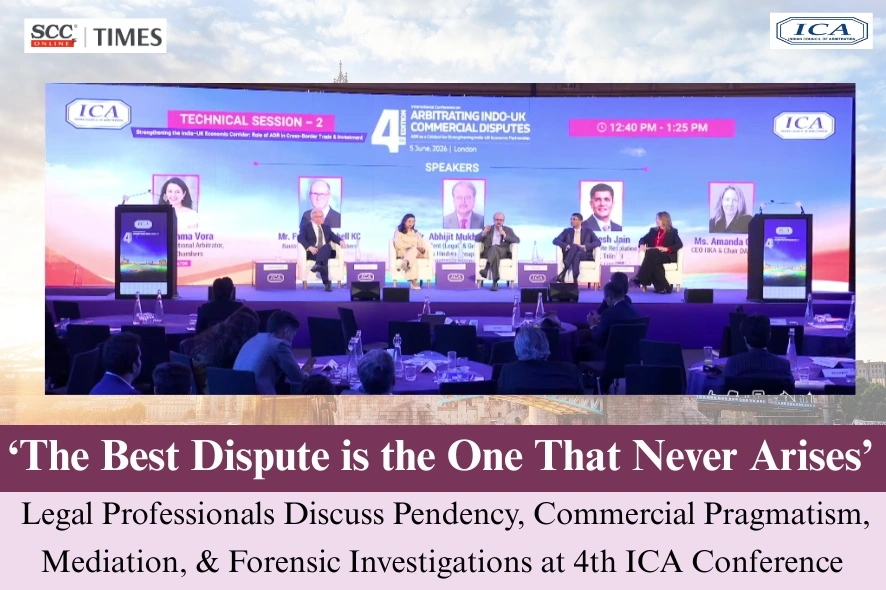
In the backdrop of LIDW 2026, the Indian Council of Arbitration (ICA) held the 4th Edition of the International Conference on “Arbitrating Indo-UK Commercial Disputes” on the theme “ADR as a Catalyst for Strengthening India-UK Economic Partnership”.
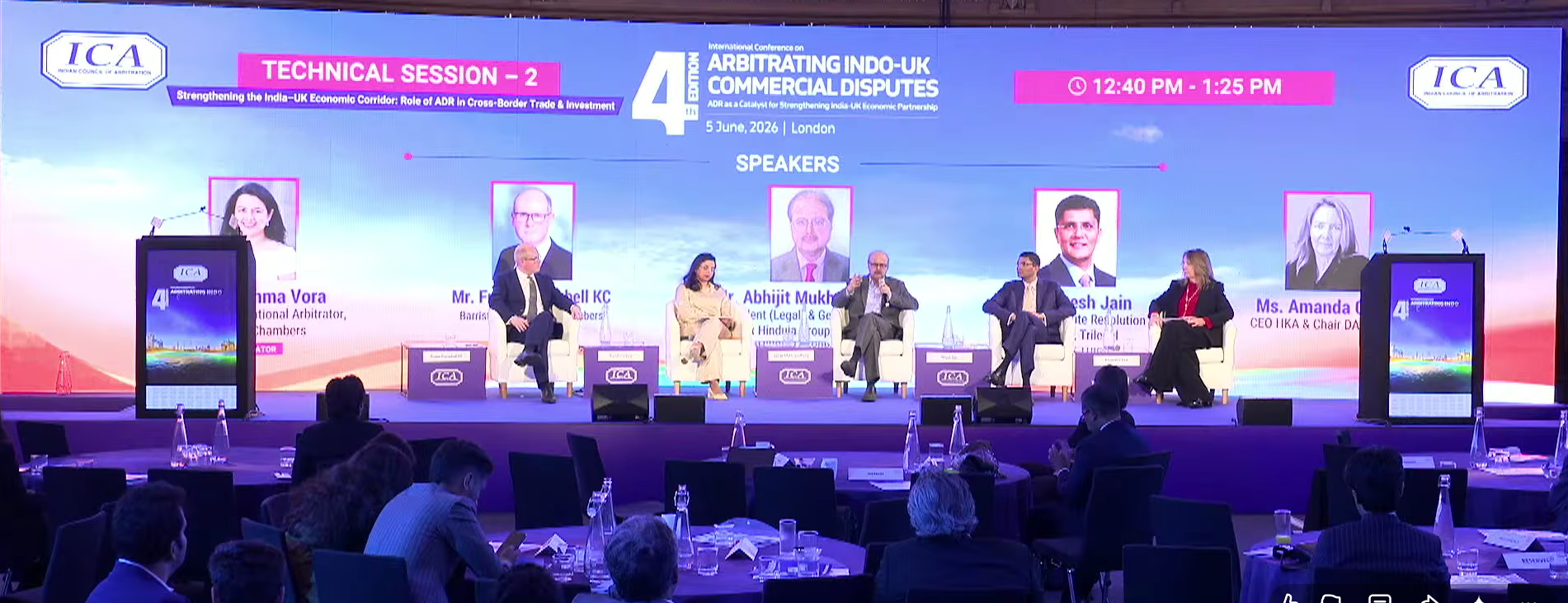
The conference conducted an enlightening panel discussion on “Strengthening the Indo-UK Economic Corridor: Role of ADR in Cross-Border Trade & Investment” comprising of esteemed panellists namely, Ms. Karishma Vora, Barrister and Arbitrator, 39 Essex Chambers; Mr. Nitesh Jain, Partner, Dispute Resolution, Trilegal; Mr. Abhijit Mukhopadhyay, President (Legal) and General Counsel, Hinduja Group; Mr. Fraser Campbell KC, Barrister, Blackstone Chambers, UK; and Ms. Amanda Clack, CEO of HKA and Chair of Dispute Resolution Appointments Board at RICS UK.
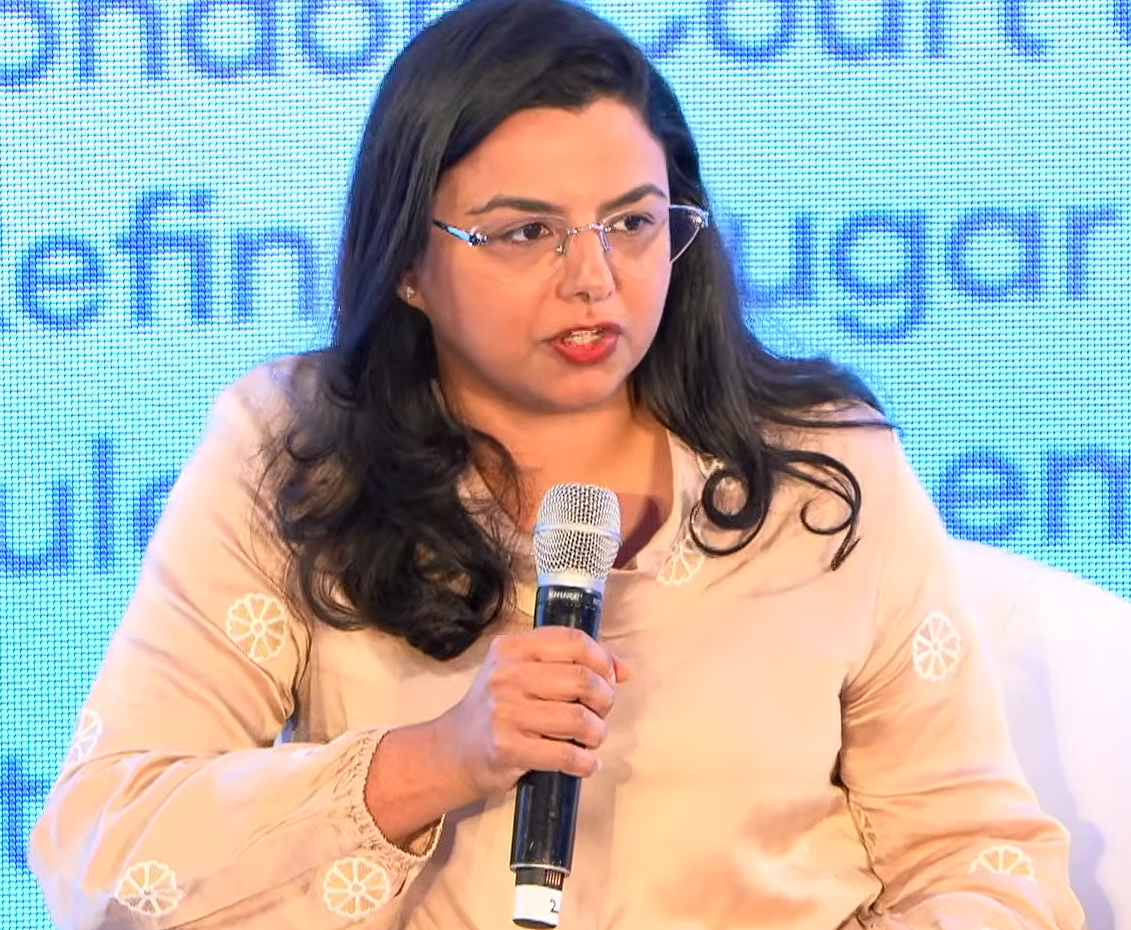
Opening the discussion, Ms. Karishma Vora, the moderator, demarcated the scope of discussion for the panel.
Resolving Pendency: Mr. Nitesh Jain
From the Indian perspective, Mr. Nitesh Jain addressed the longstanding concern surrounding the pendency of cases before Indian courts. While acknowledging that India currently has approximately 50 to 55 lakh pending cases, he mentioned that thousands and lakhs of matters were disposed of daily. Furthermore, despite the courts being overburdened, significant judicial and legislative reforms have been introduced over the past decade, particularly in arbitration. However, he argued that lasting improvement requires a broader cultural shift.
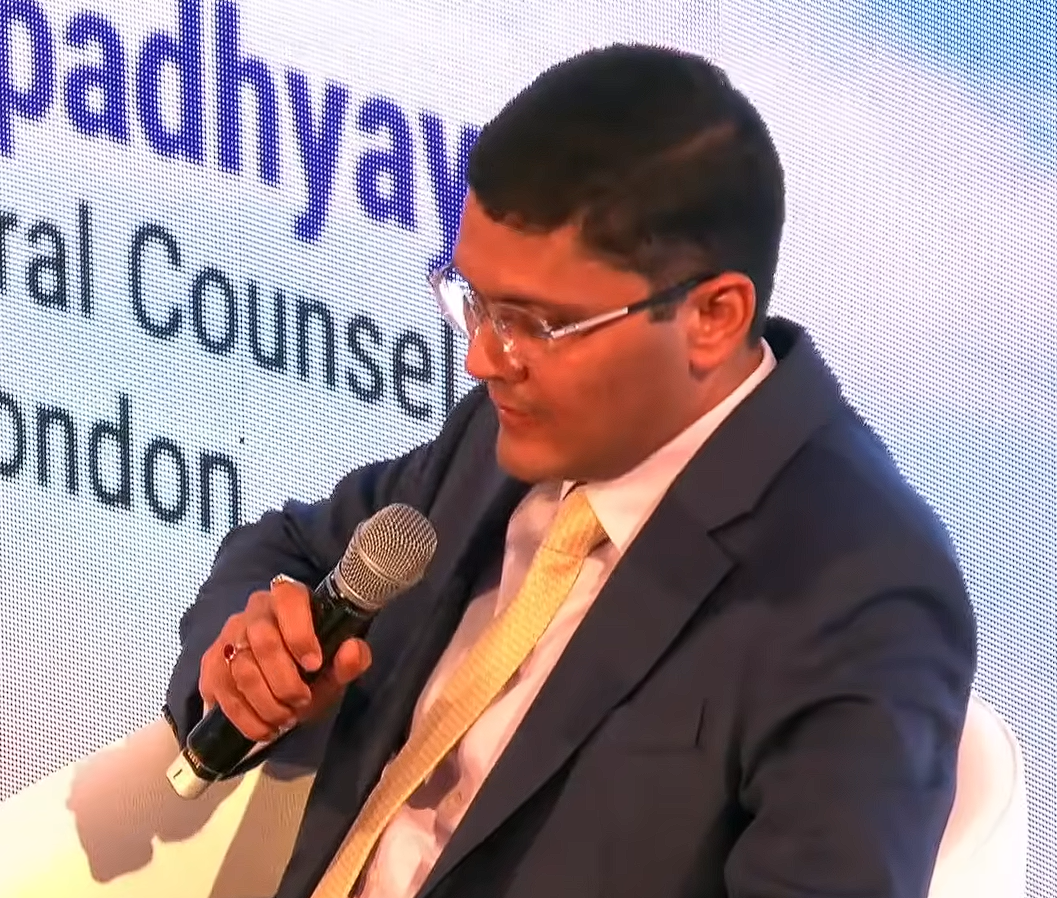
According to Mr. Jain, the future lies in encouraging parties to consider dispute resolution mechanisms outside traditional litigation and arbitration, which was the recent push for mediation. He highlighted the significance of the Mediation Act, 2023, describing it as a transformative step designed to strengthen India’s dispute resolution framework and align domestic practice with international standards, including the objectives of the Singapore Convention on Mediation.
Importantly, he stressed that mediation should not be viewed as a substitute for arbitration.
“The idea is not to litigate. The idea is not to arbitrate. The idea is for business parties to sit together with a mediator and resolve disputes quickly.”
He pointed out that mediation has deep roots in India and has existed through court-referred mechanisms under the Civil Procedure Code.
Mr. Jain cited successful mediation initiatives, particularly those operating through court-annexed mediation centers such as the Delhi High Court Mediation and Conciliation Centre, which has handled tens of thousands of cases with measurable success rates.
He argued that with increasing trade flows resulting from India’s growing network of Free Trade Agreements, including agreements with the UK and EU, ADR, especially mediation, will become an increasingly important tool for resolving commercial disputes quickly and cost-effectively.
Mediation as a Parallel Procedure: Mr. Fraser Campbell KC
While acknowledging, somewhat humorously, that mediation may reduce the number of cases reaching barristers and courts, Mr. Fraser Campbell KC strongly endorsed its value.
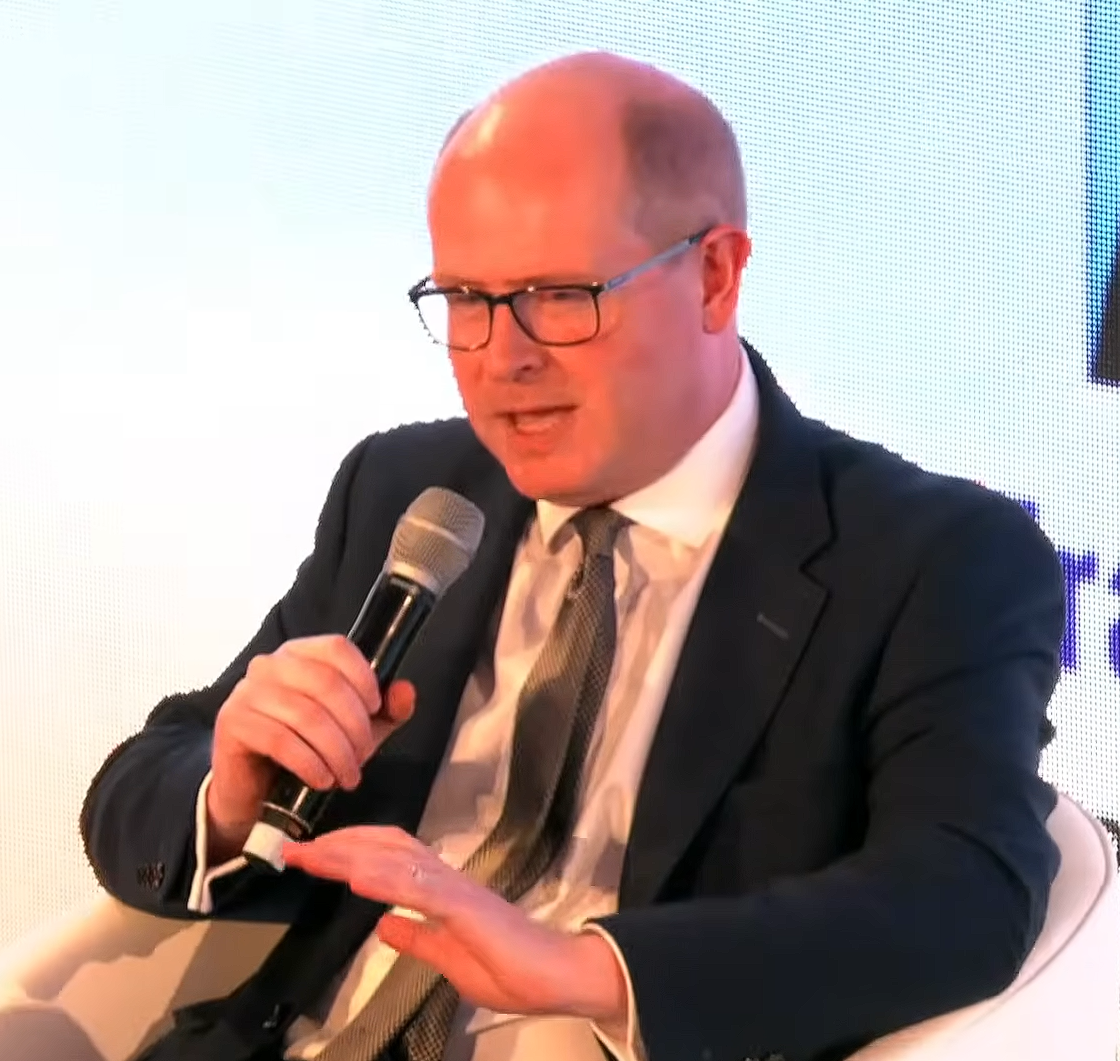
He challenged the common perception that mediation is a single event that either succeeds or fails. Instead, he advocated for a more flexible approach:
“Mediation doesn’t have to be a one-off showpiece event.”
According to him, mediation can operate alongside arbitration or litigation throughout the lifespan of a dispute. It can pause and resume, partially resolve issues, and progressively narrow areas of disagreement.
Preserving Commercial Relationship Amidst Dispute: Mr. Abhijit Mukhopadhyay
Providing a corporate and in-house counsel perspective, Mr. Abhijit Mukhopadhyay argued that preventing disputes should be a primary business objective. While legal victories may appear beneficial on paper, he observed that businesses frequently lose valuable relationships in the process. Winning a dispute may simultaneously mean losing a customer or joint venture partner, damaging future business opportunities, or acquiring a reputation for being excessively litigious.
“I may win a case. I may win an arbitration award. But at the end of the day, I am losing a customer, a joint venture partner, my future joint venture partners, and at the end, there is news all over that we are a very litigious kind of entity. So, it does not do any good for any commercial organization because the idea is not to make some money out of the process.”
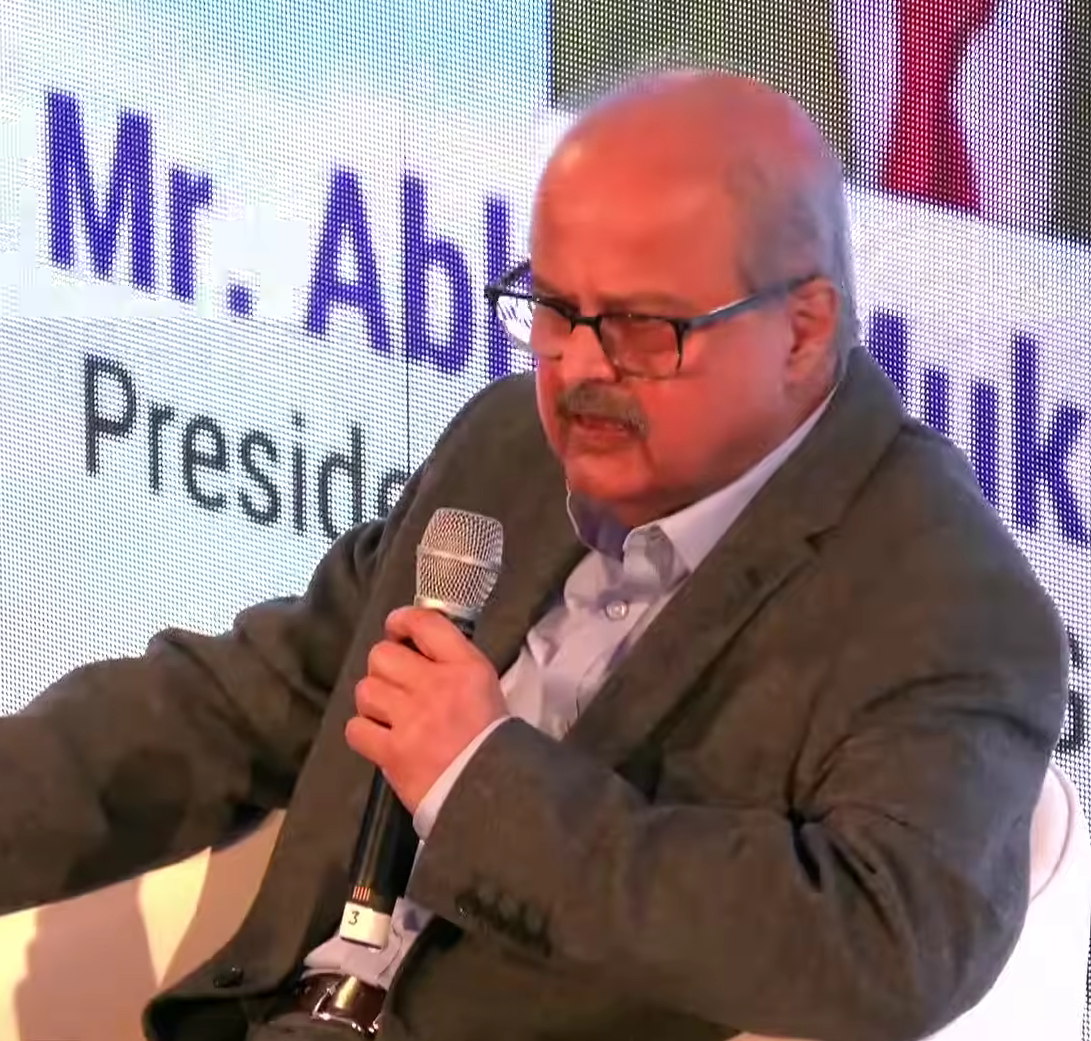
Thus, he suggested three methods to avoid disputes:
- Non-Adversarial Negotiation: Rather than approaching negotiations as adversarial contests, he advocated a relationship-focused strategy where businesses actively seek to understand the motivations, concerns, and commercial objectives of their partners. According to him, many disputes can be prevented simply through better communication and relationship management.
- Contract Drafting: Mr. Mukhopadhyay identified defective contract drafting as one of the principal causes of commercial disputes. He remarked that poorly drafted contracts may benefit external lawyers but harm in-house legal teams. Thus, contracts should have clearly demarcated responsibilities and obligations for both parties.
-
Organizational Awareness: He explained that in large organizations with thousands of people working across countries, it was difficult to inform and train people about all the nuances of a contract that applies to them. He further recommended that companies establish structured dispute resolution policies and escalation frameworks. Businesses should train employees to identify early warning signs of disputes and escalate issues before they become formal legal conflicts. Furthermore, he remarked that mediation should not begin only after a dispute escalates. “Mediation should be there all the time.”
Thus, he concluded by suggesting that the objective should be to continuously manage relationships and resolve disagreements before they mature into arbitration or litigation.
Adding to the conversation about drafting precise contracts, Mr. Campbell spoke about introducing specificity in arbitration clauses. He observed that many arbitration agreements replicate court processes in a private setting and are not creative or imaginative. He suggested that parties could use arbitration clauses more creatively, particularly in long-term commercial relationships such as joint ventures. Rather than limiting arbitrators to determining breaches and awarding damages, parties could grant arbitrators broader powers to:
- Adjust pricing mechanisms
- Adjust allocation of contractual risks
- Modify commercial arrangement
-
Facilitate orderly restructuring or termination of business relationships.
Such approaches, he argued, would better reflect commercial realities and help preserve valuable business relationships. He suggested that businesses should not just adopt boilerplate clauses but rather give powers to the arbitrator and use the clause in the spirit of arbitration rather than orchestrating the outcome of an arbitration.
“I’ve seen so many cases where nobody wins except the lawyers and the arbitrators.”
Forensic Investigations in a Dispute: Ms. Amanda Clack
At the outset, Ms. Amanda Clack argued that forensic investigations often help parties understand the true strengths and weaknesses of their positions. This affects the behaviour of the parties and the efficiency of the arbitration. She explained that forensic investigations provide clarity, facts, chronology, and quantification of the disputes by cutting through the narratives and emotions of the parties.

Drawing upon HKA’s Crux Report, which analyses around 22000 disputes valued at approximately £2.43 trillion, Ms. Clack noted that many disputes arise from recurring issues such as poor communication, inadequate processes, and deficient documentation. Understanding these patterns enables parties to address problems earlier and more effectively.
She explained that sharing the forensic analysis with the parties could change the imbalance between them, but if it is kept private, then it can aid in sharpening the company’s strategy and reducing litigation risk.
“It isn’t about coercion, it’s actually about illumination, so forensic investigations don’t force the settlement, but they do make the likely outcome more viable, and it’s how you get to that viability at the end of the day.”
Similarly, she explained, the RICS Dispute Resolution Service assesses where neutral evaluation and expert determination could prompt parties to recalibrate their position and resolve disputes with an open mind. It makes parties rethink before arbitration becomes pertinent. Thus, forensic investigations contribute significantly to arbitration efficiency by:
- Narrowing disputed issues
- Preventing surprise arguments
- Reducing procedural complexity
-
Encouraging realistic settlement discussions
She concluded by remarking that forensic investigations should be undertaken as, “Forensic investigations do not coerce anybody, but they really get to the heart of exposing what the reality is that sits behind the dispute. Ultimately, they’re not just an evidentiary tool; they are engines of dispute resolution efficiency.”
Providing practical examples, Mr. Jain shared a recent case involving an English company named as a defendant in Indian proceedings. Rather than engaging in lengthy litigation concerning jurisdiction and service issues, the parties agreed to mediation. The matter was resolved in a single mediation session, eliminating the need for extensive pleadings, evidence, witness testimony, or trial.
He also highlighted a recent landmark decision of the Supreme Court of India concerning the enforcement of foreign arbitral awards, noting that the Court embraced principles of transnational issue estoppel and reinforced India’s pro-enforcement stance.
Thus, the panel concluded with Ms. Vora remarking that, “the best dispute is the one that you never have.
SCC Times reported the 4th Edition of the International Conference on “Arbitrating Indo-UK Commercial Disputes,” organised by the Indian Council of Arbitration (ICA) on 5 June 2026 at Church House Westminster, London, as part of London International Disputes Week 2026.
SCC Times extends its appreciation to Zehra Naqvi, EBC—SCC Online Foreign Student Ambassador and Lawyer, for her on ground presence, valuable assistance and contribution to the reporting of this event.
Read more ICA and LIDW 2026 Coverage HERE.