The International Arbitration Centre (IAC) held its fourth annual IAC Eurasia Arbitration Week 2026 (EAW26), from 30 June to 3 July 2026 in Astana, Kazakhstan.
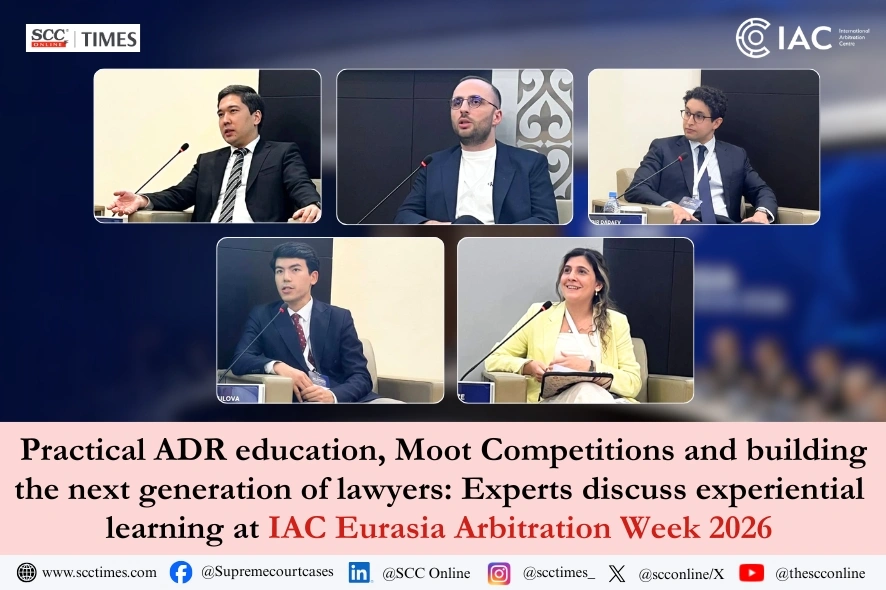
In a panel discussion titled “The Role of Practical Programs in the Development of ADR Education”, the esteemed panellists examined how experiential legal education, moot competitions, ADR clinics, and institutional collaborations are reshaping arbitration practice.
The discussion highlighted that while arbitration education has expanded significantly across the Central Asia region, the greatest challenge now lies in bridging the gap between theoretical legal education and practical professional competence through practical training, moot court competitions, and cross-border collaborations.
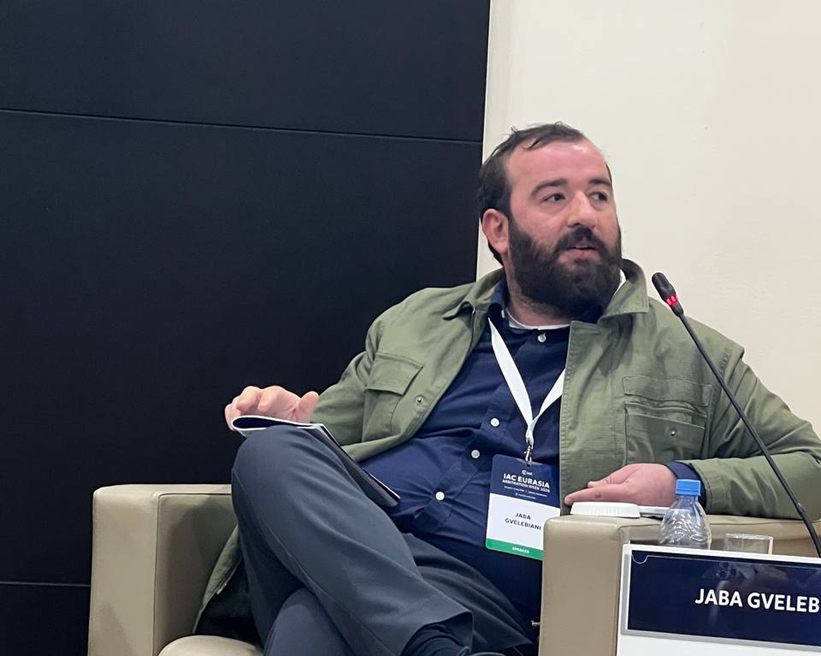
The session was moderated by Jaba Gvelebiani, Founding Partner, Gvelebiani Law, and consisted of esteemed panellists namely, Prof. Islambek Rustambekov, International Arbitrator & Mediator and Vice-Rector, Tashkent State University of Law; Davit Tabatadze, Head of Litigation, BLC Law Office and Chairman, Georgian Association of Arbitrators; Narmin Abdulova, Legal Counsel, Roxcel Holding GmbH; Bokhodir Dadaev, President, Central Asia Vis Alumni Association and Junior Lawyer, Ernst & Young; and Othmane Benlafkih, Associate, Boies Schiller Flexner LLP.
Kickstarting the session, Jaba Gvelebiani took a quick vote of hands from the audience to ascertain how many people had received formal ADR education in their graduate or master’s degree. Noting that many people did not receive such formal training, he underscored the importance of formal ADR education in law schools. Accordingly, he asked the panelist to share their experience in academia and teaching ADR in law schools, and the need for such training.
Institutionalising ADR education in Uzbekistan: Prof. Islambek Rustambekov
Agreeing with the need for ADR courses in law schools, Prof. Islambek Rustambekov, representing the Tashkent State University of Law, traced the systematic efforts undertaken by his institution since 2013 to integrate arbitration and mediation into legal education.
He explained that the university introduced dedicated arbitration courses, established LL.M. programmes in arbitration and mediation, and created the Tashkent Mediation Center. The Tashkent University continuously works on improving its lessons, involving more educators, engaging with practitioners, advocates, in-house counsels, and international experts, and promoting ADR in the country.
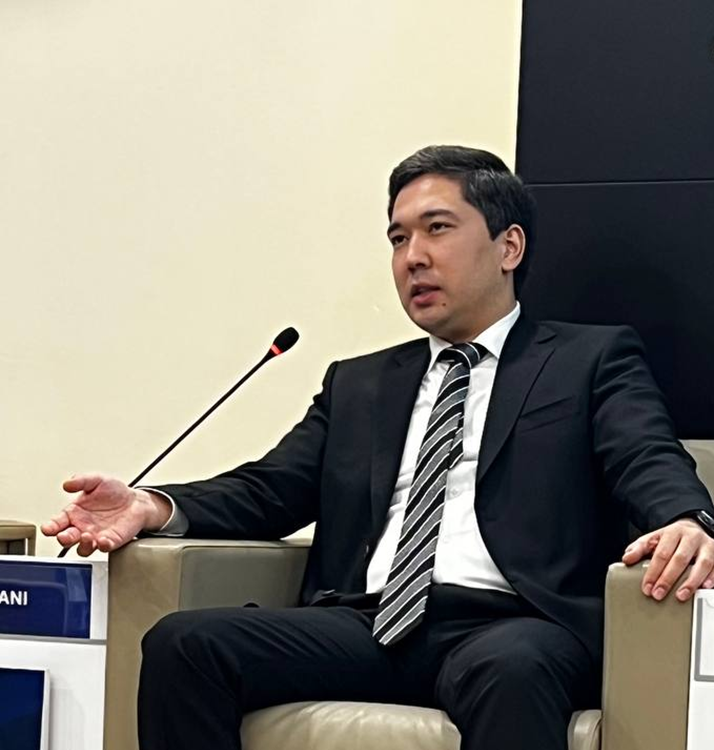
Reflecting upon the impact of these reforms, Prof. Islambek contrasted earlier generations of practitioners, who frequently approached arbitral proceedings using procedural habits developed in domestic litigation, with younger lawyers trained through ADR programmes. According to him, the new generation demonstrates greater familiarity with arbitral procedure, document management, evidentiary practice and procedural compliance.
Moot Court competitions as a recruitment platform for arbitration practitioners: Davit Tabatadze
Regarding the importance of moot courts, Davit Tabatadze remarked that his firm consistently recruits participants from the Tbilisi Pre-Moot or the Willem C. Vis International Commercial Arbitration Moot (Vis Moot), noting that several of Georgia’s best orators have subsequently joined the firm. He described moot competitions as an important marketplace where employers directly observe students’ abilities rather than relying solely on academic transcripts.
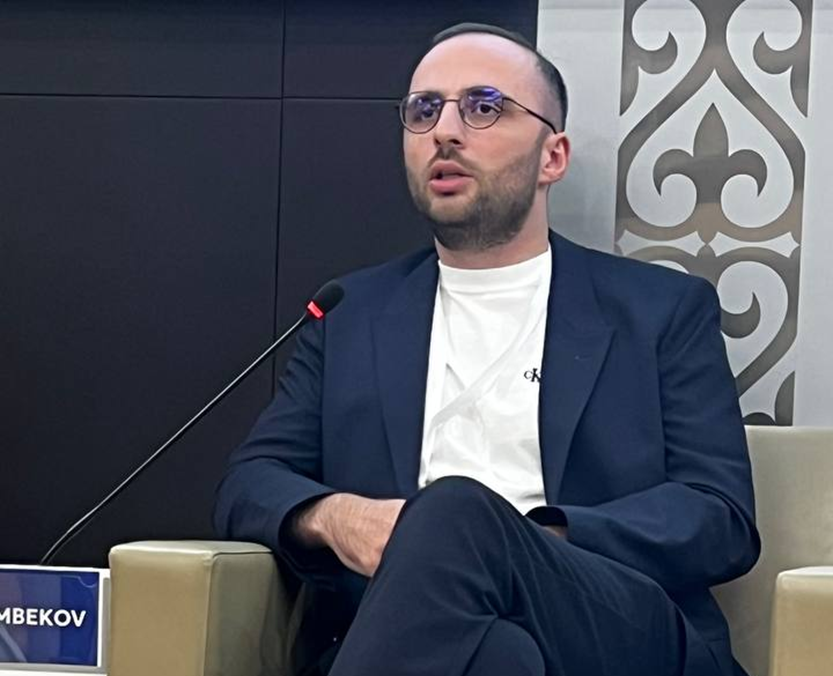
He observed that arbitration competitions such as the Vis Moot have become one of the most effective mechanisms for identifying talented young lawyers. Speaking from his experience as both an academic and employer, he explained that moot competitions enable students to demonstrate their personality, advocacy, legal research, drafting, teamwork and oral communication skills.
Practical programmes and creating networks: Narmin Abdulova
Speaking from the perspective of both arbitration practice and international legal education, Narmin Abdulova reflected on the educational value of moot court competitions.
Drawing comparisons between European and regional educational models, she noted that universities in jurisdictions such as Vienna often dedicate entire academic semesters to the Vis Moot preparation and recognise participation through academic credit. By contrast, many institutions in her country, Azerbaijan, continue to treat moot competitions as extracurricular activities despite their significant pedagogical value.
She observed that while doctrinal legal education equips students with theoretical knowledge, competitions such as the Vis Moot expose participants to practical realities and help them gain skills like legal research, advocacy, drafting, etc., and provide a platform for students to challenge themselves before professionals, arbitrators, senior academics, and the global ADR community.
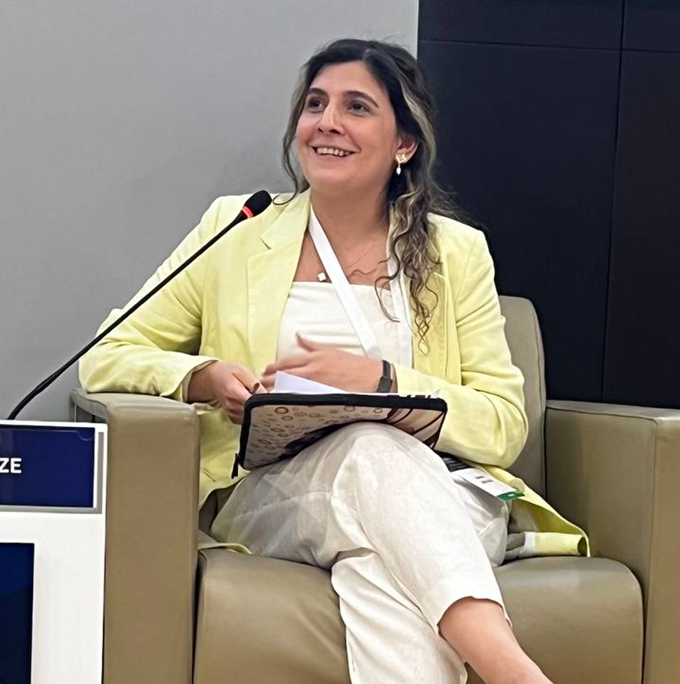
She encouraged universities to formally recognise experiential learning within academic curricula and advised students to actively build professional networks during international competitions, describing such interactions as equally valuable as the competition itself.
Regional collaboration for expanding ADR opportunities: Bokhodir Dadaev
From the Central Asian perspective, Bokhodir Dadaev outlined the Central Asia Vis Alumni Association’s (CAVAA) ongoing initiatives to strengthen arbitration education across Central Asia.
He described collaborative projects undertaken with the Commercial Law Development Program (CLDP), universities, arbitration institutions and international law firms, including regional summer schools, specialised webinars, and training programmes. They also had institutional partners in Uzbekistan and other Central Asian jurisdictions. He further mentioned building cross-border educational networks involving Central Asian jurisdictions, the Caucasus and South Asia by engaging with professors, college alums, and young legal professionals.
Bokhodir highlighted their upcoming programmes, such as the global Summer School on international commercial arbitration supported by CLDP and international law firms including White & Case, Dentons and Herbert Smith Freehills.
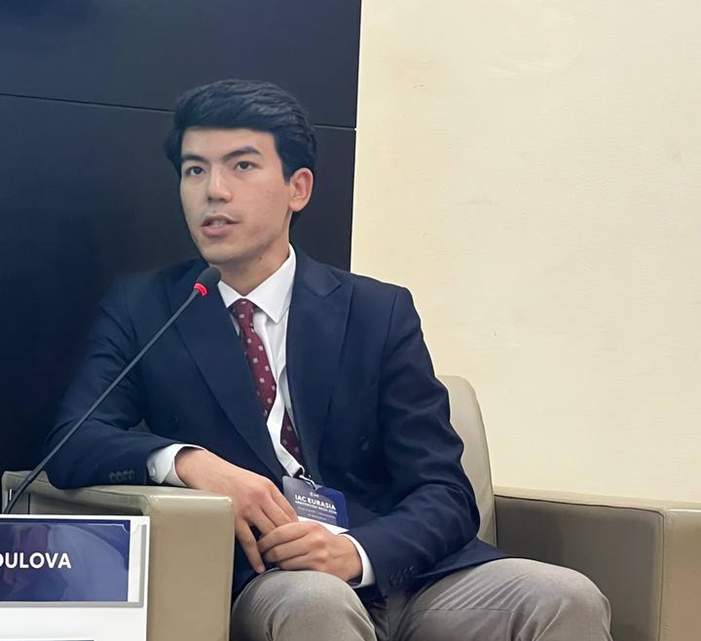
While acknowledging that securing sustainable funding remains one of the principal challenges facing educational initiatives, he stressed that stronger partnerships with institutional stakeholders and greater corporate engagement could significantly enhance opportunities for young practitioners throughout the region.
International arbitration recruitment: Othmane Benlafkih
Offering the perspective of international law firms, Othmane Benlafkih addressed the question of how graduates from emerging jurisdictions can successfully enter the international arbitration market.
He observed that international arbitration recruitment has become substantially more competitive owing to the growing popularity of the discipline. While internships remain essential for entering leading firms, employers increasingly seek candidates who possess strong legal foundations within their own jurisdictions alongside excellent language skills and international exposure.
He noted that firms frequently value candidates who bring expertise in their domestic legal systems rather than attempting to imitate educational profiles from Western jurisdictions. This comparative advantage allows young lawyers from emerging markets to contribute unique perspectives in cross-border disputes.
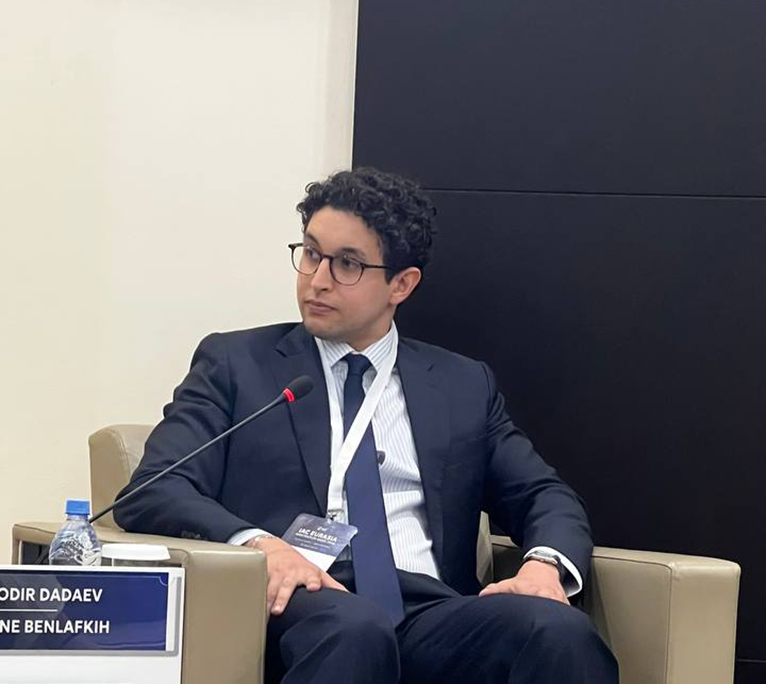
At the same time, he advised students not to become excessively focused on moot competitions, emphasising that employers expect candidates to demonstrate balanced academic achievement, practical experience and sustained intellectual development.
Funding, regional accessibility, and expanding ADR participation
Responding to questions regarding financial barriers to international moot participation, the panellists encouraged students to approach domestic law firms, government agencies, youth organisations, universities, and international development institutions for sponsorship. They emphasised that many employers recognise the professional value of such competitions and are willing to support deserving candidates.
In this regard, Zmarak Khan, Deputy Chief Counsel, Office of the General Counsel, US Department of Commerce, intervened and talked about how US government funds different programmes. He reflected on the changing priorities in international development assistance, particularly considering the review of U.S. foreign assistance undertaken by the Trump administration. He explained that funding decisions increasingly depended on two central considerations: whether a project advanced U.S. interests and whether there existed a willing local partner.
Drawing from his own experience, he observed that many otherwise promising initiatives had failed because the US Administration was more invested in the projects than the local institutions themselves. Illustrating this point, he contrasted the working culture of his own organisation, which follows a strict practice of responding to communications within 24 hours, however, some partner institutions that often take weeks to respond.
Turning to legal education, Zmarak noted that projects aimed solely at supporting universities had gradually become less attractive from a funding perspective because of their high costs. He explained that supporting a single university could require an investment of approximately USD 40,000—50,000, meaning that assisting ten universities across Central Asia could easily exceed half a million dollars. Given increasingly limited development budgets, purely academic projects were becoming harder to justify.
However, he emphasised that educational initiatives remain highly valuable when they are integrated into the broader ADR ecosystem. Rather than viewing legal education as an isolated endeavour focused only on awarding scholarships or conducting academic programmes, he suggested that universities should position themselves as institutions that actively contribute to strengthening national dispute resolution frameworks, which would seem more attractive to funders.
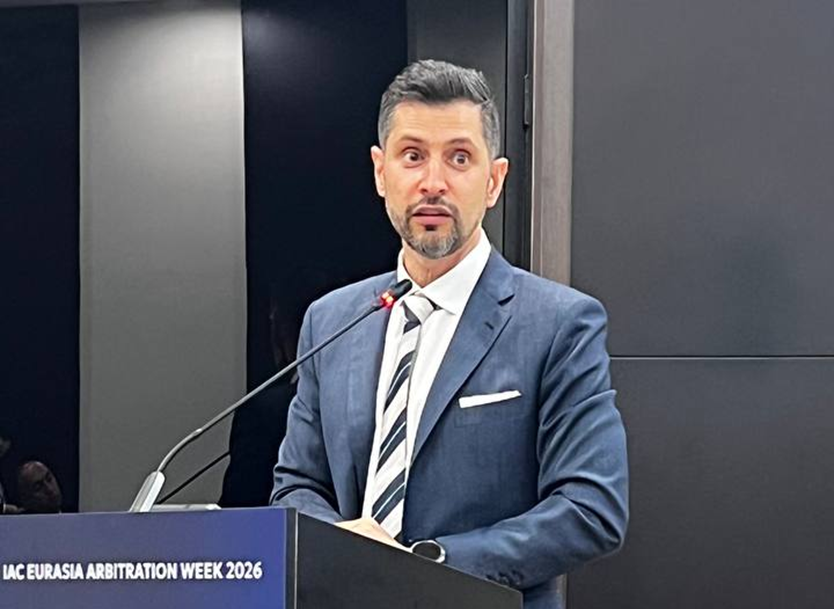
He also discussed how evolving political relationships have affected the feasibility of supporting legal reform projects in different jurisdictions. Georgia, for instance, has become a more challenging environment for cooperation because of strained governmental relations, making ecosystem-wide engagement increasingly difficult. Conversely, Azerbaijan and Armenia currently enjoy stronger international attention and support, creating greater opportunities for collaboration. He remarked that Uzbekistan was the “rising star” of Central Asia, noting that while Kazakhstan has long been regarded as the regional leader, Uzbekistan had become an increasingly attractive partner.
Concluding his remarks, Zmarak praised several regional partners, such as including Prof. Islambek and the IAC, for consistently demonstrating exceptional commitment, responsiveness, and generosity.
The panel also discussed the need to extend practical ADR education beyond capital cities by organising domestic moot court competitions and regional training programmes to ensure broader access for students from diverse educational backgrounds.
The panel concluded that the future of ADR education depends upon integrating practical training into mainstream legal curricula through clinics, moot competitions, internships and interdisciplinary learning. While financial constraints and institutional capacity remain challenges across many jurisdictions, the discussions demonstrated that sustained collaboration among universities, arbitration institutions, law firms and international organisations can create an educational ecosystem capable of producing globally competitive dispute resolution practitioners.
The session ultimately reinforced that experiential learning is no longer supplementary to legal education but an essential component of preparing lawyers for modern international dispute resolution.
Read IAC Eurasia Arbitration Week reports HERE.