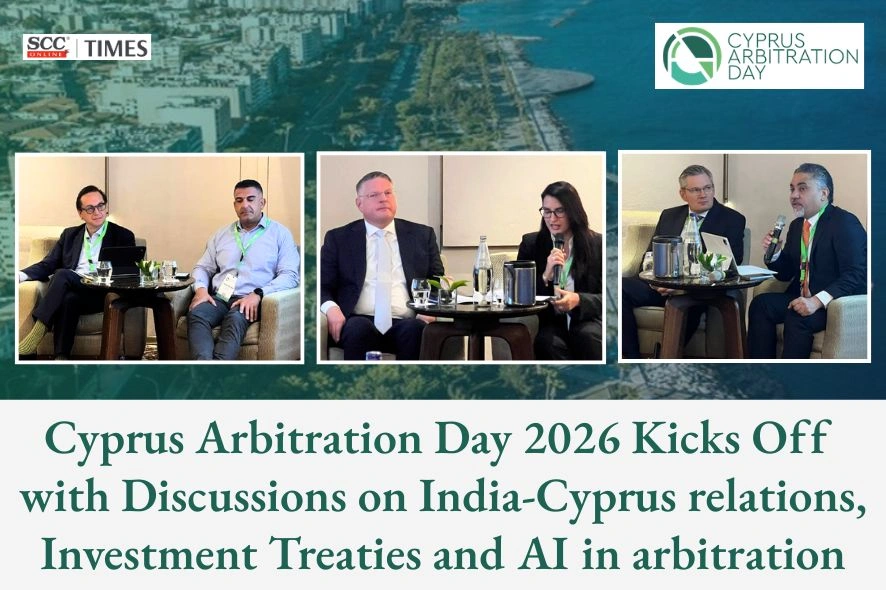
The much-awaited 4th Edition of the Cyprus Arbitration Days began on 14 May 2026. The Cyprus Arbitration Day 2026 will bring together leading practitioners, arbitrators, academics, and policymakers from across jurisdictions to discuss the international arbitration landscape, fostering dialogue on evolving legal, procedural, and institutional aspects of dispute resolution.
Hosted in Cyprus, the conference benefits from the jurisdiction’s strategic positioning at the intersection of Europe, Asia, and the Middle East. This geographical advantage, coupled with a modern legal framework aligned with international arbitration standards, has contributed to Cyprus’ growing prominence as a venue for cross-border dispute resolution.
On the eve of the event, the Vienna International Arbitral Centre hosted two panels discussing India-related disputes in Europe:
PANEL 1: Resolution of Disputes about Investments to and from India
Moderated by Dr. Mahmood Hussain, Founding Partner, M & Co, UAE, this panel consisted of esteemed speakers, namely, Mr. Roman Khodykin, Partner, Bryan Cave, UAE; and Ms. Purnima Kambalay, Senior Partner, Fox Mandal, Hyderabad.
At the outset, Dr. Mahmood Hussain set the stage by mentioning the renegotiation of India’s tax treaty, the termination of many Indian Bilateral Investment Treaties (BITs), and how the introduction of the 2016 Model BIT had reshaped the landscape. Thereafter, he introduced the panellists and kick-started the discussion.
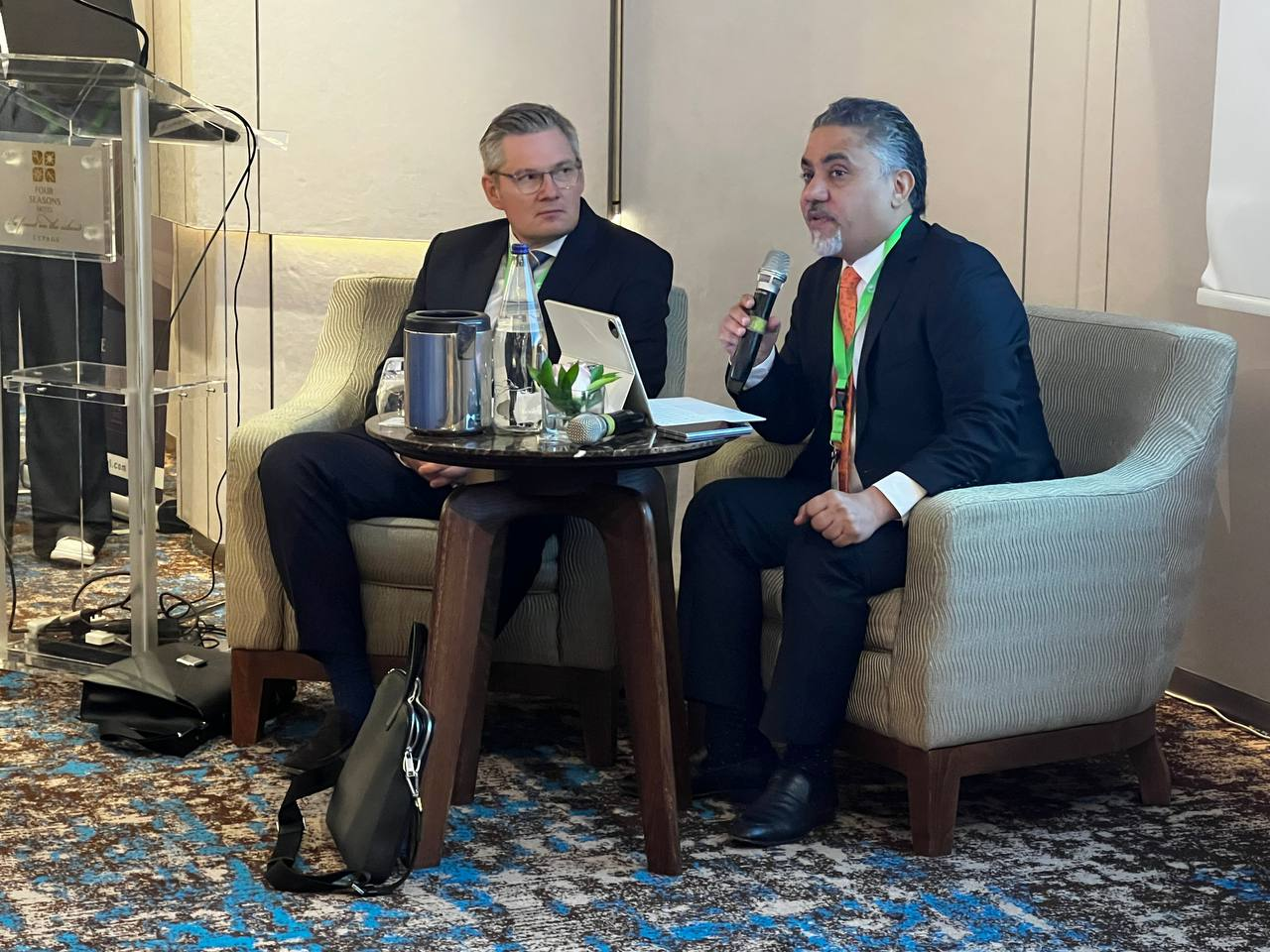
On the question of whether a Cypriot company would benefit from BIT protection if it were to invest in India, Mr. Roman Khodykin answered in the negative, stating that India and Cyprus had signed a BIT in 2002, but it was terminated in 2017; thus, presently, there is no active BIT. However, he stated that a Cypriot company could structure the investment in a way that allows it to be protected under the BIT. For example, a Cypriot company could establish a subsidiary in the UAE, and that subsidiary can invest in India and become a claimant in the India-UAE BIT, allowing it to rely on the investment protection mechanism in the BIT.
He further added that India was, for a long time, a capital-importing country until it started signing investment operation agreements, starting with a BIT with the UK in 1994. This allowed investors to invest in India, rely on their protection, and sue India if needed. Now, the situation was evolving as Indian companies were becoming wealthy and operating in the global market. Thus, India is investing capital abroad, and Indian investors have started suing foreign countries.
Mr. Khodykin also spoke about how signing a BIT with India would help Cyprus in reinventing its role for an India-facing market. He mentioned how BITs had evolved, and States were putting a lot of preconditions to commence a claim. This reflected the changed mindset of States that anticipated fair play in the form of assurance by the investor that they would properly invest in their country, thus making counterclaims common. Accordingly, he suggested that if Cyprus wanted to invite investments, given the uncertainty with intra-EU enforcement, Cyprus probably should focus on signing BITs outside of the EU, which can potentially invest in Cyprus.
Adding to the discussion, Mr. Stavros Pavlou, Executive Chairman, Patrikios Legal, Limassol, and Cyprus Arbitration Day Co-Chair, clarified that the termination of the India-Cyprus BIT was not directed only towards Cyprus, but rather a result of India’s restructuring of all its treaties. He added that India and Cyprus had a favourable tax regime between them due to a recently renewed double taxation treaty.
Thereafter, speaking virtually, Ms. Purnima Kambalay gave practical insights regarding India-centric international disputes and India as an arbitration seat.
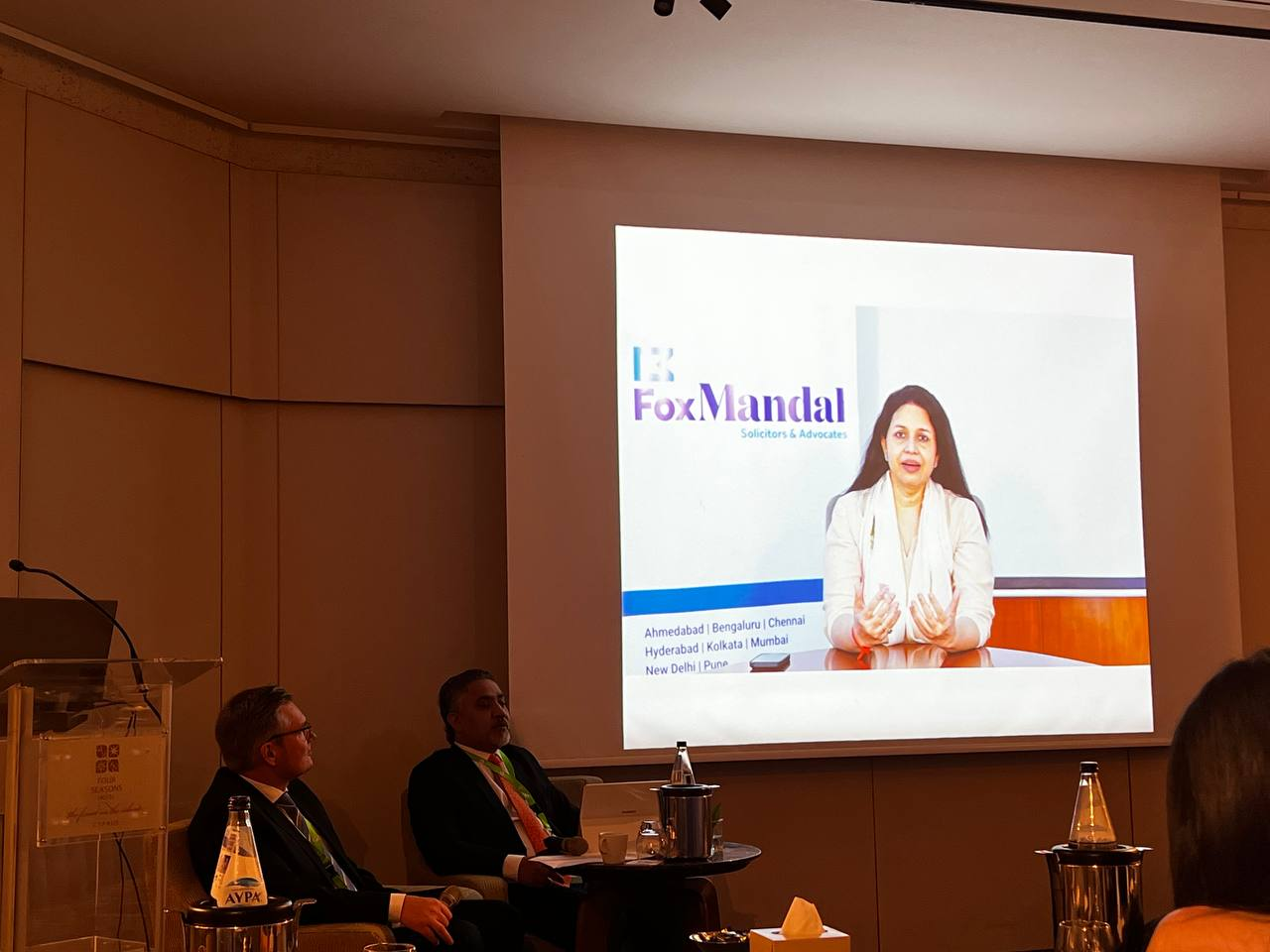
Regarding India-centric disputes, she stated that London and Singapore were two favourite seats for international arbitration due to costs, neutrality, ease of functioning, and the existing structure. She underlined that India had largely been focused on ad-hoc arbitration, and institutional arbitration was yet to catch pace with the other international seats. However, the tide was shifting as India was moving towards institutional arbitrations, and multiple institutions have come up, like the Mumbai Centre For International Arbitration (MCIA), International Arbitration and Mediation Center (IAMC), etc., which were providing ease of functioning, services at par with international practices, detailed rules, and more.
Ms. Kambalay added that the Indian legislature and the judiciary were recognizing the issues in the existing arbitration mechanism, which did not allow the rise of an important seat. In fact, the judiciary was trying to support arbitration in India by reducing interference, clarifying public policy, streamlining the essence of arbitration in India, incorporating international best practices, supporting institutional arbitration, etc. Similarly, the legislature was amending India’s Arbitration and Conciliation Act, 1996, to align it with international practices.
She also highlighted how India had a strong pool of young arbitrators, good lawyers, and great infrastructure to service these arbitrators and their clients. Young lawyers were being trained with moot processes and taught that arbitration was not only an extension of the existing laws, like the Civil Procedure Code, 1908, but also a unique tool to find solutions and give a cost-effective and expeditious solution.
“India is very well positioned with good lawyers, good arbitrators, infrastructure, the structure is slowly coming in place, driven by a very strong-willed judiciary, and the systems that are being set up in the Act.”
Lastly, she urged the audience to start considering India as a seat of arbitration even in foreign disputes and remarked that, “India is very well placed now, more than ever, to be a game changer in how cost-effective, expeditious arbitration can be done.”
The panel went on to discuss India’s use of investment treaty protections, procedural and evidentiary issues in state-investor disputes, the limited power of the court to modify arbitral awards, third-party funding, Cyprus as a seat of arbitration, arbitration institutes, and more.
The session was interactive and insightful as the audience interacted with the panel, facilitating the discourse.
PANEL 2: International Arbitration at VIAC
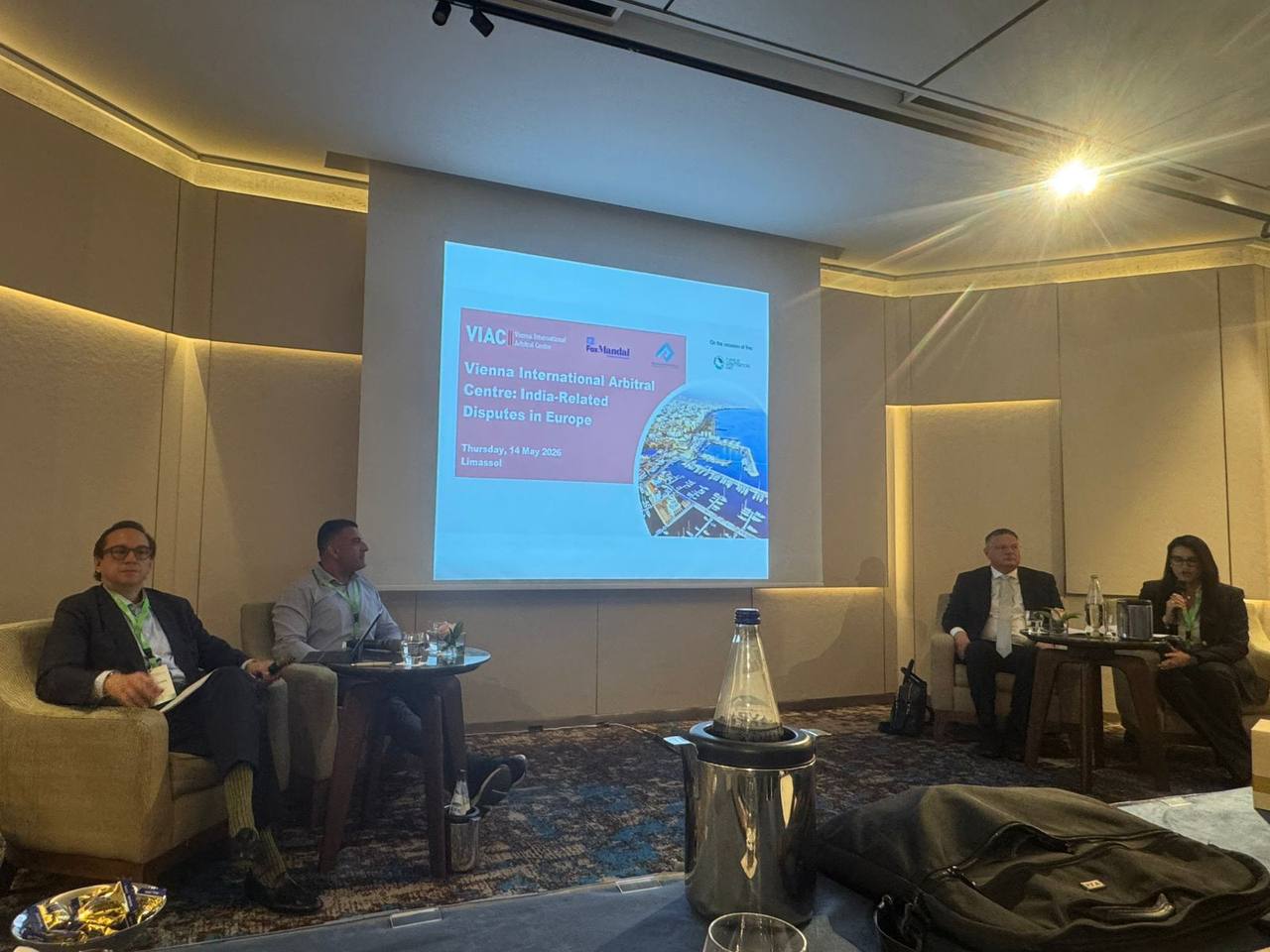
The second panel discussion focused on the growing relevance of the Vienna International Arbitral Centre (VIAC) in cross-border disputes involving Europe, Asia, and emerging investment corridors. Moderated by Ms. Tzabarit Kim-Ezra, the panel featured Mr. Franz Schwarz, President, VIAC; Prof. Dr. Alexander Petsche, Managing Partner, Baker McKenzie Vienna; and Mr. Agis Georgiades, Partner & Head of International Disputes, CGA, Nicosia. The discussion examined VIAC’s positioning as a regional arbitral institution, the impact of investment flows through Cyprus, and the increasing role of AI in arbitration.
Vienna as a Regional Arbitration Hub
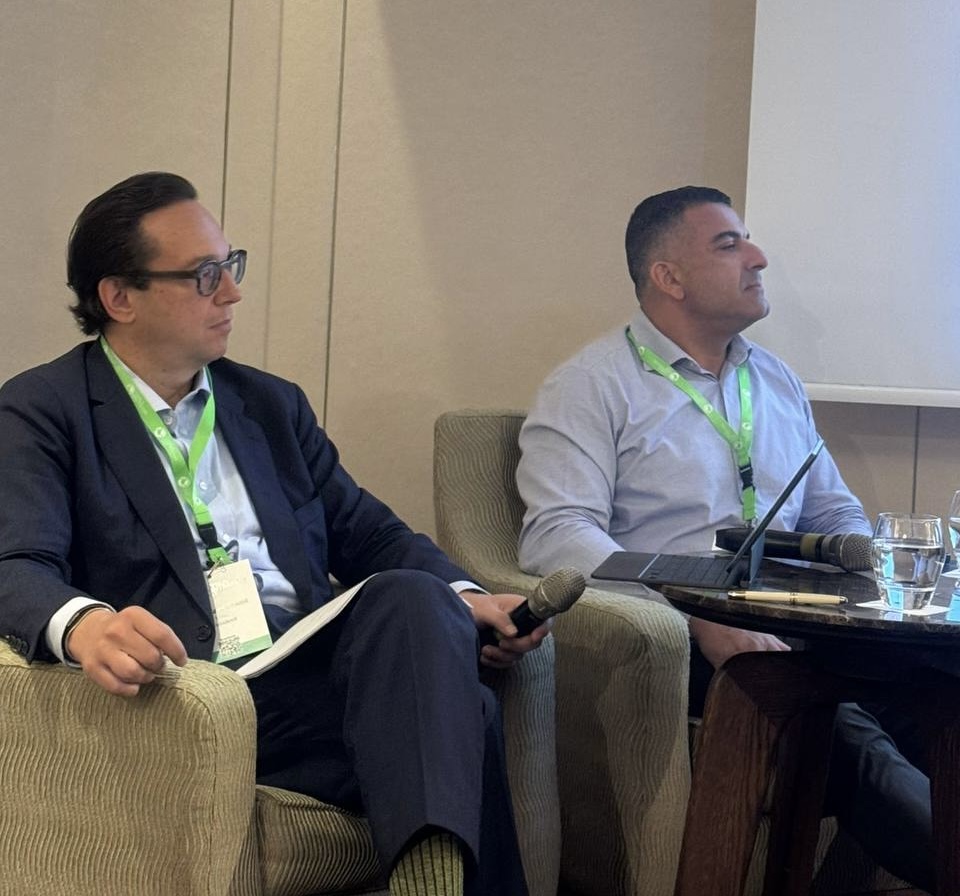
Opening the discussion, Mr. Franz Schwarz explained why Vienna continues to emerge as a preferred arbitral seat for disputes connected to Central and Eastern Europe. He highlighted Vienna’s historic role as a gateway between East and West, the efficiency of Austrian courts, and reforms concentrating arbitration-related matters before the Austrian Supreme Court. He noted that VIAC combines flexibility, speed, and comparatively lower costs while maintaining regional expertise.
He observed:
“We are very proud to say that we have an average time between the constitution of tribunal and the issuance of the award of about a year.”
Investment Arbitration and Emerging Markets
Discussing the Vienna Investment Arbitration Rules, Mr. Schwarz stated that the framework was designed to provide a more efficient and cost-effective alternative for investor-state disputes, while also accommodating disputes involving state entities and public-private partnerships. He pointed out that VIAC was witnessing growing interest from governments and commercial actors, particularly in relation to reconstruction and infrastructure disputes.
“We thought as an institution, we want to throw our hat into the ring and offer an alternative that’s perhaps more nimble, cheaper, and more efficient.”
Cyprus as a Gateway for Indian Investments
From the Cyprus perspective, Mr. Agis Georgiades discussed the growing use of Cypriot structures for investments flowing between India and Europe. While noting that the trend was still developing, he anticipated a significant rise in India-related disputes in the coming years due to the increasing use of Cypriot entities in cross-border commercial arrangements.
He stated:
“I expect that in the next couple of years, there will be a significant increase of India-related disputes coming to Cyprus.”
Cost Efficiency and Procedural Culture at VIAC
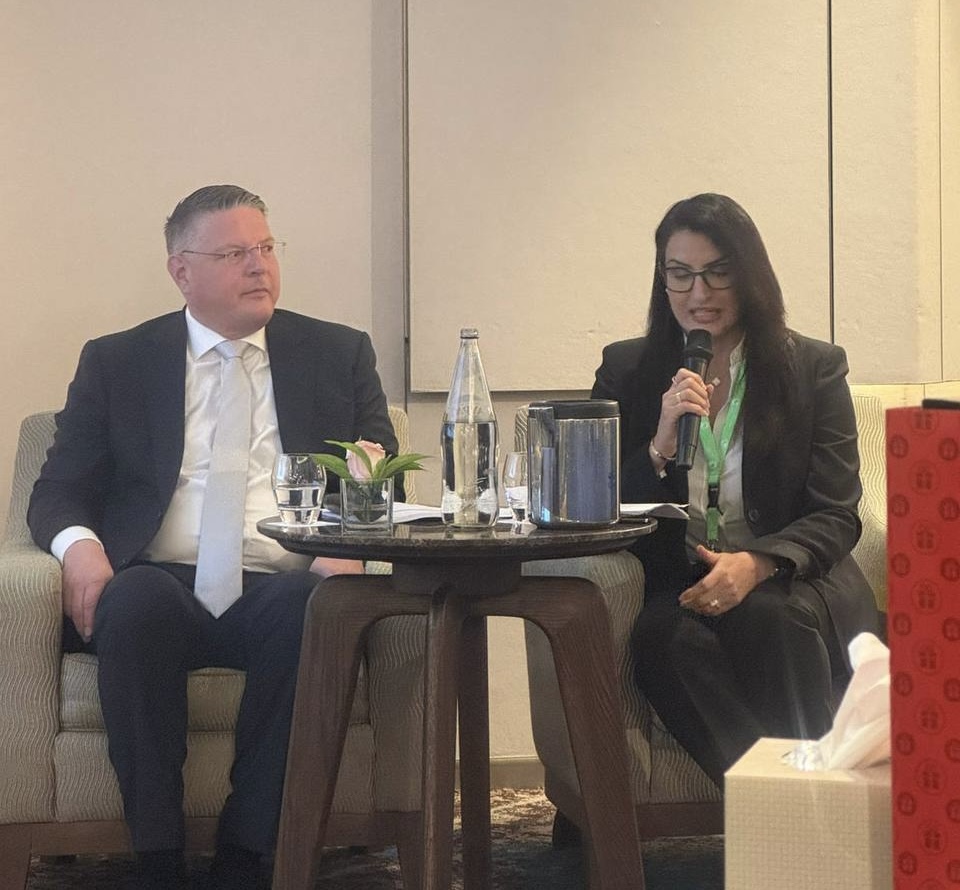
Prof. Dr. Alexander Petsche addressed the issue of costs and procedural efficiency in arbitration, observing that the real cost of disputes often lies not in institutional fees but in the conduct of proceedings themselves. He explained that VIAC’s culture emphasises efficiency, streamlined submissions, and practical case management, resulting in quicker timelines and reduced overall costs.
AI, Transparency and Human Oversight in Arbitration
The panel also engaged extensively with the growing use of AI in arbitration proceedings, exploring concerns surrounding confidentiality, transparency, delegation of functions, and enforceability of awards drafted with AI assistance. Prof. Dr. Petsche referred to VIAC’s recent guidance note on AI, emphasising that while technology can improve efficiency, it cannot replace human decision-making or procedural responsibility. He cautioned that it is a matter of transparency.
Mr. Schwarz added that while AI may become useful in technical or lower-value disputes, complex and fact-intensive arbitrations still require human judgment and evaluation of witness credibility.
Concluding Reflections
In the concluding segment, the panel reflected on how arbitration institutions must adapt to shifting global capital flows while remaining grounded in trust, neutrality, and efficiency. The speakers highlighted that disputes inevitably follow business and investment activity, making institutions like VIAC increasingly relevant in disputes involving Central Europe, Asia, and emerging reconstruction markets. The session concluded with a consensus that while technology and geopolitical realities are reshaping arbitration practice, institutional credibility and user confidence remain central to the future of international arbitration.
Thus, the inaugural day of the Cyprus Arbitration Day 2026 concluded with great conversations, detailed insights, erudite inputs from the audience, and fruitful discourse.
1. Sonali Ahuja, Author
2. Soumya Yadav, Author