








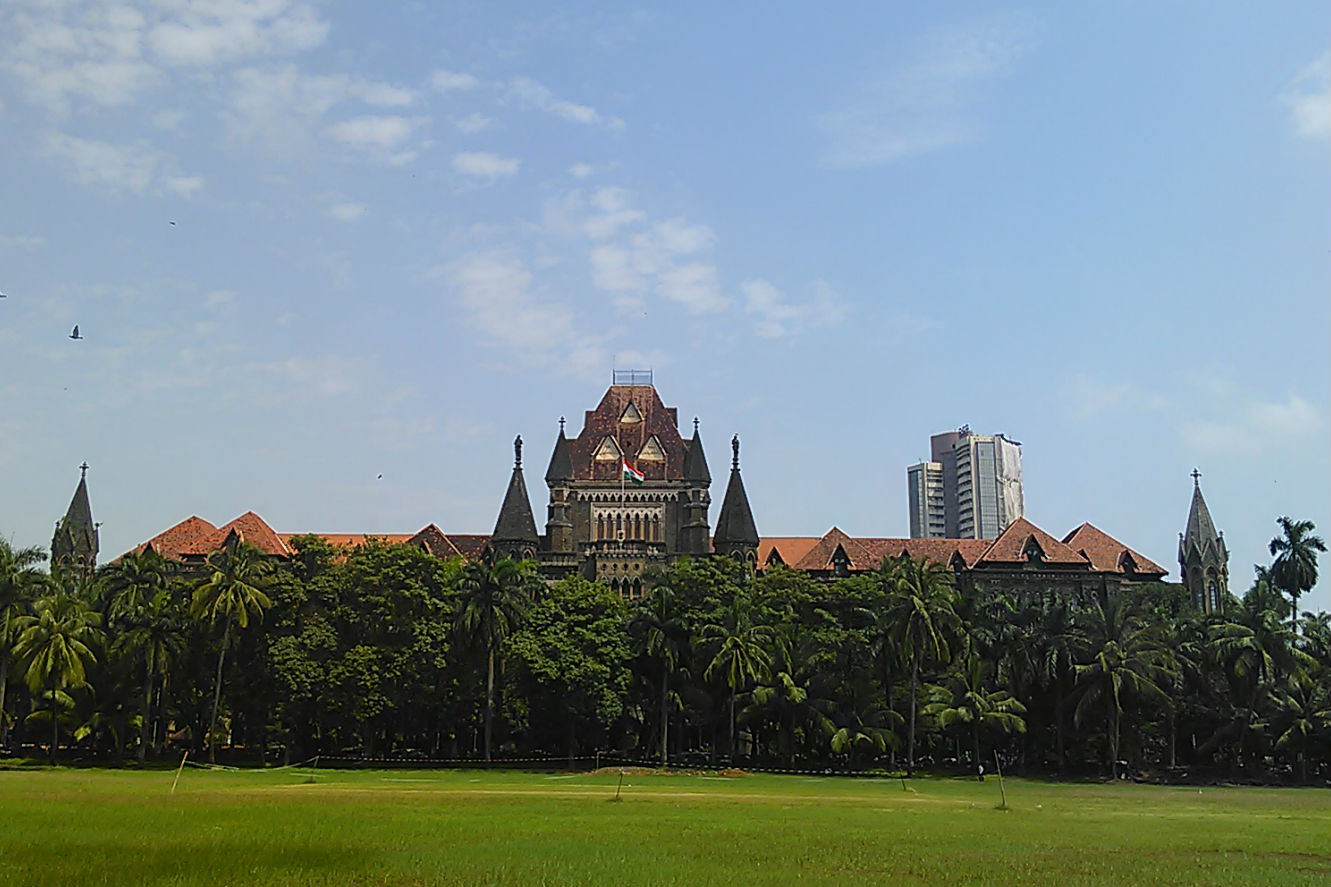
Bombay High Court: The State of Maharashtra filed an appeal against the order of a trial Judge who refused to frame charges against the respondent under Section 20 of the Unlawful Activities (Prevention) Act, 1967. The appeal, heard by a Division Bench comprising of Ranjit More and Sadhana Jadhav, JJ. was dismissed and the decision of the trial court was upheld.
Section 20 of the aforementioned Act provides for punishment for being a member of a terrorist gang or a terrorist organization. Section 2 defines both the terms as: S. 2 (l) “terrorist gang” means any association, other than terrorist organisation, whether systematic or otherwise, which is concerned with, or involved in, terrorist act; and S. 2 (m) “terrorist organisation” means an organization listed in the Schedule or an organisation operating under the same name as an organisation so listed;”.
The National Investigation Agency (NIA) had been contending since the inception of the case that the respondent was a member of a terrorist organization, Islamic State of Iraq and Levant (ISIL). Since ISIL was included in the Schedule mentioned in Section 2 (m) only after the FIR had been lodged against the respondent, he could not be considered to be a member of an organization. The Agency then shifted their stand to referring to the respondent as being a member of a terrorist gang in support of which, there was no material. Since the two terms have been defined separately and cannot be used in an inter-changeable manner, the Court held that no charge could be framed against the accused and that the NIA was merely shifting its stand. [State of Maharashtra v. Areeb Ejaj Majeed, Criminal Appeal no. 369 of 2017, decided on 09.08.2017]









0 replies