








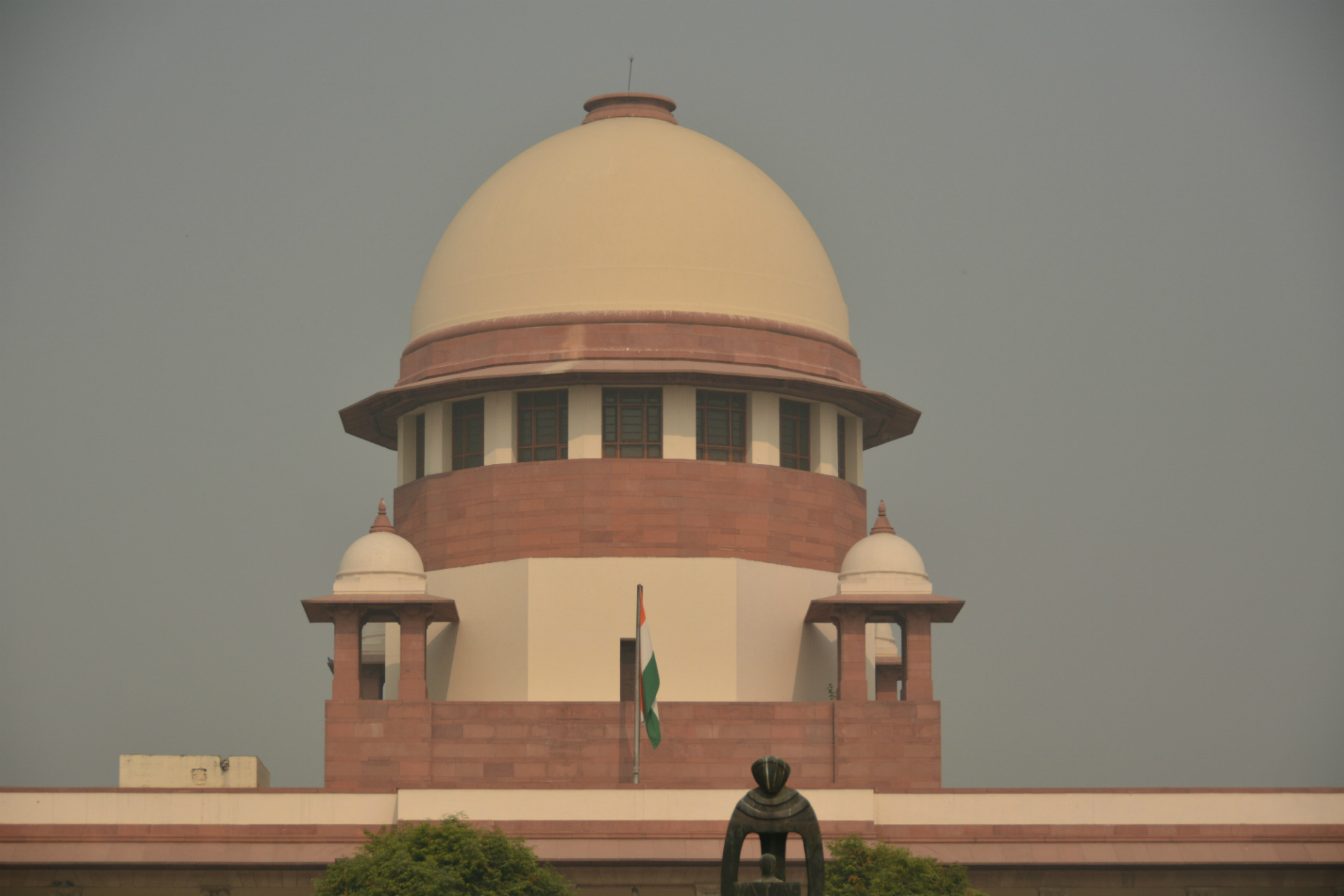
Supreme Court: Dealing with an important question as to whether the process of appointment of a principal in minority institution is open to judicial review, the bench of A.K. Goel and U.U. Lalit, JJ, held that while under the constitutional scheme, a “minority institution” is free to select and appoint a principal, without being bound by the principle of seniority alone, whether the appointment has been made fairly and reasonably and whether there is violation of right of an individual eligible candidate by the minority institution by not adopting fair procedure, is liable to be tested in exercise of power of judicial review under Article 226 of the Constitution.
In the present case, where a person junior to the appellant, who was appointed as Incharge-Principal, in the absence of regular principal, was appointed to the post of principal of a minority institution, the Court said that the minority institution may not be compelled to go by seniority alone but it must follow a criterion which is rational.
Stating that the grievance of a citizen that he was treated unfairly cannot be ignored on the ground that a minority institution has autonomy or right of choice, the Court said that the exercise of right of choice has to be fair, non-discriminatory and rational. The Autonomy of a minority institution does not dispense with the requirement to act fairly and in a transparent manner and the High Court in exercise of its power of judicial review is entitled to examine fairness of selection process. [Ivy C. da. Conceicao v. State of Goa, 2012 SCC OnLine Bom 1040 , decided on 31.01.2017]









Nice thought