Skip to content
Latest Updates
TOP LEGAL DEVELOPMENTS THIS WEEK [16-22nd Nov, 2026] | Bilkis Bano Case; ICJ Rohingya Genocide Judgment; Bakhra-Beas Power Dispute; and more Institutional trust, professional competence, and responsible innovation are key to future of mediation: ICA—RICS Conclave 2026 begins with an illuminating opening ceremony ESI wage ceiling fixed at ₹21,000 under Social Security Code; ₹25,000 limit retained for persons with disabilities Child’s right to know biological father outweighs privacy claim; Delhi HC upholds direction for DNA test despite mother’s failure to prove marriage ICA–RICS Conclave 2026: Experts examine AI’s role in mediation, professional responsibility and the limits of technology European Court of Human Rights bars Romanian lawyer for two years over AI-generated errors in legal submissions

Invocation of “Pay For If Not Taken” or “Annual Take or Pay” liability clause by GAIL is not abuse of its dominant position

By
Content reader

Listen to this article

Ready to read this article aloud.
Invocation of “Pay For If Not Taken” or “Annual Take or Pay” liability clause by GAIL is not abuse of its dominant position

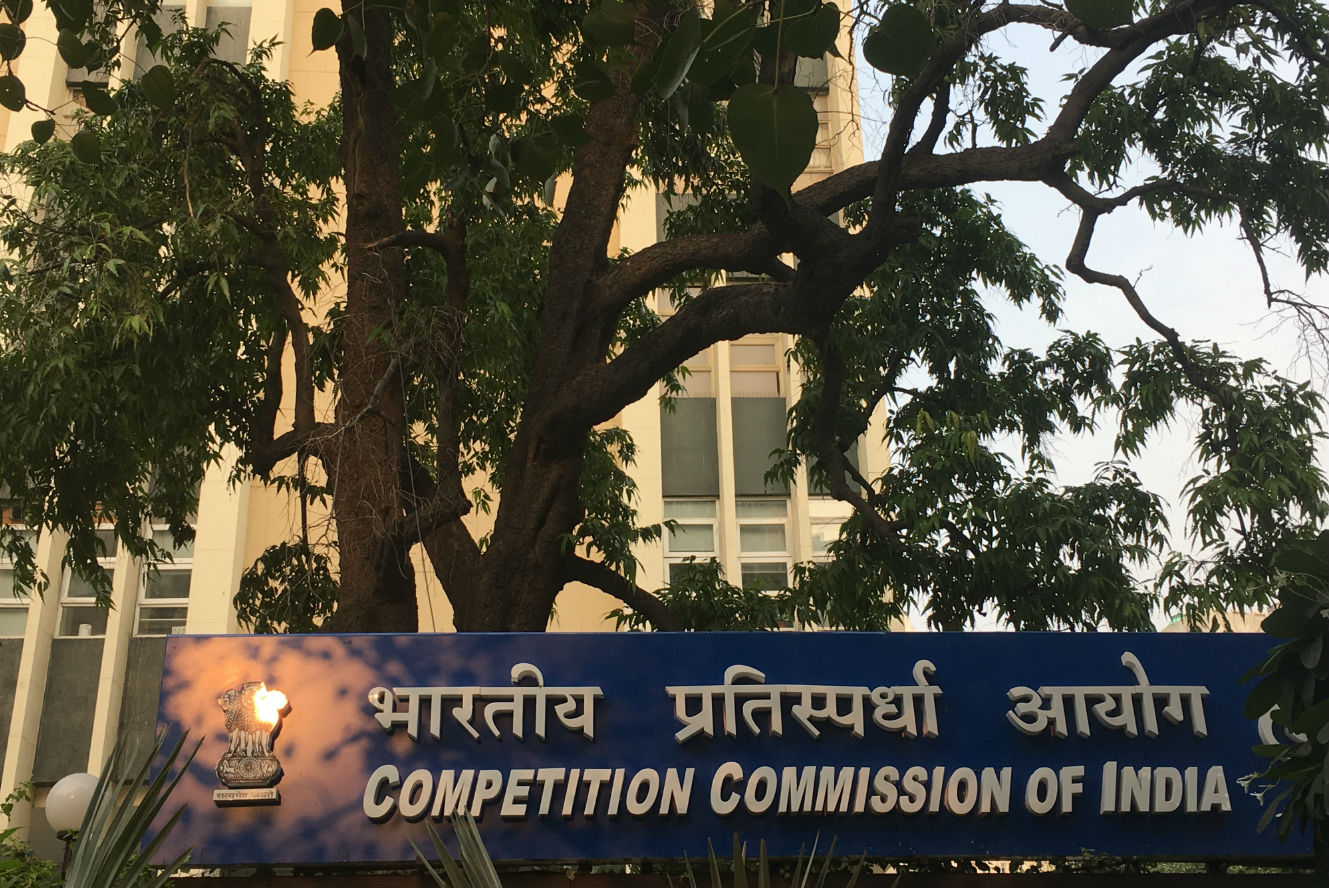
Competition Commission of India: The fair play watchdog has closed two cases against GAIL (India) Ltd. for abuse of dominant position. The Commission received information from the informant companies that GAIL imposed arbitrary and one-sided conditions on its consumers through the Gas Supply Agreement (GSA).  It was alleged that by way of these conditions GAIL is trying to force the Informants to purchase a specified quantity of natural gas from it each year for a period of twenty years, failing which GAIL is raising arbitrary demand for shortfall by way of off-take under the ‘Pay For If Not Taken’ /‘take or pay’ clause introduced in the GSA.

The Commission referring its own decisions in Faridabad Industries Association (FIA) v. Adani Gas Limited  and Saint Gobain Glass India Limited v.  Gujarat Gas Company Limited examined that relevant product market of natural gas (a distinct and distinguishable source from other sources of energy in terms of product’s characteristics) can be divided into two relevant markets based on the nature of use by consumers i.e. domestic consumers and industrial consumers. With respect to relevant geographical market, the Commission opined that the Petroleum and Natural Gas Regulatory Board (PNGRB) regulates the gas energy supply and distribution on City/State basis and not India as whole.  Therefore, from the point of view of plausibility of intake and supply of the natural gas a city or region will the relevant geographical market. The Commission viewed that the relevant market in the present case would be market for ‘supply and distribution of natural gas (RLNG) to industrial consumers in Vadodara.’ In this relevant market GAIL is enjoying dominant position.

The Commission considering the material on record found that liability of the informants was substantially reduced by GAIL when they showed inability to take supply of minimum prescribed gas, which shows that the behaviour of GAIL was rational and not arbitrary. It observed that the GSAs, when they were entered into appears to have been entered into after thorough negotiations and discussions. The Commission ruled that safeguarding commercial interest or invoking contractual clauses, which are not unfair per se, cannot be termed as unfair just because they are invoked by one of the parties to the contract.  Gujarat Industries Power Company Limited v.  Gail (India) Limited, decided on 08/09/2015
WhatsApp LinkedIn

0 replies

Leave a Reply

Your email address will not be published. Required fields are marked *.

This site uses Akismet to reduce spam. Learn how your comment data is processed.