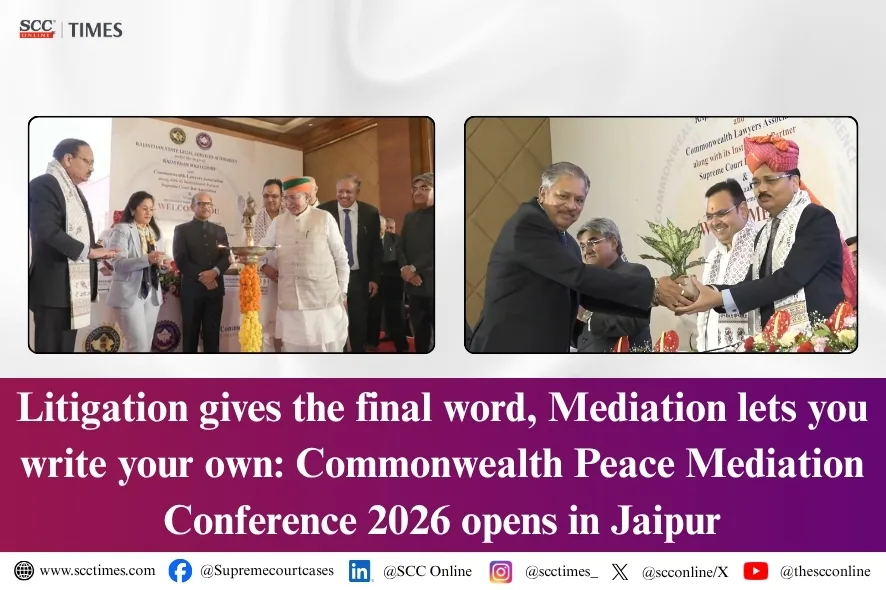
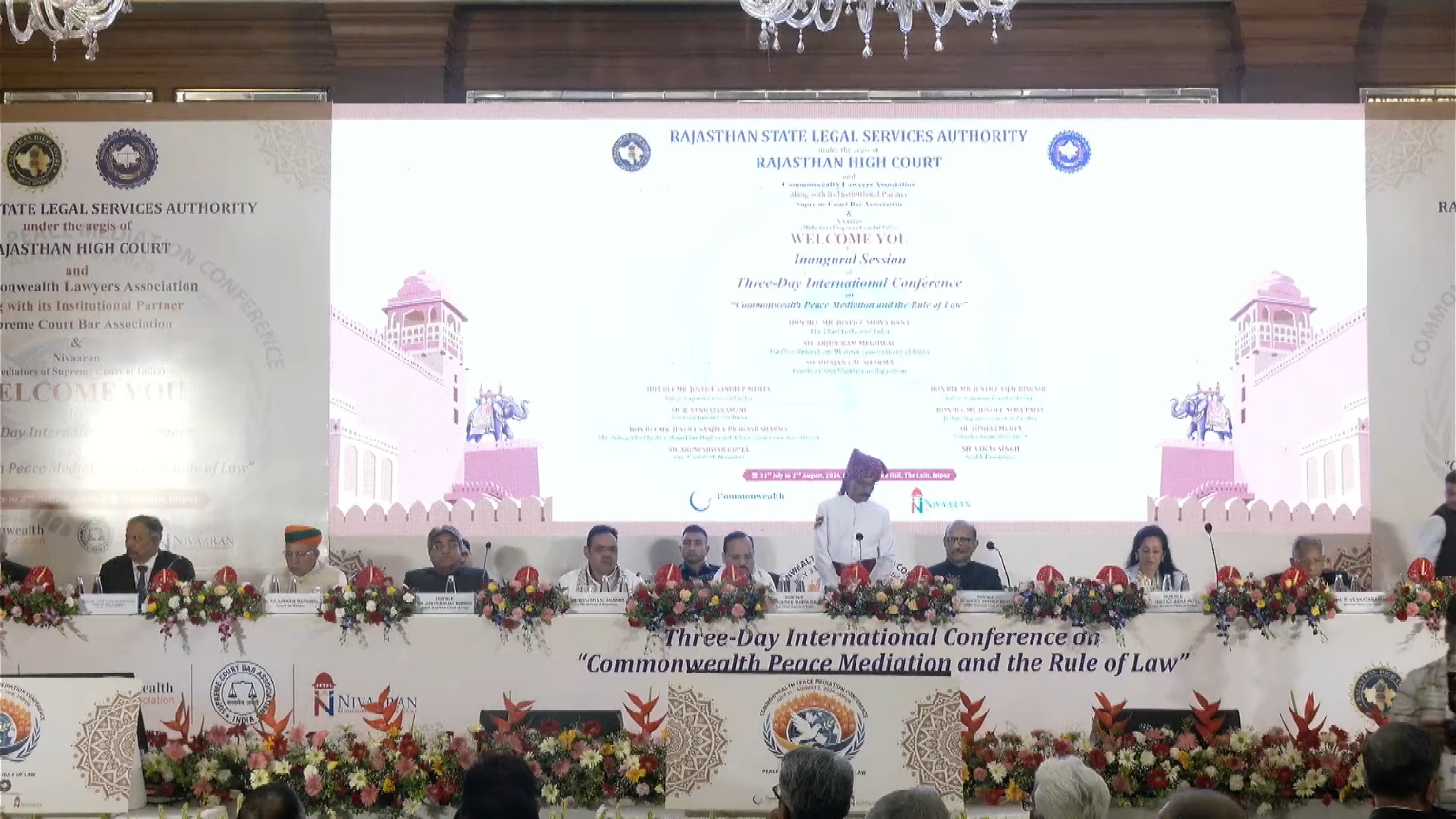
The Rajasthan State Legal Services Authority (RSLSA), under the aegis of the Rajasthan High Court, and Commonwealth Lawyers Association (CLA), in collaboration with the Supreme Court Bar Association (SCBA) and Nivaaran (Mediators of the Supreme Court of India) as institutional partners, is organising a three-day International Conference on “Commonwealth, Peace, Mediation and the Rule of Law” from 31 July to 2 August 2026 at Jaipur. The conference brings together judges from the Supreme Court of India, the Rajasthan High Court and Commonwealth jurisdictions, senior law officers, members of the Bar, policymakers and mediation experts to deliberate on mediation, peace-building and the rule of law within the Commonwealth legal framework.
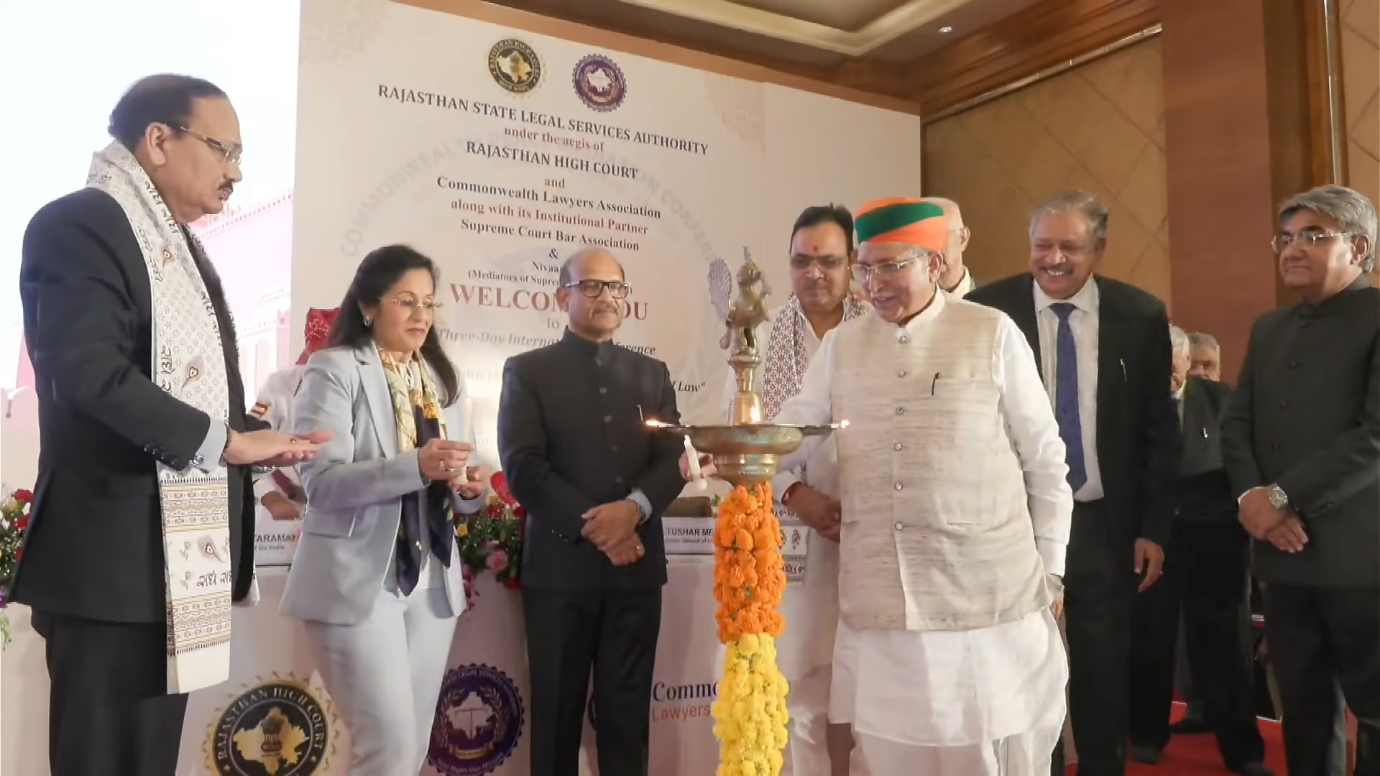
The conference commenced with an inaugural session attended by Chief Justice of India Surya Kant as the Chief Guest, alongside
-
Arjun Ram Meghwal, Minister of State for Law and Justice,
-
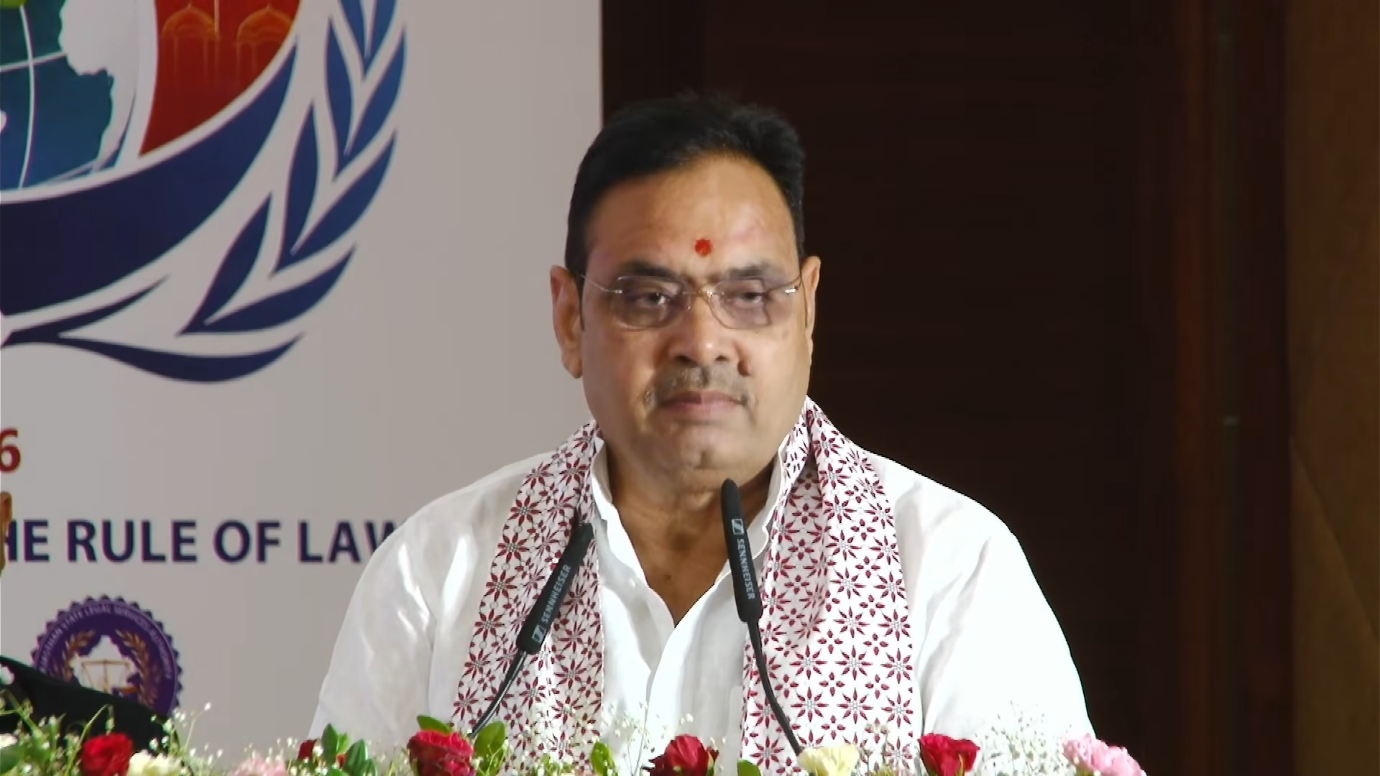
Bhajan Lal Sharma, Chief Minister of Rajasthan,
-
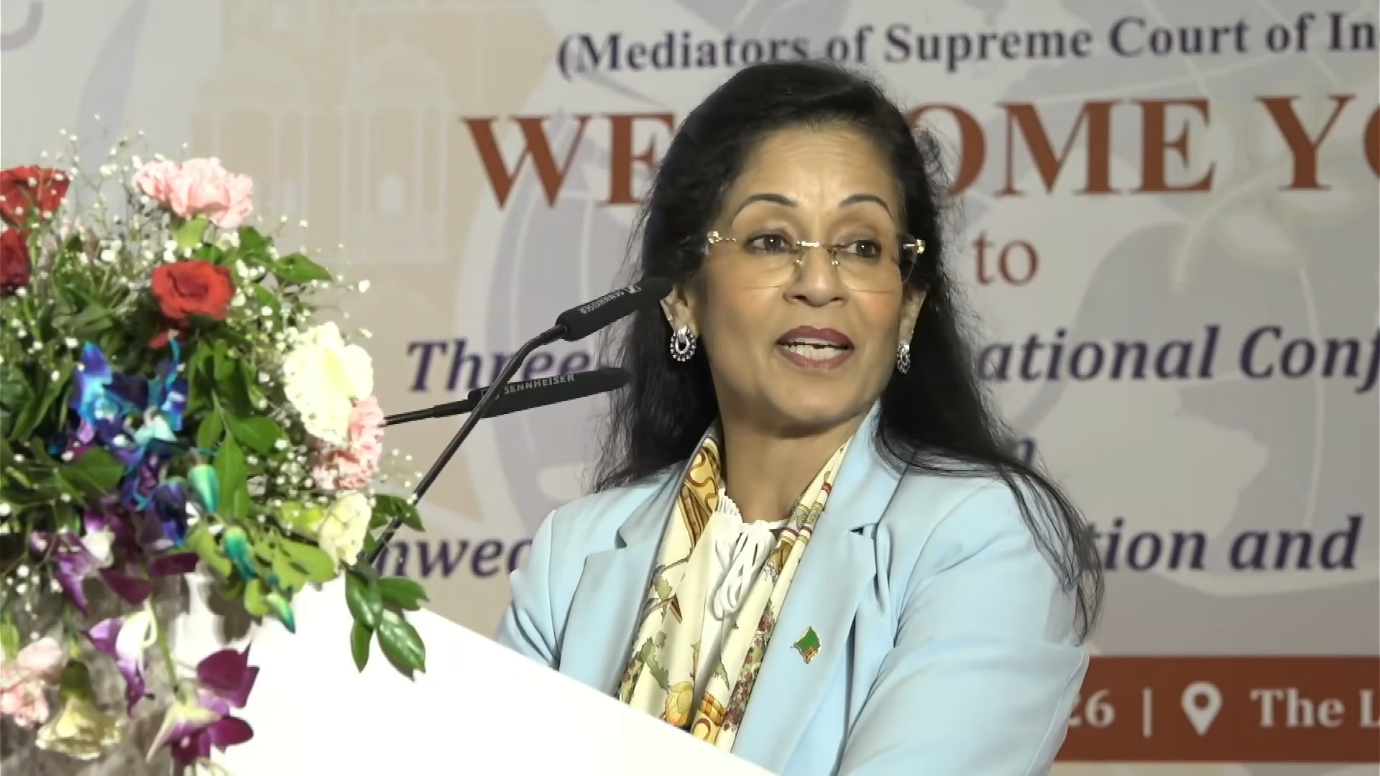
Justice Abha Navar Patel, Supreme Court of Zambia,
-
R. Venkataramani, Attorney General for India,
-
Tushar Mehta, Solicitor General of India,
-
Vikas Singh, SCBA President,
-
Justice Sanjeev Prakash Sharma, Acting Chief Justice of the Rajasthan High Court, and other distinguished members of the judiciary and legal fraternity.
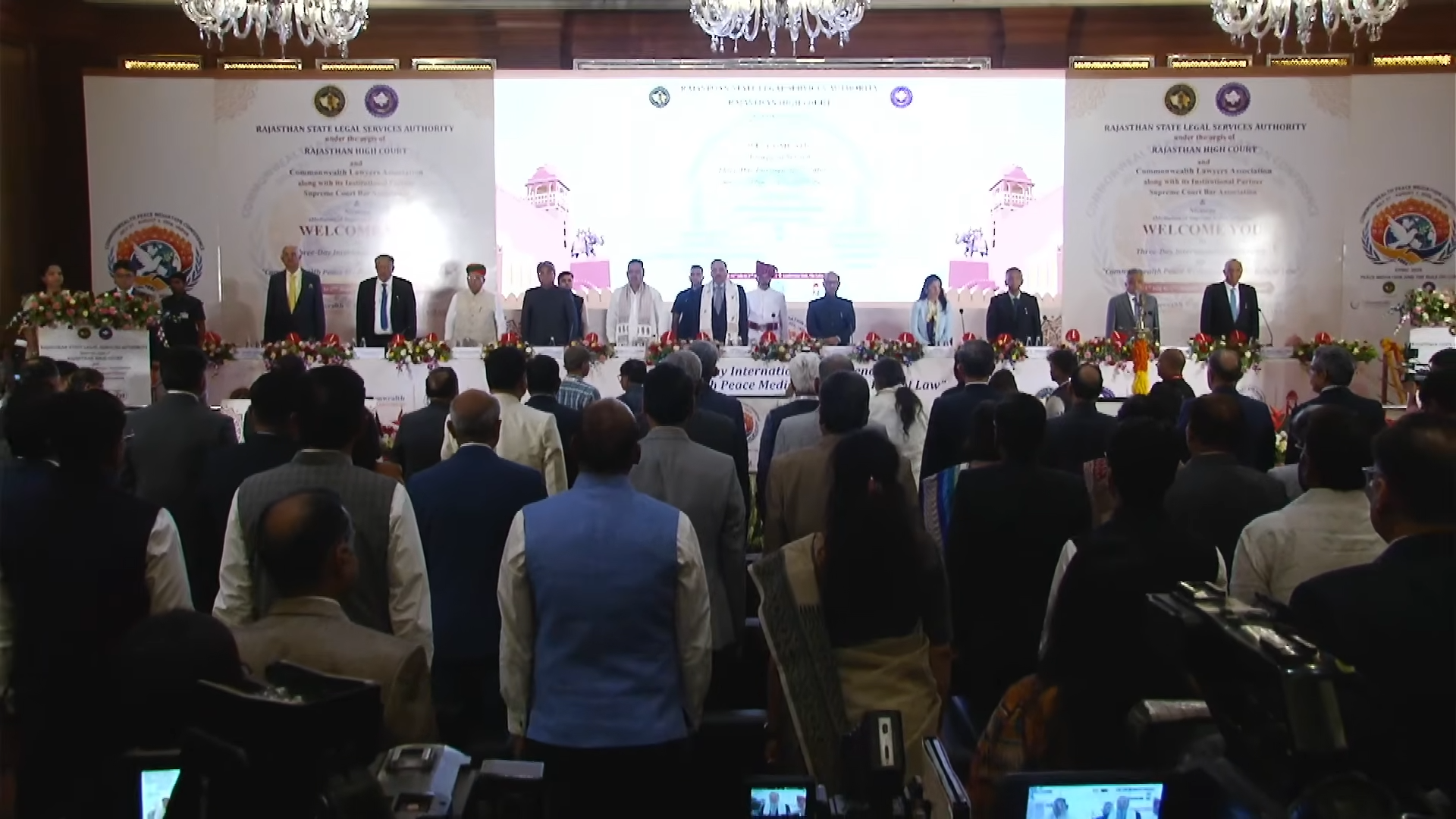
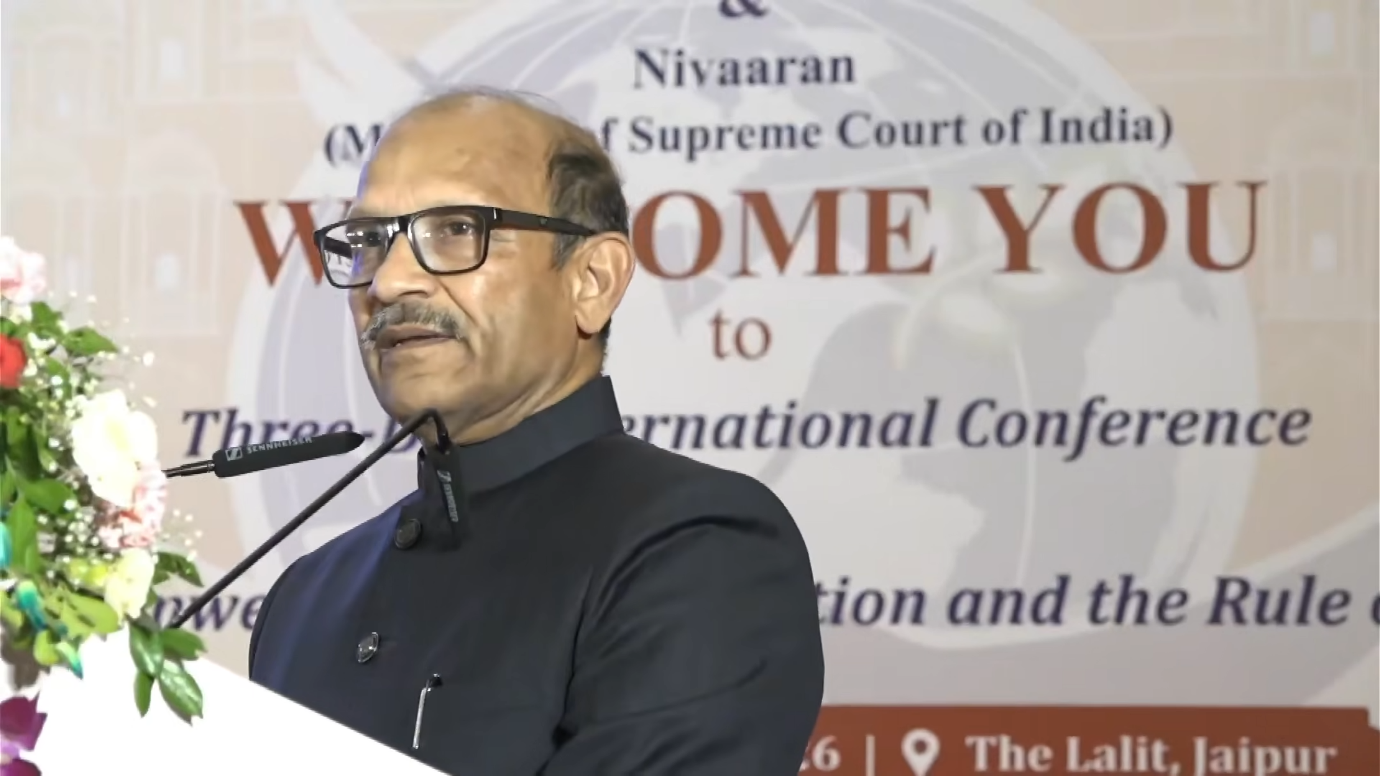
Delivering the welcome address, Acting Chief Justice of the Rajasthan High Court and Executive Chairman of RSLSA, Justice Sanjeev Prakash Sharma, described the conference theme as one that places mediation at the centre of peace-building and the rule of law. He observed that while litigation has traditionally shaped the justice system, mediation offers a framework centred on resolution, dialogue and understanding. Referring to the role of the rule of law, he remarked that a just society should be measured not merely by the number of disputes it decides but also by the conflicts it prevents and the harmony it restores.
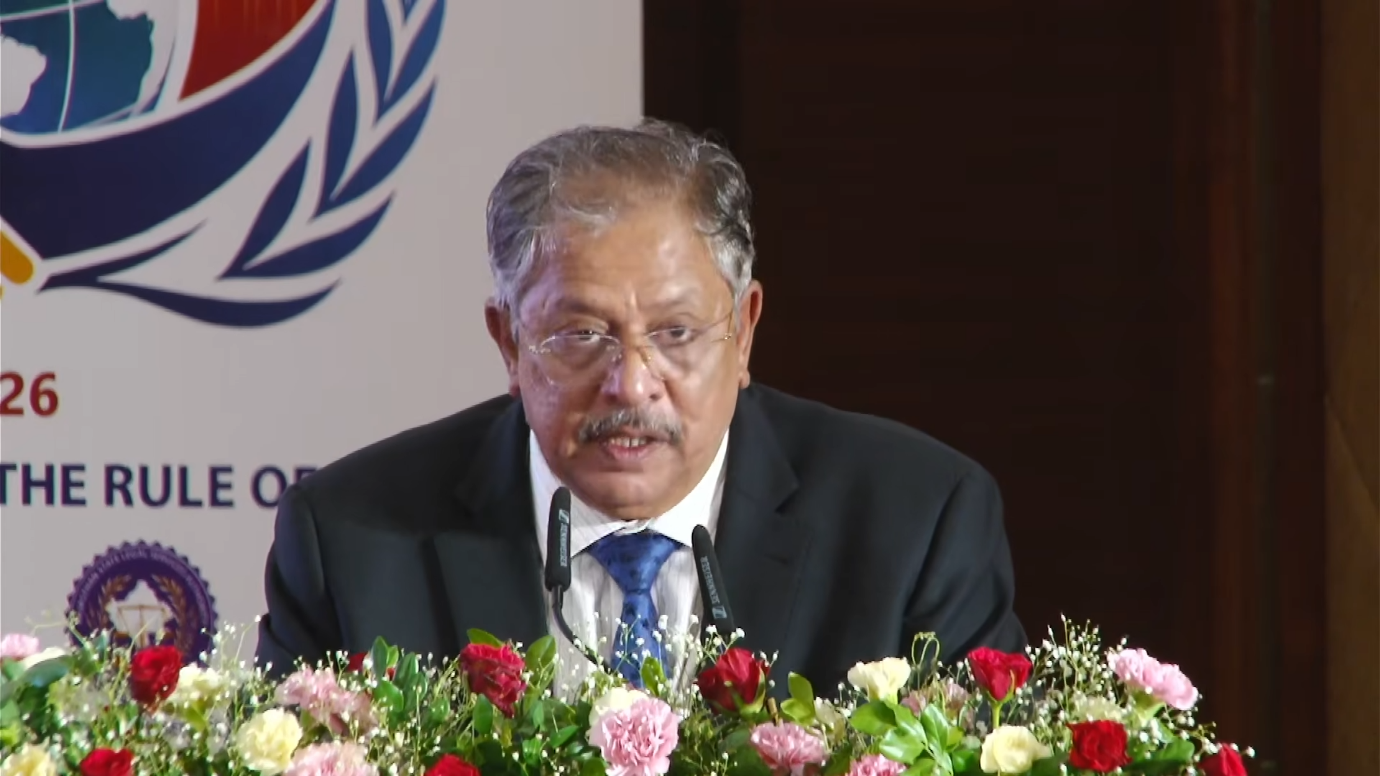
“The truest measure of a just society is not how many cases it decides but how much conflict it prevents and how much harmony it restores.”
– Justice Sanjeev Prakash Sharma
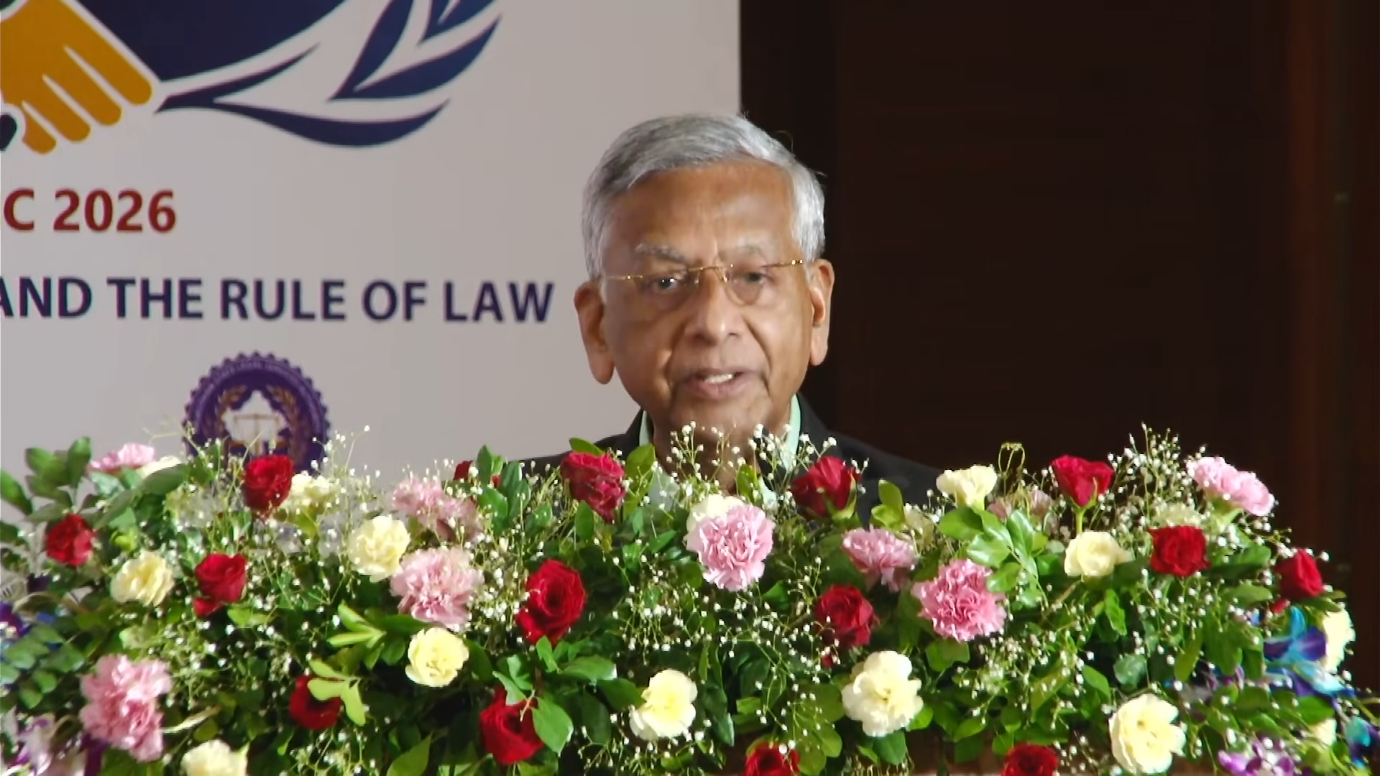
Speaking on behalf of the Supreme Court Bar Association, its President, Senior Advocate Vikas Singh described the conference as a collaborative initiative aligned with Sustainable Development Goal 16 on peace, justice and strong institutions. Stressing that access to justice should extend beyond access to courtrooms, he said mediation offers a people-centric model of dispute resolution that enables parties to arrive at solutions they themselves own. Referring to the Supreme Court’s decision in Afcons Infrastructure case1, he highlighted judicial recognition of mediation and discussed its relevance across family, environmental and community disputes.
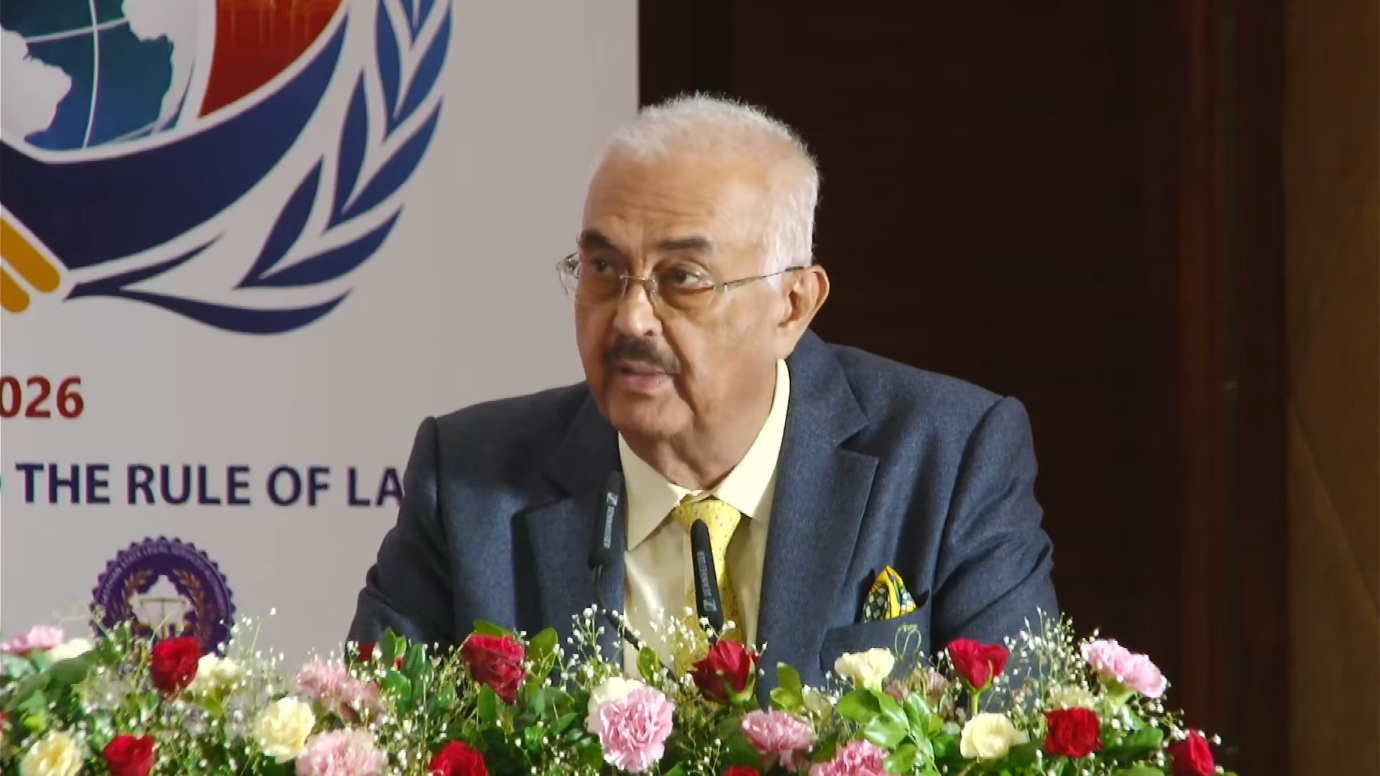
Solicitor General Tushar Mehta traced the idea of mediation to India’s civilisational traditions, drawing illustrations from the Ramayana and the Mahabharata to demonstrate that attempts at dialogue and peaceful resolution have long preceded adjudication. He also observed that the legal profession ultimately seeks justice beyond the practice of law.
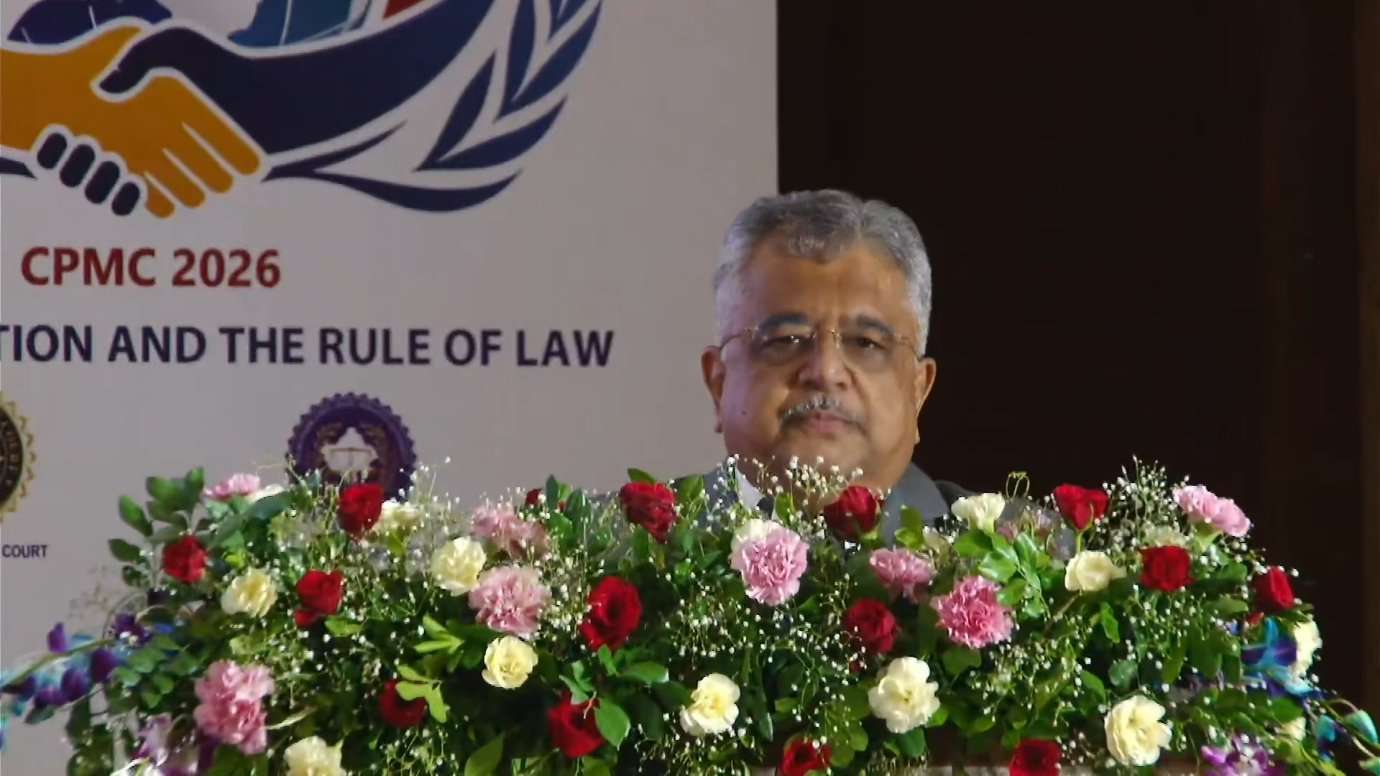
Attorney General R. Venkataramani described peace and mutual understanding as enduring human aspirations and called for mediation to become an integral component of the justice delivery system rather than remaining confined to an alternative mechanism. He advocated strengthening mediation education, institutional frameworks and professional training, suggesting the creation of a national working group to examine legal reforms, educational standards and training structures. Observing that mediation should provide “not merely access to justice, but access to results” and “not merely access to an institution, but access to resolution”, he said conferences of this nature could play an important role in advancing a national commitment towards mediation.
Union Minister of State for Law and Justice, Arjun Ram Meghwal described the conference theme as reflecting one of the defining global necessities of the twenty-first century. Referring to India’s longstanding traditions of consensual dispute resolution, including the concept of Panch Parmeshwar, he said the country’s justice system had evolved from community-based mechanisms to institutional and internationally recognised mediation frameworks. He also highlighted the Mediation Act, 2023 as an important step towards strengthening institutional mediation and observed that emerging technologies and increasingly complex cross-border commercial disputes require legal systems capable of responding to future challenges while preserving trust and relationships.
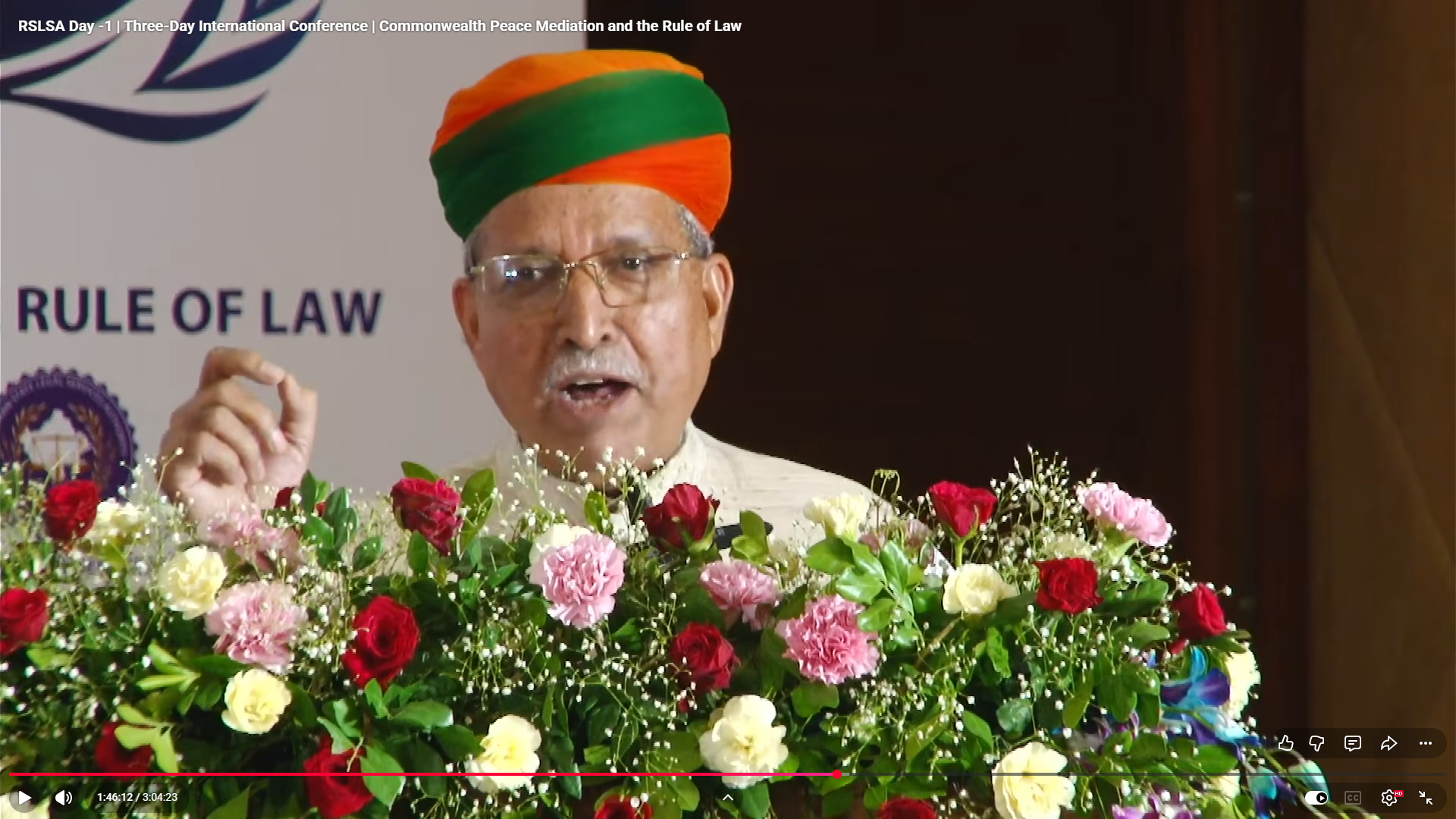
“At a time when the world is undergoing unprecedented economic, technological, and geopolitical transformations, peace, mediation, and the rule of law are no longer merely judicial concepts. They have become the foundational pillar of our global stability, economic progress, and sustainable development.”
– Arjun Ram Meghwal
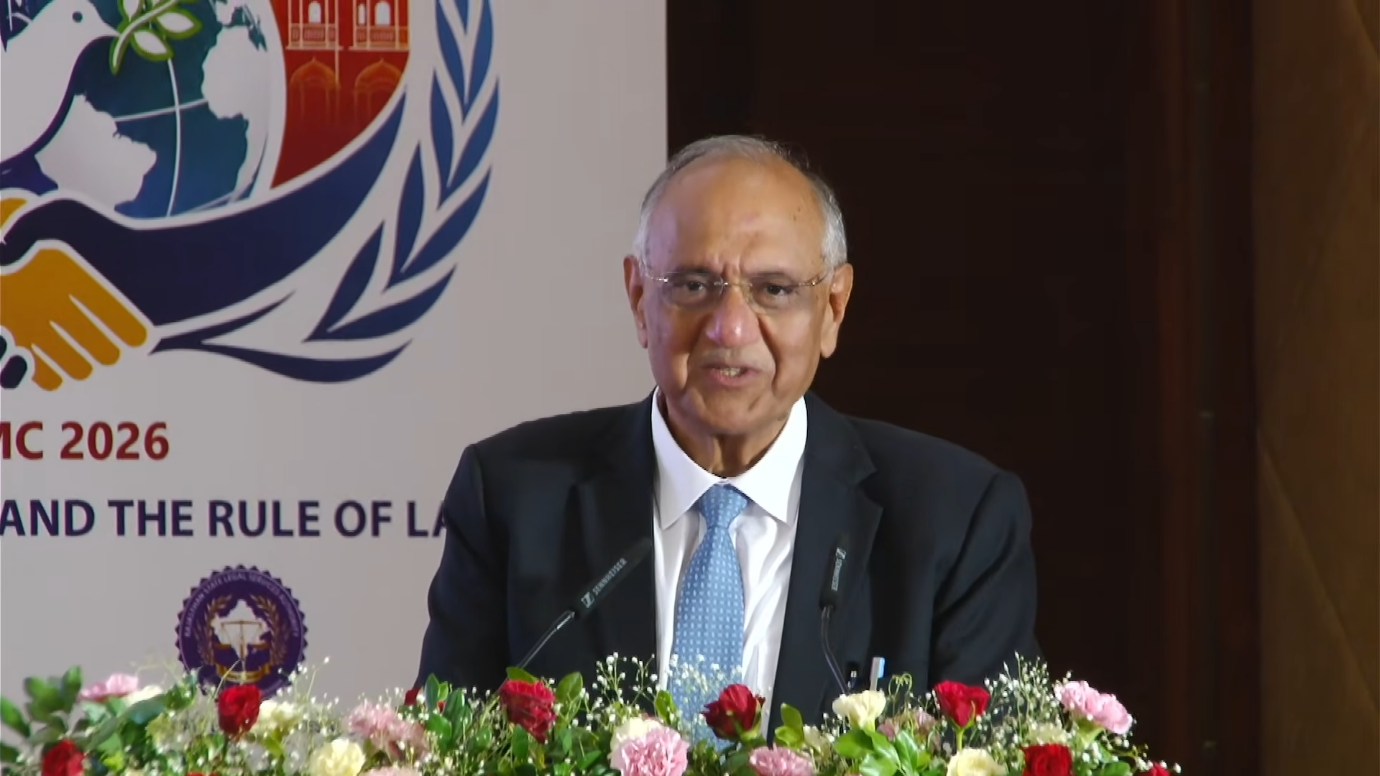
Justice Abha Patel of the Supreme Court of Zambia reflected on mediation as a process that seeks to preserve relationships and promote mutual understanding while drawing upon shared values across Commonwealth jurisdictions. She emphasised the importance of cooperation and continued exchange of experiences among legal systems committed to strengthening mediation.
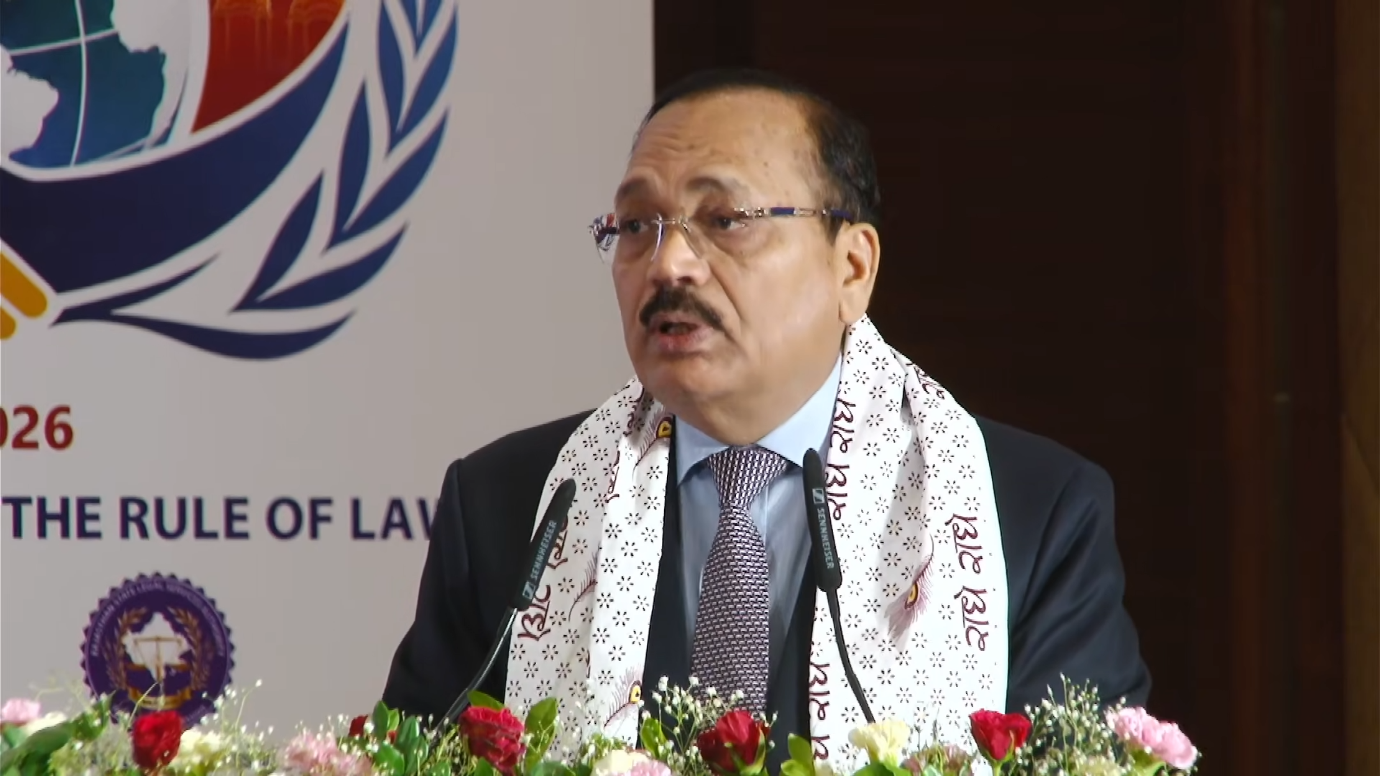
Justice Sandeep Mehta referred to the Supreme Court’s ongoing Samadhan initiative on pre-settlement mediation and observed that successful mediation often brings finality to disputes while avoiding prolonged litigation. He noted the encouraging response from High Courts across the country and described mediation as a particularly effective mechanism in reducing pendency and encouraging amicable settlements.
“While arbitration and conciliation still entail long drawn journeys in the courts, mediation is one process which once successful ends the litigation once for all and as we say it is a win-win situation for both the parties.”
– Justice Sandeep Mehta
Chief Minister of Rajasthan, Bhajan Lal Sharma emphasised timely and accessible justice, referring to various initiatives undertaken in the State to strengthen legal aid and mediation services. Expressing confidence in the deliberations of the conference, he said the discussions and the proposed Jaipur Declaration would contribute fresh ideas towards strengthening mediation and dispute resolution mechanisms.
Chief Justice of India Surya Kant then delivered the keynote address, focusing on the evolving role of mediation in contemporary justice systems, technological developments, the relationship between courts and mediation, and the proposed Jaipur Declaration. His address has been reported separately.
“The court gives us certainty, precedent and the final word, when all else fails. Mediation gives us the space to write our own ending before the last word ever needs to be spoken.”
– CJI Surya Kant
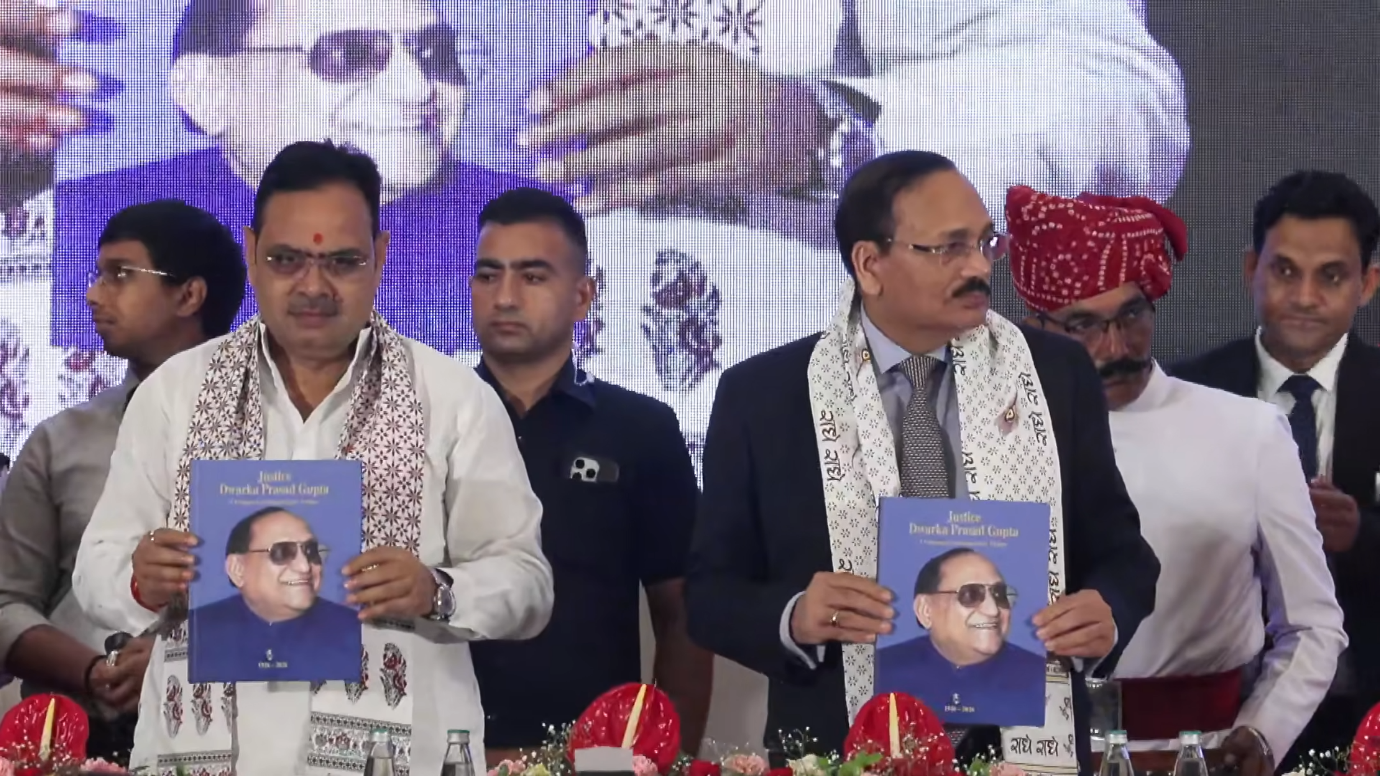
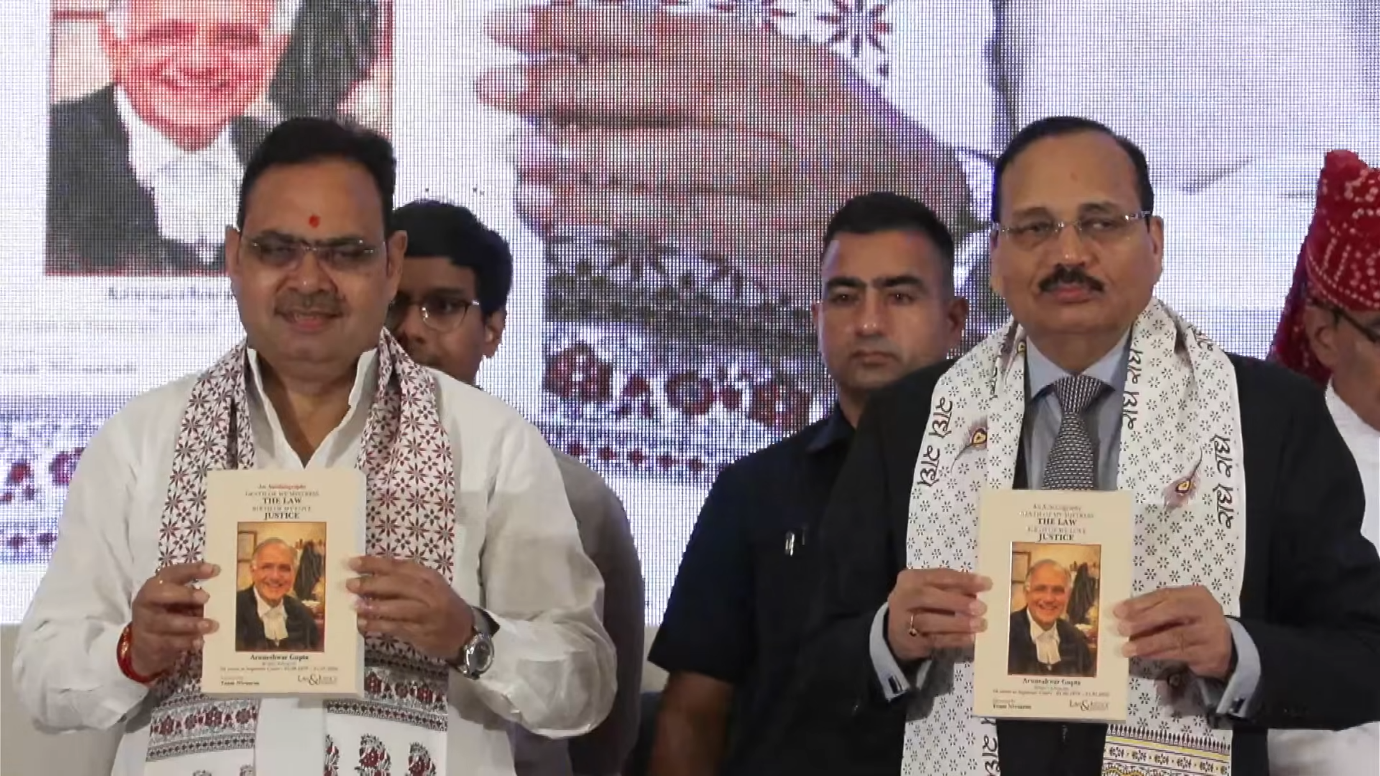
The inaugural session concluded with the presentation of conference souvenirs to the dignitaries, the presentation of the commemorative volume on Justice Dwarka Prasad Gupta, and a vote of thanks by Aruneshwar Gupta. The three-day conference will conclude on 2 August 2026.
1. Afcons Infrastructure Ltd. v. Cherian Varkey Construction Co. (P) Ltd.