Is Time of Essence: A Test of IBC’s Timelines and Accountability
by Aseem Chaturvedi*, Arpit Kumar Singh**, Siddhant Kumar*** and Amaan Khan****

Bringing you the Best Analytical Legal News


by Aseem Chaturvedi*, Arpit Kumar Singh**, Siddhant Kumar*** and Amaan Khan****
‘On the complete extinguishment of all tax liabilities of the Corporate Debtor upon the approval of the Resolution Plan, there could be no occasion whatsoever for the IT Commissioner to issue the impugned notice under Section 263 of the Act, seeking to revise the assessment order for the Assessment Year 2020-21.’
The NCLT acknowledged the impact of force majeure events, particularly the unprecedented rise in coal prices and operational disruptions caused by the COVID-19 pandemic on Corporate Debtor.

“Any dispute even pending in the arbitration does not in any manner prohibit the financial creditor to take remedy under Section 7 IBC.”
“The essence of the IBC lies in resolving insolvency matters through a process driven approach, and any deviation from its prescribed scope would undermine the legislative intent of the Code.”
by Arush Khanna* and Swetalana Rout**
“The IBC is a complete code in itself, having sufficient checks and balances, remedial avenues and appeals. Adherence of protocols and procedures maintains legal discipline and preserves the balance between the need for order and the quest for justice.”
The NCLT held that non-delivery of possession despite payments and continued acknowledgment of liability through emails and communications proved default under Section 7 IBC.
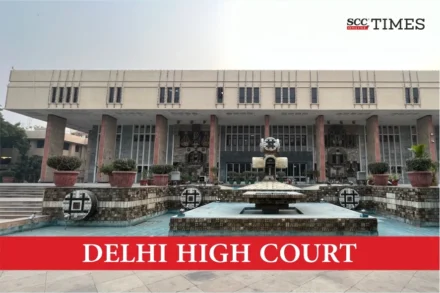
Delhi High Court observed that the contempt proceedings against the respondents lacked legal foundation, as they were not parties to the original petitions instituted by the consortium companies.
by Ritika Gambhir Kohli†, Akshaya Ganpath†† and Saumya Tiwari†††
The present appeal raises substantial questions about the legal framework governing the withdrawal of a CIRP; the settlement of claims after the admission of an application instituted by a debtor; and the scope of the inherent powers vested in the NCLAT under Rule 11 of the NCLAT Rules.
NCLT held that the Resolution Professional followed the principles of Natural Justice and considered relevant documents, therefore, the Personal Insolvency Resolution Process should be initiated.
About 538 home buyers, who paid more than 80% of the demand, will be given this option for allotment of the flat, in which event, the said home buyers will be treated on par with other home buyers.
A forensic audit was conducted by Grant Thornton LLP at the request of the respondent-bank. The audit led to the withdrawal of the ‘red flagging’ of the company’s account.
The Delhi High Court emphasised that if the relevant documents are not provided to a party, the whole procedure of issuance of Show Cause Notice would be reduced to an empty formality.
The NCLT directed the Resolution Professional to hand over control of Syska LED Lights Pvt. Ltd. back to the Corporate Debtor, if it had been taken over.
The NCLAT upheld the grant of reliefs and concessions regarding shared utilities and services in Resolution Plan to facilitate the smooth and successful implementation of the Resolution Plan.
By Aditya Vikram Singh† and Vedant Singh††