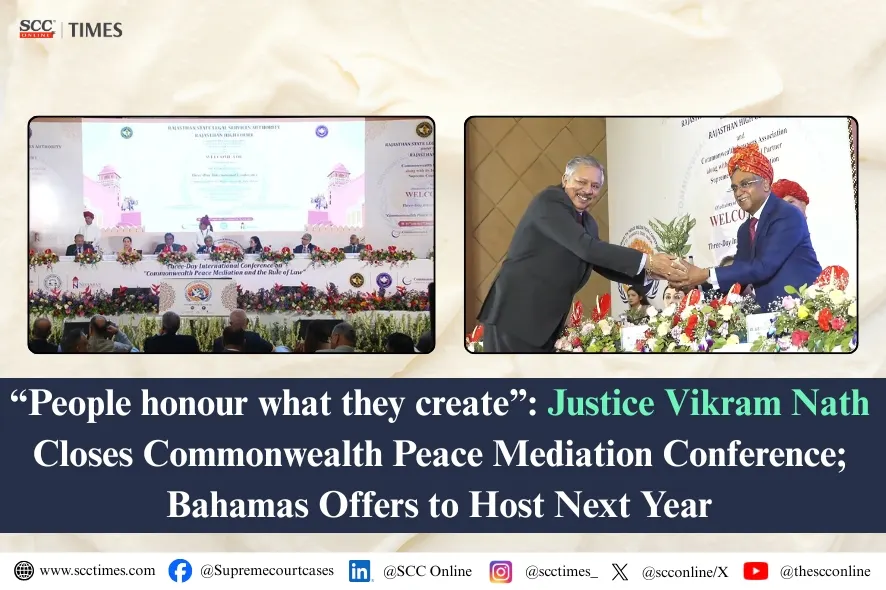
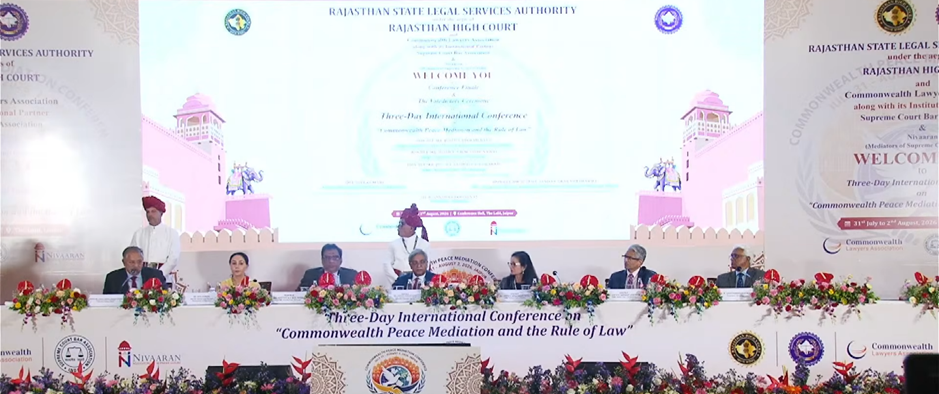
Bringing the three-day International Conference on “Commonwealth, Peace, Mediation and the Rule of Law” to a close, the Valedictory Session was held on 2 August 2026 at Jaipur. The conference was organised by the Rajasthan State Legal Services Authority (RSLSA) under the aegis of the Rajasthan High Court, in collaboration with the Commonwealth Lawyers Association (CLA), with the Supreme Court Bar Association (SCBA) and Nivaaran (Mediators of the Supreme Court of India) as institutional partners.
The session was graced by Justice Vikram Nath, Judge, Supreme Court of India and Executive Chairman, NALSA, as the Chief Guest. Justice A.H.M. Dilip Nawaz of the Supreme Court of Sri Lanka and Justice Vasheist Kokaram of the Court of Appeal of The Bahamas were the Guest of Honour. Justice Abha Patel of the Supreme Court of Zambia also delivered an address during the Valedictory Session.
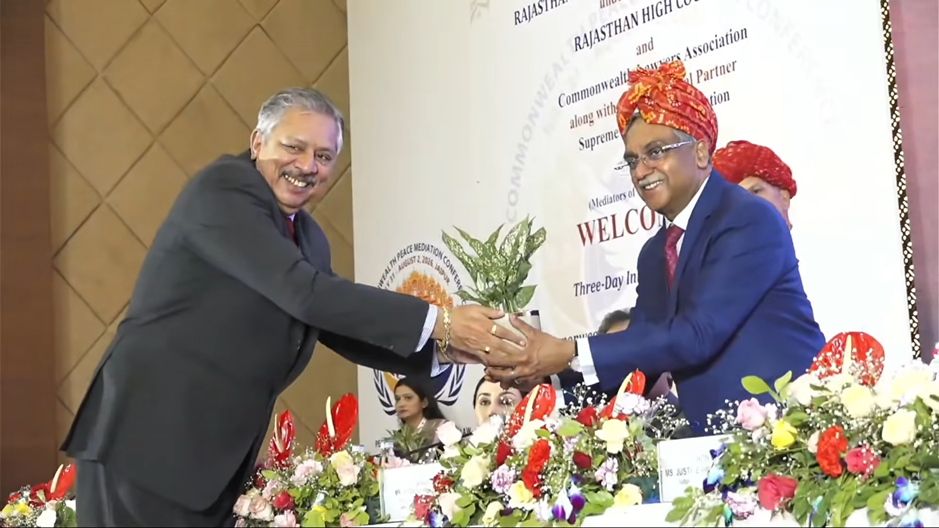
Delivering the welcome address, Justice Sanjeev Prakash Sharma, Acting Chief Justice of the Rajasthan High Court and Executive Chairman, RSLSA, reflected on the conference as a platform for dialogue and collaborative learning among judges, mediators and legal practitioners from across the Commonwealth. Summarising the deliberations over the preceding three days, he observed that the conference had explored mediation across diverse areas, including environmental justice, family disputes, criminal justice, commercial and workplace conflicts, infrastructure projects, community justice and peace-building. He also highlighted the Rajasthan High Court’s continued emphasis on digital transformation, announcing that 42 district courts would commence paperless functioning and that a new software, ‘Nyayan’, would be launched to facilitate paperless court administration. Concluding his address, he expressed confidence that the valedictory session would further strengthen the shared commitment towards promoting mediation and the peaceful resolution of disputes.
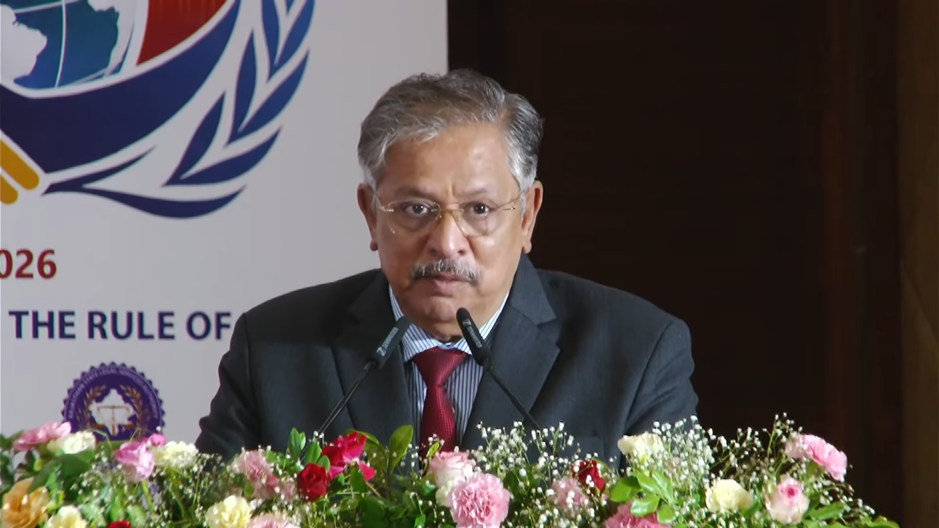
Justice Vasheist Kokaram, Judge, Court of Appeal of The Bahamas, reflected on mediation as a means of fostering peace, reconciliation and human dignity beyond the settlement of disputes. Drawing upon the Caribbean’s historical experiences and cultural traditions, he emphasised the need to humanise systems of justice and promote a public culture that embraces dialogue and disagreement through peaceful means. Describing mediation as a pathway towards accessible, people-centred and transformative justice, he called for strengthening global cooperation in peace mediation and invited Commonwealth jurisdictions to continue building shared capacity through future collaborations. Justice Kokaram also proposed that Jaipur be recognised as a “Peace City” of the Commonwealth and announced The Bahamas’ willingness to host the conference next year.
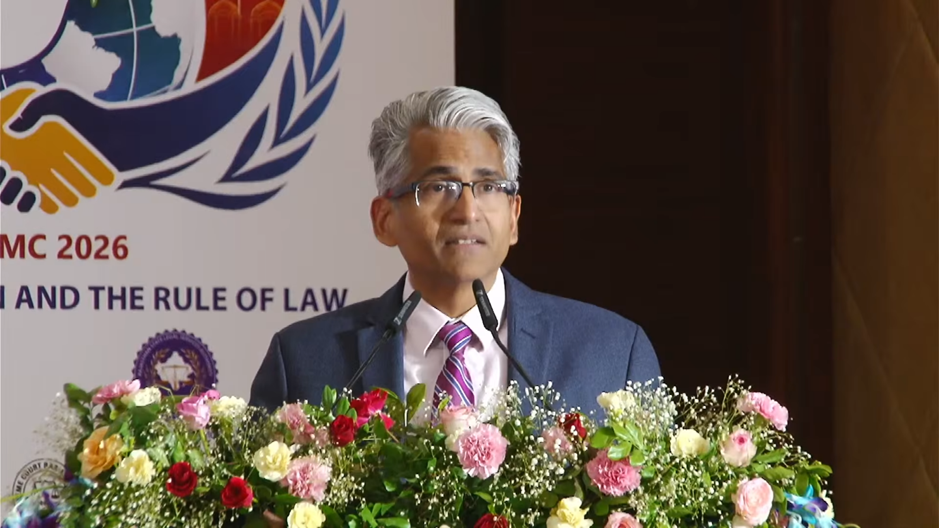
“Mediation is about peace and not just about settlement; it’s about human development, promoting the rule of law and access to justice in a way in which the system of justice once held ransom for the reserve of the few is now liberated to be accessible, understandable, and transformative.”
Justice Vasheist Kokaram
Justice Abha Patel, Judge, Supreme Court of Zambia, reflected on the conference as an opportunity to build a shared understanding of mediation and strengthen professional collaboration across Commonwealth jurisdictions. Emphasising the Commonwealth’s shared commitment to the rule of law, human dignity and dialogue, she observed that mediation is not “the soft alternative to justice” but a process that demands patience, humility and sustained engagement. Justice Patel noted that the conference had reaffirmed the universal principles underlying mediation despite differences in legal systems and experiences, and urged delegates to carry forward its learnings through continued collaboration, mentorship and the steady work of building peace one dispute at a time.
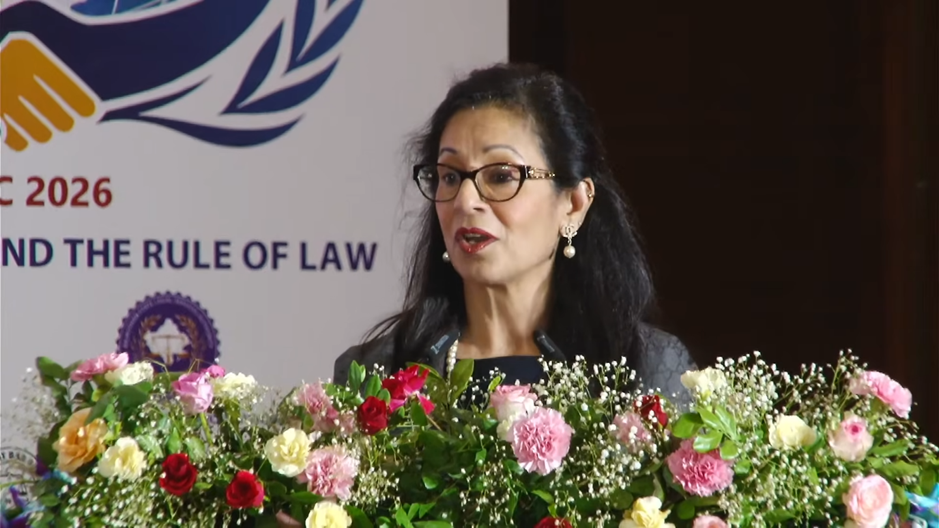
“Mediation is not the soft alternative to justice. It is a justice pursued by patient means. It asks more of us, not less of us, more listening, more humility, more willingness to sit with discomfort until understanding is reached.”
Justice Abha Patel
Justice A.H.M. Dilip Nawaz, Judge, Supreme Court of Sri Lanka, reflected on the enduring ties between India and Sri Lanka and observed that the conference reinforced the values of peace, coexistence and harmony that underpinned each of its thematic sessions. Emphasising the importance of continuous professional learning, he noted that such exchanges enrich both judicial and legal practice by reaffirming mediation as a means of advancing justice. Referring to the launch of Aruneshwar Gupta’s autobiography, Death of My Mistress, The Law; Birth of My Love, Justice, Justice Nawaz drew a parallel between its central theme and the conference, describing mediation as a bridge that narrows the gap between law and justice. He also expressed hope that the deliberations would continue to inspire judges and lawyers in their respective jurisdictions and extended an invitation to host a future edition of the conference in Sri Lanka.
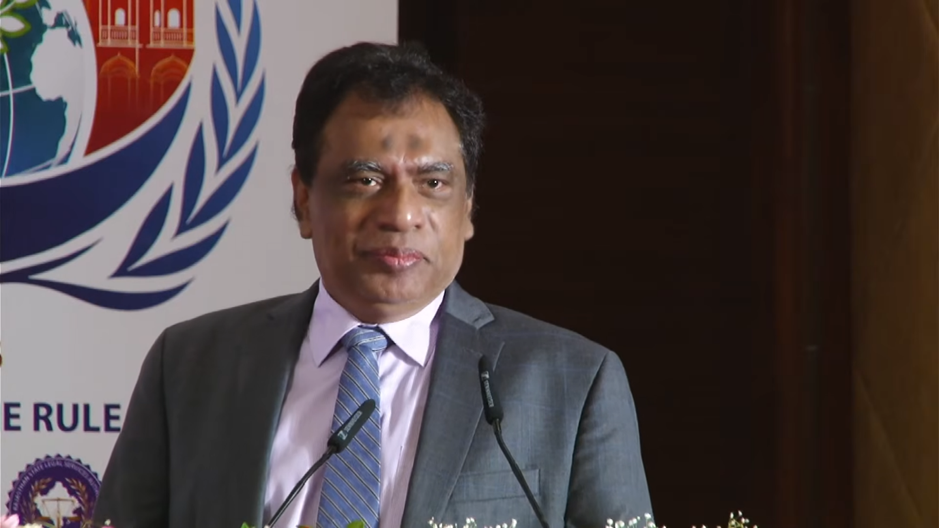
“Law is in the law books; the rules give us certainty, but justice is the aspiration of that law, and mediation achieves that harmony. It functions as the bridge between law and justice.”
Justice A.H.M. Dilip Nawaz
Delivering the valedictory address, Justice Vikram Nath, Judge, Supreme Court of India and Executive Chairman, NALSA, underscored mediation as a transformative approach to dispute resolution that strengthens trust, preserves relationships and contributes to nation-building. Quoting former United States Supreme Court Judge Justice Sandra Day O’Connor, he observed that courts should be places where disputes end, not where they begin, after alternative methods of dispute resolution have been explored.
Drawing a distinction between litigation and mediation, Justice Nath noted that while litigation often culminates in winners and losers and may prolong disputes through appeals, mediation empowers parties to resolve conflicts through dialogue and consensus, resulting in settlements that endure because they are created and owned by the parties themselves. He emphasised that peace forms the foundation of a high-trust society, and that mediation, by fostering understanding, mutual respect and lasting relationships, should become a way of life rather than remain confined to the justice system. Justice Nath highlighted the growing institutional support for mediation in India through the expansion of trained mediators, greater use of pre-institution mediation and Lok Adalats, and collaborative efforts with educational institutions to equip future lawyers with mediation skills.
He also observed that technological advancements and online dispute resolution had significantly widened access to mediation, while the conference had demonstrated its expanding relevance in areas such as climate-related conflicts, workplace disputes, family and community disputes, and peace-building initiatives. Concluding his address, Justice Nath expressed hope that the conference would leave a lasting impact beyond its deliberations, with its true legacy reflected in the everyday decisions of judges, lawyers and mediators who choose dialogue over confrontation and consensus over conflict.
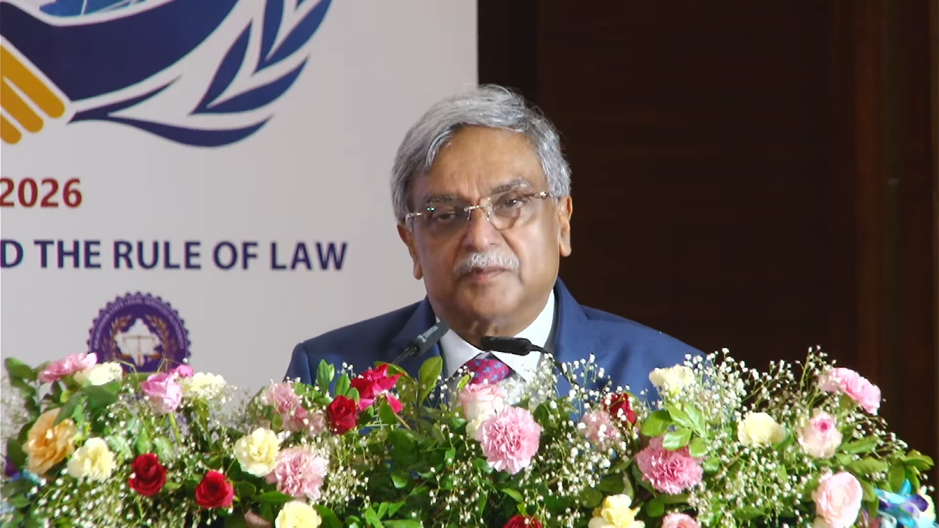
“There is a simple principle behind why mediated settlements endure. People honour what they create. When a solution is built by the parties themselves, clause by clause, concern by concern, it belongs to them, and people rarely walk away from something they own. The durability of mediation and the relationships it saves from being lost is one of the many reasons we actively promote it, support it and invest in it as a nation.”
Justice Vikram Nath
Also Read: Commonwealth Peace Mediation Conference 2026 opens in Jaipur | SCC Times