The much-awaited LegalTechTalk 2026 has begun with remarkable keynote speeches and panels. Scheduled for 17 and 18 June 2026, LegalTechTalk offers an unparalleled opportunity to learn about the most effective ways to increase efficiency and streamline operations with sessions covering topics such as artificial intelligence, machine learning, blockchain, and cybersecurity.
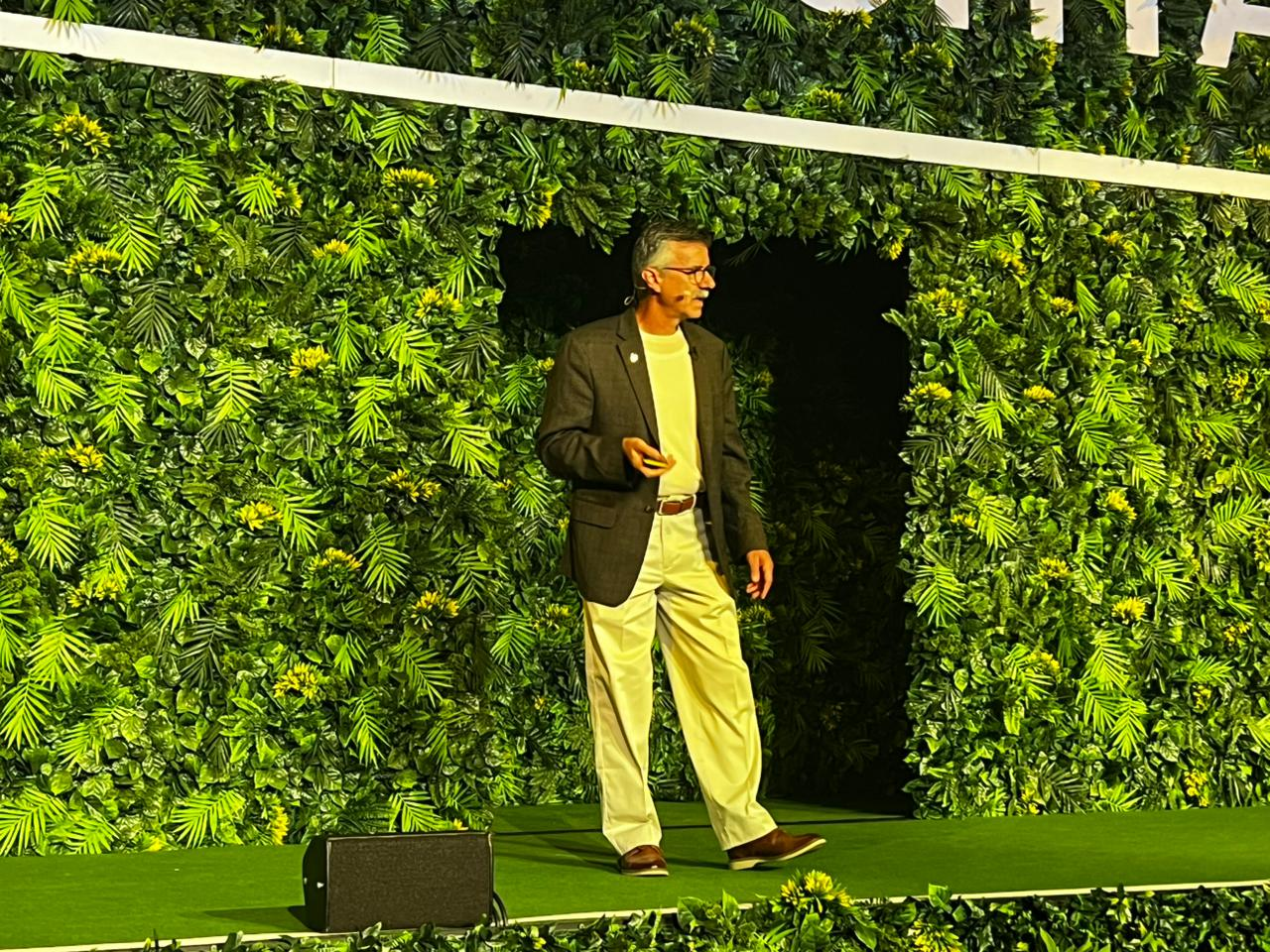
The first day of the event commenced with erudite addresses by Mr. Bradley Collins, CEO and Founder, LegalTechTalk, and Mr. John Saiz, Former Chief Technologist, NASA.
Opening Address: Mr. Bradley Collins
At the outset, Mr. Collins welcomed the global audience of legal leaders and innovators. He underscored that the basis for LegalTechTalk was evolution, i.e., the story of human adaptation.
He remarked that from discovering fire to AI, technology alone does not change society; people do. Every generation reaches a moment where the world changes faster than the processes that we have to support it, and then comes a choice: resist or abort. He stated that the legal industry was living through one of those moments right now, and it was not just because of AI, but the unprecedented and rapidly evolving expectations placed on law firms and legal teams.
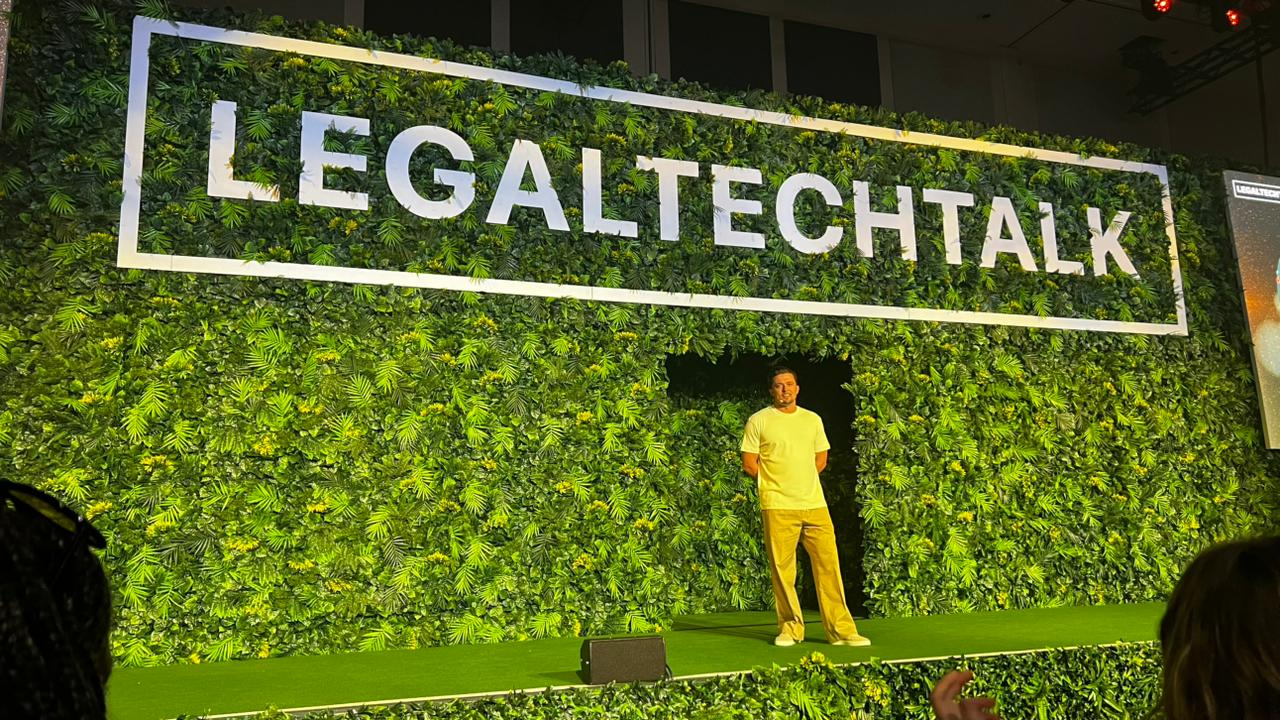
“Technology may be the catalyst, but transformation has never been about technology alone. It’s about people, it’s about culture, and it’s about leadership. It’s about having the courage to challenge the way things have always been done.”
He reflected on the creation of LegalTechTalk, highlighting that their mission was never to build just another conference, but rather to create a place where legal innovators and people changing the future of law could come together in one place at an unprecedented scale. A place where ideas become conversations, where conversations become partnerships, and where partnerships become real change.
Mr. Collins remarked that transformation does not happen in isolation; it happens when people come together around a shared belief that things can be better.
Concluding his address, he mentioned his mission to go global and excitedly shared that LegalTechTalk was going to be hosted in Miami, USA, in the future.
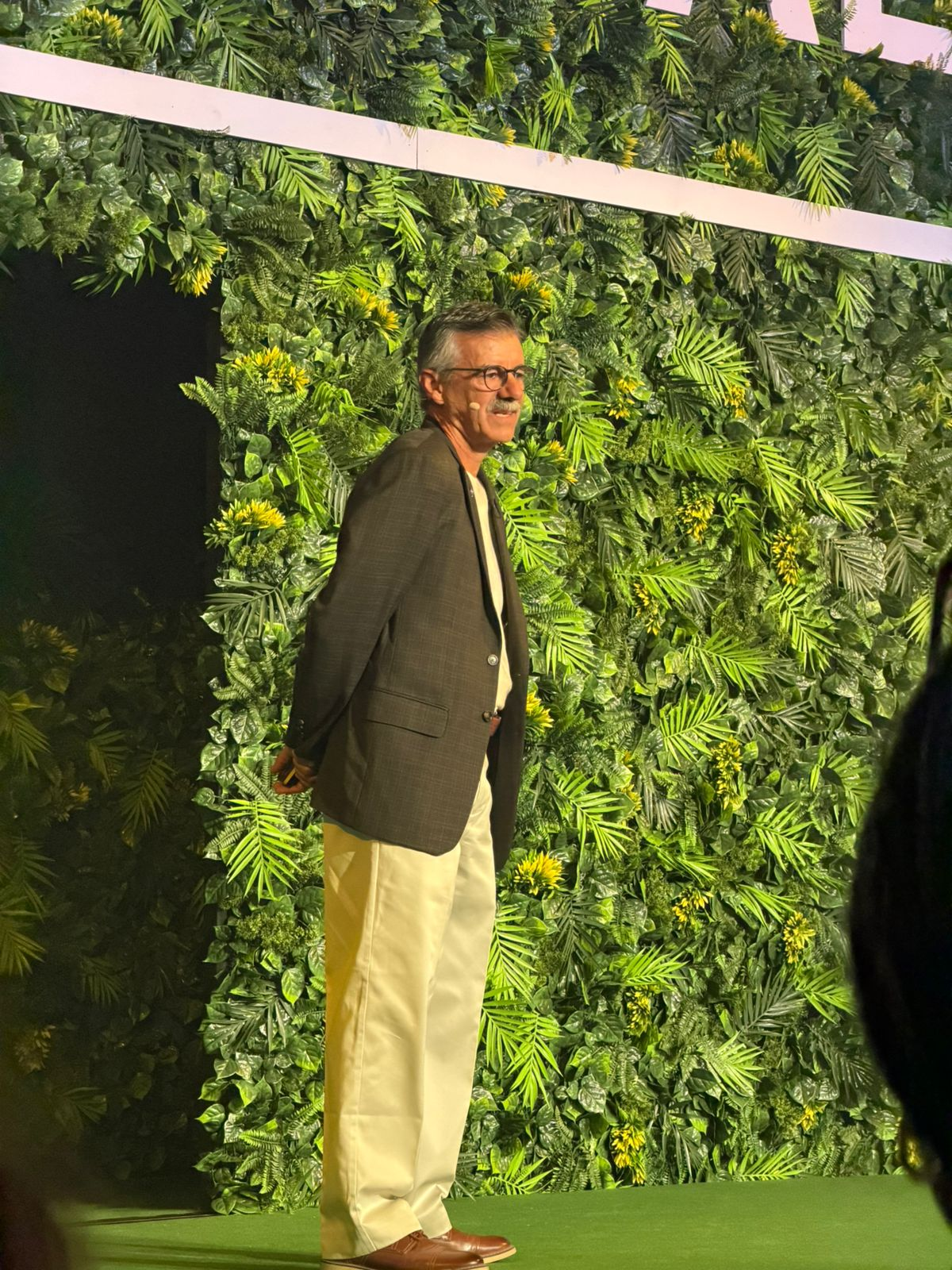
Keynote Address on “Innovation in Space- What Does Launching Rockets Teach Us About Transforming Law?”: Mr. John Saiz
Opening his address with characteristic humour, Mr. Saiz described himself as an introvert before thanking the organizers and acknowledging that he had initially struggled to identify a connection between space exploration and the legal profession.
Instead of discussing technological advancements, he invited the audience to examine the relationship between technology and the people who must use it. He reminded participants that every great technological achievement, from the International Space Station to Mars rovers and interstellar missions, was ultimately the result of thousands of individuals working together within effective organizational cultures.
He argued that despite the achievements, NASA’s most valuable lessons emerged not from its successes but from its failures.
NASA’s Greatest Successes and Lessons:
Mr. Saiz walked the audience through NASA’s 50-year evolution using powerful images from different eras of space exploration.
-
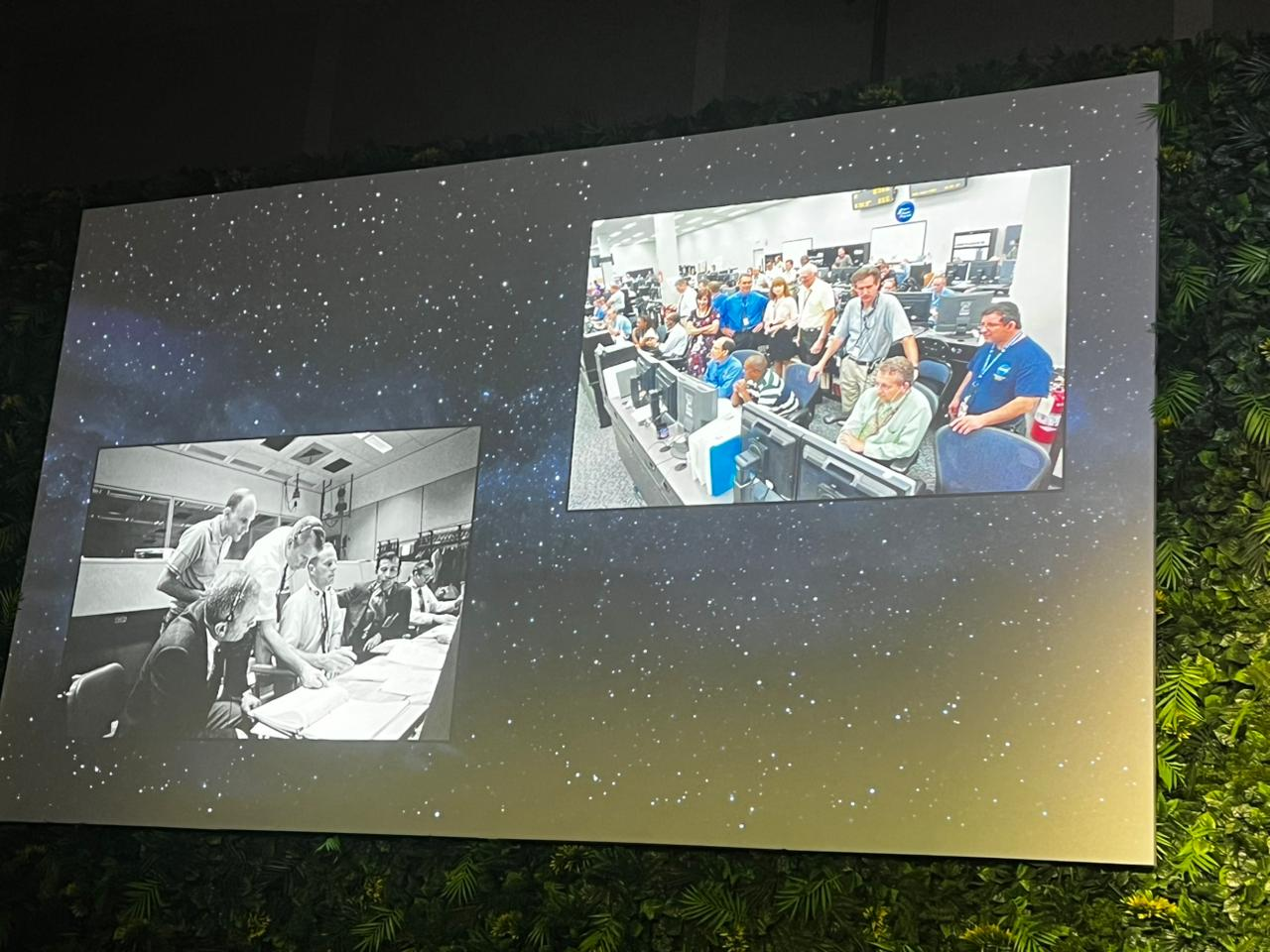
Mission Control: In the 1960s, NASA established the iconic Mission Control Centre rooms in the Apollo era, led by legendary flight director Mr. Gene Kranz. These rooms ultimately evolved into modern mission evaluation centers.
-
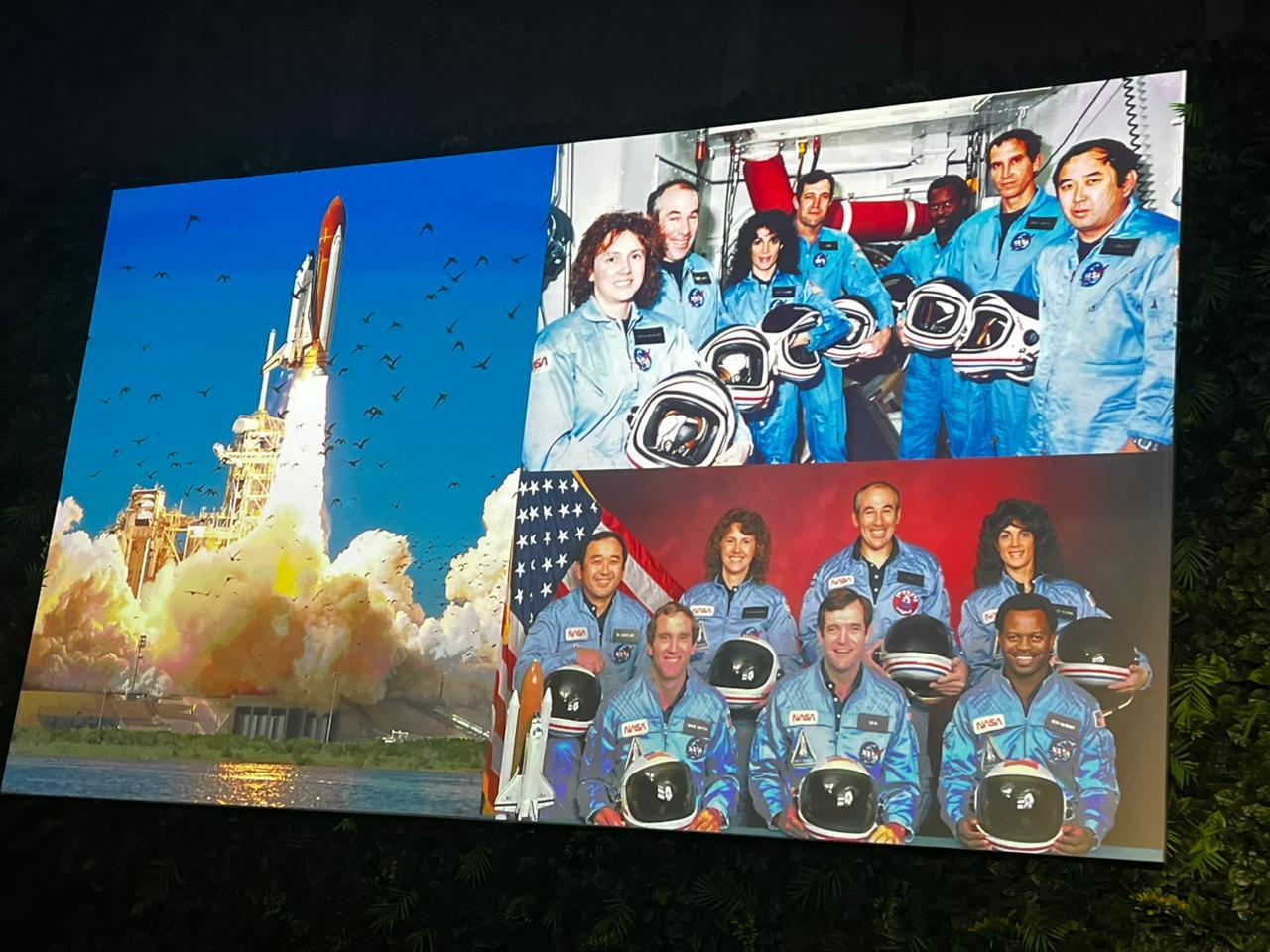
STS-51L Mission: This was the 25th mission of the NASA Space Shuttle Program and the final flight of the Space Shuttle Challenger. Tragically, the crew lost their lives to an explosion soon after lift-off.
-
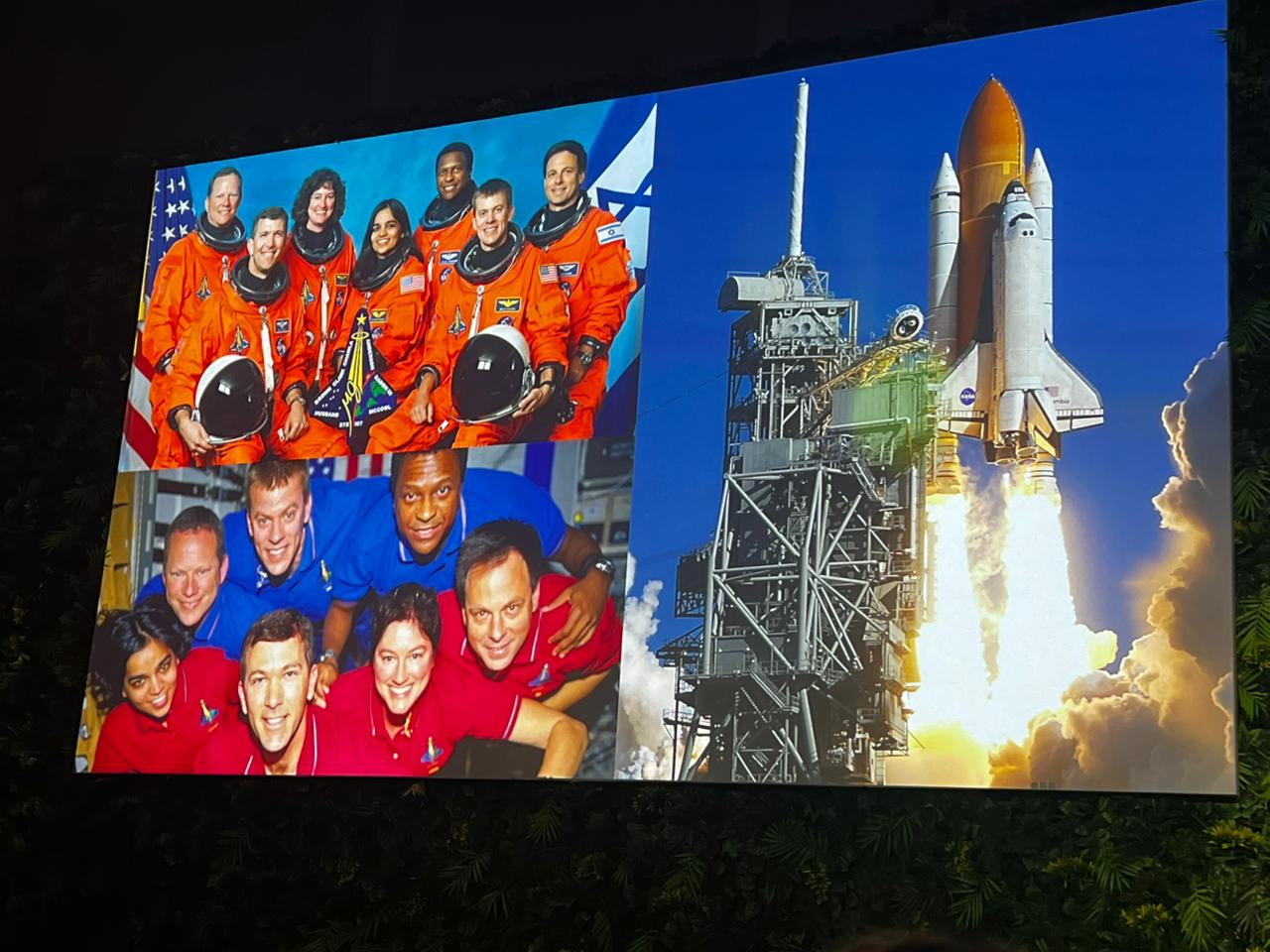
Columbia STS-107: Reminiscing about the tragedy of the Space Shuttle Columbia disaster, he mentioned that two of his coworkers were on that flight, and the tragedy remained deeply painful even more than two decades later. For NASA employees, he explained, astronauts were not distant celebrities but colleagues, neighbours, and friends. Following the disaster, NASA employees participated in recovery efforts across East Texas, painstakingly collecting debris that would later be reconstructed in a Florida hangar to determine what had gone wrong. Looking at the partially reconstructed shuttle one month after the accident, he recalled the enormous challenge facing investigators who still had no clear understanding of the cause.
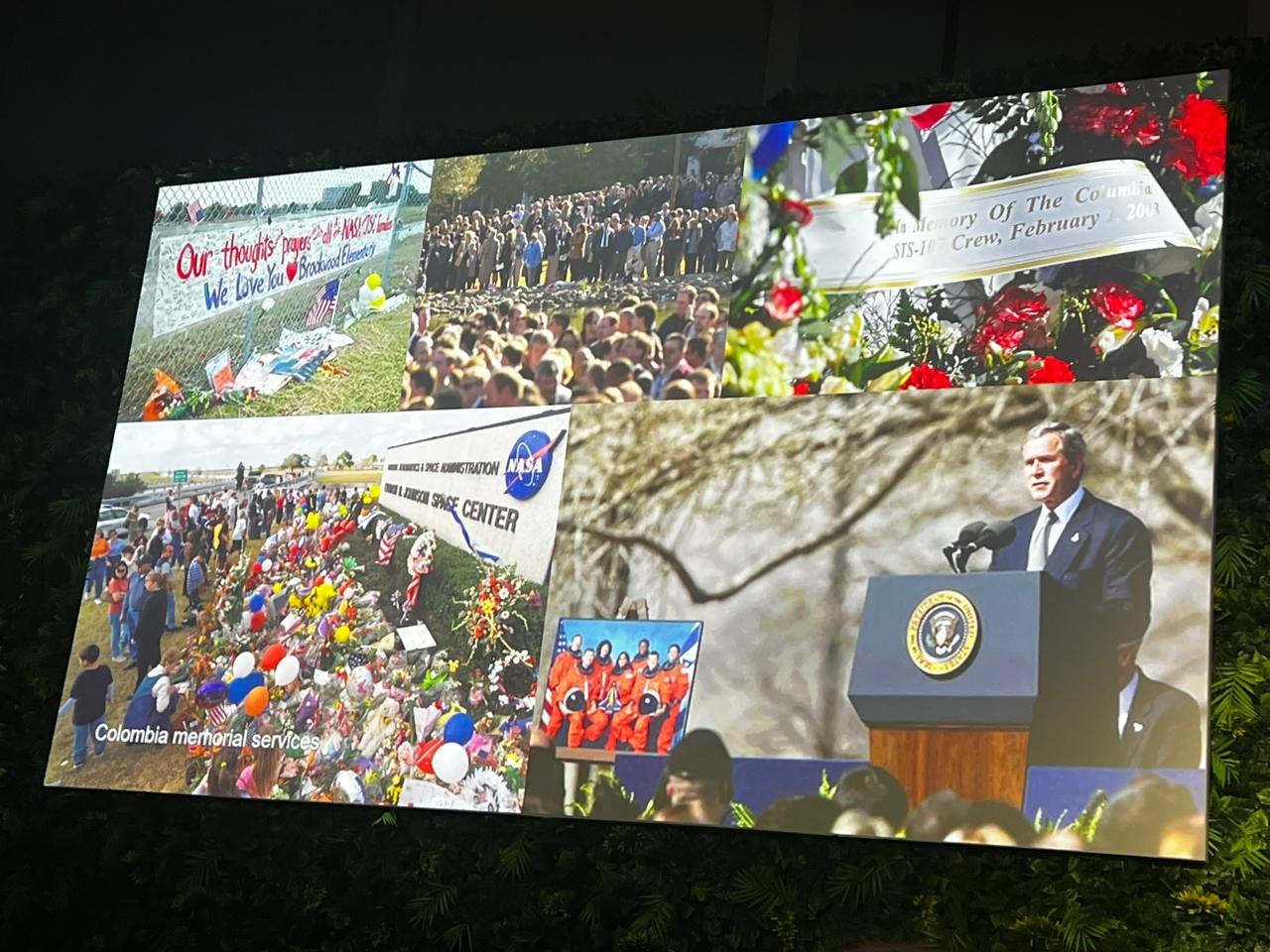
He explained that once the cause was identified, NASA rapidly implemented extensive technical improvements, such as redesigning bolt catchers, adding heaters to bipod ramps and feed lines, enhancing ascent camera systems, making daylight launch protocols, designing high-tech repair kits for spacewalks, adding inspection cameras on extended booms, mounting wireless acoustic emission sensors installed inside shuttle wings, etc.
“We had an accident. We grieved the loss. We literally picked up the pieces, sent them over to Kennedy to try to reconstruct the investigation. We figured out the cause and instituted several safety fixes.”
However, despite these measures, he stated that a key issue remained: Had NASA repeated the same pattern that followed the Challenger disaster?
To answer this question, NASA constituted the Columbia Accident Investigation Board, which comprised rocket scientists, physicists, astronauts, and military generals. The Board investigated and published a voluminous report.
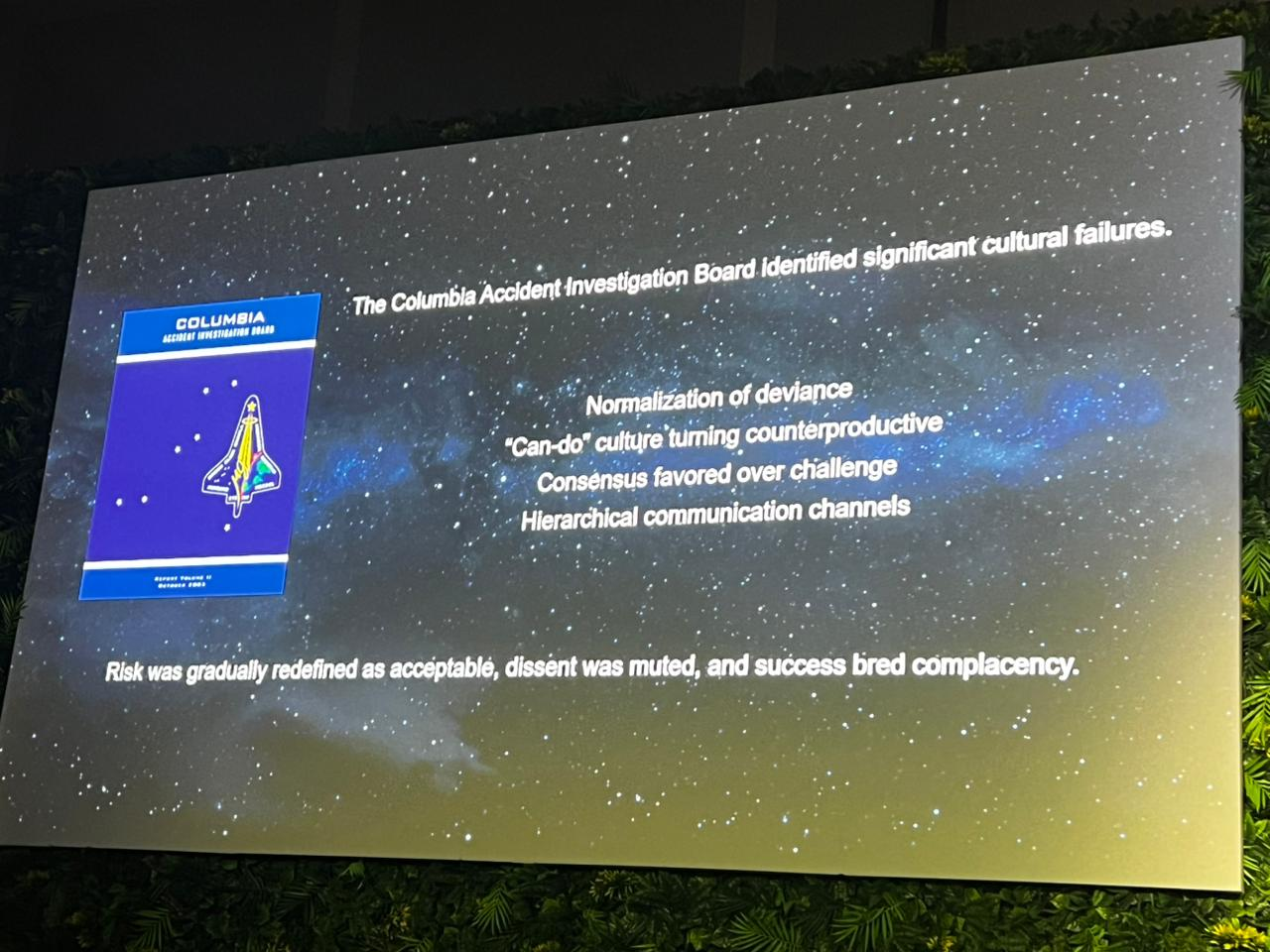
The Board’s findings were several organizational failures, which were as follows:
-
Normalization of Deviance: After nearly one hundred shuttle missions, NASA gradually became comfortable operating outside originally certified safety limits. Repeated success created confidence, which slowly evolved into complacency. As shuttle launches became more frequent and pressure increased to complete the International Space Station on schedule and within budget, abnormal conditions gradually came to be viewed as normal. Risk was quietly redefined as acceptable.
-
The “Can Do” Culture: NASA’s celebrated culture of solving impossible problems had unintended consequences. Its heritage of overcoming challenges made it difficult for employees to raise an alarm and highlight risks. The result was a culture where a few warning voices became harder to hear over the majority of voices, which supported potentially risky decisions.
-
Management Failures: As NASA matured, additional management layers were introduced. While intended to improve oversight, they unintentionally created barriers between frontline engineers and senior leadership. Concerns had to pass through multiple organizational levels, making it increasingly difficult for dissenting opinions to influence final decisions.
“Risk was gradually redefined as acceptable, dissent was muted, success bred complacency.”
Rebuilding a Culture of Innovation:
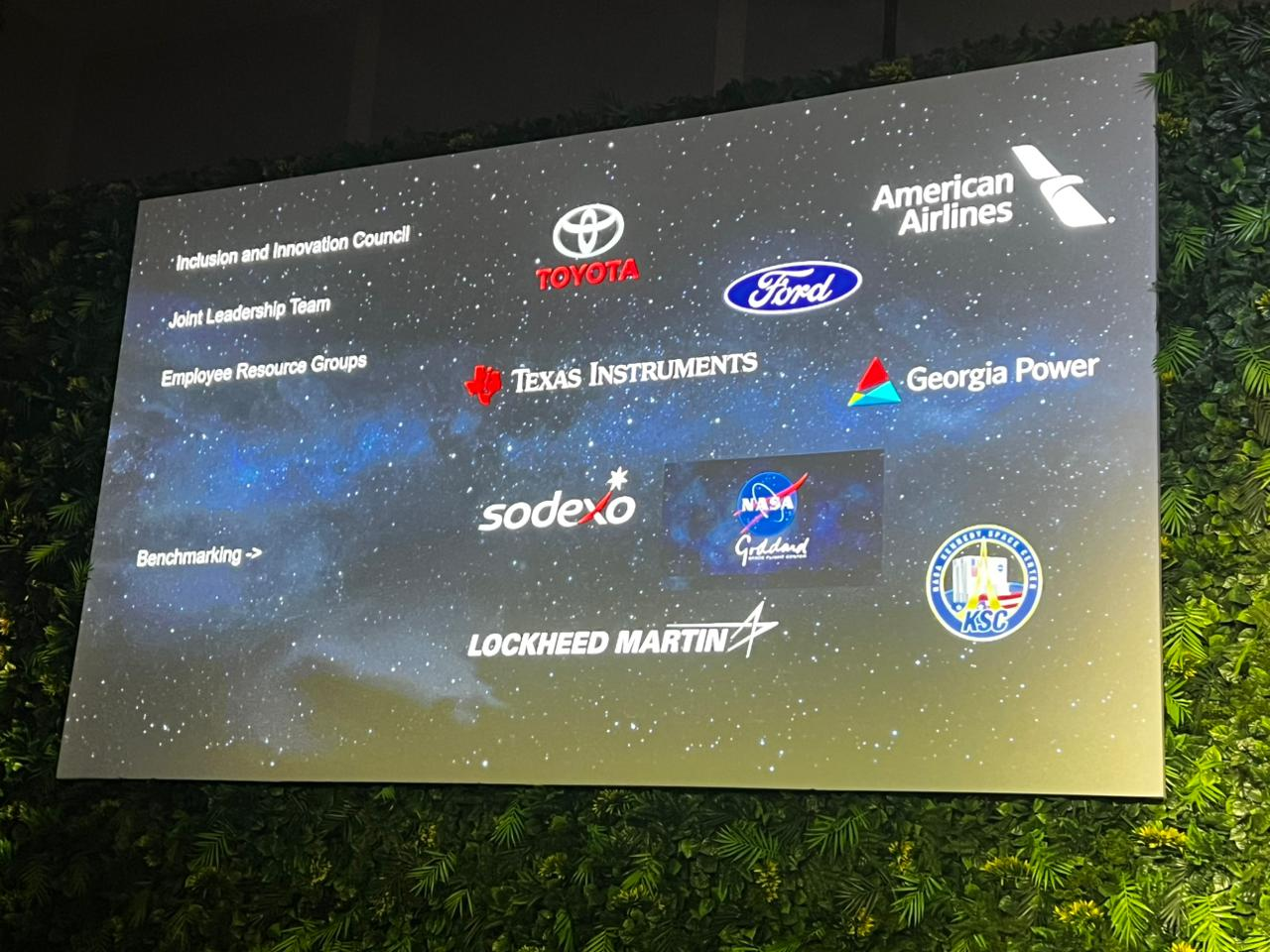
Mr. Saiz explained that in response to the report, the senior leadership established the Inclusion and Innovation Council alongside joint leadership teams involving major contractors, including Boeing, Lockheed Martin, SpaceX, and Orbital Sciences. They formed joint leadership teams and employee resource groups. These groups created benchmarks, effectively heard all kinds of opinions, communicated initiatives, etc. He added that the leadership emphasized the work environment, mentoring, coaching, rewards and recognition, etc.
Innovation Infrastructure:
For addressing the creative needs of employees, he described how NASA created an innovation infrastructure, or a sandbox. An unused machine shop was transformed into an innovation “sandbox” where employees could learn practical skills such as machining, welding, and prototype development. Such creative spaces were intentionally designed to encourage collaboration across departments.
He added that these innovation centers were strategically positioned near cafeterias and building entrances so that spontaneous conversations could generate unexpected collaborations. These spaces encouraged engineers from different disciplines to exchange ideas naturally rather than through formal meetings. He remarked that though this was not new for today’s workplaces, it was a novel idea for the early 2000s.
NASA also confronted what Mr. Saiz described as a “not invented here” mentality. Rather than relying exclusively on internal expertise, NASA embraced open innovation by collaborating with external problem-solvers through organizations such as InnoCentive and Yet2. NASA even established its own innovation network to tap into global expertise beyond institutional boundaries.
The Power of Storytelling
Another important cultural initiative, he stated, involved preserving organizational memory through storytelling. Veteran engineers, affectionately known as the “greybeards”, shared experiences from Apollo, Gemini, and Skylab programmes with younger generations. These stories helped new employees understand that many contemporary challenges had already been encountered and solved decades earlier. Furthermore, Innovation Days, creativity workshops, brown-bag seminars, and technical talks became regular features of NASA’s organizational life.
He humorously remarked that NASA had been organizing “Tech Talks” for nearly twenty years before LegalTechTalk.
NASA Now:
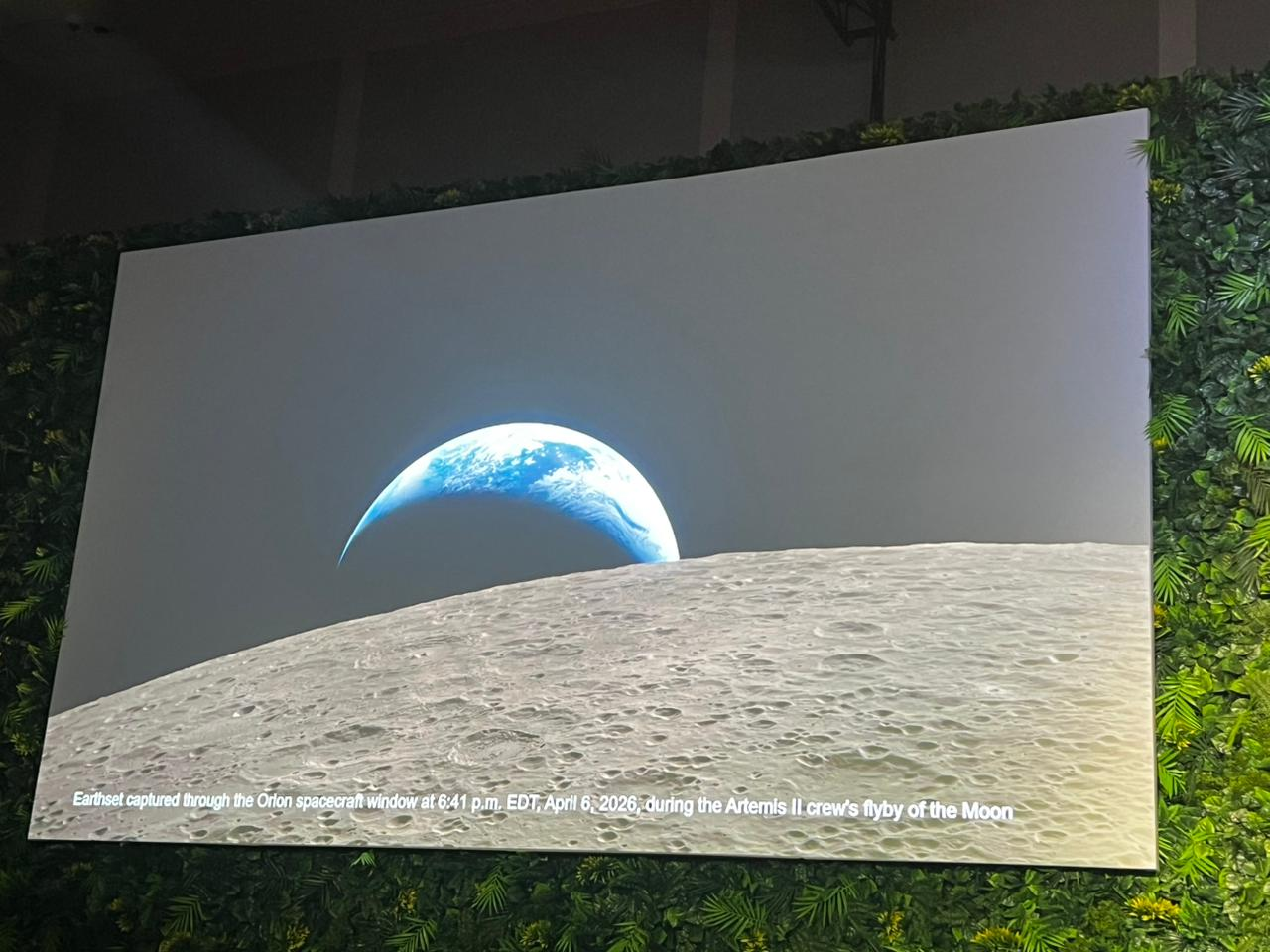
While referring to Atlantis STS-135 and Artemis-II, he underscored how there had been 22 more accident-free missions since the Columbia Tragedy.
Reflecting on NASA’s current direction, Mr. Saiz highlighted the transition from routine Earth-orbit missions to ambitious deep-space exploration under the Artemis programme. Commercial organizations such as Boeing, Blue Origin, and SpaceX were increasingly handling low-Earth orbit operations, allowing NASA to concentrate on returning humans to the Moon and eventually traveling beyond.
He also mentioned that NASA already uses AI for navigating rovers on Mars, planning trips to other planets, forecasting space weather, dealing with space debris, etc.
Rockets to Roses:
Transitioning from space exploration to the legal industry, Mr. Saiz talked about a paper he wrote with his colleagues at the University of Cambridge and his wife, Ms. Natalie V. Saiz, Former HR Director at Johnson Space Centre (NASA), on organizational culture and innovation.
He presented three key lessons:
-
Innovation Requires Psychological Safety: He stated that organizations innovate most effectively when employees feel safe challenging established practices. Addressing senior executives directly, he acknowledged that many leaders encourage staff to “challenge convention.” However, middle management often receives conflicting messages, i.e., being told simultaneously to innovate while also delivering immediate results. Leaders must therefore carefully consider the incentives and expectations they create throughout the organization.
-
Effective Risk Cultures & Continuous Learning: He opined that high-risk industries naturally become risk-averse because the consequences of failure are severe. Despite that, he underscored how effective risk cultures are built on continuous learning by taking calculated risks.
-
Knowledge Must Move Freely Across Boundaries: He remarked that innovation accelerates when ideas circulate across organizational and disciplinary boundaries.
Conclusion:
Concluding his keynote, Mr. Saiz returned to the central theme of his address and said,
“Don’t forget about the people. They are what got the organisation to where it is now. Encourage them. Encourage them to challenge conventions. Encourage them to experiment with new approaches. Pursue meaningful change.”