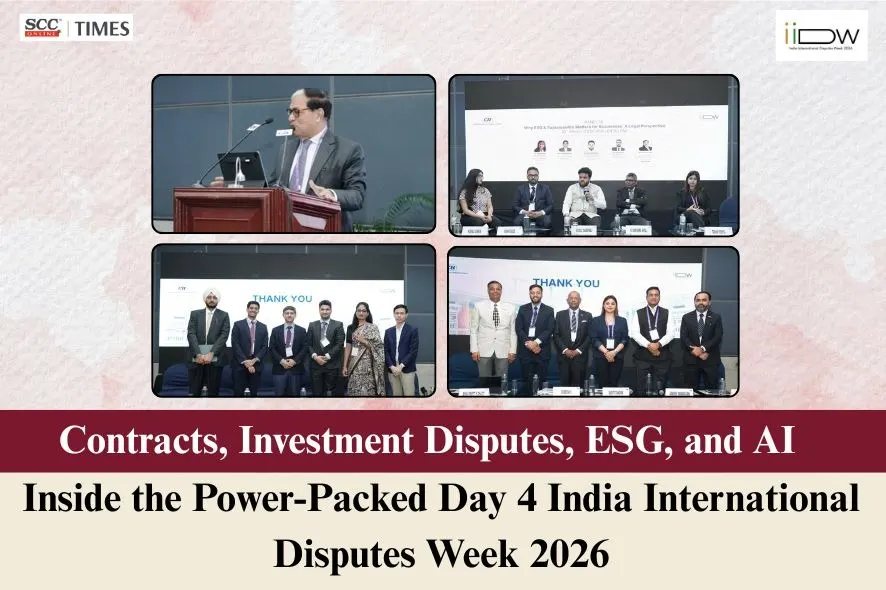
Day 4 of the India International Disputes Week 2026 (IIDW), based on the theme Commercial Disputes, captured key areas of contracts, capital, cross-border risk, and enforcement in a volatile global economy.
Opening Address Highlights Need for Efficient and Trusted Dispute Resolution
Kickstarting the conference, Dr Sameer Goel, Former Chairman, Confederation of Indian Industry (CII), Chandigarh, set the tone with his insightful address wherein he underscored the importance of events and conferences such as IIDW as they bring together two vital pillars of a thriving economy, i.e., industry and dispute resolution professionals.
“Constructive dialogue between business, lawyers, arbitrators, judges, and policymakers is essential for strengthening commercial certainty and building investor confidence.”
Regarding cross-border dispute resolution, he highlighted how IIDW had emerged as a significant national and international platform that seeks to strengthen India’s position as a credible hub for dispute resolution by bringing together judges, arbitrators, lawyers, businessmen, and policymakers across jurisdictions.
“An efficient and credible dispute resolution mechanism is a cornerstone for any robust economic system. Equally important is the effort to align global best practices with the realities of Indian law and procedures.”
In line with India’s aim to integrate more deeply with the global economy, he underscored that the efficiency, transparency, and credibility of our dispute resolution ecosystem will play a crucial role in determining investor confidence and commercial trust. Furthermore, the inauguration of the Chandigarh International Arbitration Centre (CIAC) represented an important step towards strengthening dispute resolution, as having access to credible professionals and an efficient forum was crucial for businesses operating in a dynamic economic environment.
Coming to the theme for the day, Dr. Goel remarked that global commerce today is characterized by economic volatility, geographical shifts, technological disputes, and increasingly complex cross-border transactions. Such global commerce required efficient, predictable, and trusted dispute resolution systems as hindrances affected capital flows, project timelines, and investor confidence. The heart of this commerce was the modern contract, which is a strategic document allocating risk, defining responsibilities, and anticipating potential disputes.
Thus, he concluded by expressing his hope for the success of this day’s discussions and his gratitude towards the organizers for taking this initiative.
Why Institutional Arbitration Matters: Insights from Justice Sikri’s Keynote Address
In his keynote address, Justice A.K. Sikri, International Judge, Singapore International Commercial Court, outlined the various topics of discussion that took place and will take place during the course of the conference to emphasize their relevance. He also spoke about the rise of alternative dispute resolution (ADR), especially at the international scale, with the establishment of international courts such as the International Court of Justice, International Commercial Courts (ICCs), etc., and ultimately, the advent of institutional commercial arbitration. Thereafter, he explored the distinction between ad hoc and institutional arbitration.
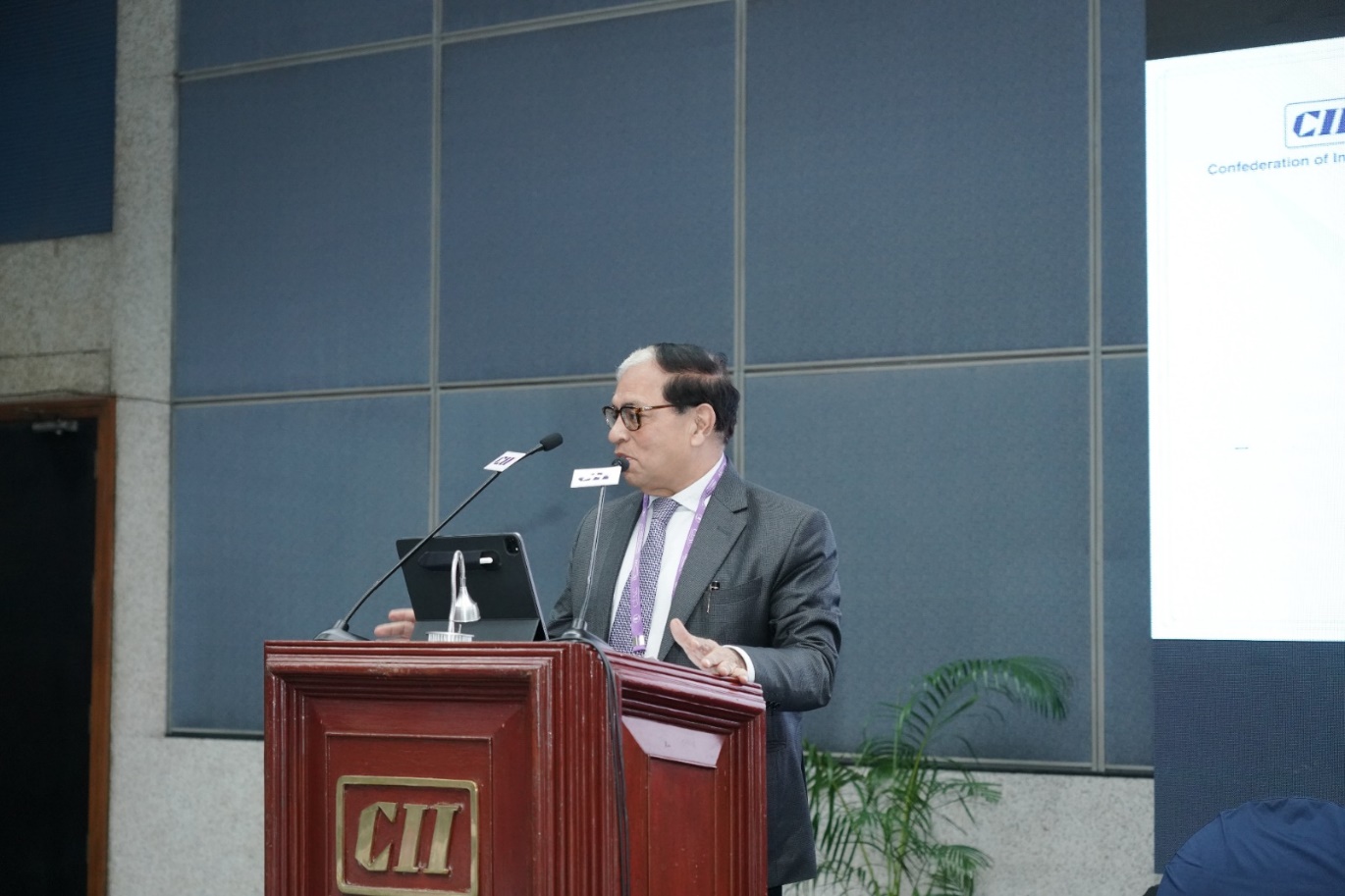
“India is a vast country, so unlike other countries, we can’t have only one such arbitration centre which will not be able to manage, and therefore many have come, and it is a good trend that the arbitration centres are set up by the high courts also.”
On the aspect of institutional arbitration, he remarked that there are a few institutions that have gained popularity, such as the London Court of International Arbitration, Singapore International Arbitration Centre, etc., which were international in terms of their disputes as well. Justice Sikri underscored that in order to become a hub for international arbitration, India must become a seat of choice for cross-border disputes.
Reflecting on the journey of international arbitration institutes, he mentioned how previously the international seats would apply the law of the seat country, and how that raised concerns about the applicability of the law. But this was solved by institutions having judges of the nationality concerned for a certain dispute.
Underscoring the common critiques of arbitration, such as ballooning costs, delays, extensive evidence documents, concerns of impartiality, etc., Justice Sikri shed light on the birth of ICCs. He remarked that this development marked a shift in how states and legal systems approached complex high-stakes international disputes, with some ICCs attempting to position themselves as alternatives to the role traditionally held by international commercial arbitration.
Looking at the reducing distinction between the court system and arbitration, he highlighted the interesting phenomenon of how arbitral tribunals were often adopting judicial elements, whereas the ICCs were adopting arbitration-like processes, leading to the ICCs integrating arbitration with judicial elements. He remarked that, “This evolving interplay will undoubtedly shape the future of international commercial dispute resolution.”
He also spoke about the impact of recent geopolitical developments on international trade and disputes, especially on businesses that were now shifting to safe-harbour countries where the rule of law would prevail, and their wealth would be protected.
In conclusion, Justice Sikri reflected on his experience as the Judge of Singapore International Commercial Court to outline how ICCs work, why they may be preferred instead of arbitration, their procedures, and their advantages.
Panel 12: Breaking Down Contracts in a Global Economy
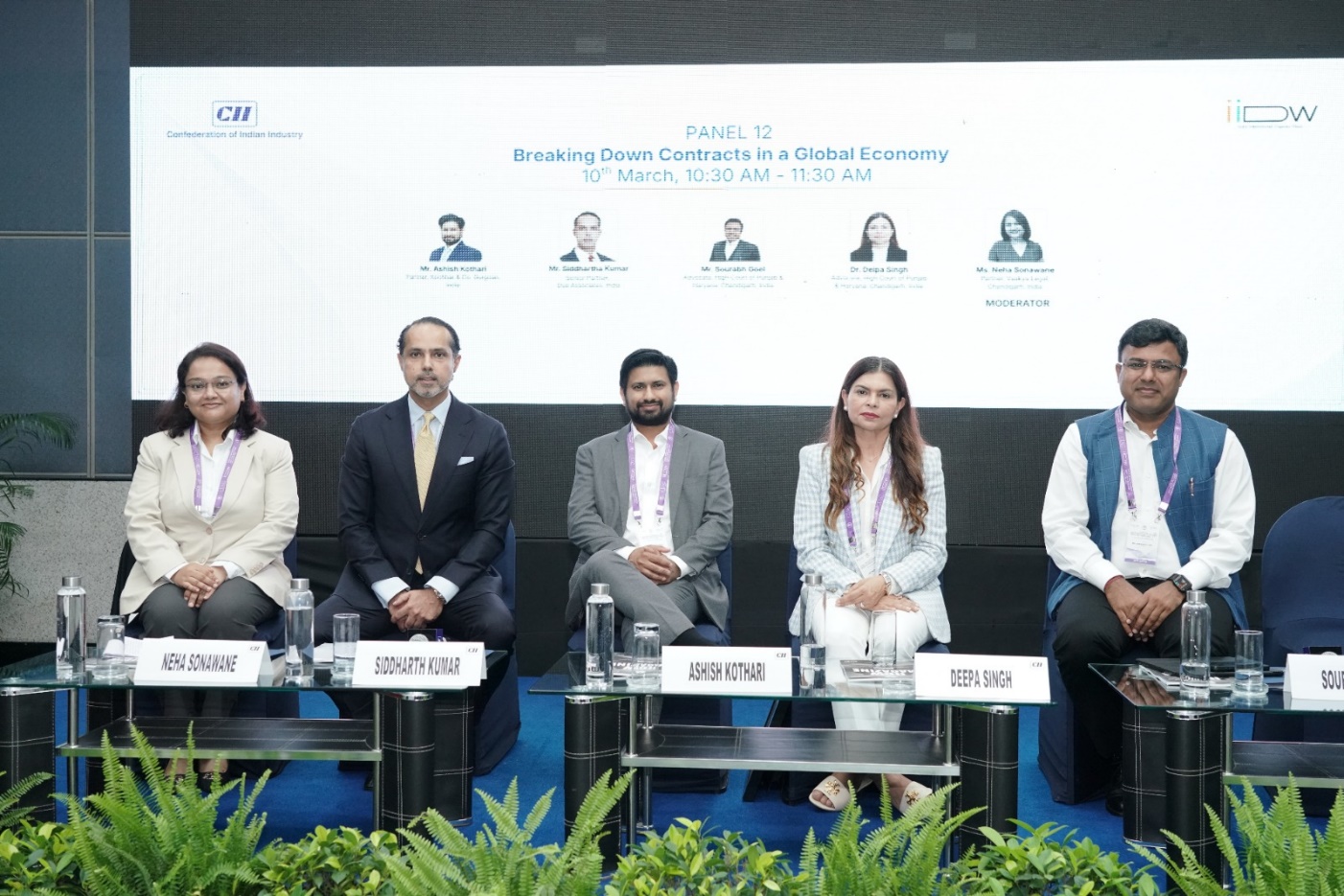
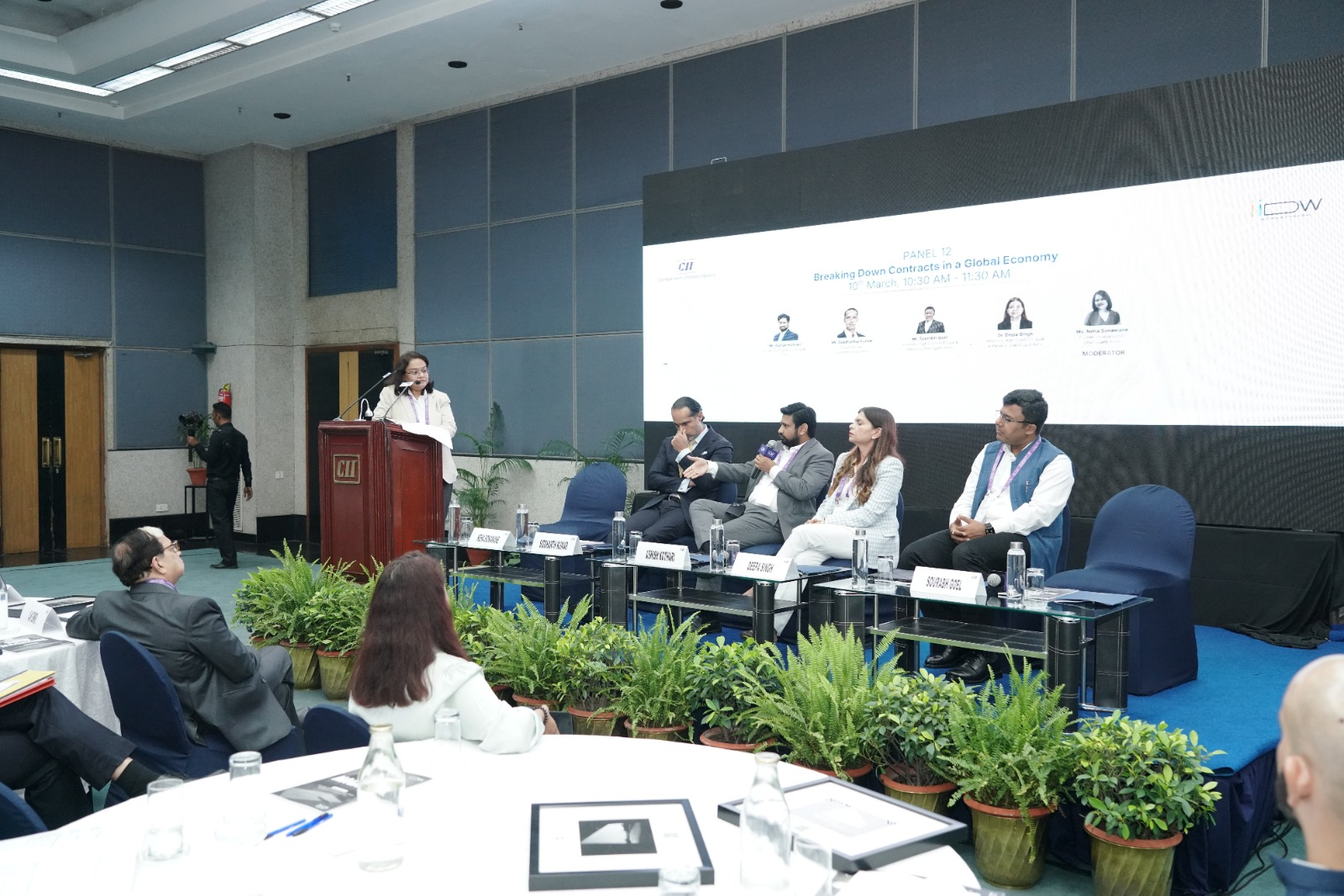
Underscoring the relevance of the construction of a contract, this panel was graced by panellists namely, Mr. Ashish Kothari, Partner, Kochhar & Co. Gurgaon; Mr. Siddhartha Kumar, Partner, Dua Associates; Mr. Sourabh Goel, Advocate, High Court of Punjab & Haryana, Chandigarh; Dr. Deipa Singh, Advocate, High Court of Punjab & Haryana; and the moderator, Ms. Neha Sonawane, Partner, Vaakya Legal, Chandigarh.
Panel 13: Cross-Border Trade & Investment Disputes & Leveraging India’s Expertise
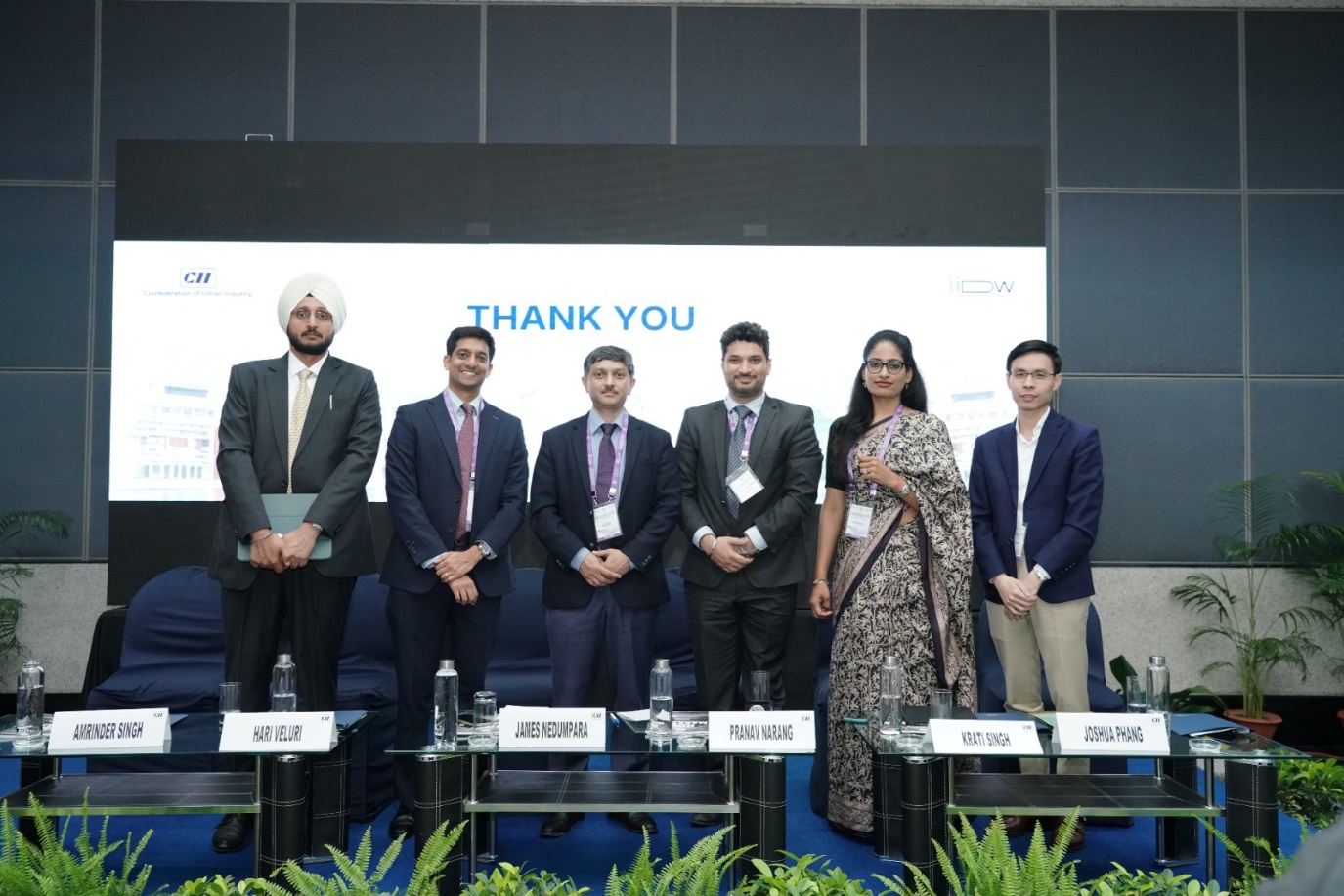
Moderated by Mr. Amrinder Singh, Advocate, High Court of Punjab & Haryana, this panel consisted of eminent professionals namely, Dr. James Nedumpara, Head of Centre for Trade & Investment Law, Government of India; Mr. Pranav Narang, Associate, Centre for Trade and Investment Law, Ministry of Commerce & Industry, Government of India; Ms. Krati Singh, Executive Partner, Lakshmikumaran & Sridharan, Chandigarh; Mr. Hari Veluri, Director, Providence Law Asia, LLC, Singapore; and Mr. Joshua Phang, Director (Disputes), TSMP Law Corporation, Singapore.
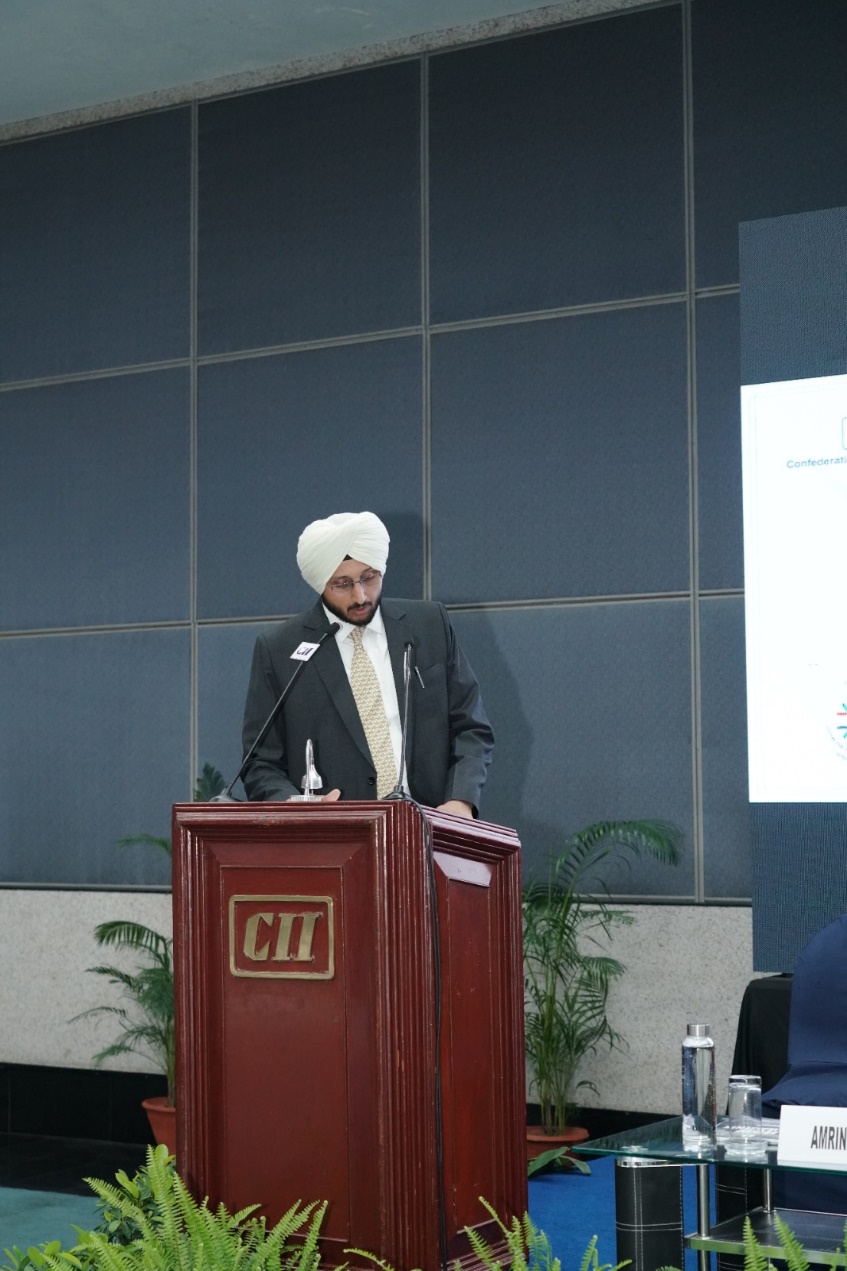
Kickstarting the session, Mr. Amrinder Singh spoke about the several frameworks that come into play in a cross-border trade investment, such as the World Trade Organization (WTO) system, Free Trade Agreements (FTAs), and investment treaties. In this backdrop, Dr. James Nedumpara provided a comprehensive macro-perspective on the international trading system, focusing on the objective of stability and predictability for businesses. He began by outlining the foundational role of the WTO, which operates on two main principles: capping tariffs to prevent protectionist spikes and ensuring non-discriminatory treatment for imported goods and services.
Addressing the current volatility in global trade, Professor James noted that while most nations adhere to international law, the WTO’s dispute settlement mechanism is currently impaired due to the dysfunction of its appellate body. He argued that FTAs serve as a “second layer of safety” to ensure market access and a pragmatic alternative to the slow consensus-building process of the WTO. He illustrated this by comparing the speed of bilateral agreements with that of multilateral deals like the WTO Fish Subsidies Agreement, which take a long time to negotiate.
“The bilateral agreements are quicker, faster, and easier to implement. So, I would not call it completely a fragmentation [of the WTO system]. It is actually a building block.”
On strategic considerations in bilateral agreements, Dr. Nedumpara highlighted the shift towards “trading with values,” particularly by the European Union. He explained that modern FTAs increasingly embed sustainability, which is argued as unfair by developing countries who contend that the developed countries have emitted their share of carbon dioxide, but they are imposing restrictions on developing countries. He also mentioned the recent trend of making business practices more efficient, socially responsible, environmentally friendly, gender sensitive, anti-corruption, and democratic principles. For example, the EU requires partners to value human rights and democratic principles as well as commit to the Paris Agreement.
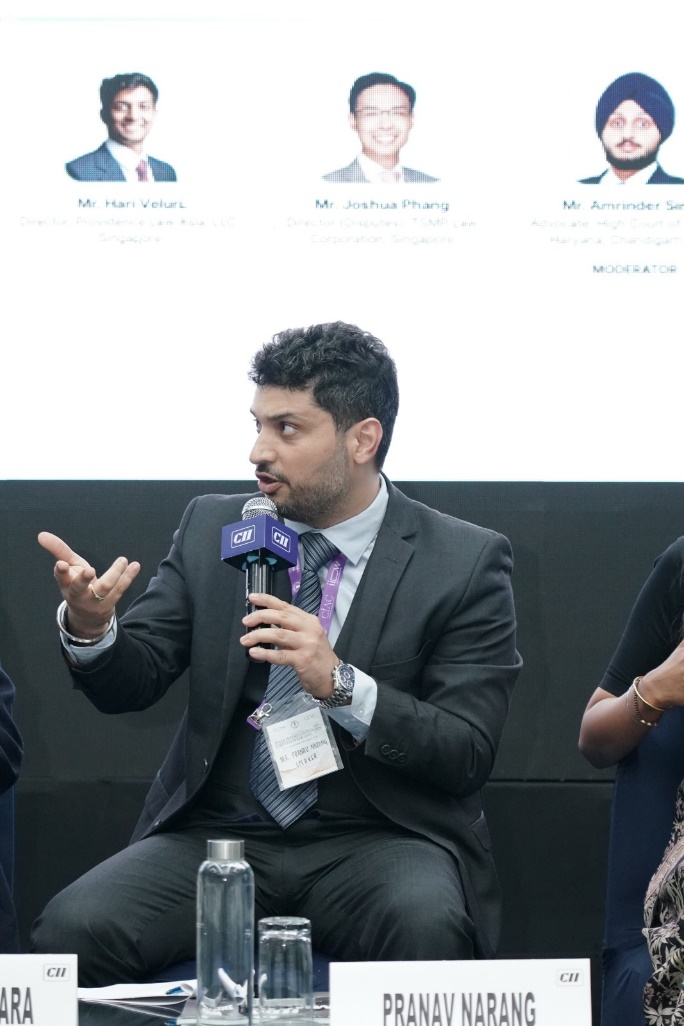
Taking the discussion forward, Mr. Pranav Narang offered a detailed analysis of the services sector within India’s recent FTAs, specifically focusing on the European Union and the United Kingdom. He identified professional services, such as engineering and accounting services, as key areas of interest, while acknowledging these developed economies had some sensitive sectors like education and legal, which had regulatory barriers. Elaborating on legal services, Mr. Narang noted that developed economies like the UK and the EU maintain reservations on the practice of their law by foreign lawyers. However, he highlighted the achievement in the UK FTA regarding the mutual recognition of home-state law practice.
Underscoring the substantive obligations such as market access and national treatment, he mentioned how services face requirements like residency for certain professionals, and most of these professions are regulated by independent professional bodies, like the Bar Council of India. He argued that harmonization in professional services requires cooperation with these independent professional bodies rather than enforcement. He cited the inclusion of provisions recognizing professional experience alongside educational qualifications as a positive step towards bridging regulatory gaps.
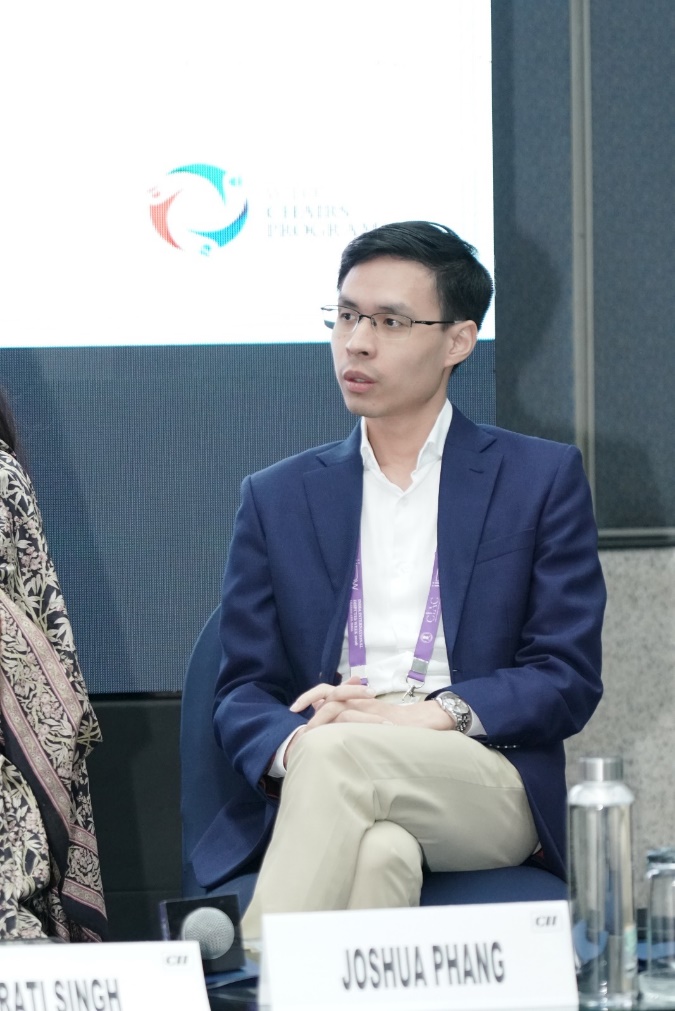
After discussing the macro and policy perspective, Mr. Singh invited Mr. Joshua Phang to define Bilateral Investment Treaties (BITs), how investor-state arbitrations arise under BITs, and the difference between investor-state arbitration and commercial arbitration.
At the outset, Mr. Phang defined a Bilateral Investment Treaty as an agreement between two states that allows investors to claim protection for their investments in the other State’s territory. Then, he explained the difference between commercial arbitration, which relies on a contract between two private parties, and investor-state dispute settlement (ISDS), where the dispute is between an investor and a State exercising non-sovereign functions. He illustrated the practical difference between the two and their complex overlap when, for example, a foreign parent company invests in a local subsidiary and the strategic choices that foreign investors have if a dispute arises in such a scenario.
Mr. Phang further explained that investors may sometimes have the option to pursue both contractual and investment treaty claims. However, legal tests such as the “triple identity test” often prevent parallel proceedings. He weighed the pros and cons of ISDS, noting that while it allows investors to leverage public pressure against the State, it carries risks such as long processes and challenges related to state immunity during enforcement.
On the aspect of BITs, Dr. Nedumpara traced the journey of India from the first BIT in 1994 to the 2015 Model BIT. He explained that the policy shift was a reaction to certain cases and retrospective taxation disputes, aiming to reaffirm the state’s policy space. He noted the introduction of stricter provisions, such as the requirement to exhaust domestic remedies for five years before seeking ISDS.
He further provided a critical assessment of India’s 2015 Model BIT, stating that it was a state-friendly, had limited protection, and significantly watered-down substantive provisions, leading to a lack of appetite from other nations to sign agreements based on this model.
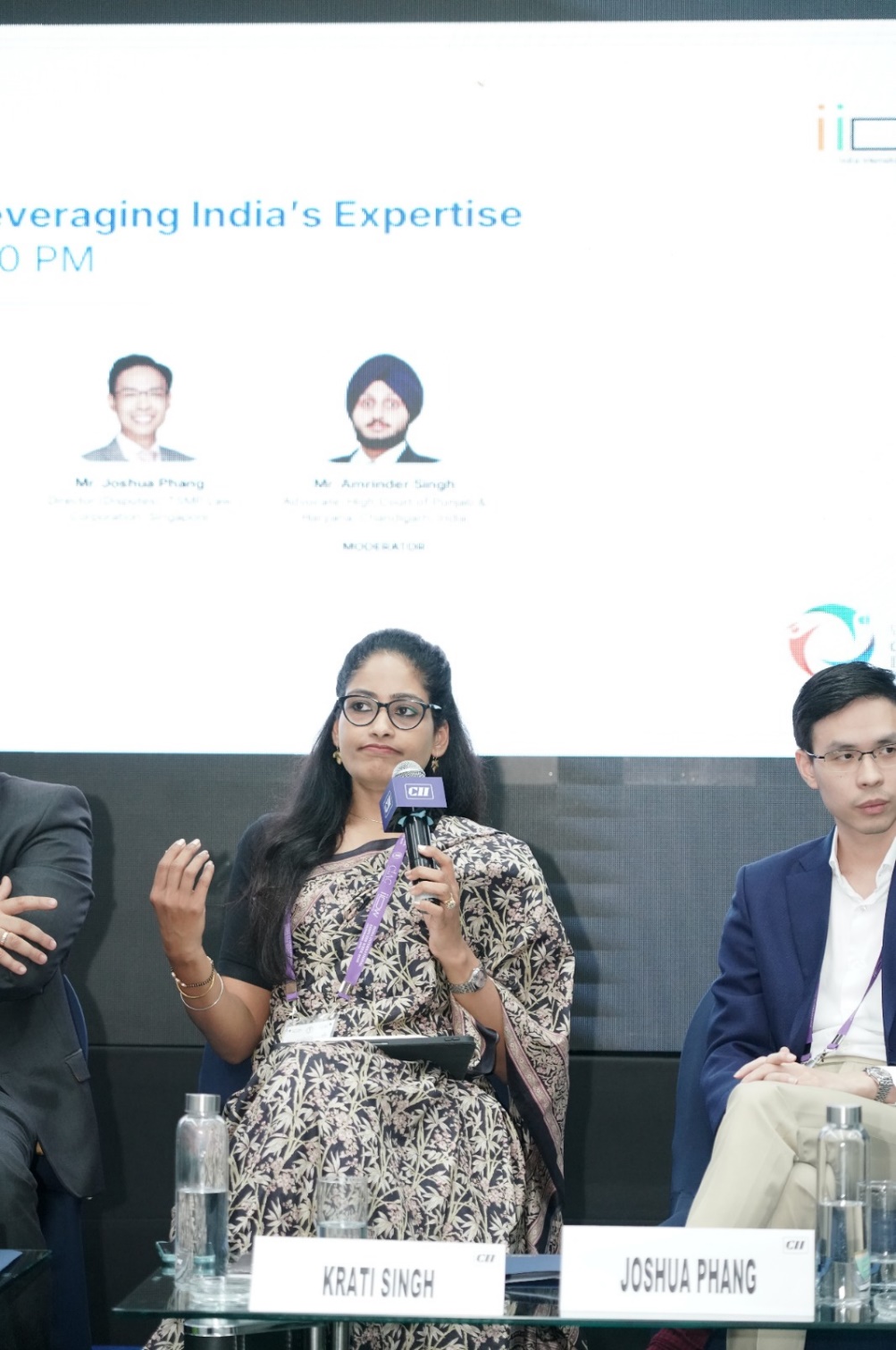
Speaking from a domestic perspective, Ms. Krati Singh spoke about domestic governmental response to geopolitical tensions, sanctions, and tariffs. She outlined measures employed by the Indian government to protect local businesses:
-
Challenge Tariffs before the WTO: While theoretically the best route, Ms. Singh acknowledged the practical difficulties due to the slow pace of the WTO and certain countries not receiving the desired results. She cited the instance where China successfully challenged an Indian export incentive scheme, forcing its withdrawal. It can also be a good negotiating tactic.
-
Retaliatory Tariffs: She noted that “revenge tariffs” are often of limited utility for India against developed nations due to India not being a big market for them.
-
Alternate Markets (Strategic FTAs): The government is actively pivoting towards new markets with better terms when faced by heavy tariffs from a country to which India heavily exports. She explained that India moved away from FTAs with countries having similar manufacturing expertise (like Japan and Korea), which led to trade deficits, to partnering with nations where expertise is complementary.
-
Domestic Incentivization: In response to conflicts like the Israel-US-Iran tensions, she stated that the government has provided relief to exporters by waiving penalties, extending deadlines for export obligations, and reducing import tariffs on raw materials to cushion manufacturing costs.
Adding to the discourse, Mr. Hari Veluri delved into private-to-private investment disputes. He identified the desire for “exit” as the most common trigger for disputes, where investors invoke put options or contractual guarantees to withdraw from unviable investments. However, he highlighted a growing concern regarding the “tug of war” between the Indian and Singaporean Courts over jurisdiction.
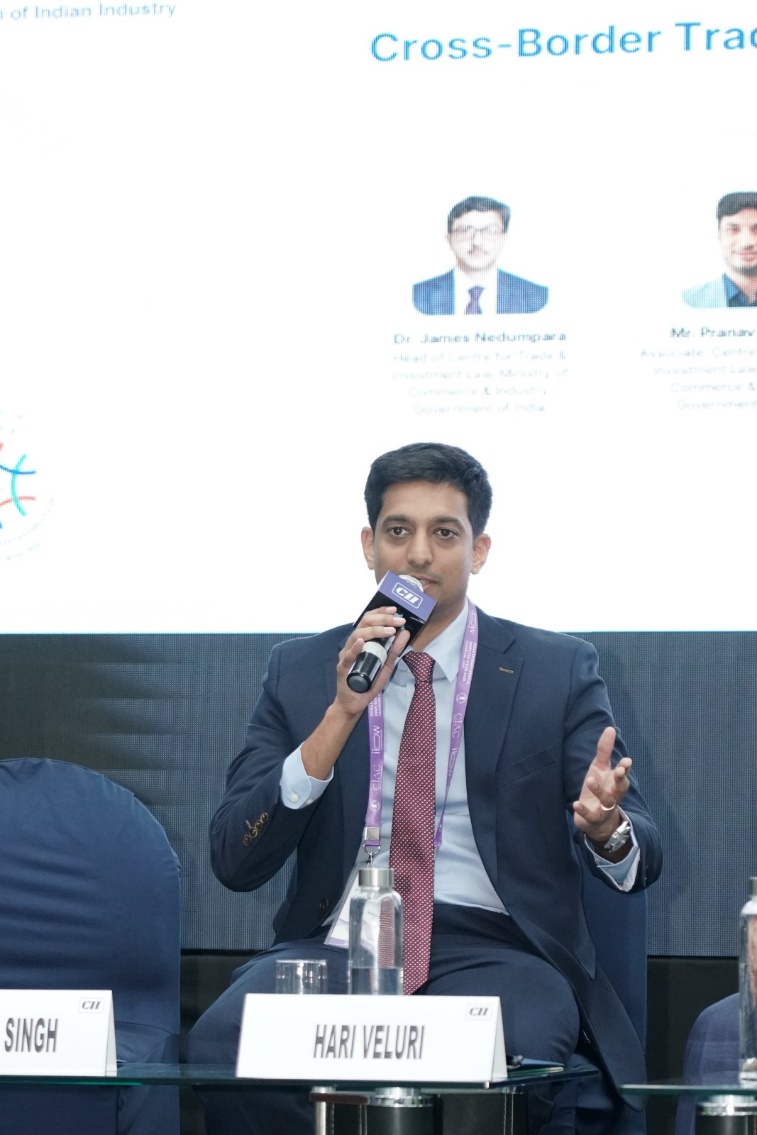
He cited the example of Anupam Mittal v. Westbridge Ventures II1, where the Singapore court ruled that the arbitration agreement was governed by Singapore law, whereas the governing law of the contract was Indian law. One party claimed that the claims involved oppression and mismanagement, which had to be arbitrated; the other claimed that such claims under Indian Law cannot be arbitrated and have to be decided by the National Company Law Tribunal. He also referenced the Engineering Projects (India) Ltd. v. MSA Global LLC, 2025 SCC OnLine Del 5072, where an Indian court granted an injunction against an arbitral tribunal despite the Singapore seat court having already dismissed the challenge.
“The problem I foresee for businesses is that there is an utter lack of predictability on the prior question of where these disputes are even going to be resolved.”
Mr. Veluri also flagged regulatory interference, specifically due to a SEBI Master Circular from July 2023, which requires a specific ODR mechanism. This potentially overwrites contractual arbitration clauses agreed upon by parties, creating significant uncertainty for cross-border investors.
The panel further discussed changes in investment policies due to changes in ISDS mechanisms, enforcement of arbitral awards, the ICSID Convention, practicalities of international investment, jurisdictional challenges, and much more.
The panel concluded with a short question-and-answer segment with the audience.
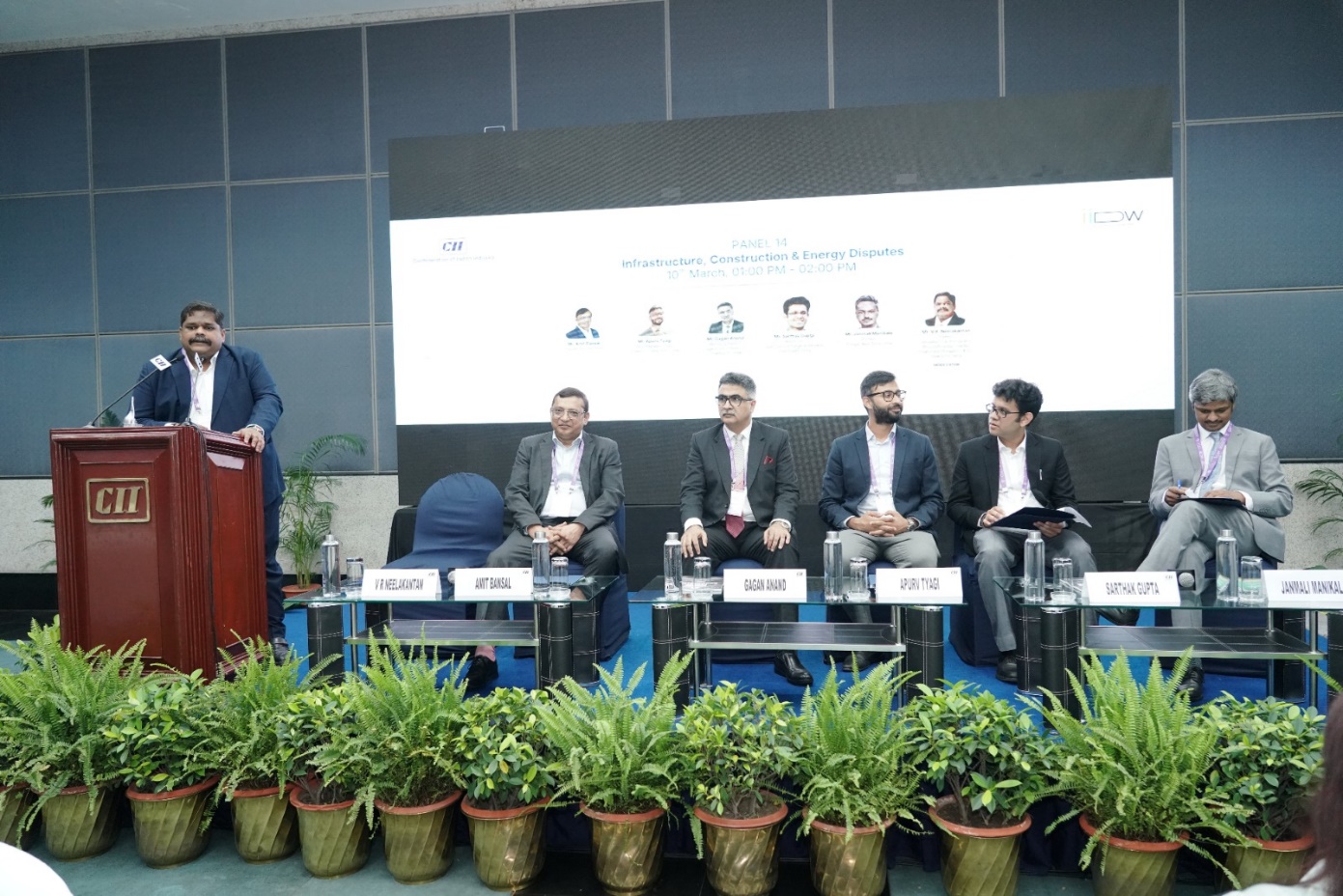
Panel 14: Infrastructure, Construction & Energy Disputes
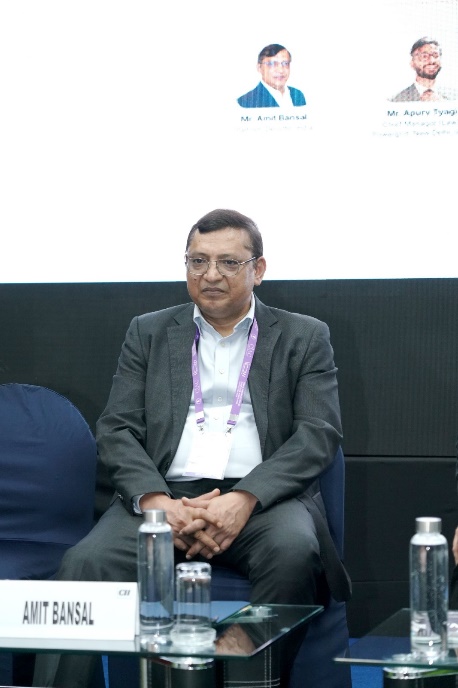
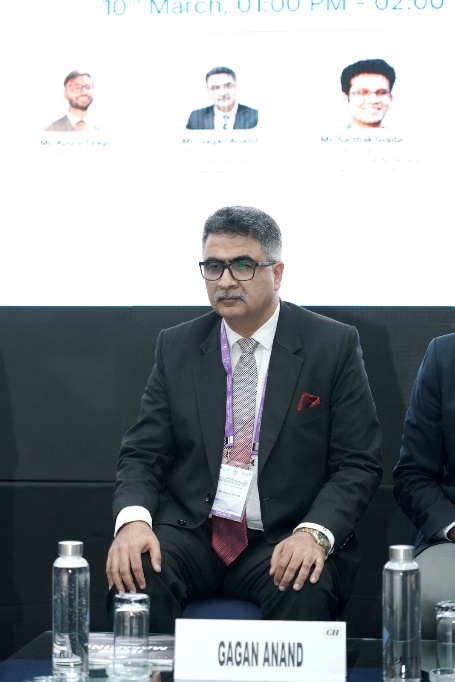
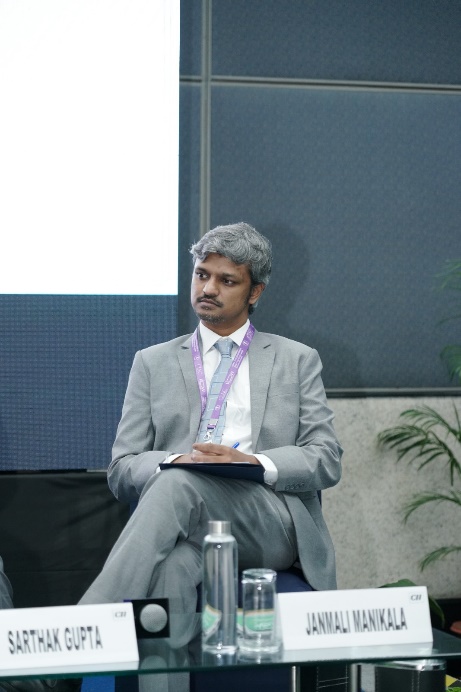
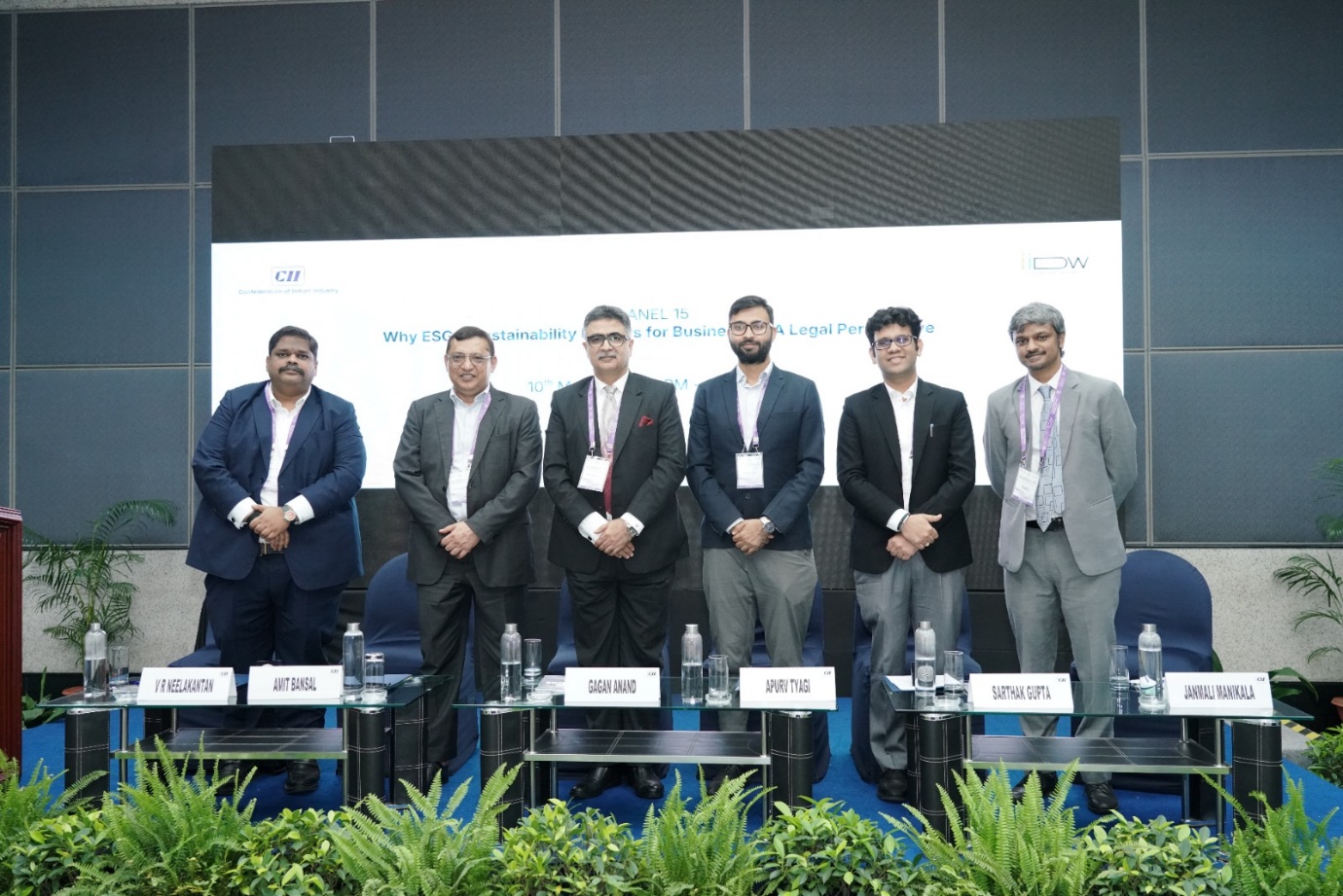
On the aspect of dispute resolution in infrastructure, construction, and energy sectors, the IIDW 2026 hosted this panel consisting of Mr. Amit Bansal, Partner, Deloitte, India; Mr. Apurv Tyagi, Chief Manager (Law), Powergrid, New Delhi; Mr. Gagan Anand, Managing Partner at Legacy Law Offices LLP, Chandigarh; Mr. Sarthak Gupta, Advocate, High Court of Punjab & Haryana; Mr. Janmali Manikala, Partner, Trilegal, New Delhi; and Mr. V.R. Neelakantan, Partner, Infrastructure, Energy and Project Finance, Shardul Amarchand Mangaldas & Co., New Delhi, as the moderator.
Panel 15: Why ESG & Sustainability Matters for Businesses: A Legal Perspective
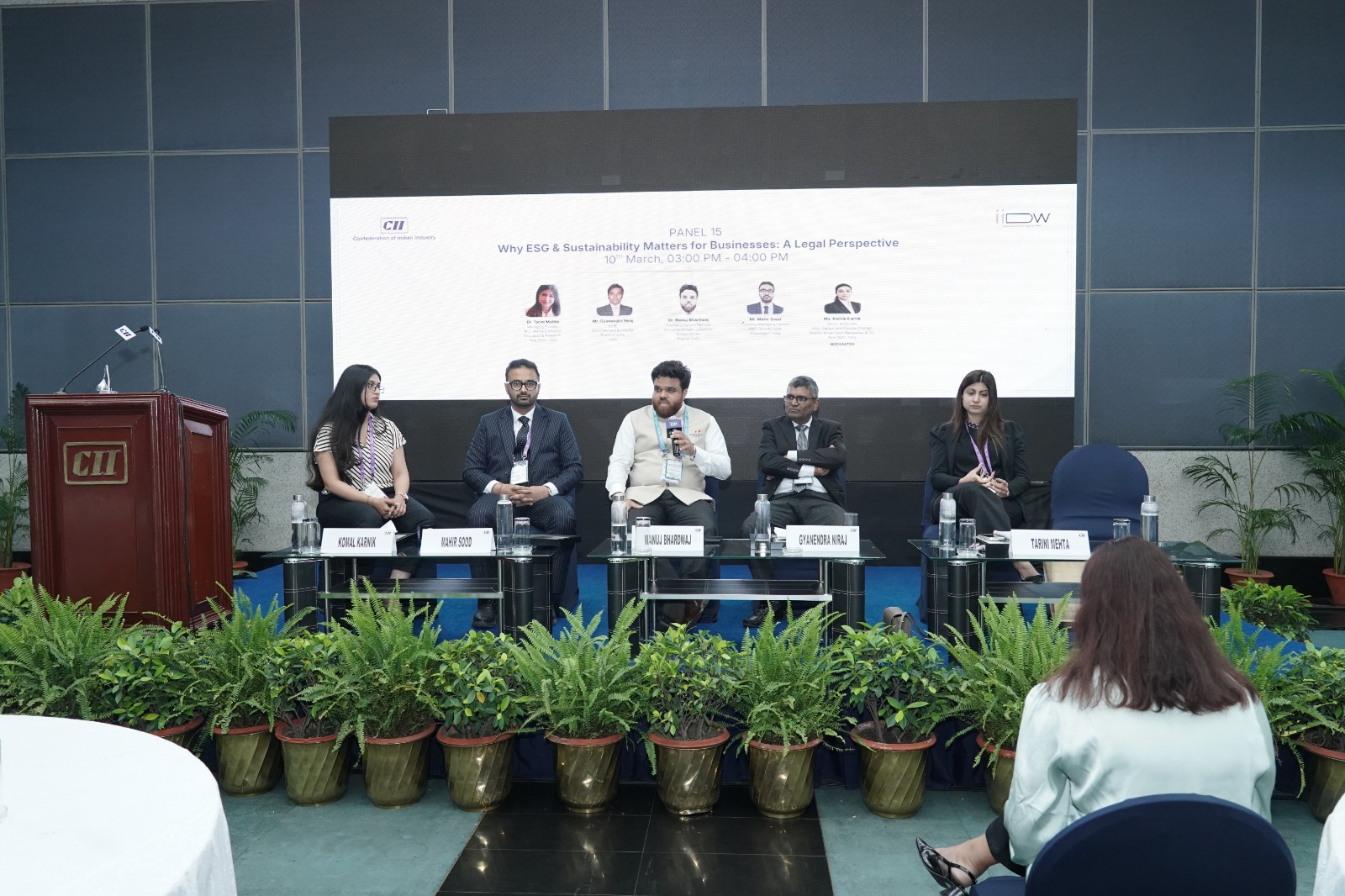
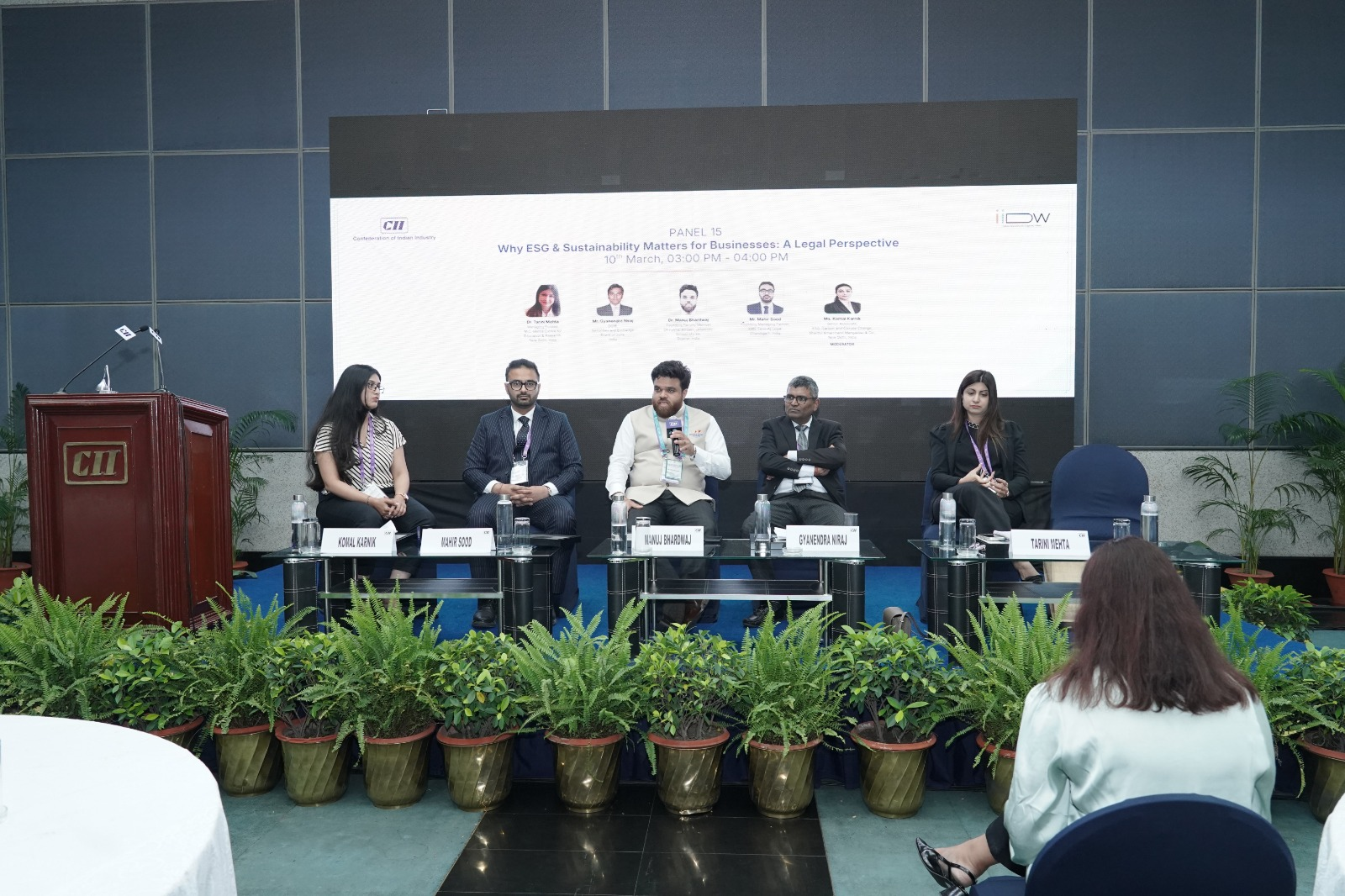
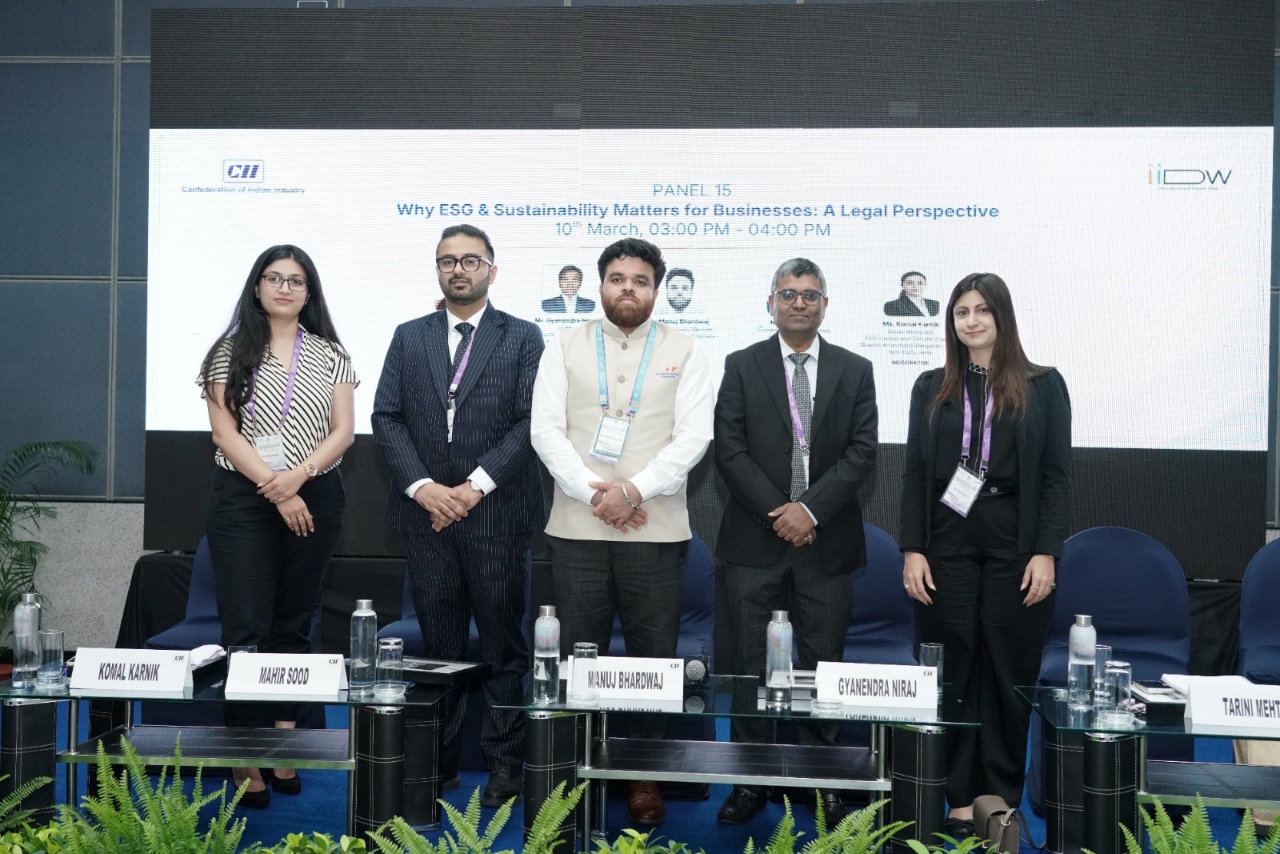
Moderated by Ms. Komal Karnik, Senior Associate, ESG, Carbon and Climate Change, Shardul Amarchand Mangaldas & Co., New Delhi, this panel was graced by panellists namely, Dr. Tarini Mehta, Managing Trustee, M.C. Mehta Centre for Education & Research, New Delhi; Mr. Gyanendra Niraj, DGM, Securities and Exchange Board of India (SEBI); Dr. Manuj Bhardwaj, Founding Faculty Member, Dhirubhai Ambani University School of Law, Gujarat; and Mr. Mahir Sood, Founding Managing Partner, AMS Genesis Legal, Chandigarh.
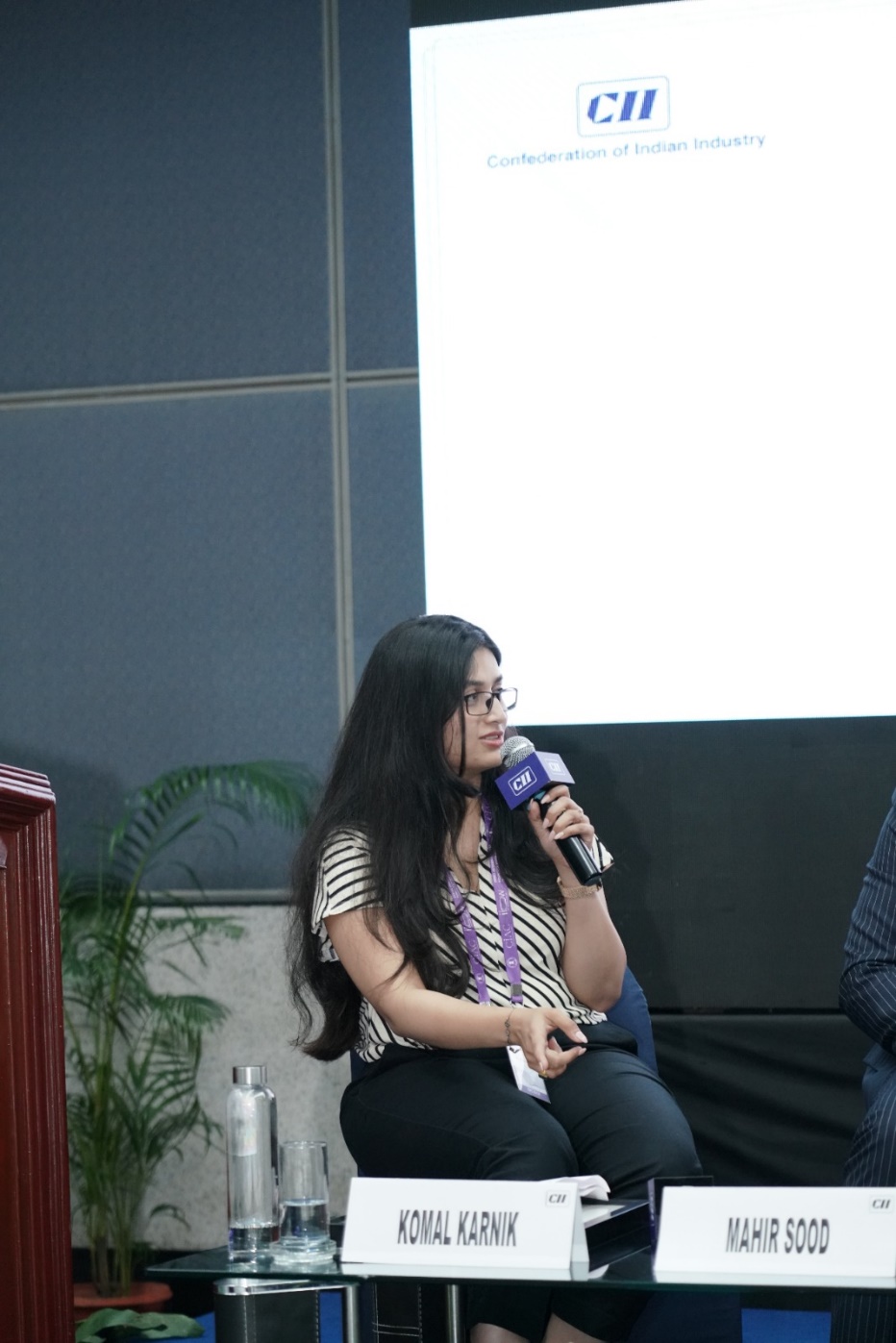
At the outset, Ms. Komal Karnik gave a brief background of the session, underlining how recent geopolitical tensions have disrupted supply chains, energy markets, and businesses. With such intertwined energy security, geopolitical analysis, climate policy, and global trade, businesses had to learn to manage and mitigate risk. She emphasised that Environment and Social Governance (ESG) considerations had moved beyond mere sustainability reporting, positioning it instead as a critical component of legal risk management and corporate viability.
In this backdrop, she asked Dr. Tarini Mehta whether ESG will strengthen the environmental jurisprudence or become just another form of compliance and reporting.
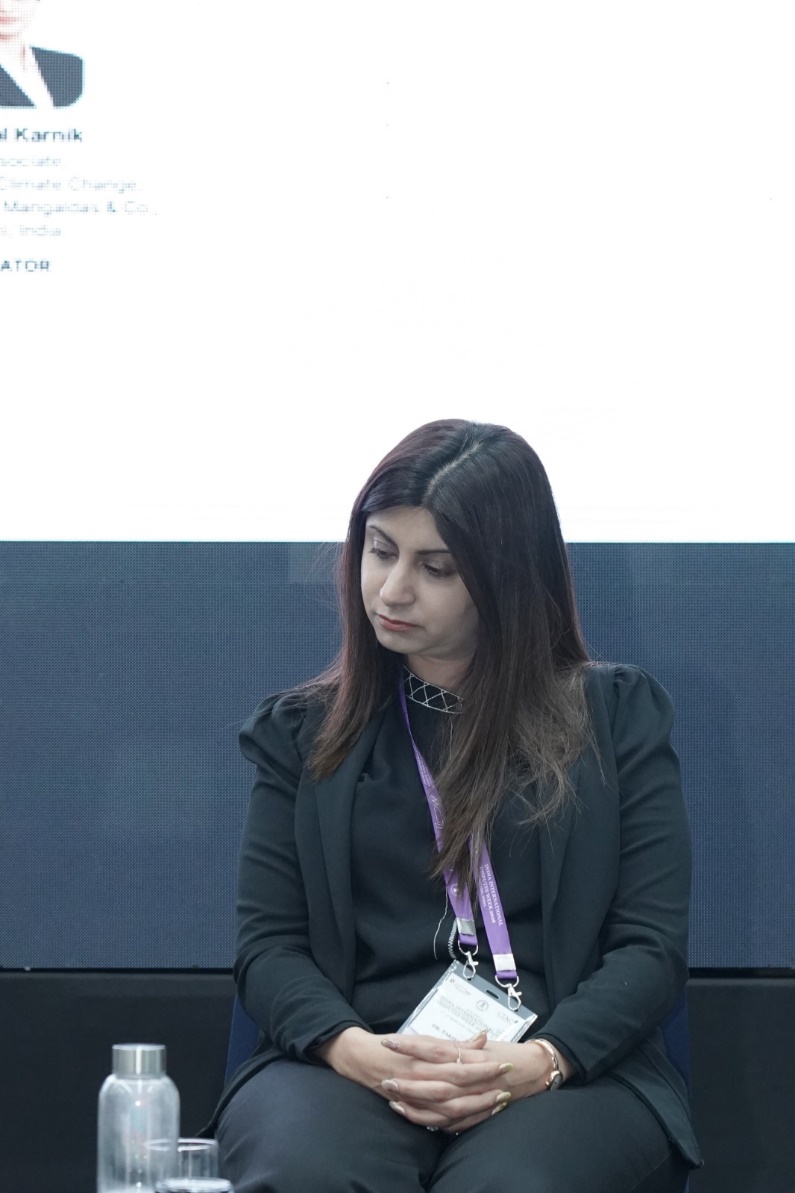
Dr. Mehta provided a macro perspective on the environmental crises driving the ESG agenda, citing alarming statistics on biodiversity loss, pollution, plastic pollution, waste generation, climate change, e-waste, fast fashion pollution, etc.
“If you look at the statistics, about 62 million tons of e-waste were generated in 2022, which was an 82% increase from 2010. So just in 12 years, there was an 82% increase. And this is expected to reach a figure of about 82 million in 2030.”
She argued that the current “take-make-waste” business model, fuelled by planned obsolescence, is unsustainable. She posited that ESG must be viewed not merely as compliance, but as essential risk management for the long-term viability of businesses.
“About a million garments are produced every year, which amounts to about 1.2 billion tons of CO2 in the atmosphere. Consumption has gone up by about 60% since 15 years. But the things that people are buying, they’re using for half the time. So, we have 92 million tons of textile waste produced annually, out of which only 1% is recycled. Plus, of course, this industry is highly resource extractive. The water that the fashion industry uses could meet the water needs of 5 million people.”
Underscoring that we were nowhere near the Paris Agreement goal of global temperature, Dr. Mehta remarked, “We are actually heading towards a 2.6 to 2.9-degree temperature rise, which means that this is going to lead to droughts and floods, etc., which is going to impact supply chains, which is going to impact raw materials. ESG is therefore not just about compliance. It is about risk management for the planet and companies. Because if companies do not start implementing ESG, their businesses are not going to remain viable in the next 10, 20, 30 years.”
While acknowledging the prevalence of greenwashing, she expressed hope in a “hybrid governance model” where Courts, investors, consumers, and civil society collectively hold corporations accountable for greenwashing, not meeting their climate targets, or worsening the climate crisis. She emphasized that the scale of the climate crisis leaves no alternative but to adopt these frameworks.
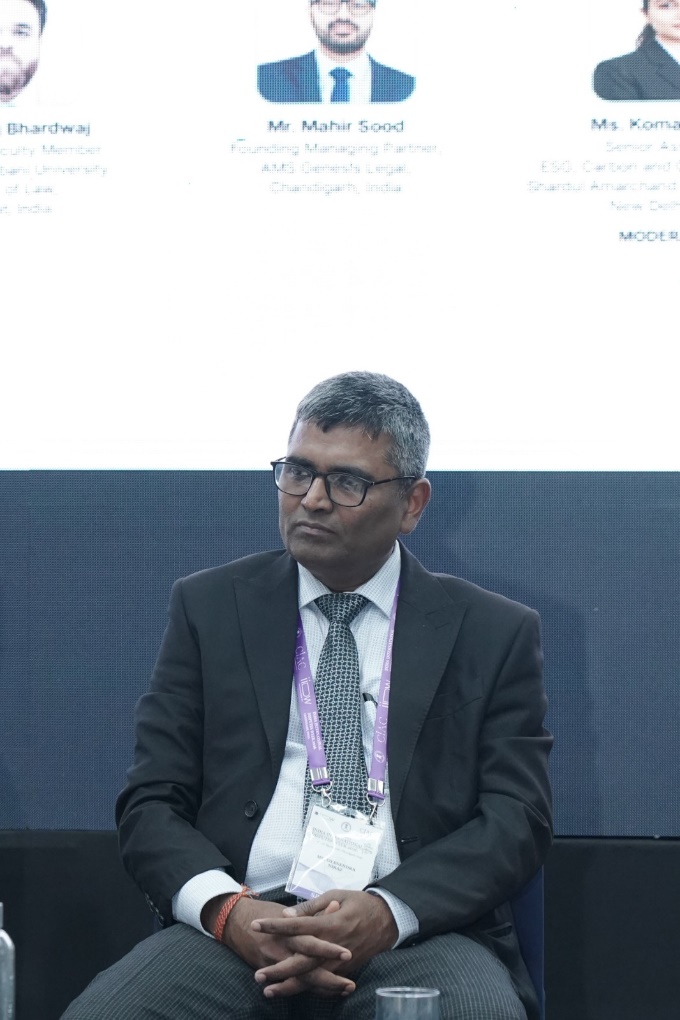
Speaking from the regulator’s perspective, Mr. Gyanendra Niraj distinguished between “governance” and “compliance,” describing governance as a belief system rather than a checklist. He highlighted that risk management was a very important component of SEBI’s Business Responsibility and Sustainability Reporting (BRSR) framework, wherein the Board of Directors is responsible for compliance. On the same line regarding greenwashing, he noted that companies file under ESG despite not needing to do so due to foreign investors who were serious about ESG compliance.
Addressing the tension between environmental goals and economic growth, especially the difference between the developed and developing countries, he remarked, “There is always a fight between green and growth. If you are too green, you will have to compromise a little with the growth. If you grow too much, you will have to compromise with the green.”
Mr. Niraj highlighted that Micro, Small, and Medium Enterprises (MSMEs) could not be burdened with heavy compliance at this stage, as it would hinder business growth and development. However, SEBI had created a BRSR Code, a subset of BRSR, which provides for 46 essential compliances that cannot be compromised, such as climate, human rights, gender equality, etc. Furthermore, India had ESG Rating Providers who rated companies on ESG compliance, KPIs, etc.
In conclusion, he underscored that SEBI, as a regulator, had created regulations and taken measures to mitigate such risks posed by climate change.
On the shift of corporates towards sustainability, Dr. Manuj Bhardwaj provided a doctrinal perspective, arguing that ESG should be viewed as a “business enabler” rather than a hurdle. He also argued that ESG should be market-regulated instead of legally regulated.
“ESG for me and for everyone should be an enabler. It should be a business enabler. It should not be seen as a risk. It should not just be seen as a compliance.”
He highlighted the challenges faced by MSMEs in adapting to frameworks like the Carbon Border Adjustment Mechanism (CBAM), noting that MSMEs are often ill-equipped to handle these new trade barriers. In this regard, he mentioned the program Raising and Accelerating MSME Performance, or RAM, wherein the government of India and the World Bank monetarily help MSMEs to work on different areas, including greening/ decarbonization.
To answer the question, Dr. Bhardwaj opined that ESG is shareholder-driven as of now, but it is moving towards stakeholder-driven due to consumer choices.
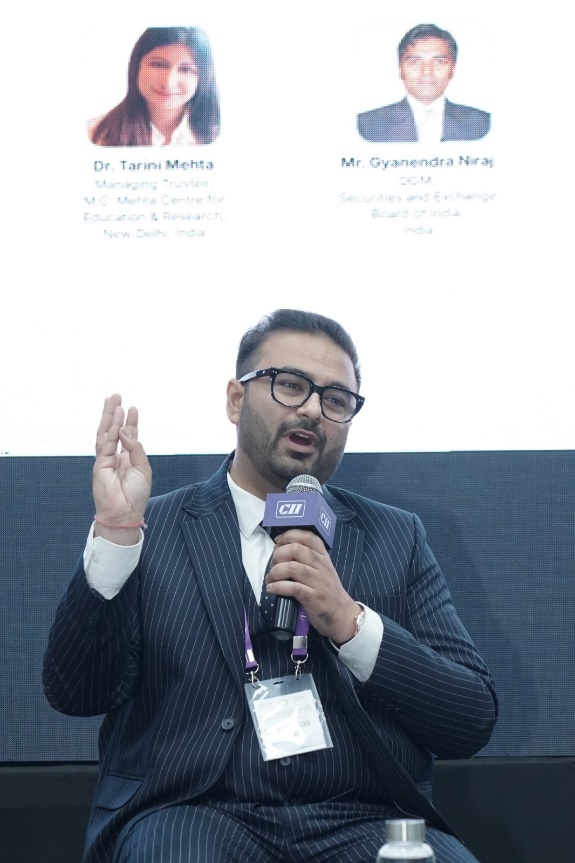
Regarding the effect of supply chain disruptions on disputes and contracts, Mr. Mahir Sood remarked that ESG arose out of the concept of sustainability and the Sustainable Development Goals(‘SDGs’) laid down by the United Nations. Further, he traced the evolution of ESG in India from Corporate Social Responsibility, i.e., Section 135 of the Companies Act, 2013, to the current BRSR regime. He also analysed how ESG obligations intersect with our daily lives and contract law, specifically regarding public policy (Section 23 of the Contract Act, 1872) and damages (Sections 73 and 74). In this regard, Mr. Sood also discussed the arbitrability of ESG disputes, citing the Supreme Court’s decision in Vidya Drolia v. Durga Trading Corpn., (2019) 20 SCC 406, wherein the Court held that disputes with a wider societal impact may be non-arbitrable.
On the commercial aspect, he mentioned the established environmental jurisprudence, such as the polluter pays principle, which could be invoked for ESG non-compliance as a ground in a civil suit. He also cited Cyrus Investments (P) Ltd. v. Tata Sons Ltd., (2018) 211 Comp Cas 481, where she illustrated how issues of corporate governance were increasingly being adjudicated by Courts, signalling that ESG failures can lead to significant litigation risks.
The panel further discussed complicated defences in disputes due to ESG compliance, fragmented ESG regulation in India, ESG as a tool of climate accountability, ESG non-compliance being treated as a breach of fiduciary duty, sensitization towards the environment, and more.
Lastly, the panel concluded with a round of questions & answers with the audience.
Panel 16: Commercial AI, Data Liability & Protection
In the backdrop of the rise of AI, the last panel of the day included eminent speakers namely, Mr. Puneet Jindal, Senior Advocate, High Court of Punjab & Haryana, Chandigarh; Mr. Adarsh Ramanujan, Advocate, High Court of Delhi; Ms. Suditi Tandon, Senior Officer, Global Data Privacy, Forvia Hella, New Delhi; Mr. Suressh S, Partner, Harry Elias LLP, Singapore; Mr. Bhavpreet Singh Dhatt, Advocate, High Court of Punjab & Haryana, Chandigarh; and moderator, Mr. Kush Wadhwa, Partner, Grant Thornton, Gurugram.
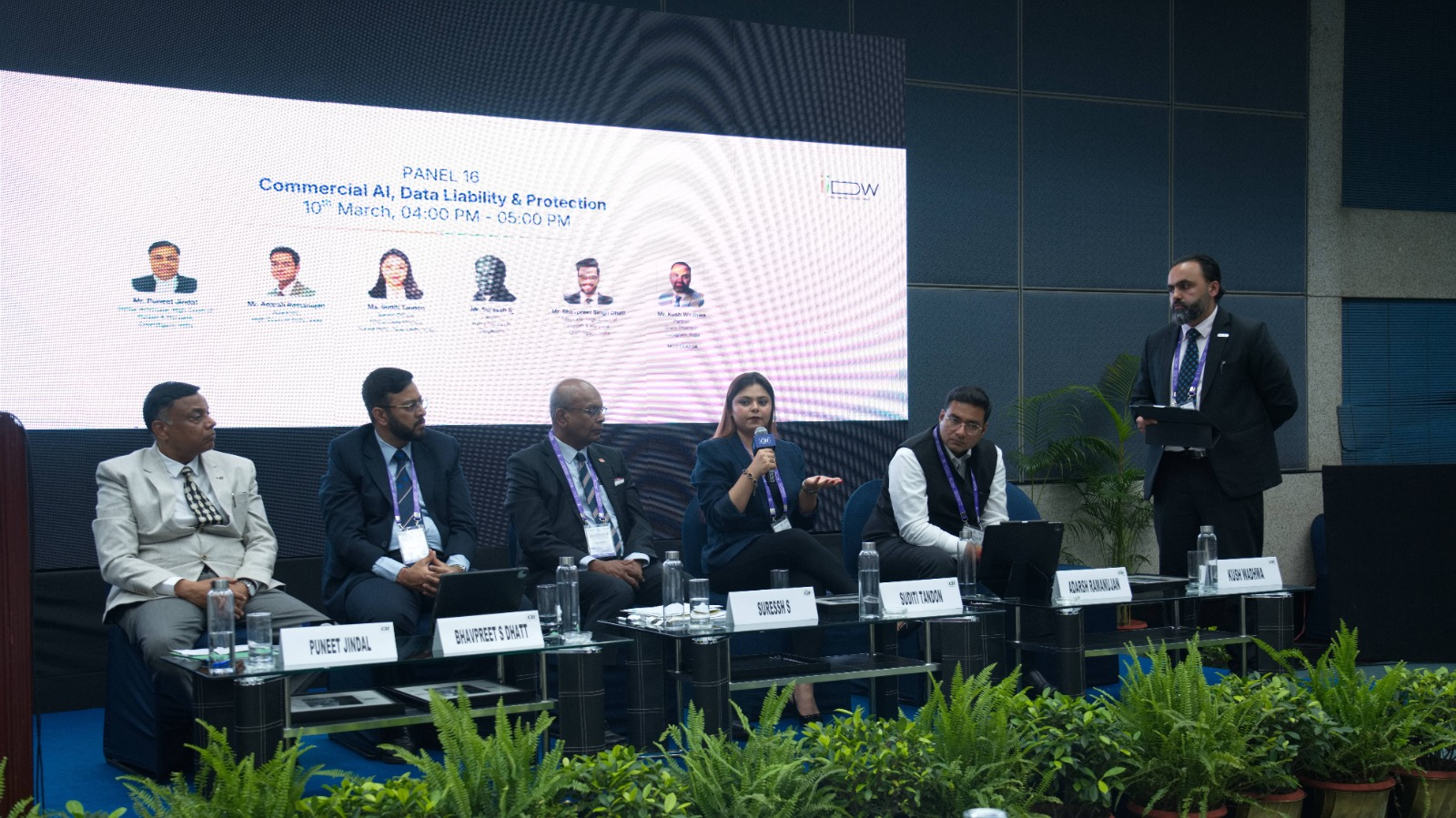
At the outset, Mr. Kush Wadhwa set the agenda by highlighting the severity of data breaches in the current geopolitical climate. He pointed out that data exfiltration is not confined to attackers but propagates through the dark web to state and non-state actors globally.
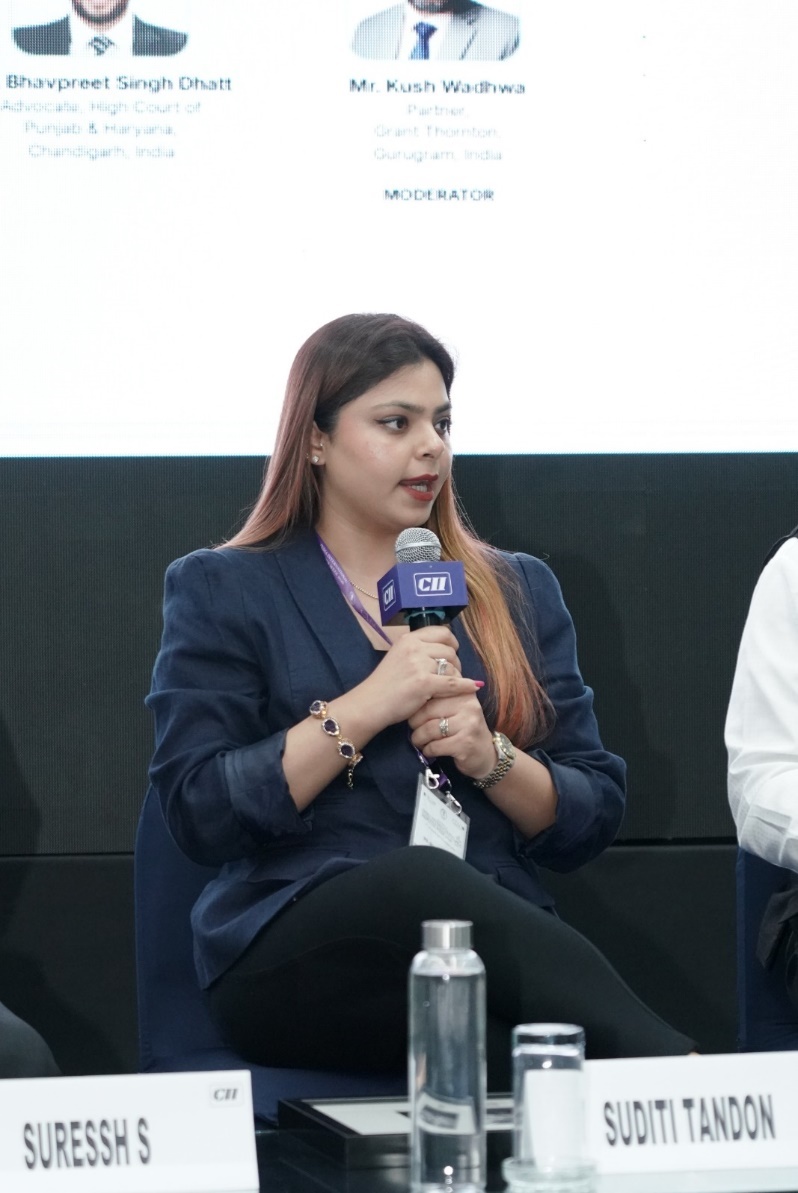
On the question of common vulnerabilities of organizations towards data breaches, Ms. Suditi Tandon addressed the root causes of data breaches, shifting the focus from external hackers to internal vulnerabilities. She identified the primary issue as “data shadowing,” where organizations lose track of the vast amounts of data copies stored across various tools and drives. She emphasized that without proper data mapping and assessment, compliance is impossible.
“It is the people within that create most of the data breaches that we currently know. Organizations right now have so much data that they don’t know how many data shadows, data copies, or data they are actually creating. …If you do not know what data or how much valuable data you have, how will you go about protecting that data?”
The second vulnerability, according to Ms. Tandon, was the risks arising from unrestricted employee access privileges and weak authentication of work-from-home or international employees who have such access. The last vulnerability was the risks from third-party AI and SaaS tools, wherein organizations are unaware how much configuration they have allowed into their data.
She argued that addressing these internal “building blocks” is a prerequisite for preventing data breaches and compliance with the Digital Personal Data Protection (DPDP) Act, 2023.
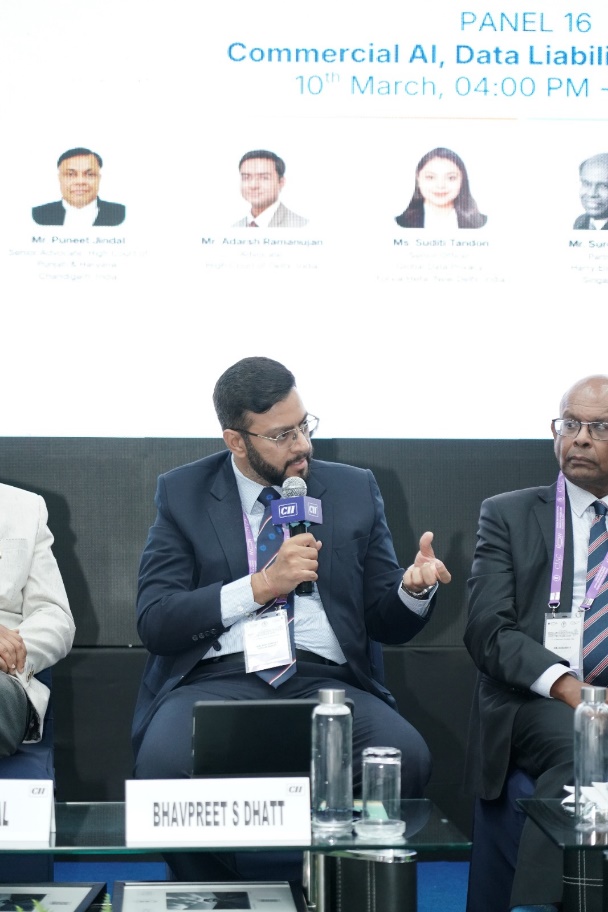
Speaking on contractual liabilities, Mr. Bhavpreet Singh Dhatt argued for a robust framework that clearly allocates responsibility among the multiple actors in the AI ecosystem, comprising developers, deployers, and end-users. He cited the Taylor Swift deepfake case to illustrate the difficulty in fixing liability when content is user-generated.
He stressed that contracts must embed data protection and cybersecurity obligations, such as data minimization and consent provided for in the DPDP Act. He also mentioned the New York Times Company v. Microsoft Corporation2, wherein the New York Times data was being used by OpenAI. He further shed light on the hallucination by AI, especially as seen in a famous case where Courts discovered that cases relied upon or filed by lawyers were AI-generated and not real.
Mr. Dhatt also underscored the importance of having an audit of their data models, the training data, and data-related procedures, and these audits should be embedded in contracts.
Mr. Wadhwa added to the conversation by pointing out the gaps between the current vendor contracts, which did not mention liability clauses in case of a data breach, thus making the client unprotected. He insisted that contracts with major technology giants must be renegotiated to include liability coverage and support during breach investigations, rather than leaving investigators at a “dead end.”
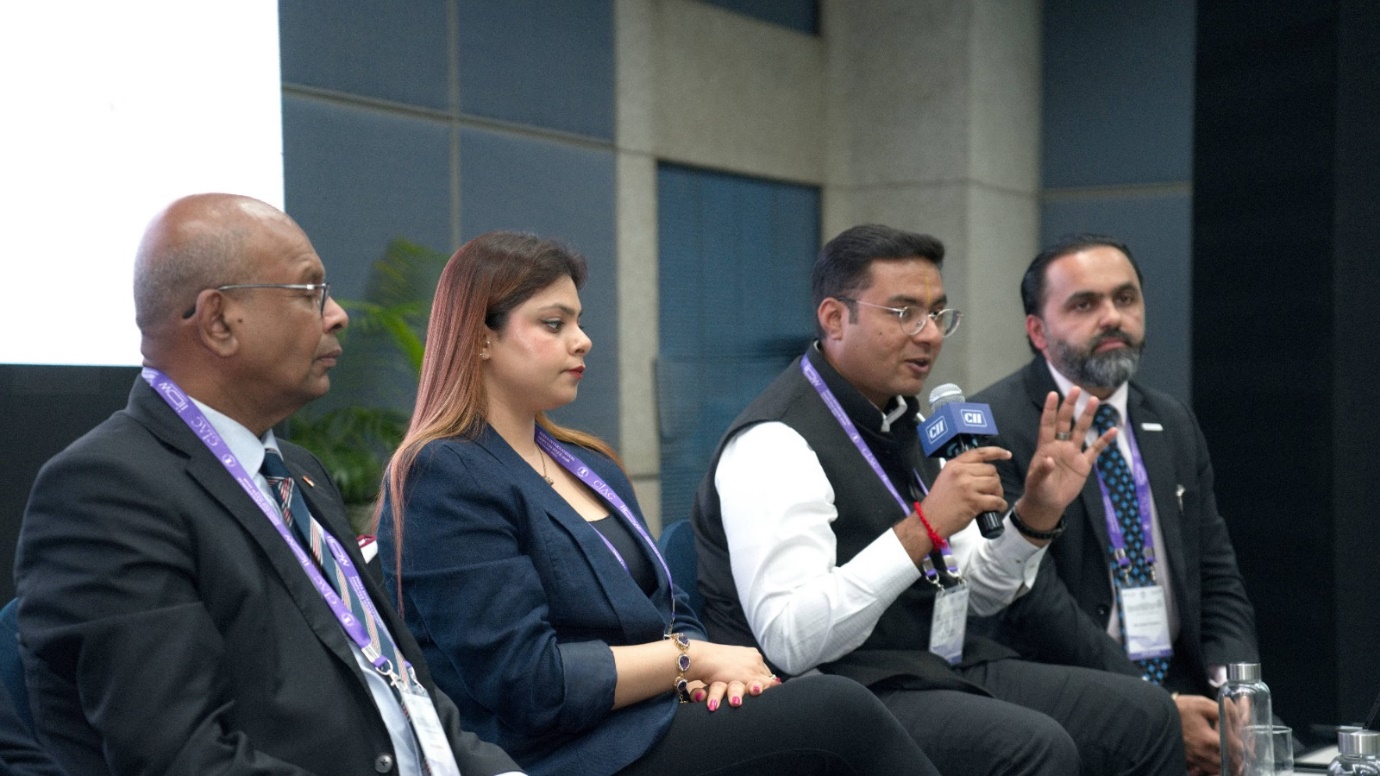
Moving on to the compliance blind spots, Mr. Adarsh Ramanujan identified “ignorance” as the biggest compliance blind spot for organizations deploying AI. He warned that AI deployers often sign standard-form contracts with developers without understanding the implications of uncontrolled cross-border data transfers, particularly if the data is transposed to negative list countries under the DPDP Act.
In this regard, he referred to the EU AI Act, wherein deployers using someone else’s model with a rebranded name would have full liability for the AI despite being at the bottom of the supply chain and not actually making the AI. Using the example of an insurer suing an AI developer for hallucinated legal advice, he also illustrated the concept of “foreseeable harm” and how deployers could be caught in litigation despite having no privity with the developer.
Thus, Mr. Ramanujan advocated for engineers to understand the implications of the contracts that they were signing.
On the topic of emerging standards of accountability, Mr. Suressh S addressed the feasibility of auditing AI systems. He cautioned that while audits are desirable, the “black box” nature of AI processing often makes them impractical except at high levels of analysis. He advocated for a risk-based approach, distinguishing between low-risk applications, like ride-hailing, and high-risk scenarios requiring strict governance.
He also explained that the way that AI generates outcomes did not require audits, as the process is usually mapped out, but the regulators and consumers will demand access to this audit due to transparency concerns regarding the data. Thus, he suggested that transparency or audits could potentially be written into contracts.
The panellists agreed that transparency regarding how data was sourced, collected, and processed was crucial.
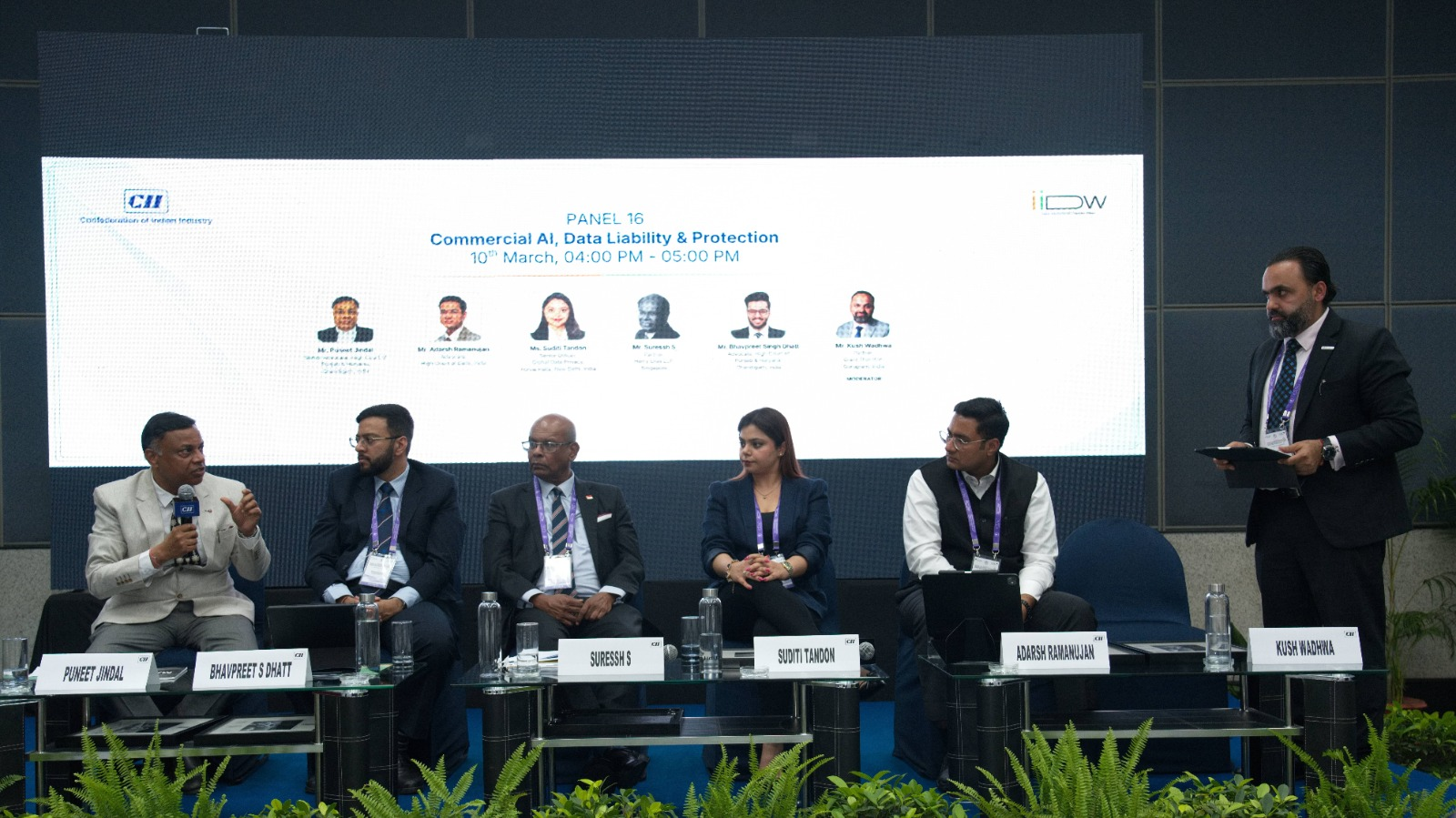
Adding to the discussion, Mr. Puneet Jindal delved into how contractual liability can be structured between AI vendors and clients in the event of a data breach. At the outset, they traced the network of people who are connected to creating an AI, such as coders, deployers, cloud service providers, etc. In case of a data breach, the liability would depend on the various license agreements, master service agreements (MSAs), or SAS agreements signed between the parties. He also cited Bharathi Knitting Co. v. DHL Worldwide Express Courier, (1996) 4 SCC 704, to explain how limited liability clauses function in service chains. He explained that in the absence of specific statutes, barring the DPDP Act and Consumer Protection Act, 1986, liability is currently governed by MSAs.
Mr. Jindal suggested that liability should be determined as per the percentage of participation of a particular player in the transaction and the nature of the transaction. Further, a human should still be in control of the AI and be involved in the process.
In conclusion, the panel held a short question-and-answer session with the audience.
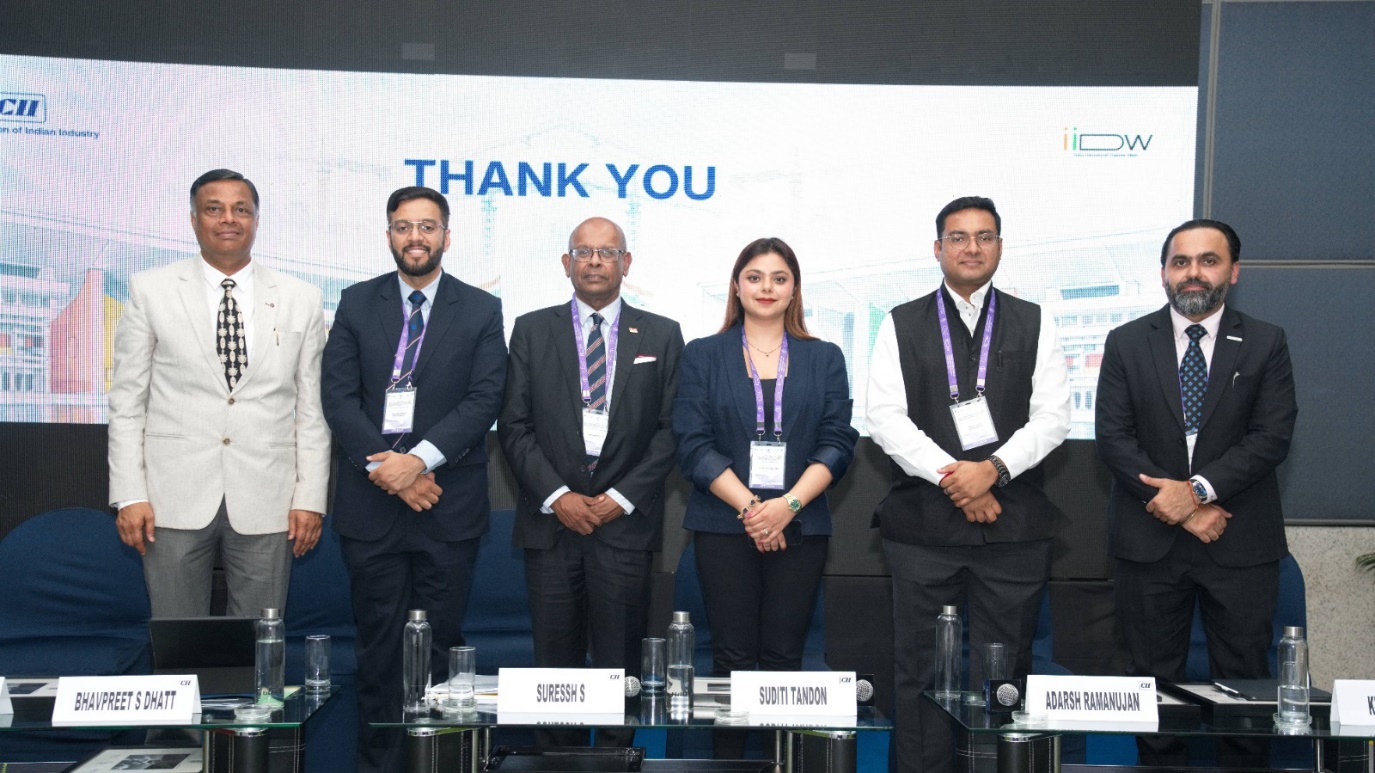
Thus, Day 4 of the IIDW 2026 captured illuminating conversations ranging from Cross-Border Trade and Investment Disputes to ESG and Sustainability, from geopolitical uncertainties to Commercial AI, from construction disputes to data breaches, and so much more.
1. [2023] SGCA 1
2. Case 1:23-cv-11195-SHS-OTW