








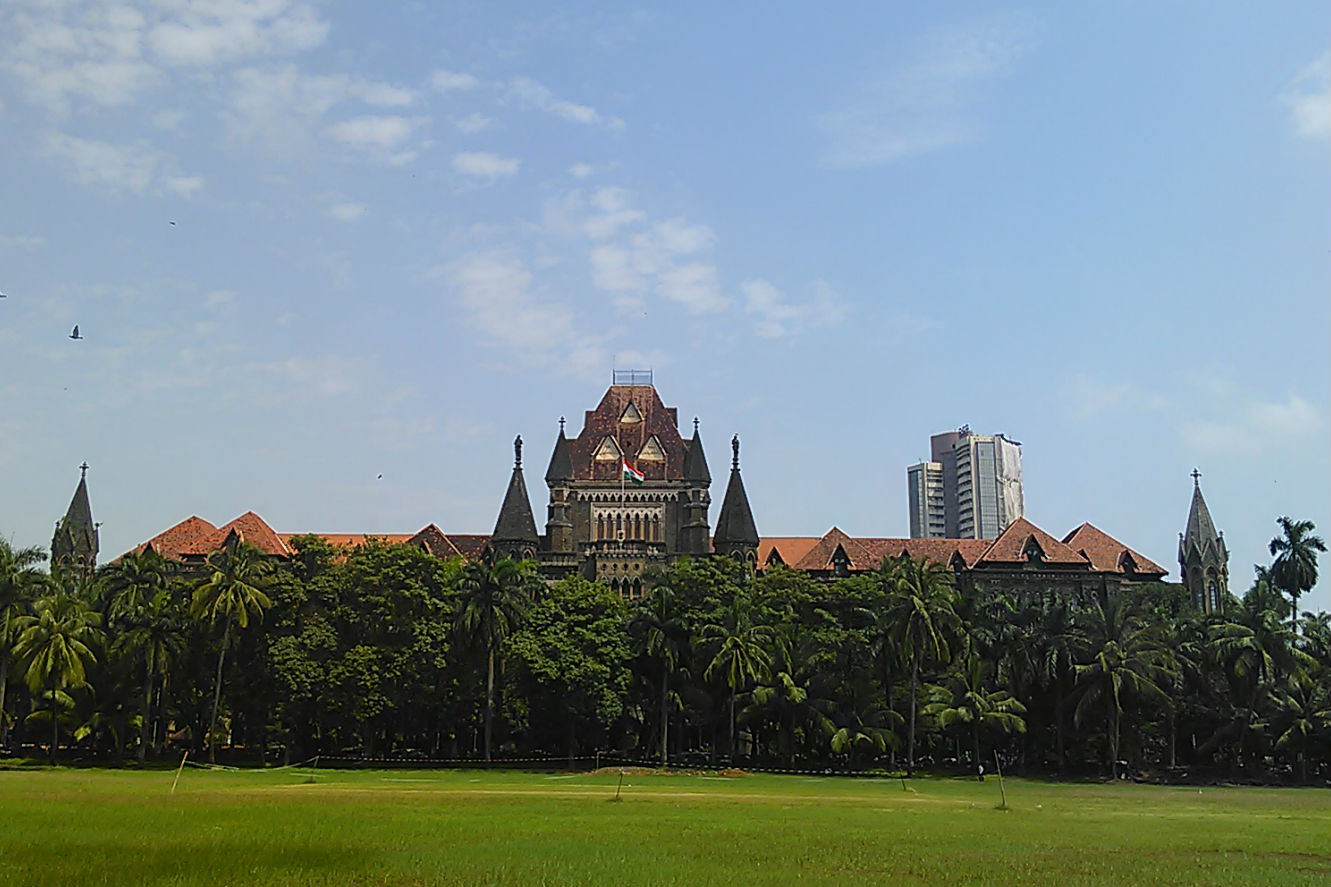
Bombay High Court: A Division Bench comprising of R.K. Deshpande and Arun D. Upadhye, JJ., addressed a petition filed challenging the order of a Divisional Commissioner, Amravati on refusal to grant parole on the basis of Rule 4(b)(13) read with Rule (2)(B)(i) of Maharashtra Prisons (Bombay Furlough an Parole) Rules, 1959. The Court placed this matter before Chief Justice to be referred to a larger bench.
The present petition pertained to the facts that the petitioner was a convict for the offence under Section 376 IPC for the offence of rape. The sentence imposed upon him was of 10 years imprisonment under Section 376(2)(a) and 1-year imprisonment under Section 342 IPC. Petitioner was refused a parole. Though he was recommended for the same by the authorities due to the bar under Rule 4(b)(13) read with Rule (2)(B)(i) of Maharashtra Prisons (Bombay Furlough an Parole) Rules, 1959, he was refused parole.
The Learned APP on behalf of the respondents relied on Sharad Devaram Shelake v. State of Maharashtra, 2016 SCC OnLine Bom 2448, wherein the above-stated rule was upheld. The division bench in the above-stated case had relied upon the decision of Supreme Court in State of Haryana v. Jai Singh,(2003) 9 SCC 114, wherein it was held, “Classification created for imposing bar to grant parole or furlough, based on the nature of offences, is a valid classification for the purpose of deciding whether the persons who have committed such offences should be granted remission or not.”
On due consideration of the facts and circumstances of the case along with the contentions placed, the Court was of the view that the matter should be referred to larger bench instead of making out a distinction between the decision of State of Haryana v. Jai Singh,(2003) 9 SCC 114 and Sharad Devaram Shelake v. State of Maharashtra, 2016 SCC OnLine Bom 2448.
Therefore, the Court referred the case to a larger bench for the consideration of the issue: “Whether Rule 4(13) Maharashtra prisons (Bombay Furlough and Parole) Rules, 1959 creating an absolute bar to claim release on furlough leave and consequently Rule 19(2)(B)(i) of the Rules of 1959 to claim release on parole leave to the convict for the offence of rape is violative of Articles 14 and 21 of the Constitution of India, particularly when the offenders in other serious offences are entitled to such leave?” [Vijay Pralhad Varankar v. Division Commr., Amravati;2018 SCC OnLine Bom 2261; dated 23-08-2018]







0 replies