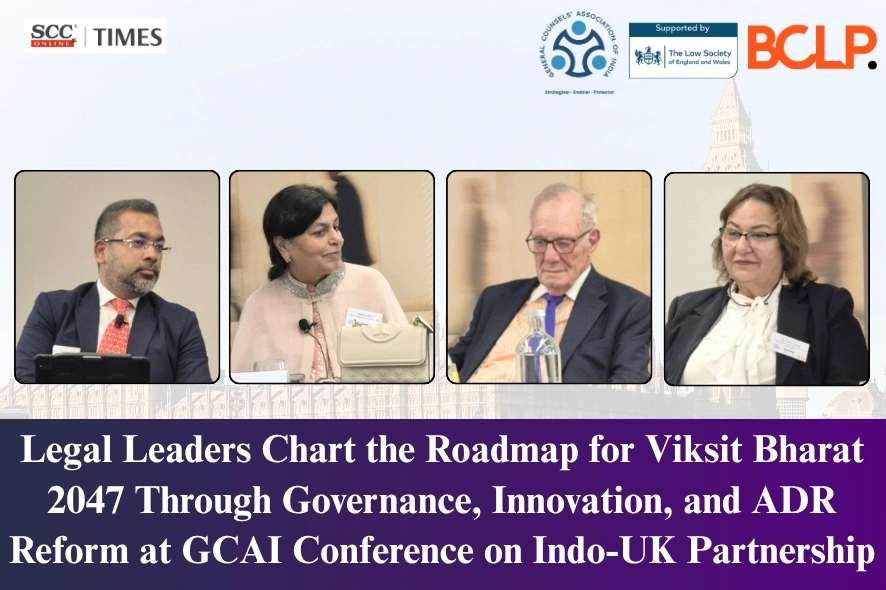
In the backdrop of LIDW 2026, General Counsels’ Association of India (GCAI) held a conference titled “India—UK Partnership — Cooperation, Investment and the Future”, on 5 June 2026, at the Governor’s House, London, hosted by Bryan Cave Leighton Paisner (BCLP). The Law Society of England and Wales supported the event.
Under the theme “Two Nations, One Legal Future: India—UK Partnership 2026”, the conference brought together leading voices from the judiciary, government, legal profession, academia, and global business community to discuss how legal reforms, institutional innovation, technology, and alternative dispute resolution(ADR) can support India’s vision of becoming a developed nation by 2047. The discussion focused on creating legal institutions that are efficient, transparent, technologically advanced, globally competitive, and accessible to businesses and citizens alike.
Moderated by Mr. Nusrat Hassan, Managing Partner, Dentons Link Legal, the session titled “Building the Legal Ecosystem for Viksit Bharat 2047: Governance, Inclusion, and Institutional Innovation” comprised of esteemed panellists, namely Dr. Pinky Anand, Senior Advocate at Supreme Court of India, Judge at BICC, Former Additional Solicitor General of India; Ms. Geeta Luthra, Vice President, ICA and Senior Advocate, Supreme Court of India; Mr. Philip Wood, CBE, KC (Hon), Distinguished Lawyer, Author and Scholar; Ms. Iris Sauvagnac, Senior Associate, Hogan Lovells; Mr. Karthik Singh, Senior Associate, Baker McKenzie Services Limited, and Arbitrator; and Mr. Divyam Agarwal, Partner, JSA.
The session began with an address by Rt. Hon’ble Lord Hermer KC, Attorney General for England and Wales.
ADDRESS BY RT. HON’BLE LORD HERMER KC
Greeting the audience with some humorous remarks, Lord Hermer expressed gratitude to the organisers for bringing together an exceptional group of lawyers to deliberate on the defining legal challenges of the present era.
Reflecting on the past year, he described it as a milestone in the “special relationship” between India and the United Kingdom. He highlighted two Prime Ministerial visits, the launch of the Tech Security Initiative, the adoption of Vision 2035, and the signing of the India-UK Comprehensive Economic and Trade Agreement (CETA), calling it the United Kingdom’s most significant bilateral trade agreement since Brexit. He noted that the momentum has continued with recent visits by the UK’s Foreign Secretary and Business Secretary to New Delhi, further deepening strategic cooperation between the two countries.
On a lighter note, the Attorney General recalled Mohammed Siraj’s memorable performance against England at The Oval. He observed that although sporting fortunes may fluctuate, the relationship between India and the UK was built on mutual respect. Using cricket as a metaphor, he argued that both nations share a deep respect for institutions and the rules that govern them.
“Cricket is more than a game; it reflects the institutions that we are building today.”
Rule of Law:
Noting that both countries had deep regard for the rule of law, Lord Hermer stressed that adherence to the rule of law creates the certainty necessary for businesses and investors to thrive, thereby providing the sustainability required for societies to grow and prosper. He observed that legal certainty provides confidence that rules will be followed, contracts will be honoured, institutions can be trusted, and disputes will be resolved fairly through independent adjudication.
This institutional stability, he argued, has played a significant role in India’s emergence as one of the world’s fastest-growing economies, with projections indicating that it is on track to become the third-largest economy globally by 2028. Similarly, he noted that the United Kingdom is pursuing economic growth by placing international trade and investment at the centre of the government’s policy.
India-UK Trade Agreement:
Describing the UK—India CETA as a significant development, Lord Hermer said that the agreement is expected to increase bilateral trade by £25.5 billion annually in the long run. He emphasised that trade agreements derive their true strength not merely from negotiated provisions but from the institutional trust on which they are built.
“In today’s uncertain global environment, predictability has become one of the most valuable commodities and a significant competitive advantage.”
Opening Legal Markets and Strengthening Global Integration:
Turning to legal sector reforms, he welcomed the Bar Council of India’s regulations permitting foreign lawyers and law firms to operate in specified areas. He described these reforms as a significant milestone, not only for bilateral legal cooperation but also for India’s emergence as a global legal powerhouse.
According to him, integration with the international legal market extends benefits far beyond the legal profession; it serves as a catalyst within a synergistic relationship with trade and investment, underpins efficient dispute resolution, and increases ease of doing business.
Conclusion:
In conclusion, Lord Hermer reaffirmed the UK’s commitment to strengthening its partnership with India and expressed confidence that lawyers, general counsels, and legal professionals would play a pivotal role in shaping the next phase of bilateral engagement.
PANEL DISCUSSION
Mr. Nusrat Hassan set the tone by explaining that Viksit Bharat 2047 is not merely an economic vision but also an institutional one, which aims to transform India into a modern, prosperous, inclusive, and sustainable nation by 2047. Highlighting the importance of institutional changes, he underscored that a strong legal system was fundamental for the vision. This meant addressing concerns over judicial backlogs and enforcement challenges.
Thereafter, he introduced the distinguished panel and kick-started the discussion.
Corporate Governance Without Efficient Implementation: Dr. Pinky Anand
Dr. Pinky Anand argued that while India has made remarkable progress in corporate governance reforms, the real challenge lies in implementation rather than regulation. She highlighted several significant reforms undertaken over the past decade, like simplification of compliance mechanisms, single-window systems, introduction of the Insolvency and Bankruptcy Code, 2016 (IBC), decriminalisation of several corporate offences, etc.
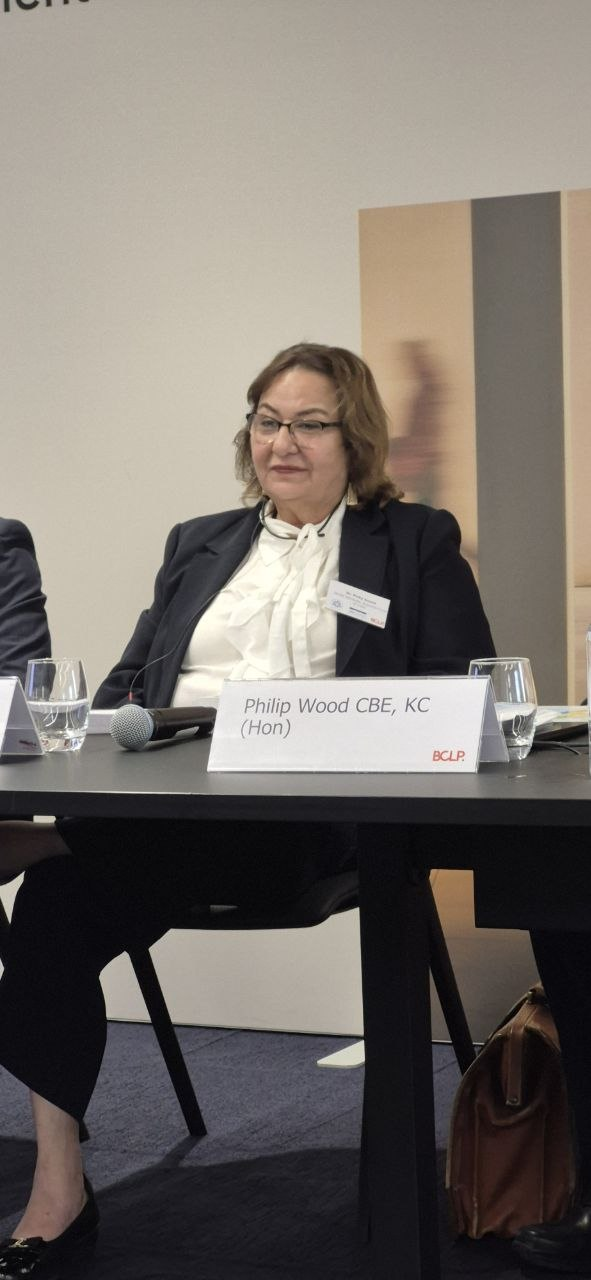
According to her, these reforms have substantially improved India’s corporate governance framework. However, she observed that governance mechanisms operate primarily before disputes arise. Once disputes emerge, the effectiveness of the legal system depends on efficient implementation and speedy dispute resolution rather than additional regulations.
“The resolution of disputes itself is not as much to do with the governance policies as it has to do with the implementation policies.”
Dr. Anand cautioned that arbitration is increasingly adopting the very procedural complexities it was designed to avoid, like excessive pleadings, extensive discovery processes, multiple expert witnesses, additional procedural layers, etc.
“Basically, we’re making arbitration as if it were a second-generation chamber. It isn’t. It was never meant to be, and the reason we came to ADR was so that we could do away with the formalistic processes and come to an easier resolution by having fewer requirements of pleadings, discoveries, or experts.”
Sharing a recent arbitral experience, she explained how a tribunal declined requests for party-appointed experts, deciding instead to rely on its own expertise to avoid unnecessary delays and conflicting opinions. She remarked that adding new processes often falls into layers of procedures, which hinder efficiency, speed, and cost of the dispute resolution, two key requirements of commercial disputes.
According to Dr. Anand, businesses can account for litigation costs but cannot adequately prepare for prolonged delays. A commercial dispute lasting ten years disrupts projects, investment cycles, and business planning far more than litigation expenses themselves.
Regarding enforcement challenges, she underscored some persistent challenges in enforcing international arbitral awards, particularly due to multiple jurisdictions, cross-border assets, public policy exceptions under the New York Convention, etc.
When asked about increased compliance, Dr. Anand responded that indeed compliance had increased in the last decade, and remarked that instances like the recent Rajesh Exports scandal were examples of poor compliance exercises. Thus, she remarked that compliance had a long way to go, such as signing a treaty for cross-border insolvency.
She further advocated for stronger mediation mechanisms to reduce judicial backlogs and accelerate commercial dispute resolution, noting India’s growing acceptance of mediation as an effective alternative.
Humanity’s Greatest Code of Conduct: Mr. Philip Wood
Mr. Philip Wood approached the discussion from a broader philosophical perspective. He described legal systems as “The biggest and most comprehensive codes of conduct humanity has ever produced.” According to him, democracy, taxation, contractual relationships, inheritance, and commerce cannot function without an effective legal framework. He further delved into Rousseau’s social contract theory, which forms the basis of modern human society.

Explaining how codes of conduct represent ideologies, Mr. Wood presented his comparative analysis of global legal systems, explaining that nearly 90 percent of jurisdictions belong to three major legal traditions: Common Law, Napoleonic Civil Law, and Roman-Germanic Law, or a mixture. He traced these traditions to the Industrial Revolution, which fundamentally transformed legal systems, corporations, regulations, etc.
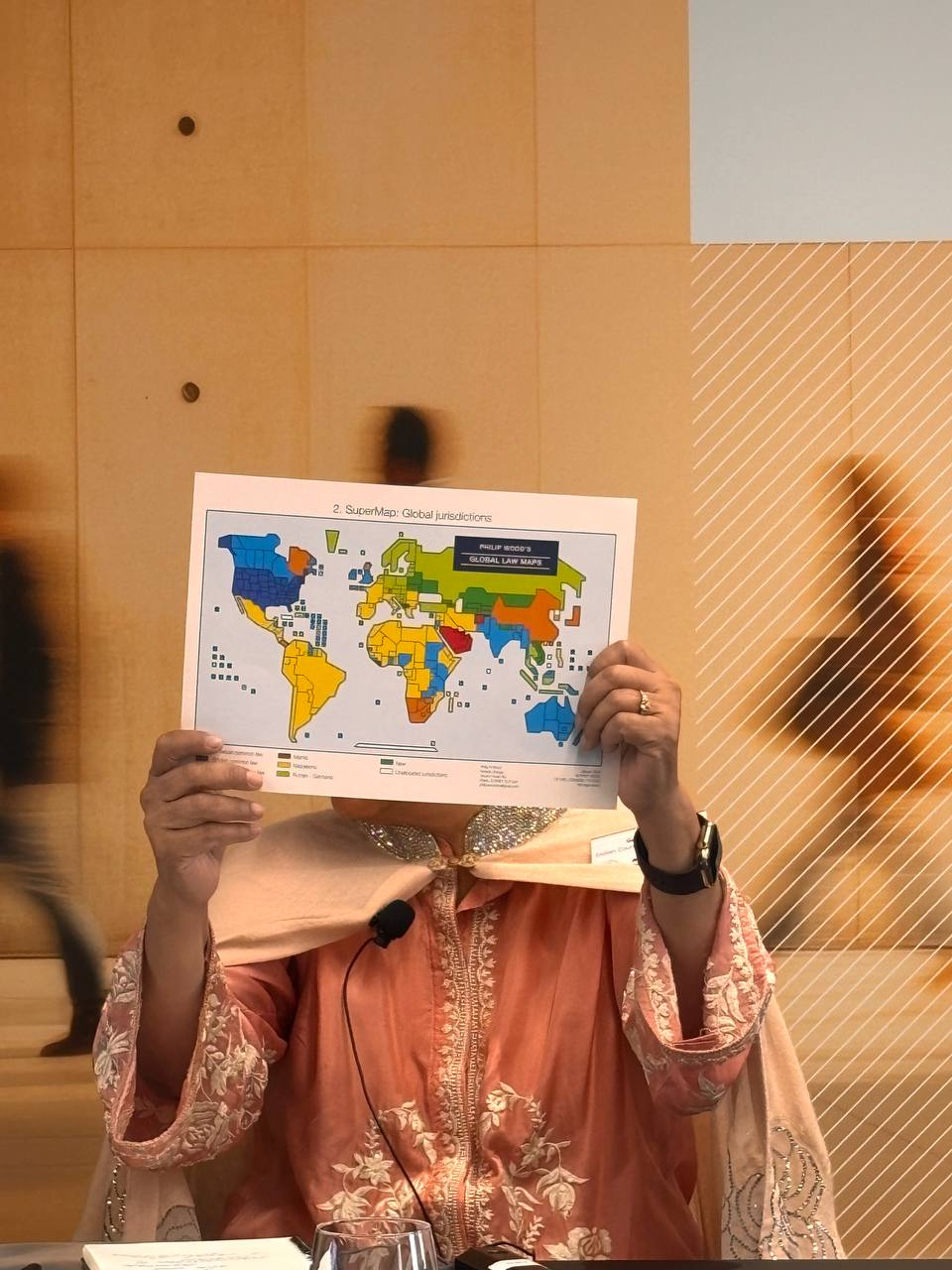
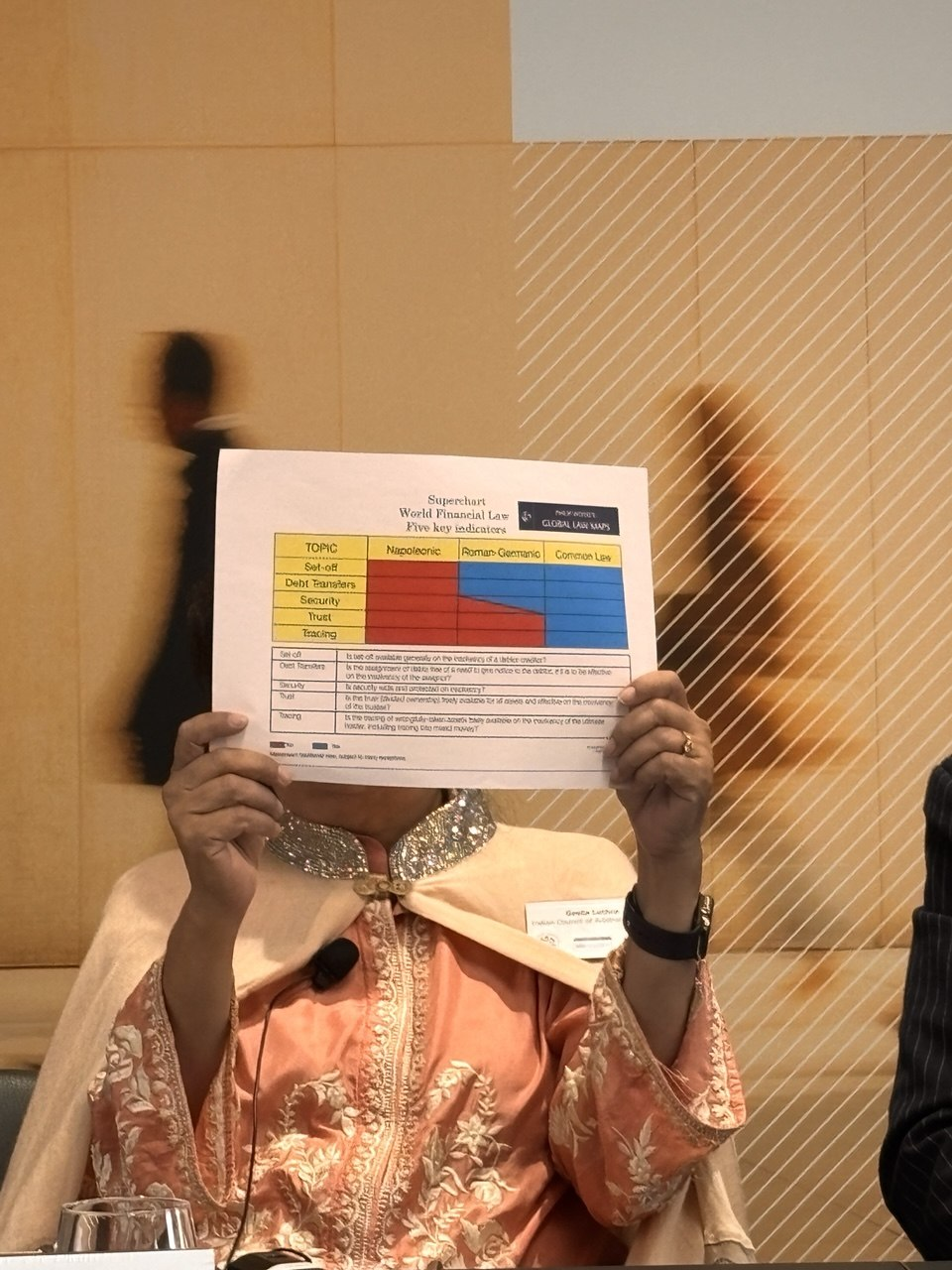
To answer the question on the difference between business-friendly versus well-regulated jurisdictions, he compared India’s legal evolution after independence with China’s reforms under Deng Xiaoping and Russia’s post-Soviet transition. While Russia got tied up in oligarchs, China codified English law with a business-friendly approach.
Addressing India’s competitiveness, Mr. Wood observed that business-friendly jurisdictions are characterised not merely by regulation but by legal systems that facilitate growth, innovation, and commercial confidence.
“Your country is a legal powerhouse. You are going to be the most populous country in the world, and you’re going to have this enormous economy, and you’ve got a lot of competition around you.”
He remarked that India’s defining characteristic is its confidence in human potential, which translates into a credible code of conduct and a sense of hope about humanity. “In other words, in the battle of whether you are, whether you think that we are miracles or beasts, you think that we are miracles.”
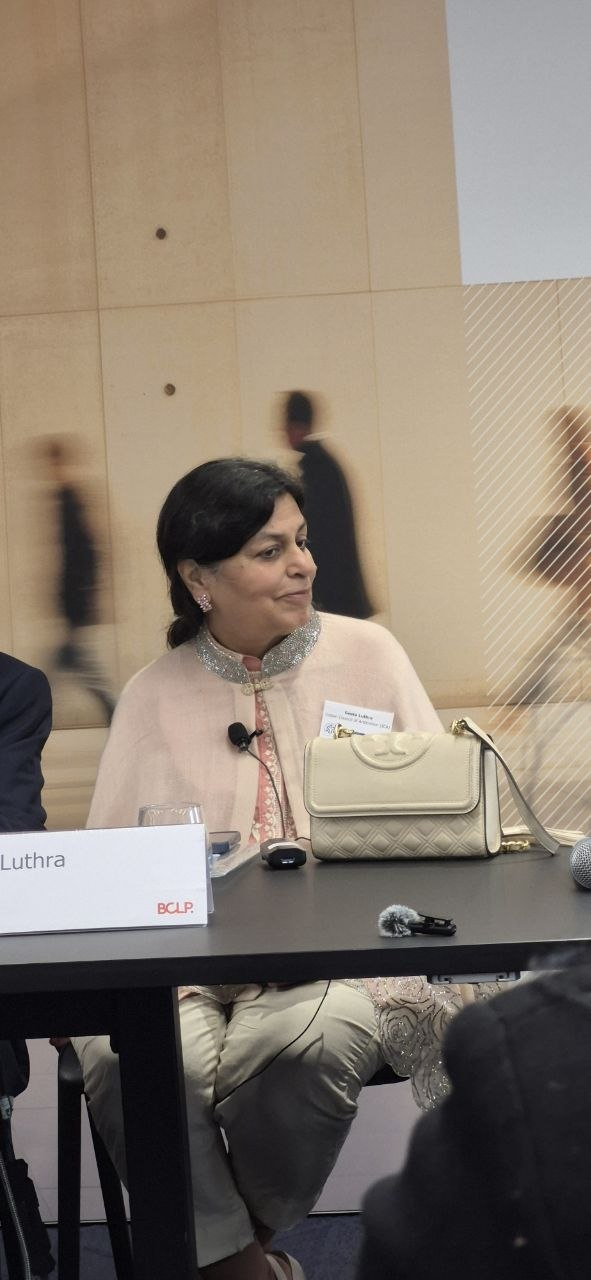
Digital Courts and Access to Justice: Ms. Geeta Luthra
At the outset, Ms. Geeta Luthra credited the leadership of former Chief Justice D.Y. Chandrachud and the COVID-19 pandemic for accelerating judicial digitisation across India by attempting to provide video conferencing facilities in nearly 80-90 per cent of courts, significantly expanding access to justice. However, that adoption still varied between different courts and judges.
Evidence in Online Hearings:
Ms. Luthra questioned how much access lawyers will have to evidence in video conferencing. She explained that the first thing law students learn is to examine the demeanor and conduct of witnesses, which is difficult to perceive or capture in an online hearing. Thus, she believed that only simple cross-examination or evidence should be able to be done online, and such a milestone had been achieved by India.
However, while acknowledging technological progress, she cautioned that digital justice cannot succeed unless it reaches ordinary citizens. She pointed out practical challenges faced by litigants who lack smartphones or laptops, internet connectivity, or digital literacy. According to her, India’s diversity requires legal technology that accommodates varying levels of digital access.
Translation and Transcription:
Ms. Luthra praised the Supreme Court’s efforts to translate legal materials into regional languages, arguing that the law should no longer remain accessible only to English-speaking professionals. Translation initiatives, she said, help democratise legal knowledge and bring justice closer to ordinary citizens.
“If you can translate some reports, some legal articles, you are taking the law to the masses. I think it’s not just for the lawyers; we have to think about the ultimate common man, the client, and in that sense, translation would go a long way. ”
However, she underscored the lack of transcription in trials, especially crucial elements like evidence.
Electronic Evidence and AI Risks:
She expressed concern over the increasing manipulation of electronic evidence and questioned whether existing evidentiary standards are robust enough to detect sophisticated digital crimes. She explained that the Section 65B certificate granted under the Evidence Act, 1872, could be misused, and this issue had to be addressed.
Welcoming the Supreme Court’s draft AI regulations, she noted that they appropriately place responsibility on lawyers rather than AI tools, ensuring human accountability for legal filings.
She also suggested that AI could be effectively deployed for routine matters such as motor accident claims, challans, cheque dishonour cases, etc., due to its speed. However, she urged people to exercise caution in the use of AI for legal work.
AI is a Powerful Assistant, Not a Replacement for Lawyers: Mr. Karthik Singh
Continuing the discussion on the use of AI in legal practice, Mr. Karthik Singh acknowledged AI’s growing role in dispute resolution. He noted that while AI is not good for research, it is particularly useful for preparing chronologies, summarising arguments, reviewing large document sets, identifying supporting or contradictory evidence, client interactions, etc.
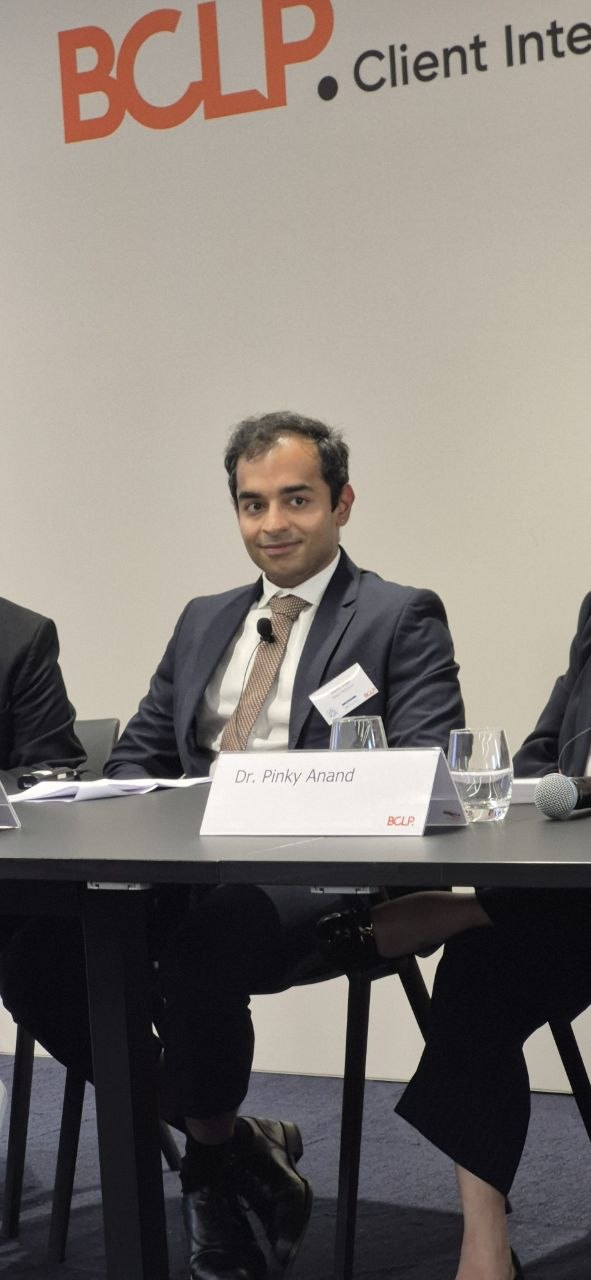
However, Mr. Singh identified AI-generated inaccuracies or hallucinations as the biggest obstacle to widespread adoption. He observed that regulators remain concerned because hallucinations undermine public confidence in the legal profession.
Despite increasing investment in AI by law firms worldwide, he stressed that every AI-generated output still required human verification, agency, and accountability. He suggested that future regulatory debates may focus less on AI errors and more on whether lawyers exercised appropriate diligence while using AI systems.
Commenting on the issue, Dr. Anand stated that “AI is an answer to laziness”. She opined that excessive dependence on AI risks reducing independent thinking and legal reasoning, requiring lawyers to spend considerable time verifying and re-verifying machine-generated content. She also believed that it doubled or tripled the workload as one has to find authentic data, verify it, feed it into the AI, and then verify the output.
“Processes, documentation, summarising, editing, I believe my cognitive education gave me the best possible summarising skills that can be required. So, I do understand saving time, standard format, standard context, smart context, implementation, but it’s not a limit. We can’t be kicked out like this with AI.”
Mediation in Investor-State Dispute Resolution: Ms. Iris Sauvagnac
Beginning with an audience poll, Ms. Iris Sauvagnac observed that only a handful of participants supported mediation in investment disputes, illustrating the profession’s continuing preference for arbitration. Drawing on her experience representing both states and investors, she explained that investor-state arbitration is often expensive, public, time-consuming, and difficult to enforce.
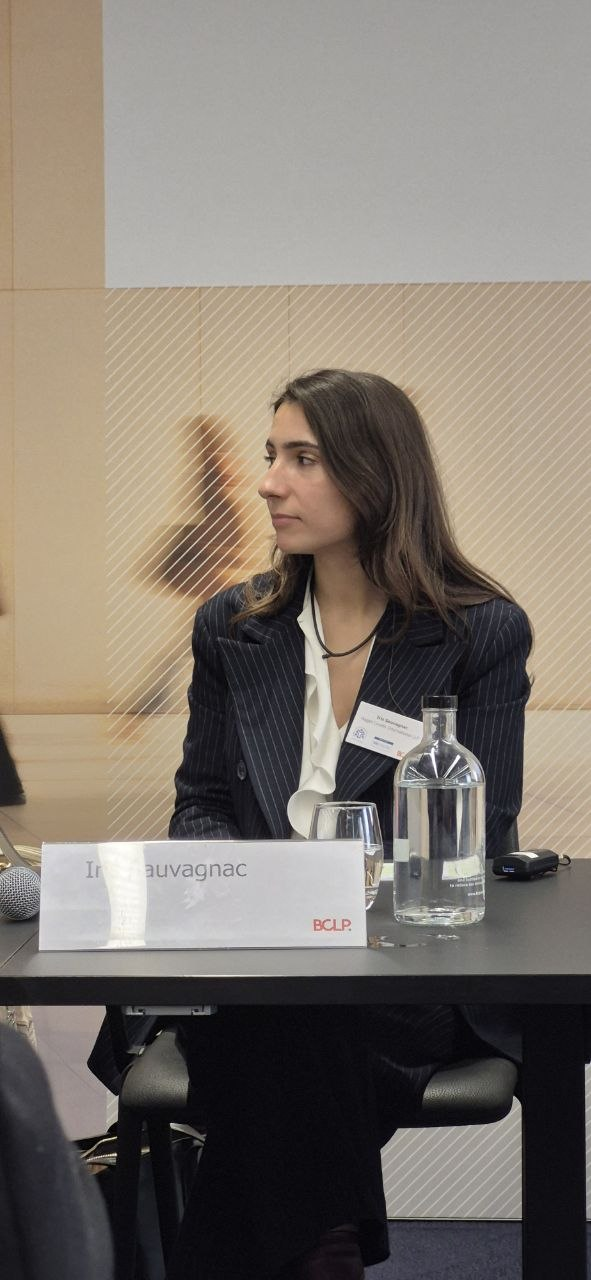
While recognising arbitration’s importance for cases involving expropriation or fundamental treaty breaches, she argued that many disputes involving regulatory misunderstandings, delayed permits, or early-stage disagreements could be resolved more efficiently through mediation.
New Institutional Framework:
Ms. Sauvagnac highlighted the significance of the 2022 ICSID Mediation Rules, which, for the first time, provide a dedicated institutional framework for investor-state mediation. Under the previous ICSID convention, arbitration and conciliation were limited to those disputes that had a very high jurisdictional threshold. They require a dispute that must be legal, that must arise directly out of an investment, and that must involve a contracting state on one end.
Delving into the mediation procedure under the 2022 Rules, she highlighted three key features:
- Confidentiality: All documents, information exchanged during the mediation process, and even the existence of the mediation itself, remain confidential.
- Immunity from subsequent use: Parties cannot rely on admissions or arguments made during mediation in subsequent arbitration proceedings. This protection offers reassurance to states concerned about political scrutiny and investors worried about reputational risks.
-
Enforcement: Where mediation takes place alongside an arbitration and results in a settlement, the parties may request the arbitral tribunal to convert the settlement into a consent award. This enables the agreement to benefit from the streamlined enforcement regime available under the ICSID Convention, providing greater certainty and enforceability.
Political Challenges Remain:
Despite these advantages, Ms. Sauvagnac acknowledged that mediation in investor-state disputes faces substantial political obstacles. Government officials often fear personal or political consequences for entering negotiated settlements, requiring multiple levels of authorisation before discussions can proceed.
Illustrating this challenge, she referred to the Southern Pacific Properties (Middle East) Limited v. Arab Republic of Egypt1, where the Egyptian Prime Minister initially rejected a settlement proposal worth USD 10 million, fearing criticism from political opponents and the media. The matter ultimately proceeded through arbitration before settling at a significantly higher amount of USD 17 million, demonstrating the financial cost of political reluctance.
Three Ingredients for Successful Mediation:
She concluded that wider adoption of mediation in investor-state disputes depends on three essential elements:
- Political will to embrace negotiated settlements;
- Training and cultural change, encouraging parties to consider mediation before arbitration; and
-
Protective measures that allow government officials to negotiate without fear of personal repercussions.
Lastly, she observed that India’s Mediation Act, 2023, positions the country well to emerge as a significant centre for international dispute resolution and expressed confidence that India could play a leading role in promoting mediation globally.
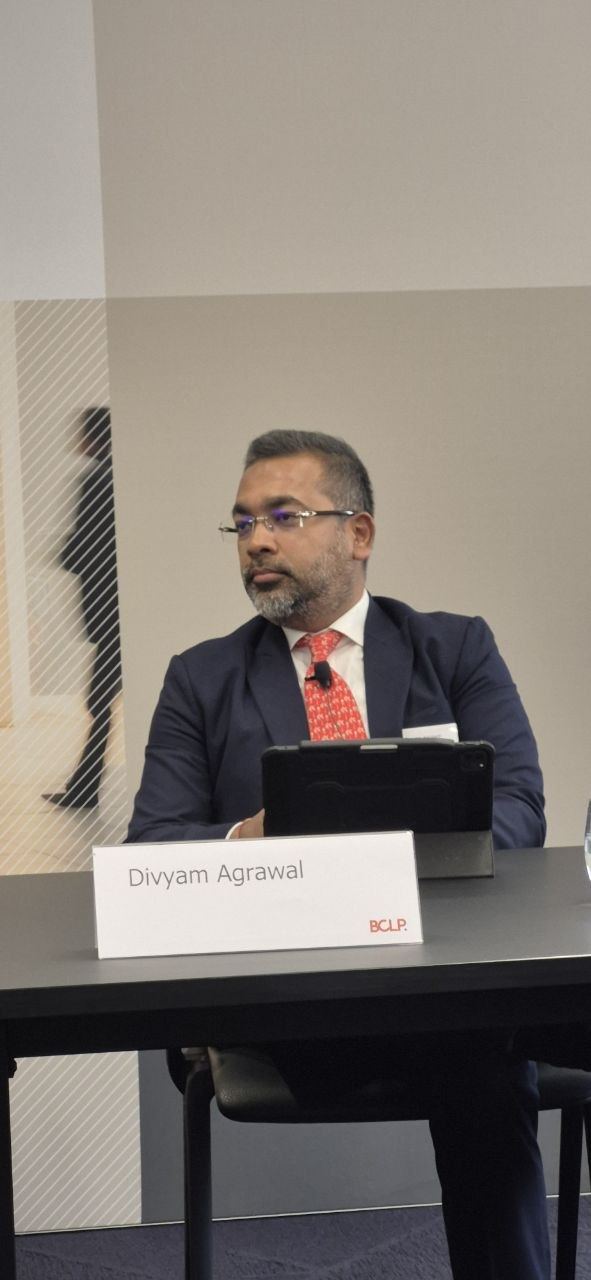
India-UK Free Trade Agreement: Mr. Divyam Agarwal
Responding to a question on the interaction between the India-UK Free Trade Agreement (FTA) and India’s 2024 Office Memorandum restricting arbitration in certain public procurement contracts, Mr. Divyam Agarwal emphasised the need for consistency in policy.
Beginning on a lighter note, he remarked that,
“An ounce of mediation is worth a pound of arbitration and a ton of litigation.”
He noted that while mediation is highly valuable, its suitability must be assessed according to the nature of each dispute.
Mixed Signals on Arbitration:
Recalling the Chief Justice of India’s inaugural address earlier in the day, he noted that the judiciary increasingly views arbitration as a critical component of India’s legal ecosystem, with courts acting as “coparcener” in promoting arbitration. Similarly, the Attorney General stressed the importance of arbitration in strengthening economic partnerships.
Against this backdrop, he observed that the 2024 Office Memorandum creates contradictory messaging. “It gives a mixed signal, where on one end we are all promoting saying, please arbitrate, and the Office Memorandum says, please don’t arbitrate too much. “
He clarified that while the FTA provisions apply to state-to-state disputes and the Office Memorandum governs domestic public procurement contracts, the broader concern is the perception such policies create among investors.
He also noted that the tidal shift in the judicial mindset of minimum judicial intervention was being echoed in India. However, these sentiments were not being communicated due to PSUs retracting arbitration clauses from contracts.
Building India’s Arbitration Reputation:
Referring to the Queen Mary International Arbitration Survey, Mr. Agarwal noted that London continues to rank as the world’s leading arbitration hub, while New Delhi has made encouraging progress but still occupies a much lower position. He described India’s trajectory as one of incremental rather than transformational improvement, calling for greater emphasis on 3Cs: consistency, clarity, and certainty.
According to him, these three principles are essential if India is to become a globally preferred arbitration destination and strengthen Indo-UK commercial relations.
Adding to Mr. Agarwal’s points, Dr. Pinky Anand argued that India’s arbitration ecosystem requires urgent restructuring. She expressed concern that policy inconsistencies weaken investor confidence and stated that India cannot simultaneously promote arbitration while restricting its use in significant commercial disputes.
According to her, reforms should focus on reducing post-award judicial challenges, fast-tracking adjudication, rebuilding confidence, and encouraging institutional arbitration over ad hoc arbitration. She observed that institutional arbitration offers greater credibility, predictability, and administrative support than ad hoc proceedings.
Dr. Anand also advocated for hybrid dispute resolution mechanisms combining mediation and arbitration. However, she expressed reservations about mediation in investor-state disputes, arguing that government officials often lack sufficient authority to negotiate settlements because of sovereignty concerns and political accountability.
Despite these reservations, she reiterated her strong support for mediation as a highly successful dispute resolution mechanism in commercial matters and encouraged further development of hybrid ADR frameworks.
Responding to Dr. Anand’s observations, Ms. Sauvagnac acknowledged the practical challenges but maintained that they stem primarily from institutional culture rather than legal impossibility. She argued that if governments already authorise officials to participate in investor-state arbitration, similar authority could be extended to mediation.
In conclusion, the session underscored that achieving Viksit Bharat 2047 requires much more than legislative reform. It demands institutions that are efficient, tech-savvy, business-friendly, and accessible to all stakeholders. Across discussions on corporate governance, arbitration, digital justice, artificial intelligence, and mediation, the speakers consistently emphasised the need to balance innovation with accountability, speed with fairness, and technological advancement with human judgement.
SCC Times reported the GCAI Conference on “Indo-UK Partnership — Cooperation, Investment and the Future ” organised by the General Counsels’ Association of India (GCAI) on 5 June 2026 at the Governor’s House, London, hosted by Bryan Cave Leighton Paisner (BCLP). The event was supported by the Law Society of England and Wales.
Read our extensive LIDW 2026 coverage here: London International Disputes Week 2026 Archives | SCC Times
1. ICSID Case No. ARB/84/3