
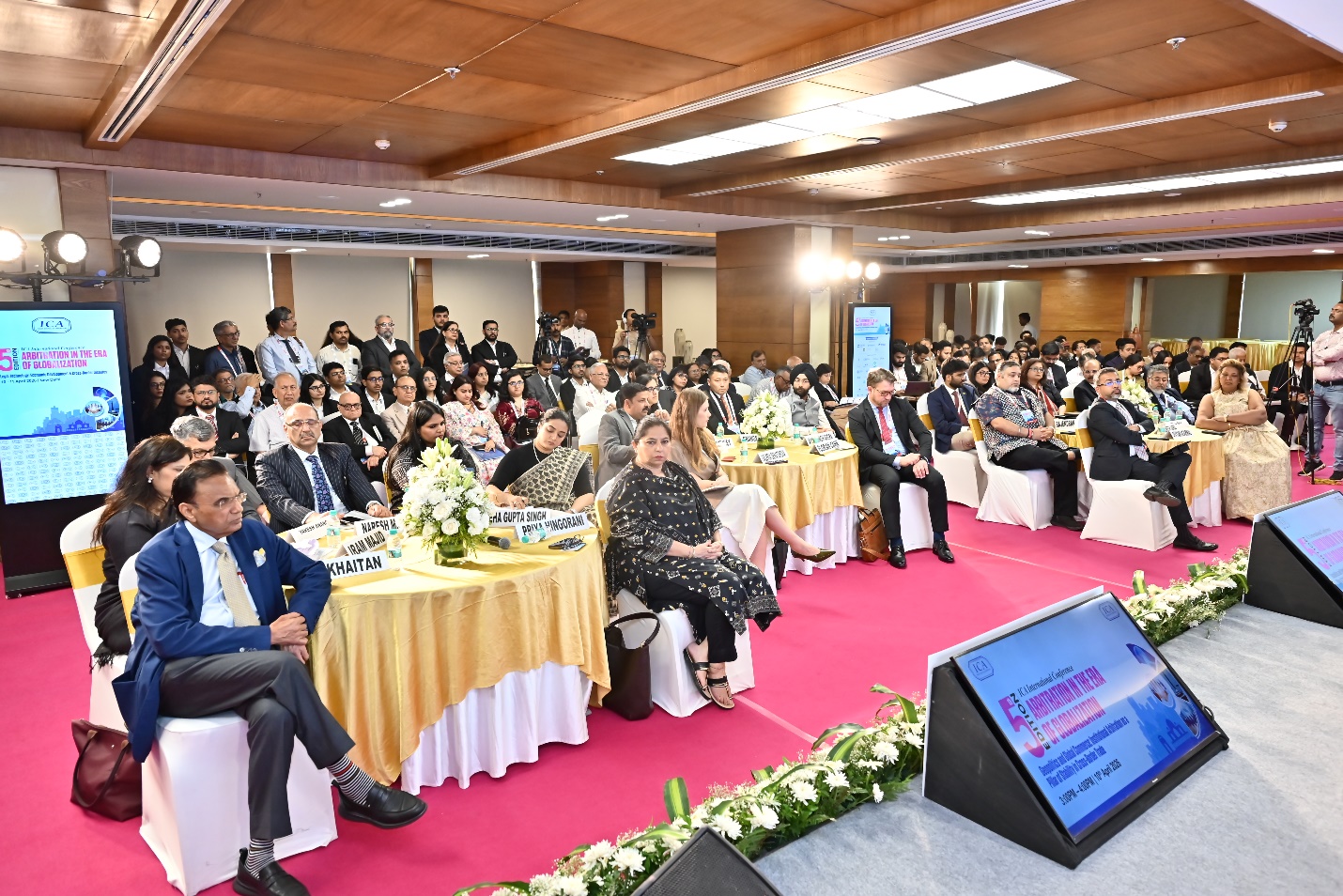
Behind closed doors at the 5th Indian Council of Arbitration International Conference, a select group of senior government officials, institutional leaders, in-house counsel, and arbitration practitioners convened for a candid roundtable to examine a pressing question: is India truly ready to emerge as a global arbitration hub?
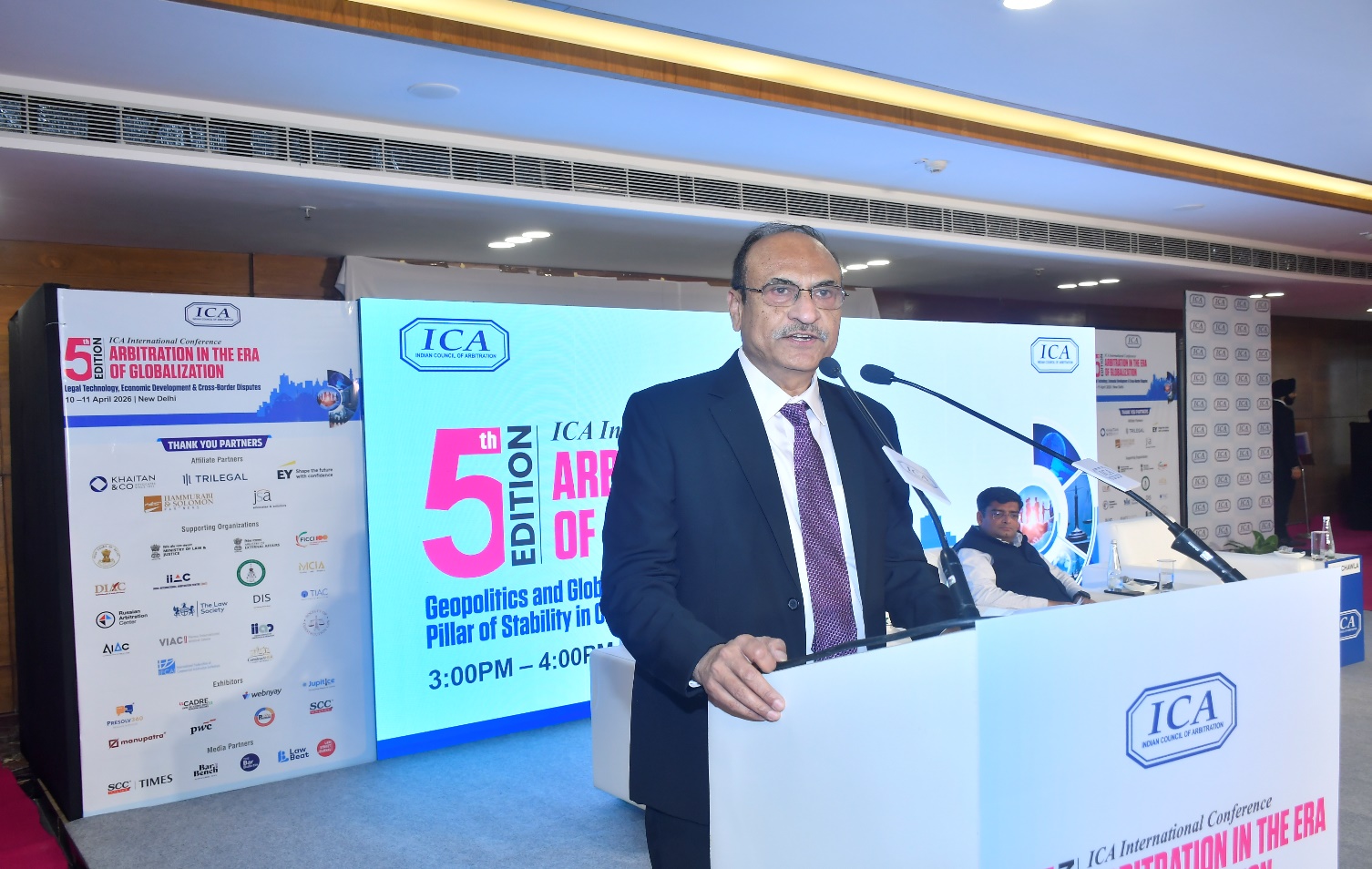
Mr. Arun Chawla, Director General, ICA, opened by stressing the need for certainty in an unpredictable global environment, describing arbitration as both a dispute resolution mechanism and a stabilising force for cross-border trade. Invoking India’s philosophy of Vasudhaiva Kutumbakam, he positioned India as a key Global South voice advocating cooperation and balance in dispute resolution.
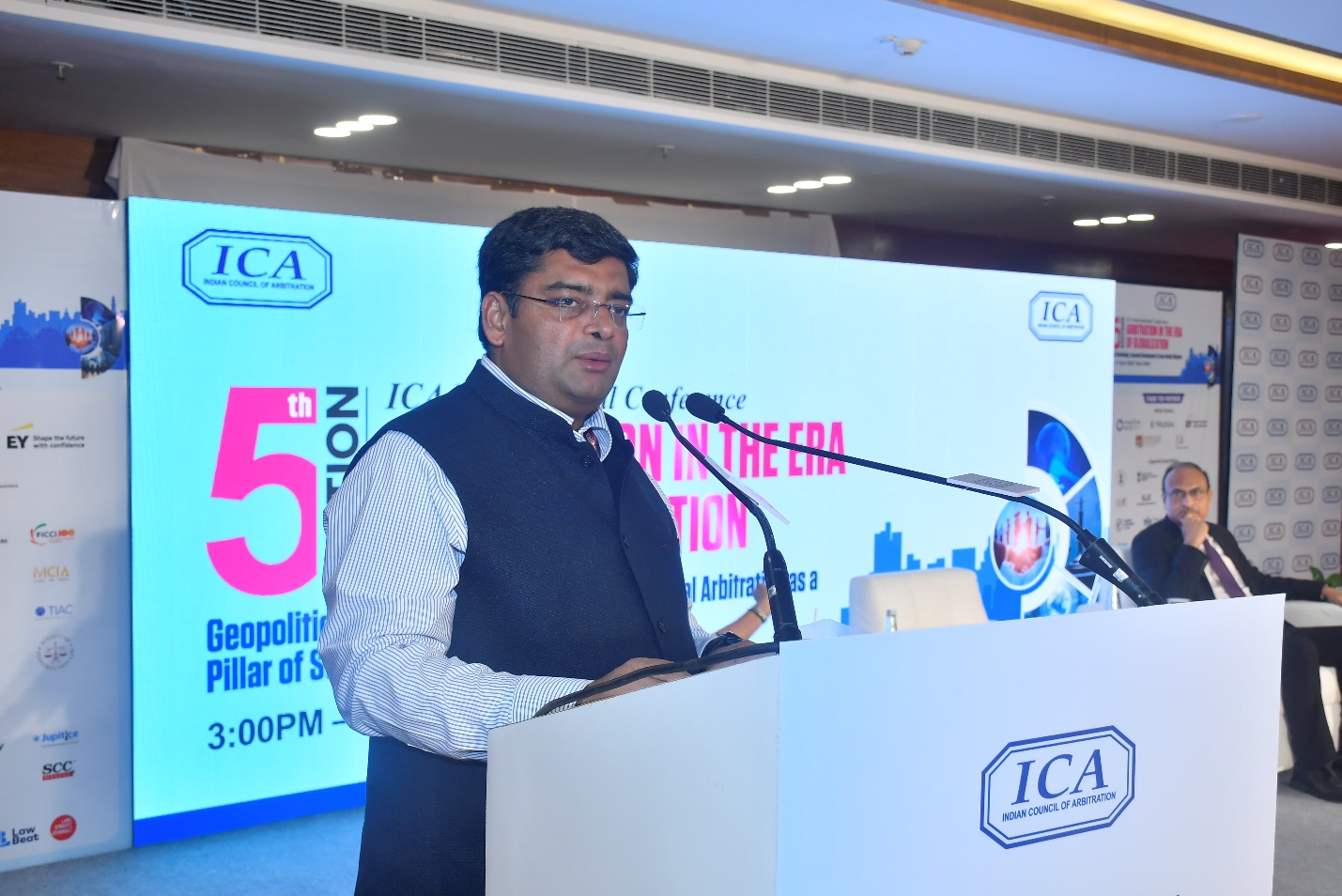
Mr. P. S. Gangadhar, Joint Secretary (Economic Diplomacy), Ministry of Economic Affairs, underscored that reliable dispute resolution is central to investor confidence in a fragmented global economy, framing arbitration as a strategic tool of economic diplomacy within India’s vision of Viksit Bharat 2047. He noted India’s modern legislative framework under the Arbitration and Conciliation Act, 1996, while acknowledging persisting ambiguities and enforcement challenges. He highlighted India’s proactive role in global arbitration reform, particularly on investor-state dispute settlement, and called for India to become a strategic institution of global diplomacy.
The roundtable was steered towards practical realities by questioning where arbitration is truly being tested in today’s unstable and rapidly evolving global environment, where real-world challenges impacted its effectiveness and credibility.
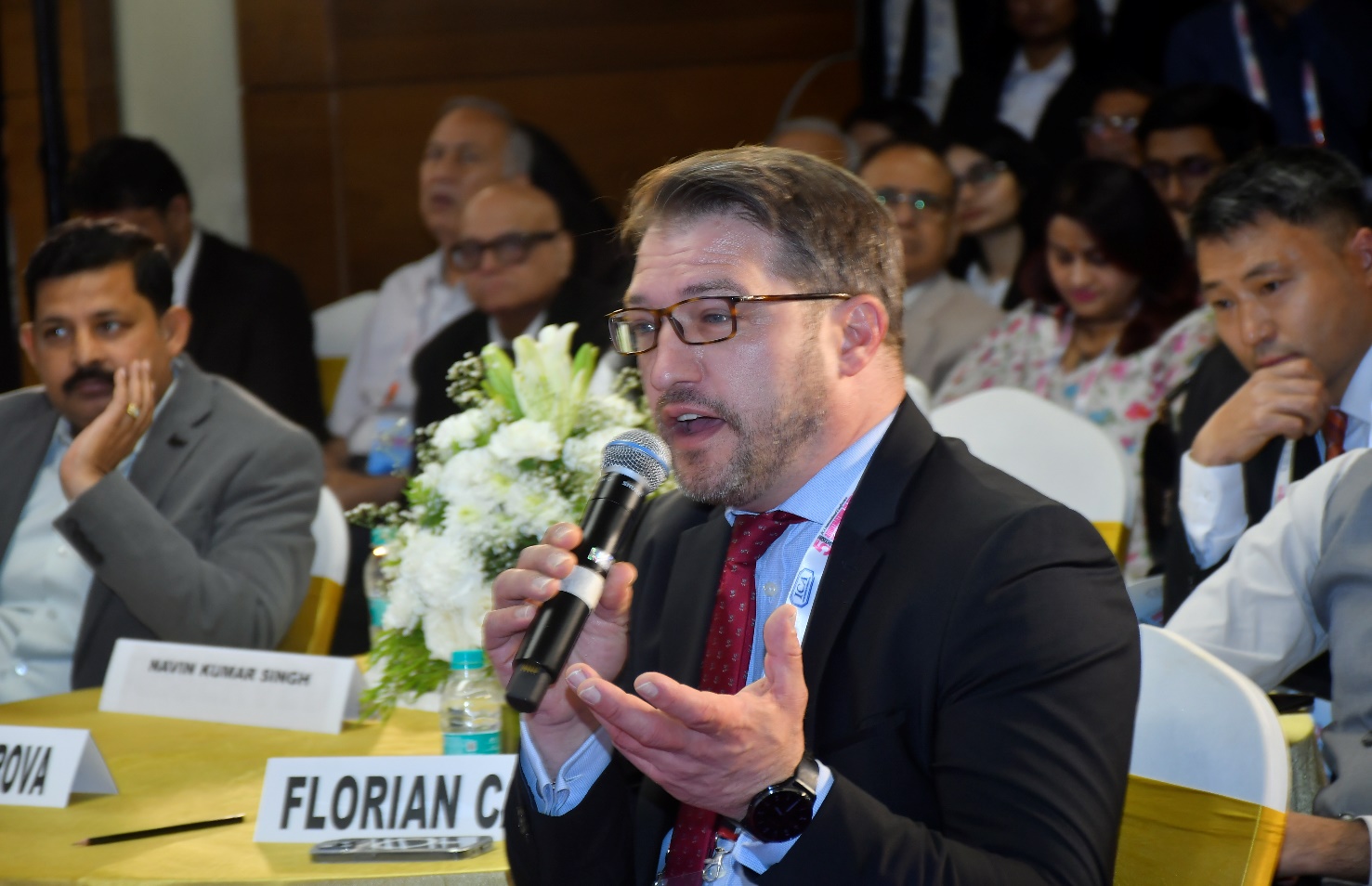
Mr. Florian Cahn, General Counsel, Framatome and Board Member, DIS, observed that arbitration remains indispensable for its flexibility and enforceability, but institutions must evolve toward a multi-door approach incorporating mediation. He also noted that institutional appointments tend to be more balanced and diverse than party-led selections.
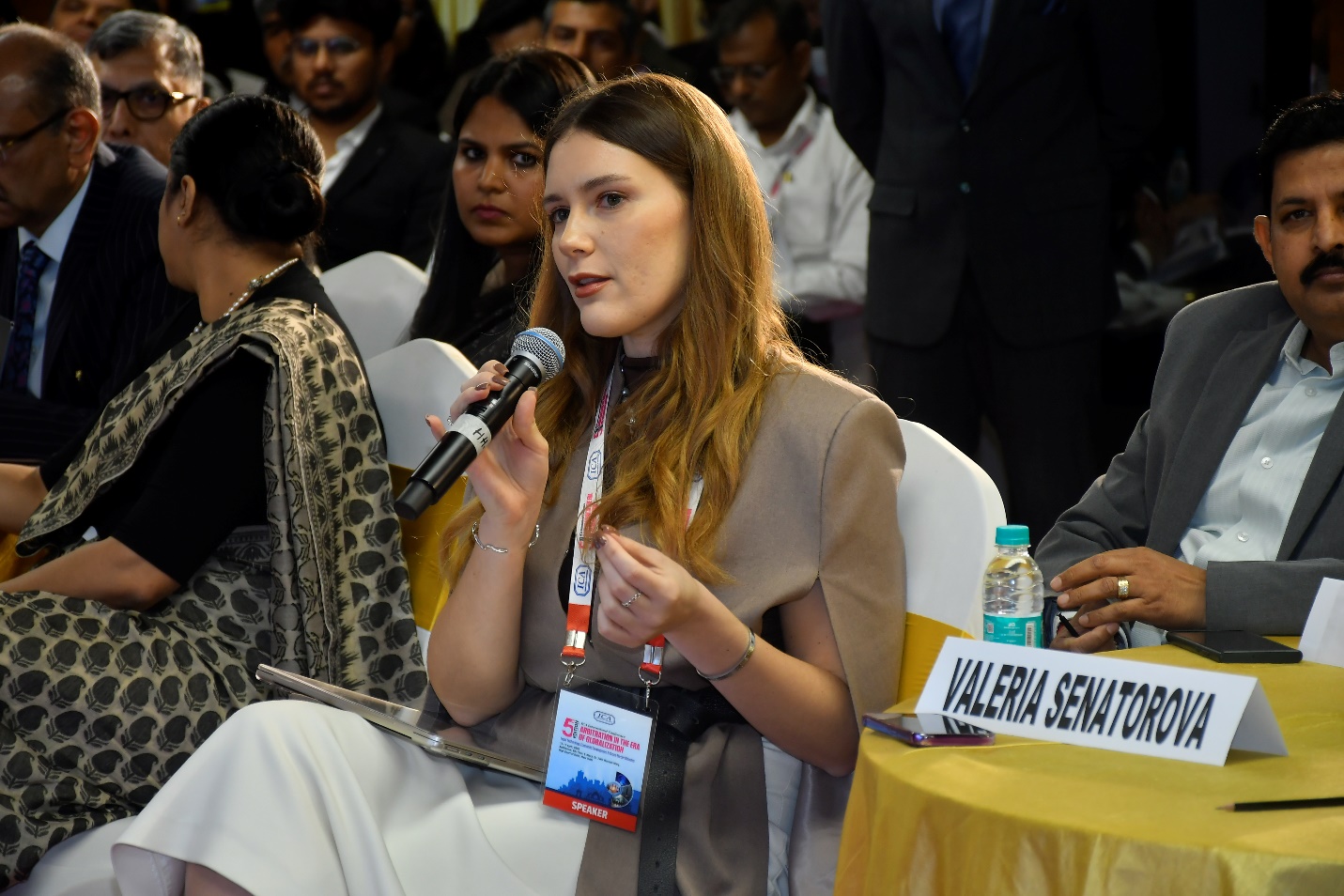
Ms. Valeria Senatorova, CEO, RAC & RIMA, stressed institutions’ role in educating parties and fostering cross-border cooperation, including the appointment of neutral arbitrators. Despite geopolitical enforcement difficulties, she called on institutions to actively maintain trust and engagement.
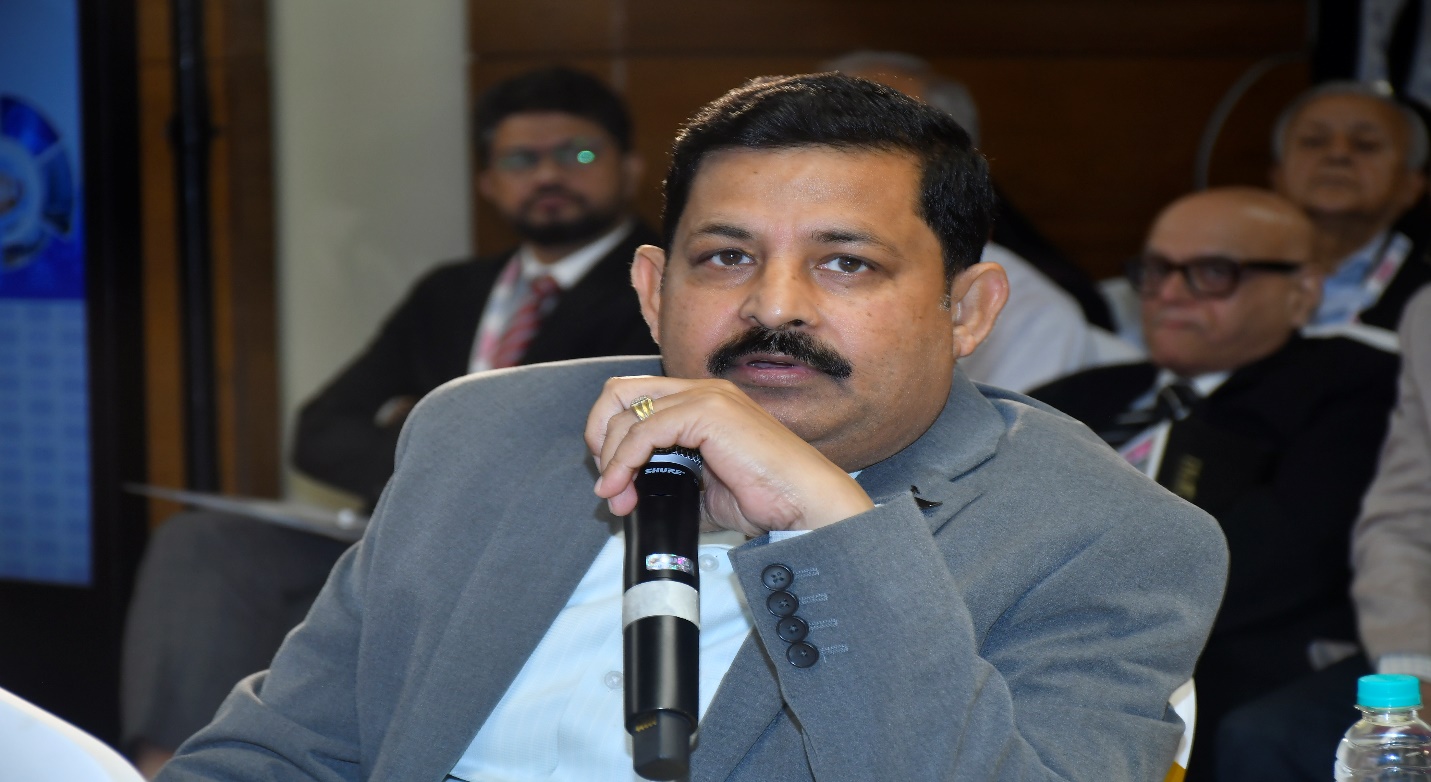
Mr. Navin K. Singh, CEO, India International Arbitration Centre, noted India’s gradual shift to institutional arbitration post-2015, the need for better-trained and technically expert arbitrators, and the likelihood that global disruptions will drive greater dispute volumes, underscoring the importance of efficient institutions.
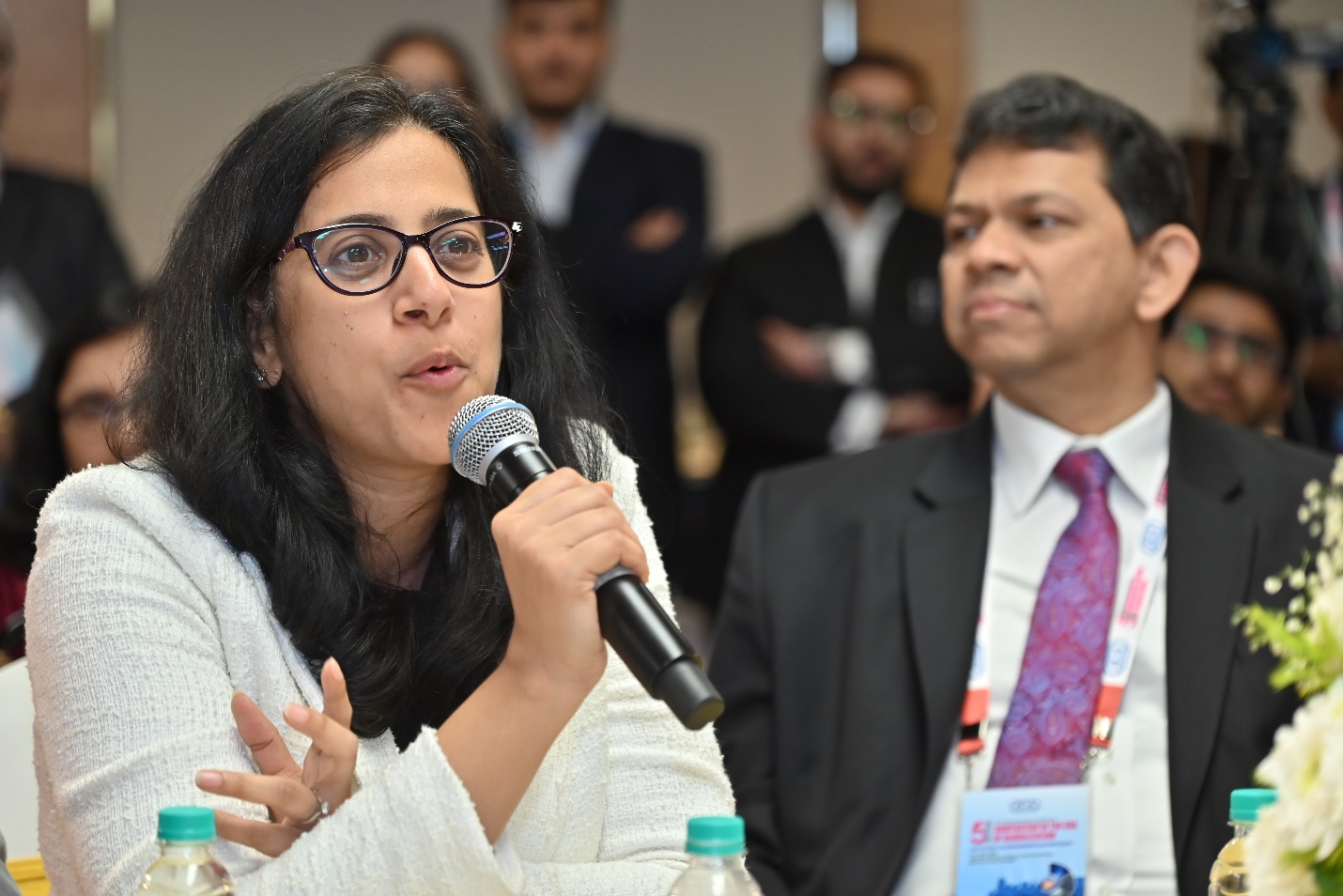
Ms. Neeti Sachdeva, Registrar & Secretary General, Mumbai Centre for International Arbitration, strongly advocated for institutional arbitration, noting that institutions ensure timely arbitrator appointments, transparent fees, procedural discipline, and award scrutiny, reducing uncertainty and improving efficiency over ad hoc processes.
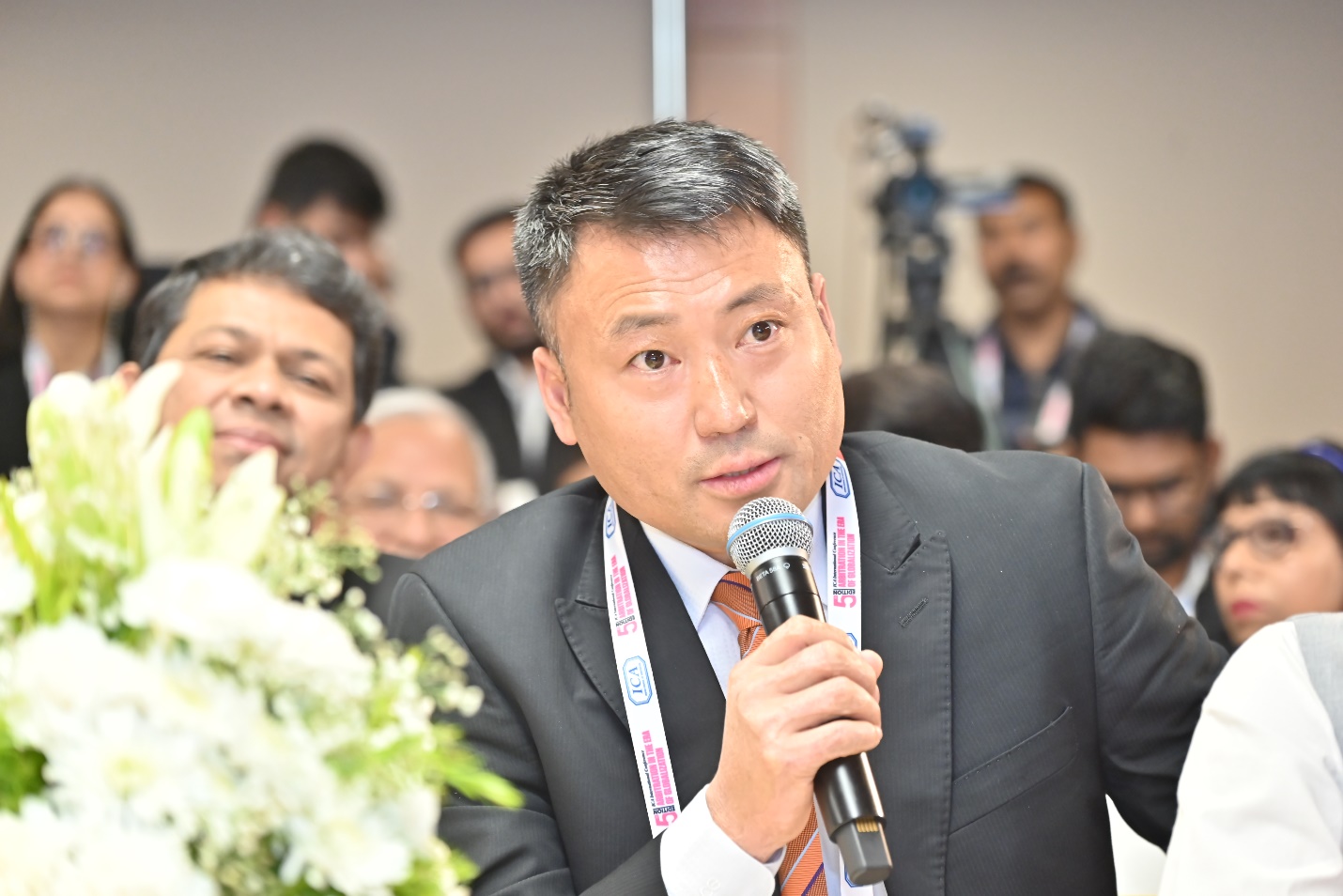
Mr. Drangpon Tenzin, Secretary General, Bhutan Alternative Dispute Resolution Centre, Bhutan, noted that Bhutan’s approach to arbitration is shaped by its Gross National Happiness philosophy, seeing it as a tool for sustainable development and cross-border trade. He identified poor communication between institutions, arbitrators, and Courts as a key regional challenge.
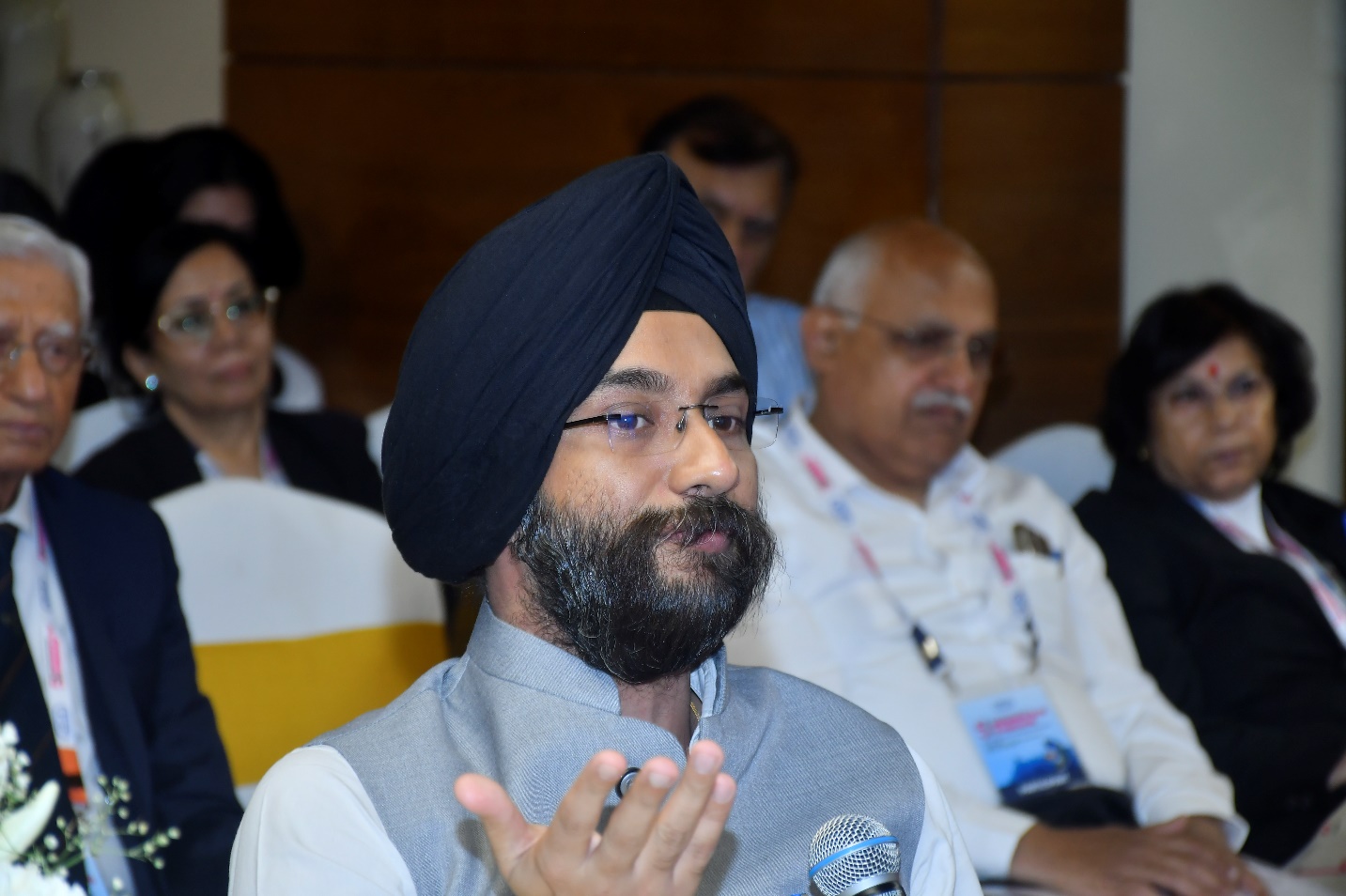
Mr. Avnit Singh Arora, Director, Arbitration & Mediation, Ministry of Law & Justice, emphasized that arbitration rests on party confidence, acknowledged India’s legislative progress on enforcement, and called for expanding institutional arbitration to Tier 2 and Tier 3 cities.
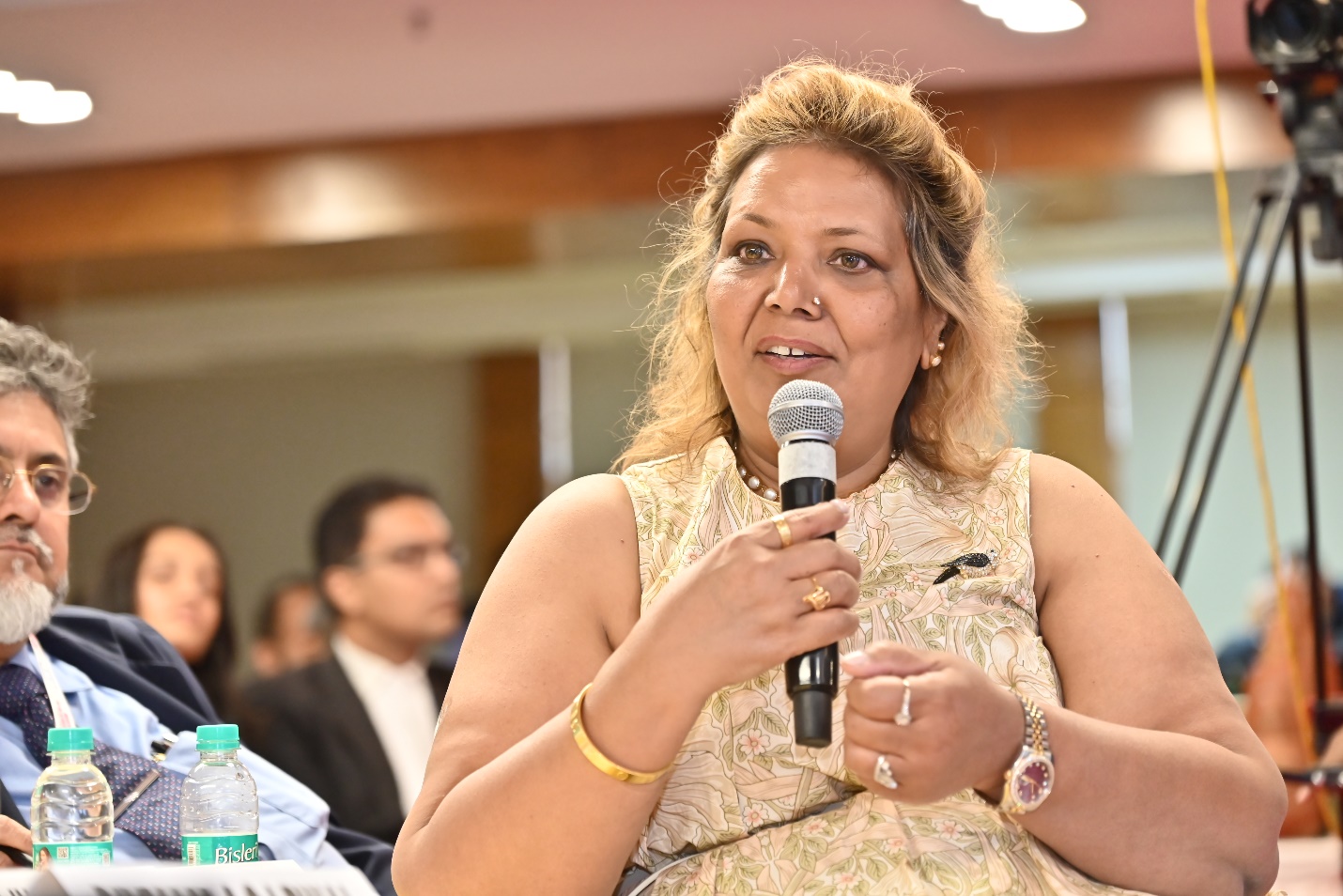
Ms. Renu Raj, an internationally accredited mediator, observed that arbitration is increasingly perceived as a mini-courtroom, fuelling a global shift toward mediation as parties seek to preserve relationships. She advocated for peer mediation training from school level upward, using the analogy of a mother mediating between two children to argue that the instinct must be cultivated early.
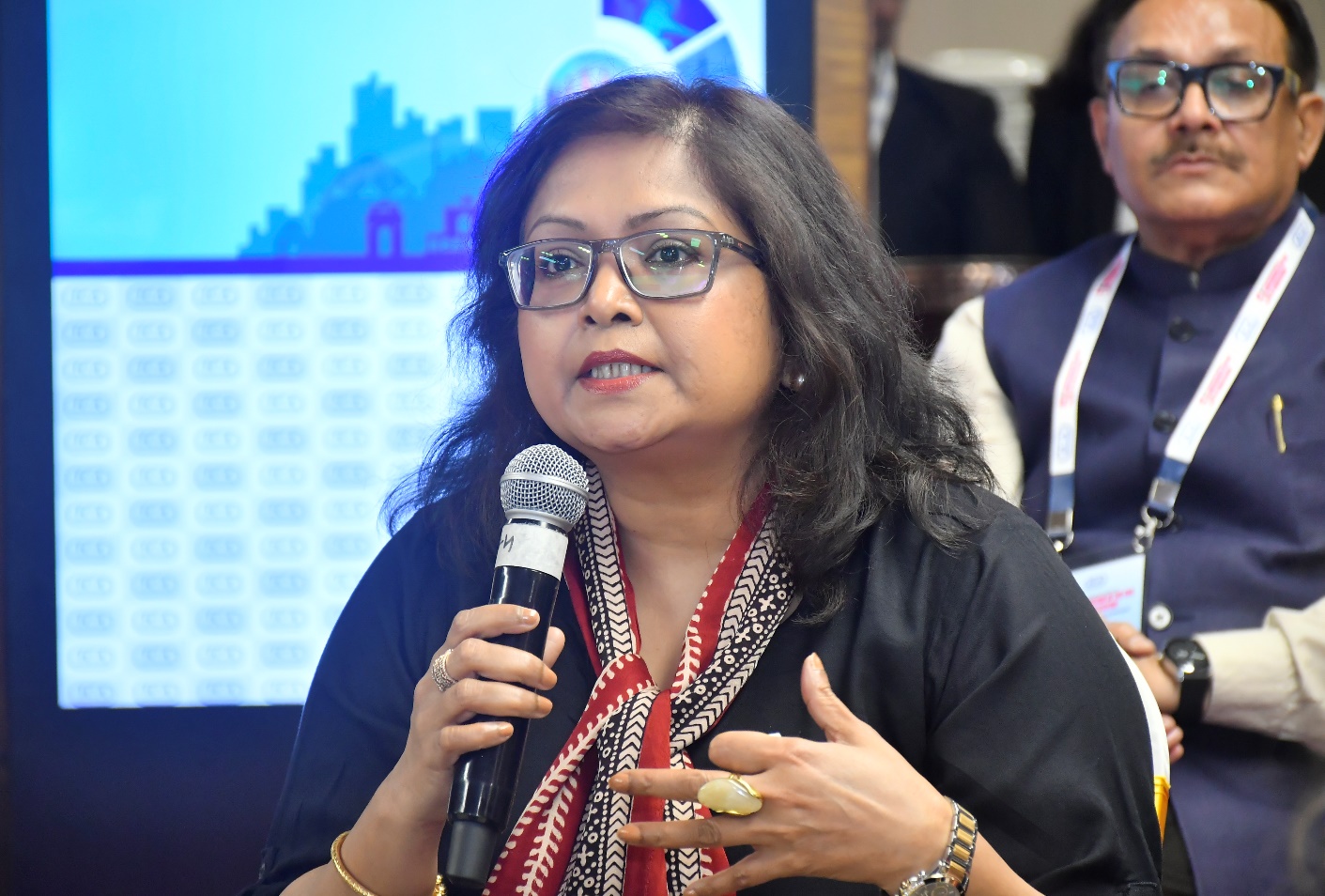
Dr. Ruhi Paul, Registrar, NLU Delhi, noted that arbitration is judged against its core promises of efficiency, cost-effectiveness, neutrality, and flexibility, with institutions central to delivering these. She acknowledged competition from mediation and the need to integrate technology, but expressed confidence that flexibility would allow arbitration to thrive.
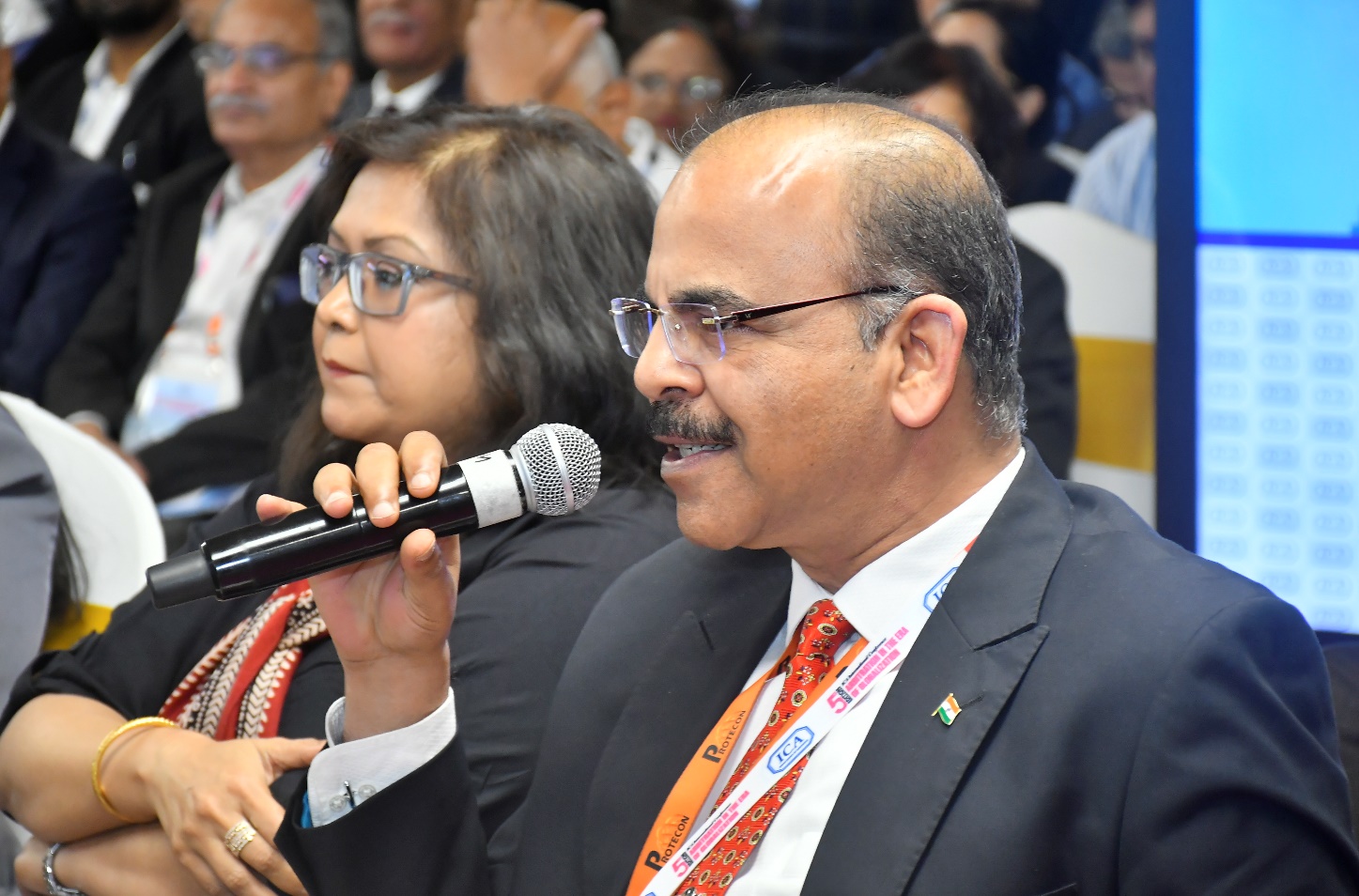
Mr. Manish Khilauria, CEO & MD, Protecon, offered a candid assessment, noting that many Indian arbitrators lack certification, training in delay analysis, and sufficient engagement with expert witnesses. He called on institutions, particularly ICA, to set and enforce minimum training standards and domain knowledge requirements, especially in complex sectors like construction, to ensure awards are both logical and enforceable.
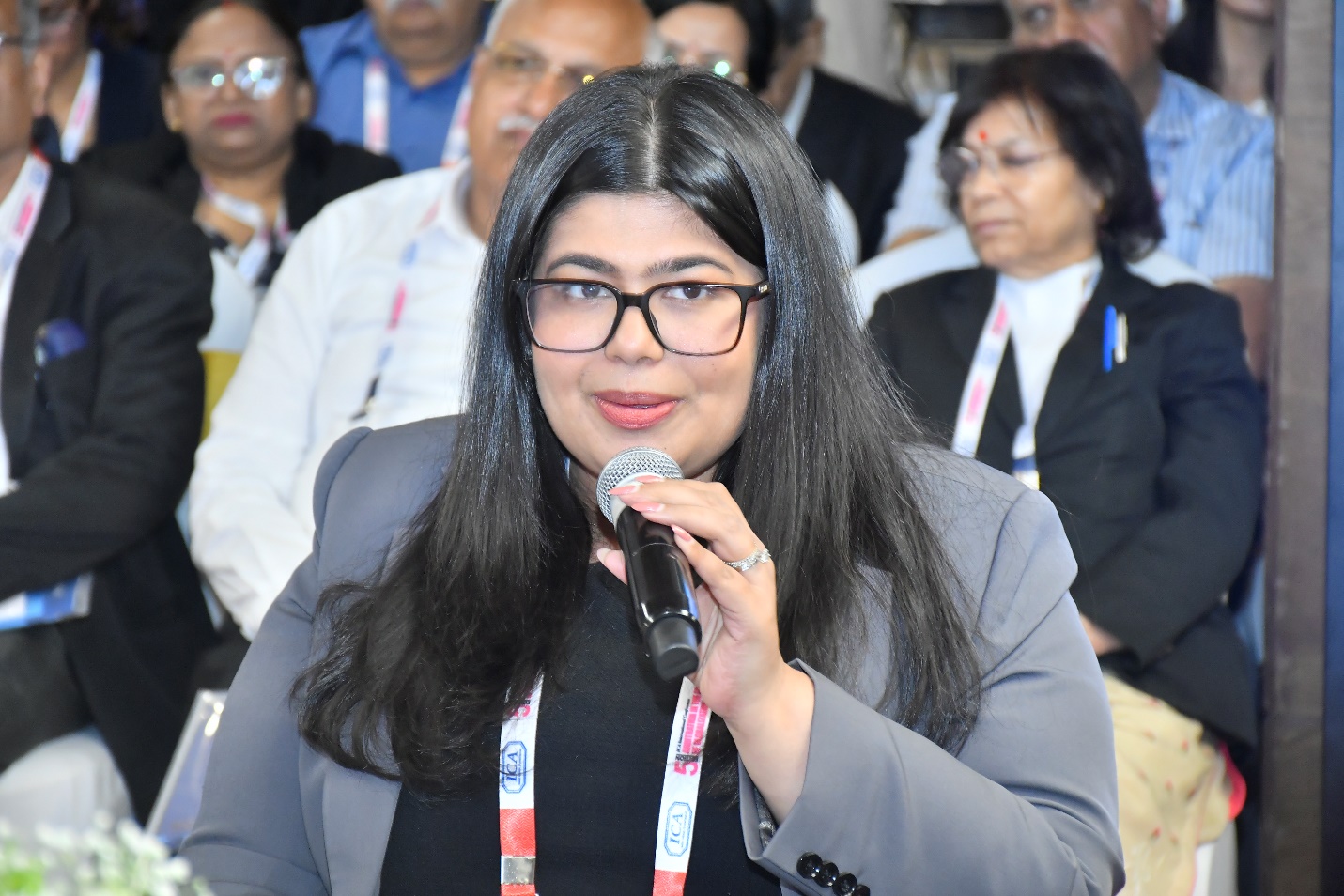
Ms. Devna Arora, Deputy Head (South Asia), Singapore International Arbitration Centre, observed that while contracts are drafted in boardrooms, they are tested by geopolitics, sanctions, and supply chain shifts. She argued that institutional arbitration sustains confidence by providing neutrality, enforceability, and procedural certainty in this environment.
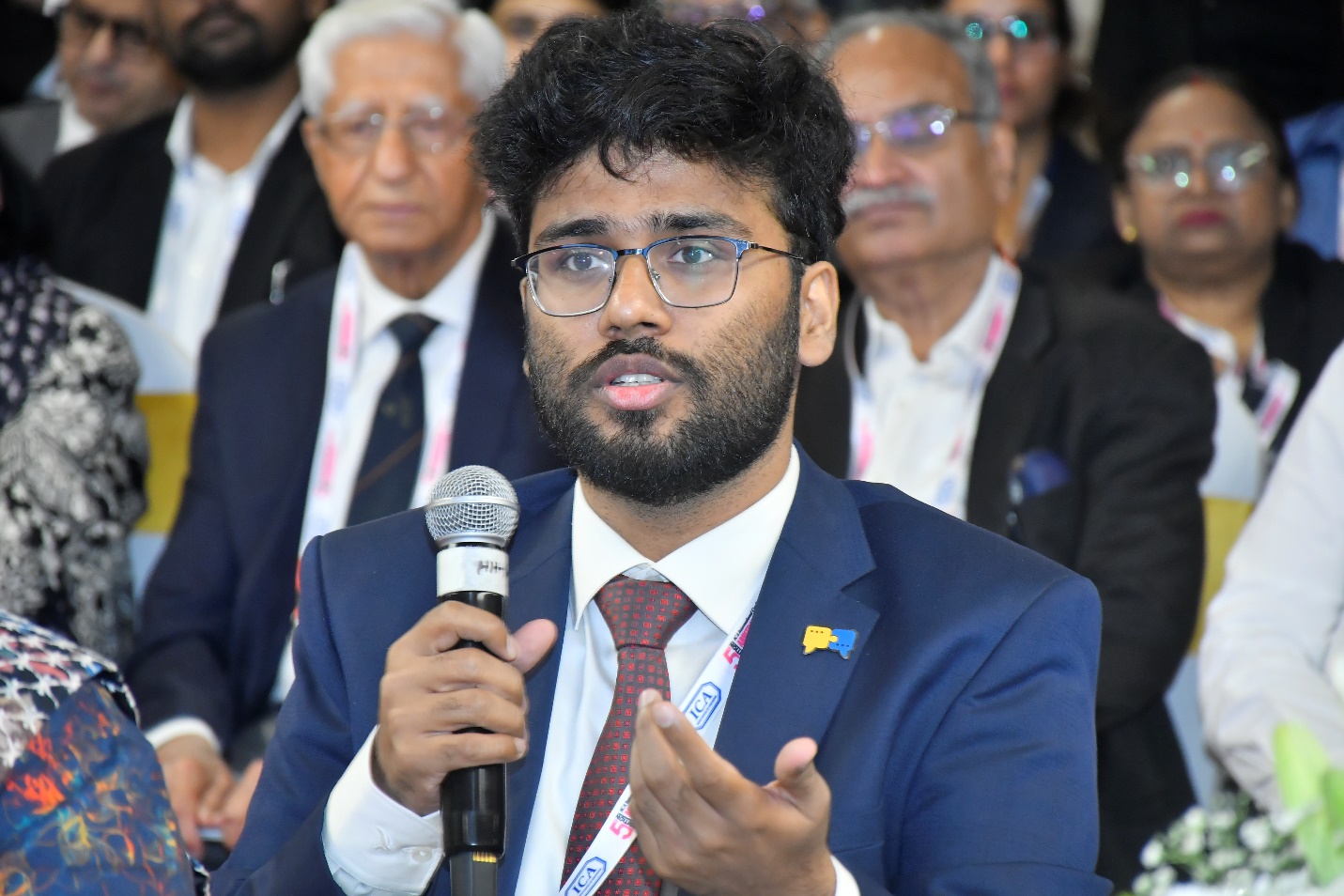
Mr. Rajendran N. K., Policy Consultant, Presolv360 (Edgecraft Solutions Private Limited), noted a global trust deficit in arbitration institutions around neutrality and transparency, which he saw as an opportunity for India. He highlighted ODR’s ability to embed neutrality and transparency directly into platforms, citing his platform’s use in Argentina and Puerto Rico as evidence that Indian ODR is already going global. He argued technology is India’s strategic competitive advantage.
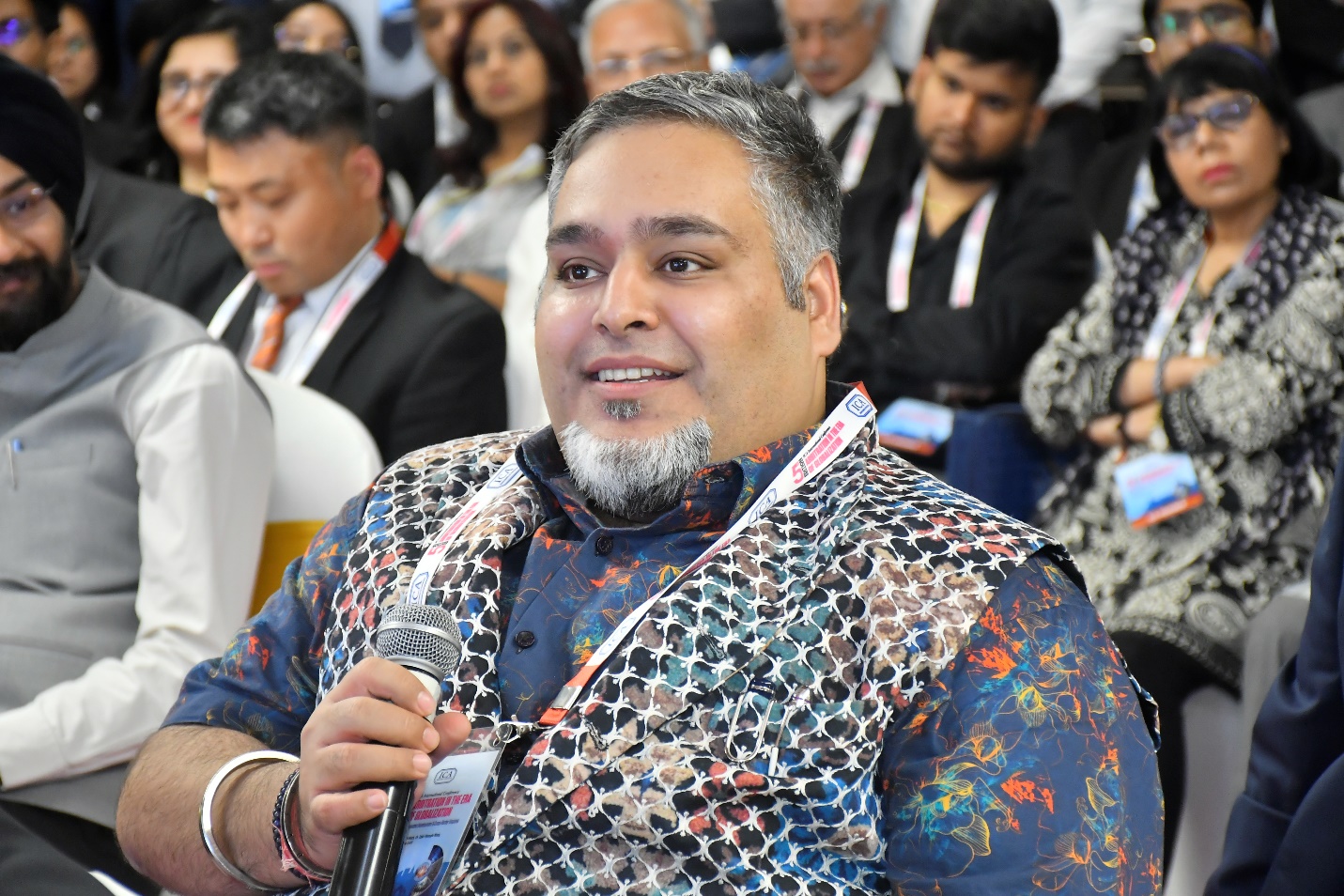
Dr. Abhimanyu Chopra, Partner, AZB & Partners, identified enforcement as arbitration’s real test, noting that India does not adequately track how many awards are upheld or challenged. He highlighted how parties undermine arbitration through procedural challenges and called for a searchable database of arbitral awards to incentivize quality. He also observed that many parties prefer retired judges as arbitrators, reflecting the confidence they place in their adjudicatory experience in resolving disputes. He emphasised that arbitration and ADR are fundamentally party-centric processes, and whether parties choose ad hoc arbitration with retired judges or institutional arbitration, that autonomy must be respected.
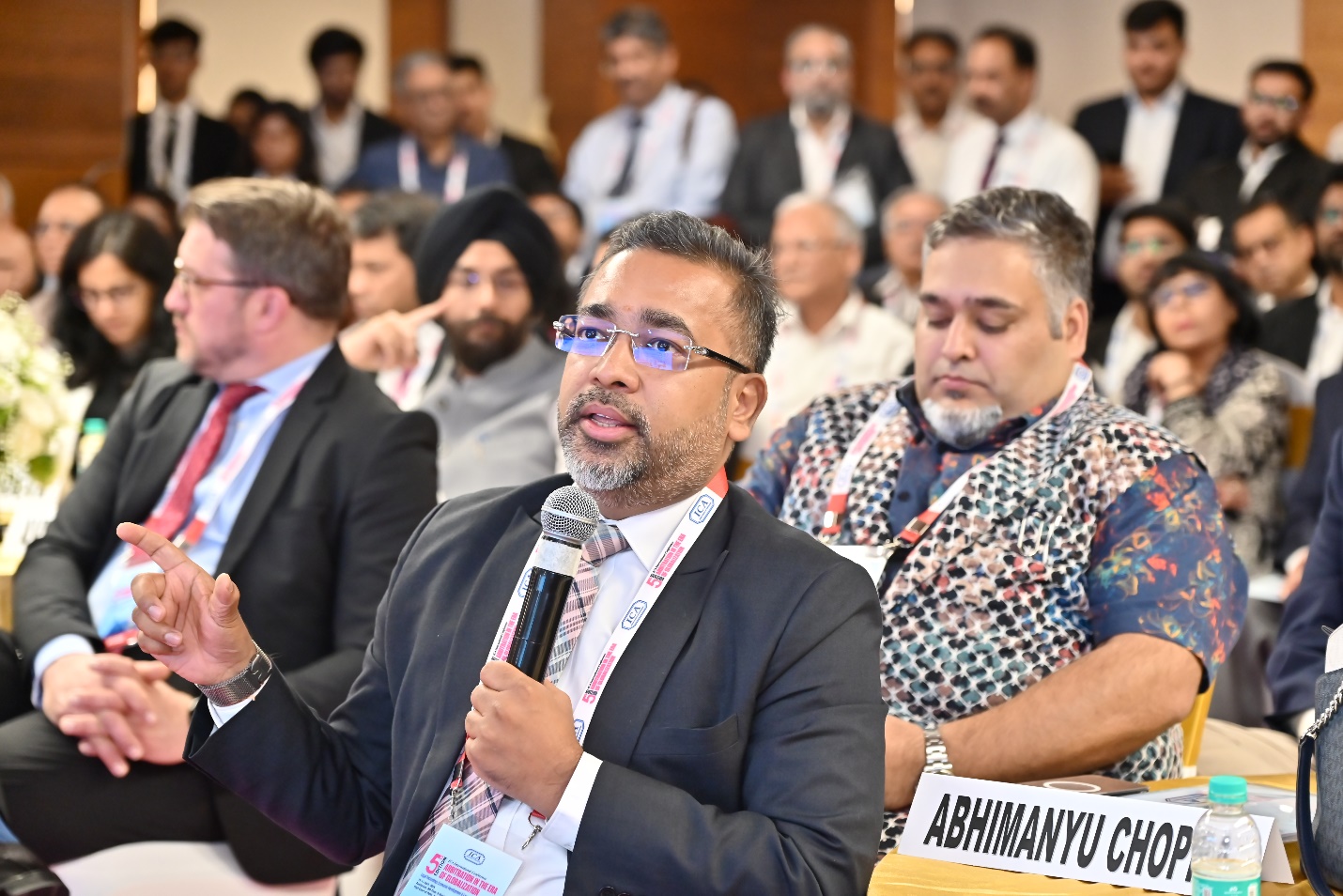
Mr. Divyam Agarwal, Partner, JSA Advocates & Solicitors, synthesised the session’s themes, arguing that in a world of protectionism and sanctions, arbitration is uniquely suited for disputes requiring a neutral, internationally respected forum. While acknowledging enforceability challenges, he concluded that sound international arbitration, insulated from domestic judicial dogmas, is a prerequisite for better globalization.
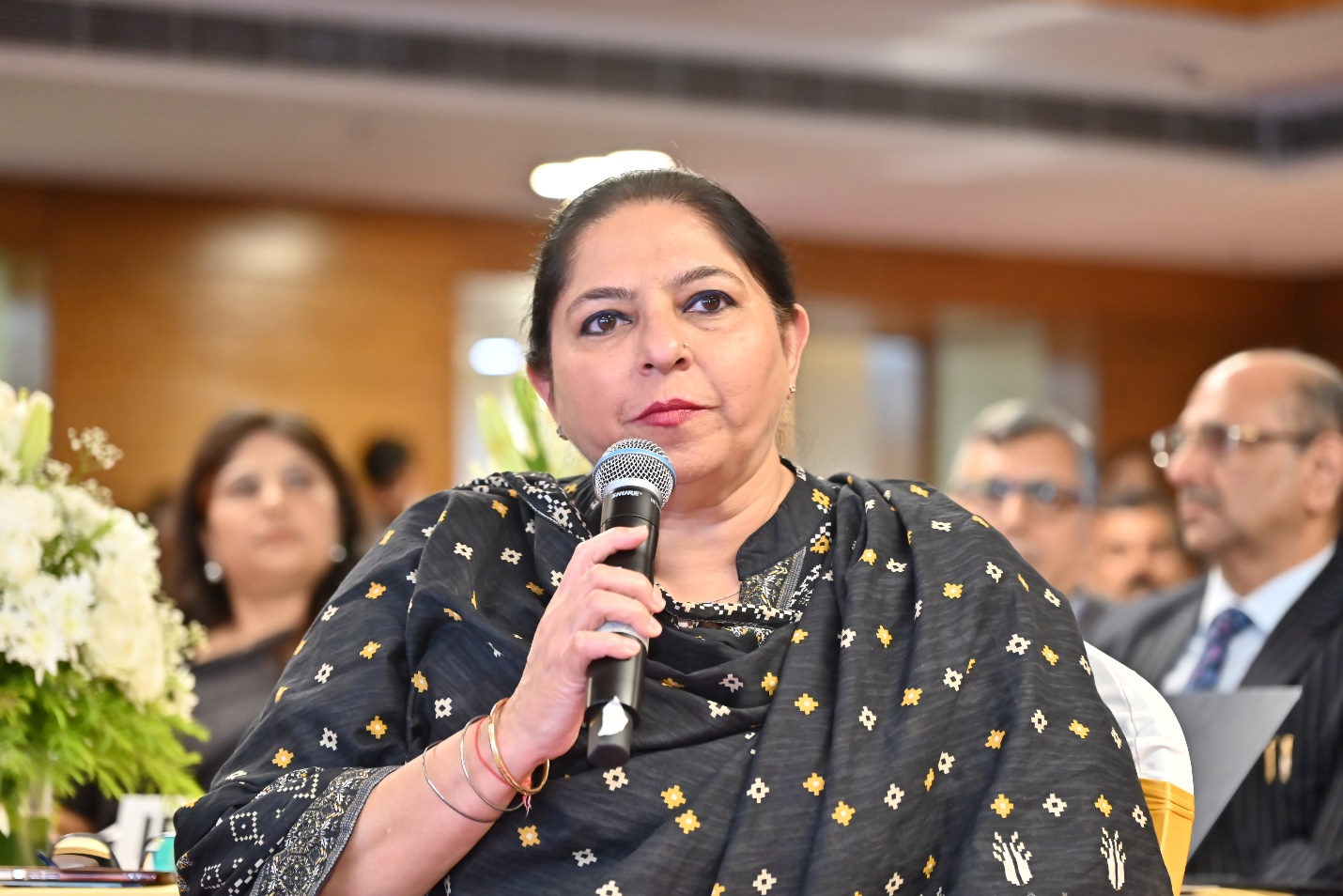
Ms. Priya Hingorani, Senior Advocate, Supreme Court, noted that arbitration and mediation go hand-in-hand, and that hybrid arb-med-arb processes are entirely viable. She welcomed the shift from retired judges toward lawyers and domain experts as arbitrators, arguing this would make arbitration faster and more focused.
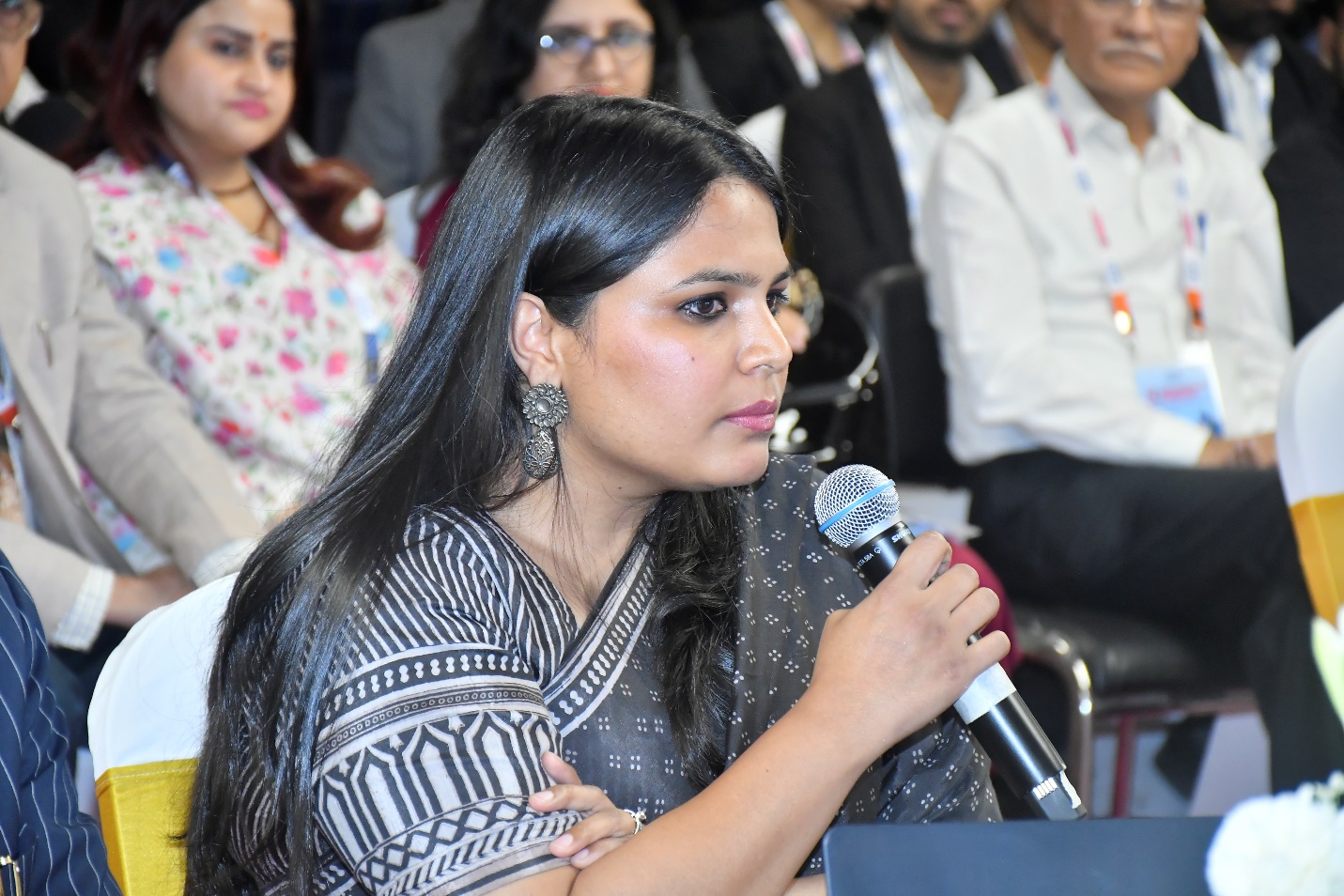
Ms. Sadhika Jalan, Joint Registrar, Delhi International Arbitration Centre, described arbitration’s trajectory as “onwards and upwards,” praising its structural advantage as a delocalized, politically insulated forum. She flagged concerns about Court inconsistency, arbitration proceedings mirroring litigation, and enforcement challenges. She also stressed that while institutions can prescribe, arbitrators must ultimately drive proceedings, and called for standardisation and clearer differentiation from Court processes.
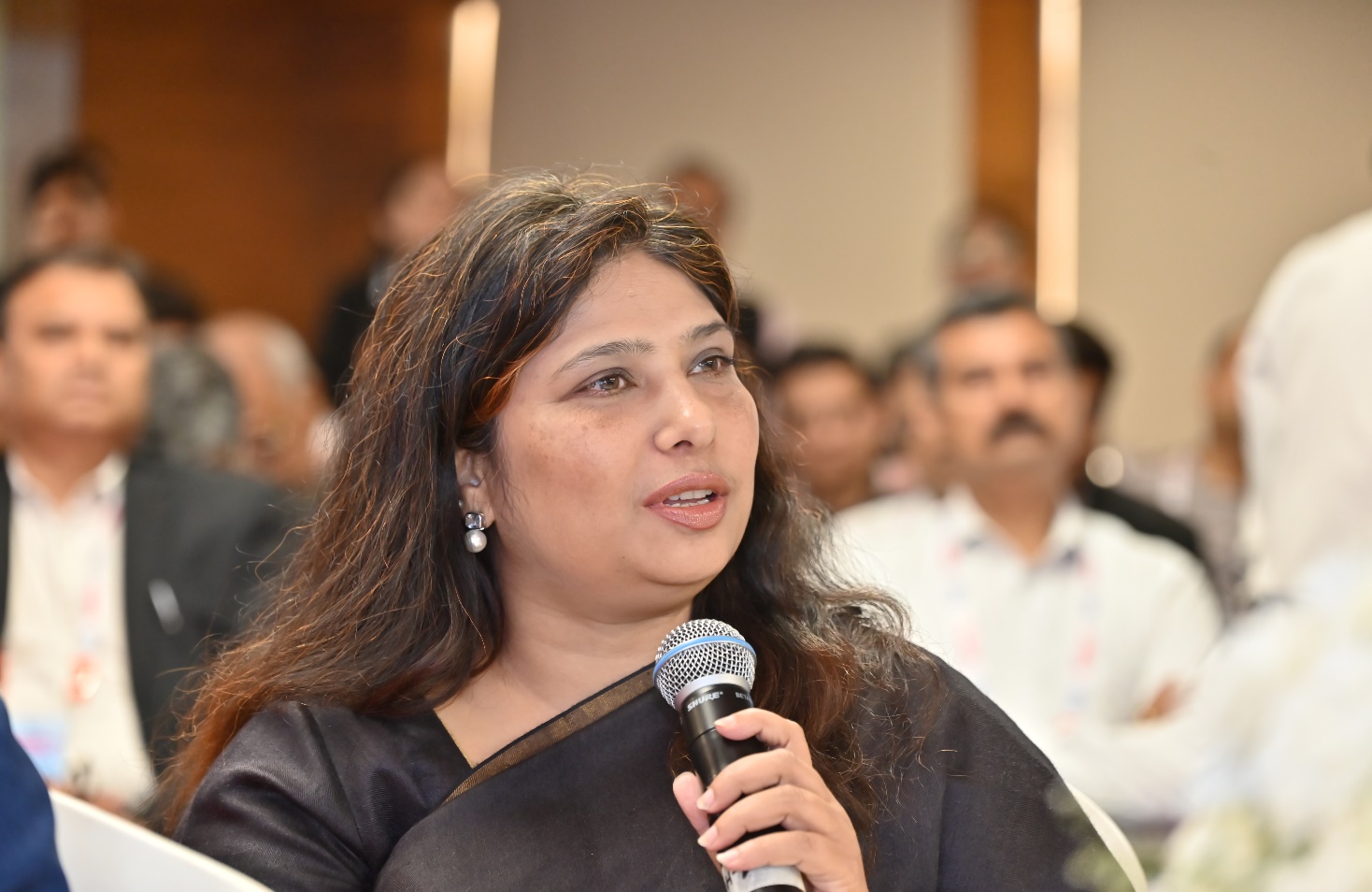
Ms. Iram Majid, Director, Indian Institute of Arbitration & Mediation, noted that arbitration is tested at every stage, with institutional credibility, technology, and adaptability as key evaluation criteria. She highlighted growing importance of pre-emptive safeguards such as emergency arbitration and digital asset tracking. She firmly sided with institutions simplifying the process, but cautioned against over-reliance on them, noting that lawyers, counsel, and arbitrators all share responsibility for the ecosystem’s health.
The discussion was then turned to the critical and most difficult aspect of arbitration: enforcement.
Dr. Chopra cautioned against assuming that institutional arbitration guarantees enforcement, citing the Westbridge and Daishi cases as examples where enforcement remained contested. He noted that for simpler disputes, ad hoc may even be faster, and that the enforcement test is always tied to the jurisdiction, where both institutional and ad hoc awards face similar hurdles.
Mr. Navin K. Singh highlighted a structural tension in Indian law: while the CPC is excluded from arbitration proceedings, award enforcement proceeds as if it were a court decree under Order XXI, exposing it to the same obstacles as civil execution. He called for a dedicated enforcement procedure for arbitral awards as a key reform.
Regarding the imposition of ad valorem stamp duty on arbitral awards in Maharashtra, the table deliberated whether such requirements undermine the efficiency of arbitration, particularly institutional arbitration was brought into question.
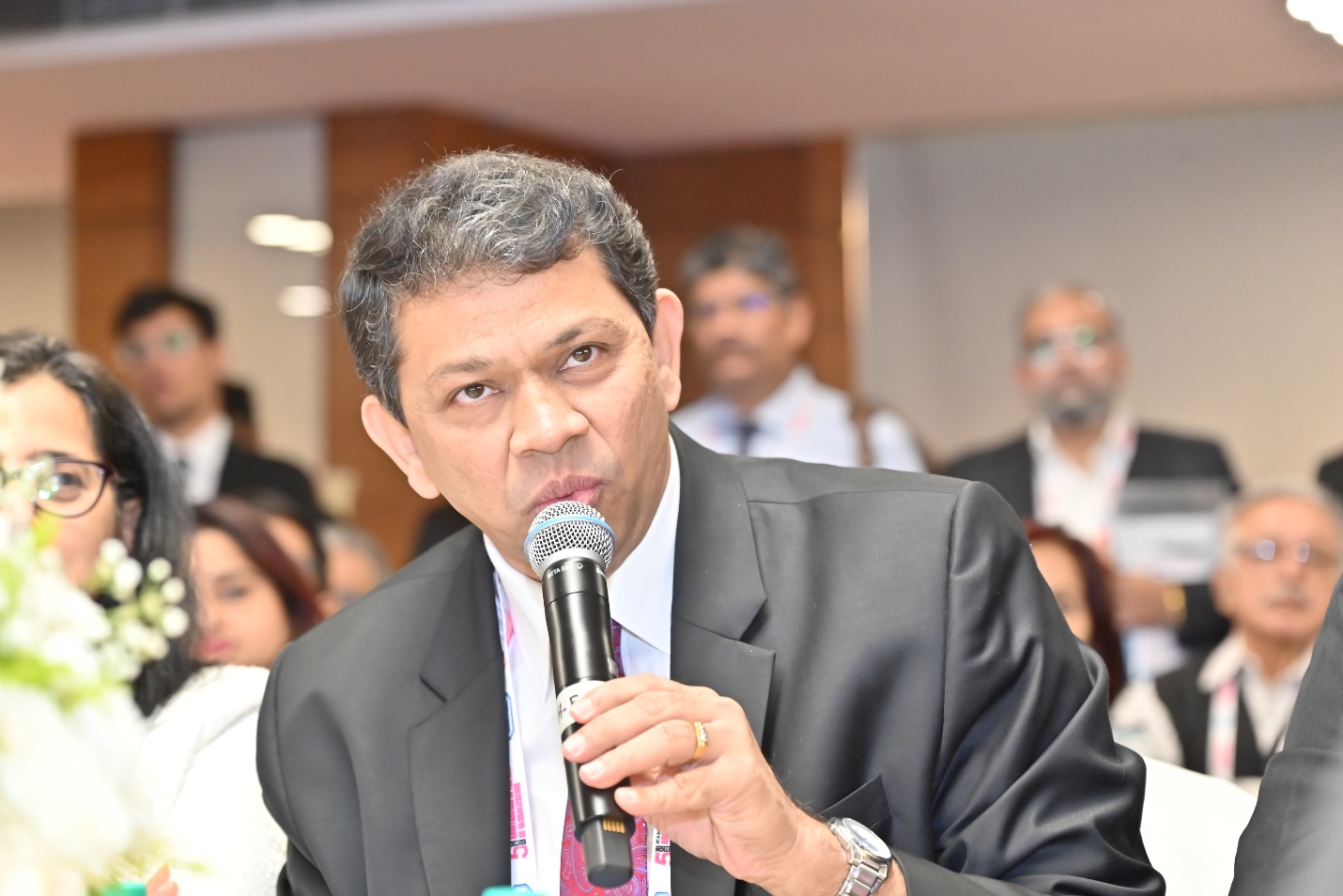
Mr. Ganesh Chandru, Partner, Dua Associates, explained from recent experience that Maharashtra’s stamp duty had shifted from a nominal Rs. 500 flat fee to an ad valorem charge, creating procedural confusion and acting as a significant deterrent to enforcement. He called for a uniform nominal stamp duty across all states.
Mr. Arora confirmed that uniform stamp duty was discussed during the 2024 amendments, but the constitutional reality of stamp duty as a state subject makes central legislation difficult. He supported simplification and noted that DPIIT was working with states to ease the broader stamp duty ecosystem, which would benefit arbitration and citizens alike.
In the closing segment of the roundtable, the final question was what would it take for India to become a global arbitration hub was posed and whether the country is on the right track.
Mr. Arora noted that India’s legislative trajectory since 2015, including the amendment to Section 36 of the Arbitration and Conciliation Act, 1996, removing automatic stays, had brought the law closer to global standards and improved enforcement. He argued the next phase must focus on expanding institutional arbitration to Tier 2 and 3 cities, with party confidence and wider adoption as the critical next steps. He also urged that India must diversify arbitral appointments, moving from its reliance on retired judges toward appointing younger law firm partners and counsel with deep international experience.
Adding to this, Mr. Rajendran reiterated technology as the pivotal ingredient for India’s global aspirations and domestic reach, citing multilingual, device-accessible, and tamper-proof platforms. He stressed technology as India’s exportable arbitration advantage, with his platform’s use in Argentina and Puerto Rico as proof.
Furthermore, Ms. Majid called for minimising court intervention as a key step toward making India a genuine hub. Whereas Ms. Paul stressed that India’s path to becoming a hub requires genuine judicial independence for arbitration, active government promotion, and institutional accountability through transparent KPIs. She noted that competition among institutions is healthy and strengthens the ecosystem.
Closing the discussion, Dr. Chopra returned to party autonomy, cautioning that while courts are stepping back from arbitration, ADR cannot be fully exonerated from judicial oversight. He argued that the relationship between arbitration and courts must be one of complementarity, not complete separation.
The roundtable had started with the idea of arbitration as a pillar of stability, only to reveal how comprehensively arbitration itself was being tested, by enforcement challenges, court interference, the quality of arbitrators, geopolitical fragmentation, and the pull of mediation as an alternative.
The 5th ICA International Conference on Arbitration proceeded to its inaugural session, with the closed-door roundtable having laid the groundwork for what promised to be a substantive two-day engagement on the future of arbitration in a globalized world.