
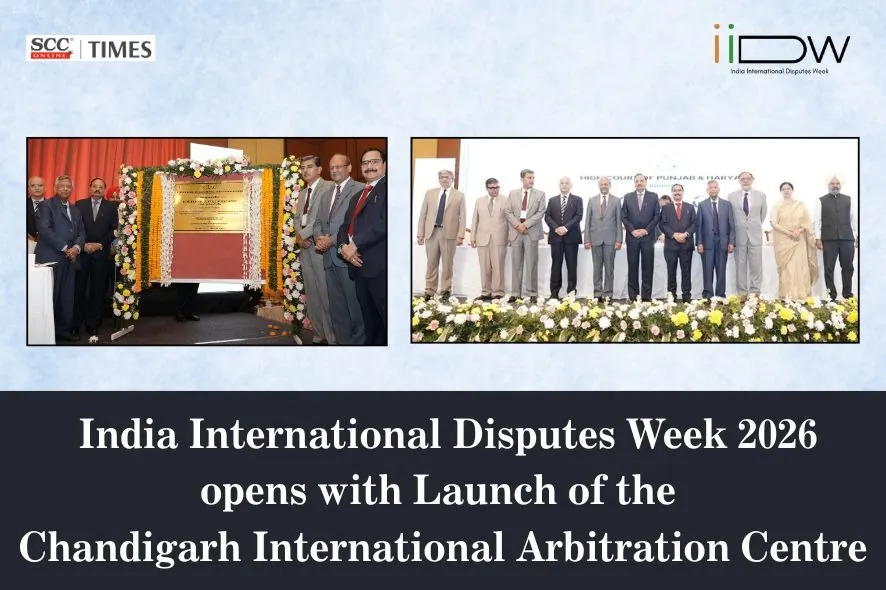
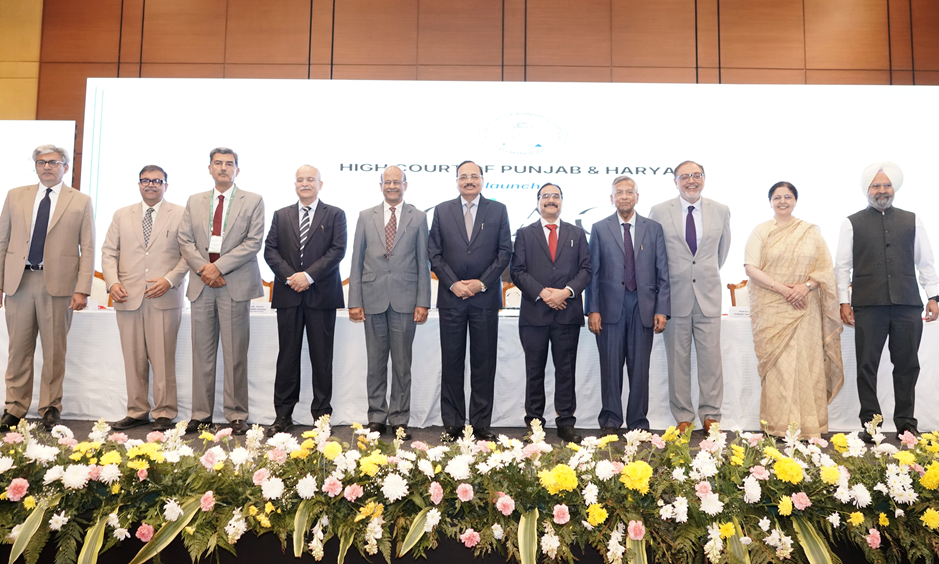
The first edition of India International Disputes Week 2026 (IIDW) commenced in Chandigarh with the inaugural ceremony marking the launch of the Chandigarh International Arbitration Centre (CIAC) under the aegis of the High Court of Punjab and Haryana. The inaugural session, moderated by Ekakshra Mahajan Mandhar, Partner, Mandhar and Associates and member of the Organising Committee, brought together judges of the Supreme Court and High Courts, senior law officers of the Union, international arbitration practitioners, and legal scholars to deliberate on India’s evolving role in the global dispute resolution landscape.
About India International Disputes Week 2026
Over the years, platforms dedicated to arbitration and dispute resolution have increasingly emerged as important forums for dialogue between the judiciary, the Bar, policymakers, and international practitioners. IIDW 2026, conceived as a five-day practice-focused forum from 7 to 11 March 2026 in Chandigarh, seeks to advance India’s position as a credible hub for dispute resolution across litigation, arbitration, and mediation, while fostering institutional collaboration and cross-border legal engagement.
Institutional Vision for Arbitration in Chandigarh
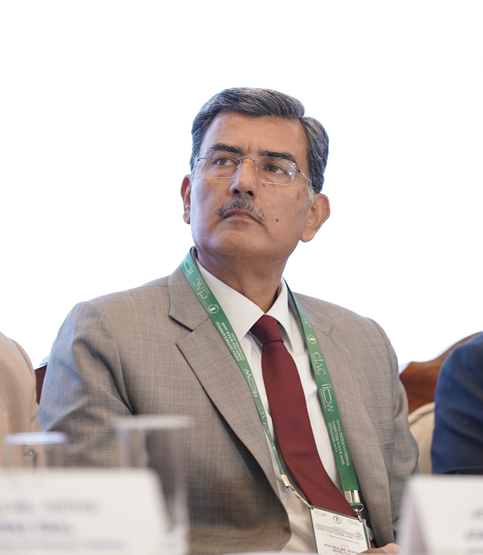
Welcoming the delegates, Justice Sheel Nagu, Chief Justice of the Punjab and Haryana High Court, described the first edition of IIDW as a significant step towards positioning the region as an emerging hub for international arbitration and cross-border dispute resolution. Addressing the gathering of legal professionals, policymakers, and global dispute resolution experts, he emphasised that such platforms are essential for strengthening India’s engagement with the global dispute resolution ecosystem.
“The proposed Chandigarh International Arbitration Centre is envisioned as a state-of-the-art facility developed on the lines of leading global institutions such as the Singapore International Arbitration Centre and the Delhi International Arbitration Centre.”
Highlighting the launch of CIAC, Justice Nagu noted that the existing Chandigarh Arbitration Centre already has 373 empanelled arbitrators, including former High Court judges, members of the district judiciary, advocates, and former civil servants. He observed that what began as a modest initiative conducting four to five arbitration sittings daily has now evolved into a vibrant institutional mechanism conducting 30 to 40 arbitration meetings every day, reflecting growing confidence in institutional arbitration. Emphasising the broader purpose of the event, he noted that IIDW serves as a platform for dialogue, collaboration and innovation, bringing together diverse legal traditions and global institutions to deliberate on the future of cross-border dispute resolution.
Launch of the Chandigarh International Arbitration Centre
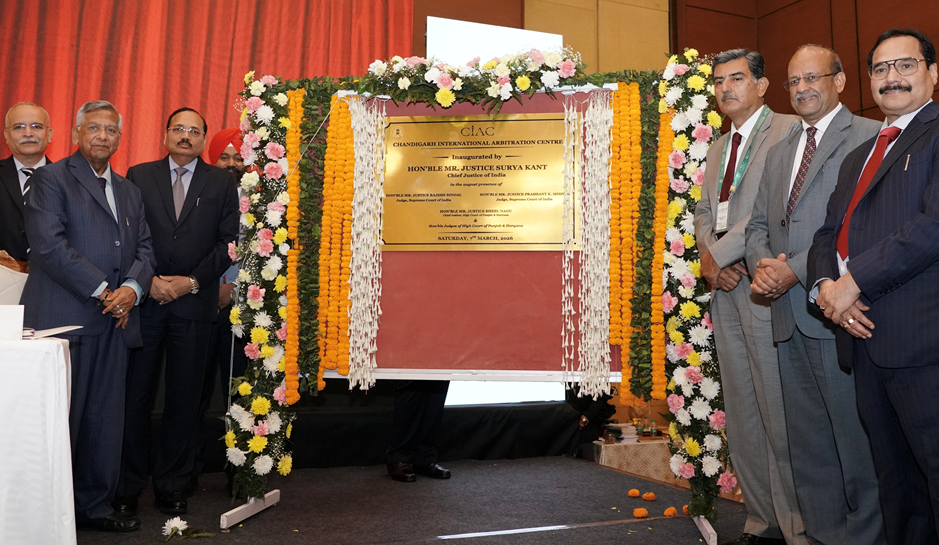
A key highlight of the inaugural evening was the formal launch of CIAC by Justice Surya Kant, Chief Justice of India, in the presence of Justice Sheel Nagu, Chief Justice of the Punjab and Haryana High Court, and Justice Ashwini Kumar Mishra, Judge, Punjab and Haryana High Court. The launch marked a significant institutional milestone for the region’s dispute resolution ecosystem and was accompanied by the unveiling of the official plaque. The ceremony underscored Chandigarh’s evolving role as an important judicial and administrative centre, supported by a strong legal community comprising senior advocates, former judges, academicians, and domain specialists.
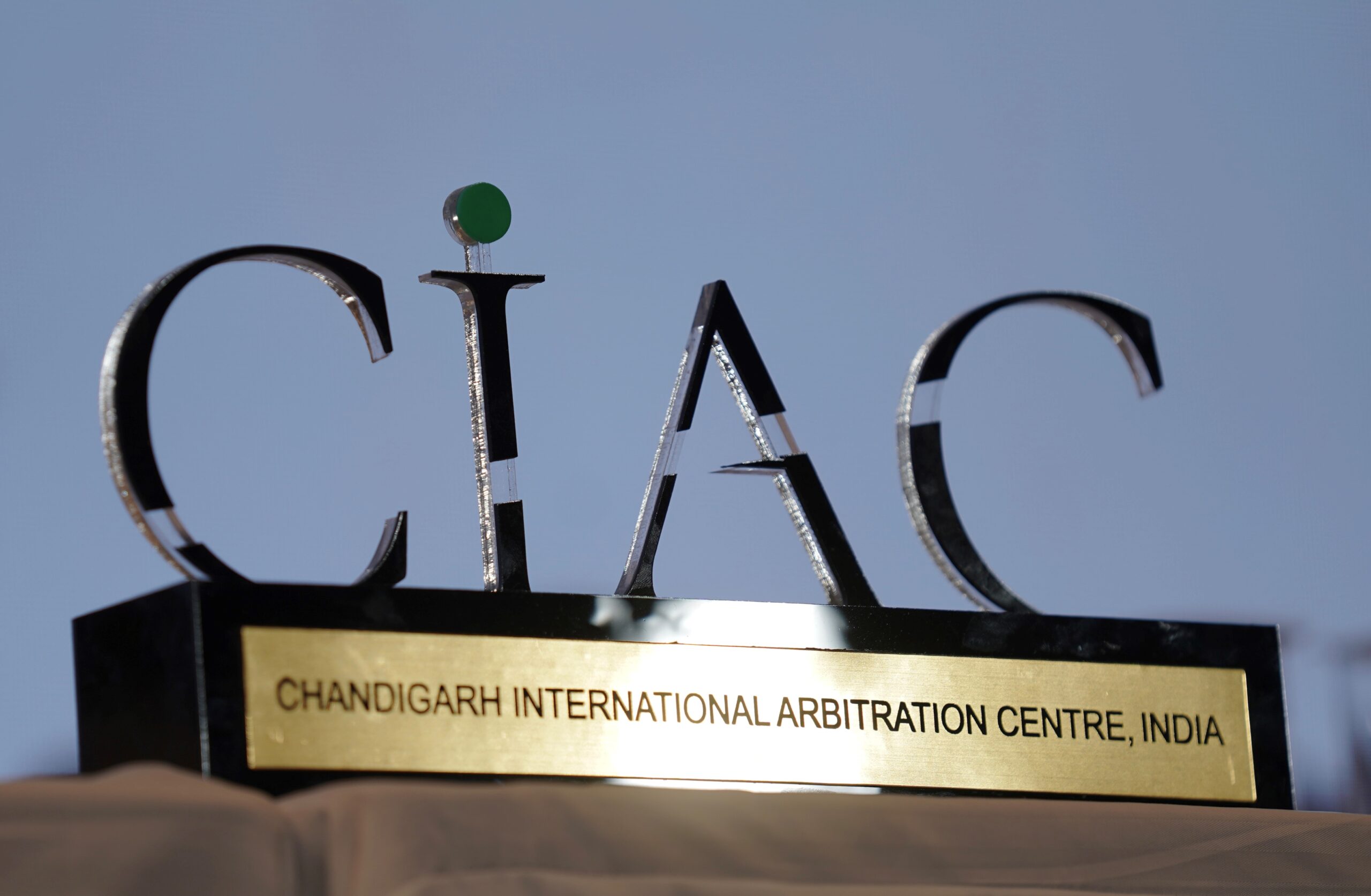
The establishment of CIAC has been envisioned as a step towards strengthening institutional arbitration in North India by providing a structured and accessible forum for commercial dispute resolution. With its strategic location at the intersection of Punjab, Haryana, and the Union Territory of Chandigarh, the city offers strong legal infrastructure, growing commercial activity, and a well-developed professional ecosystem. The new centre aims to provide businesses with a credible institutional platform for arbitration while reducing the need to rely exclusively on larger metropolitan arbitration hubs.
India’s Cross-Border Dispute Resolution Framework and Institutional Confidence
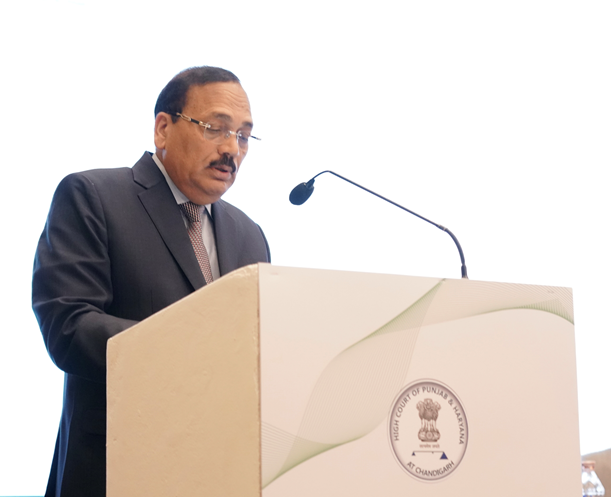
Delivering the keynote address, Justice Surya Kant, Chief Justice of India, reflected on the significance of launching both IIDW and CIAC, describing the occasion as a moment of institutional importance for India’s cross-border dispute resolution ecosystem. Recalling his own professional journey that began in the corridors of the Punjab and Haryana High Court, he noted that witnessing the establishment of a new institution dedicated to international dispute resolution in Chandigarh was both “humbling and heartening.” Emphasising the broader economic context, he observed that disputes are a natural by-product of expanding global commerce.
“A mature economy is not one that avoids disagreement. It is the one that resolves disagreement with credibility.”
Justice Surya Kant highlighted that India’s dispute resolution framework must inspire confidence among global investors through neutrality, efficiency, procedural discipline, and consistent enforcement of outcomes. Referring to legislative reforms and judicial developments in the past decade, he noted that amendments to the Arbitration and Conciliation Act, 1996 and the judiciary’s commitment to minimal intervention have strengthened the credibility of arbitration in India. He also emphasised the complementary role of mediation, particularly following the enactment of the Mediation Act, 2023, noting that arbitration and mediation must function together as part of a modern dispute resolution architecture. Concluding his address, he expressed hope that IIDW would evolve into a platform for meaningful dialogue and institutional collaboration, enabling India to emerge as a trusted jurisdiction for resolving international disputes.
Future of Dispute Resolution
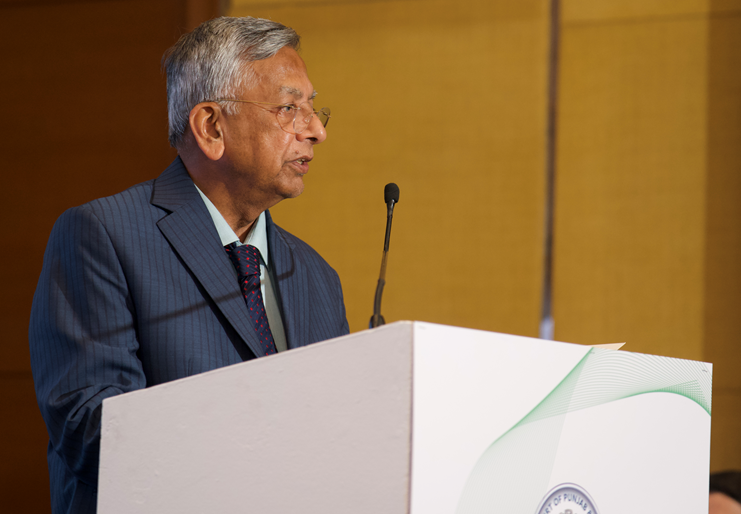
Addressing the gathering, Mr. R. Venkataramani, Attorney General for India, reflected on the broader significance of conferences such as IIDW, noting that they serve as platforms not merely to discuss arbitration but to exchange ideas and perspectives on the future of justice systems.
“The world needs more and more centres of excellence on an equal regard and equal status basis. Neither Singapore, nor Paris, nor London alone will satisfy the global need.”
Mr. Venkataramani further observed that while global arbitration practices offer valuable lessons, India’s legal and civilisational diversity requires the country to develop its own approaches rather than simply borrowing legal models from elsewhere. Highlighting the significance of CIAC, he noted that such institutions contribute to building a broader culture of arbitration, mediation, conciliation, and negotiation in India. Emphasising the need to rethink traditional adversarial systems, he posed a broader question for the legal fraternity: “Are we to become conflict sustainers, or angels of solutions?” He concluded by expressing hope that the discussions during the conference would generate new ideas and potentially lead to a forward-looking framework for strengthening dispute resolution in India.
Reflections from the Indian Diaspora
Speaking on behalf of the Indian diaspora in the United States, Ms. Manpreet Monika Singh, Judge, Harris County Civil Court, Texas, reflected on the journey of Indian-origin professionals in the American legal system and the growing collaboration between Indian and international legal communities.
“It was only in the year 2000 that Indians in meaningful numbers began entering the American Bar.”
She noted that her election as the first Sikh judge in the United States symbolised an important milestone for the community and emphasised the role of institutions such as the Sikh National Bar Association in supporting and amplifying the voices of Indian-origin legal professionals. She also highlighted the importance of strengthening partnerships between Indian and American legal institutions to foster deeper international legal collaboration.
Strengthening Global Legal Collaboration
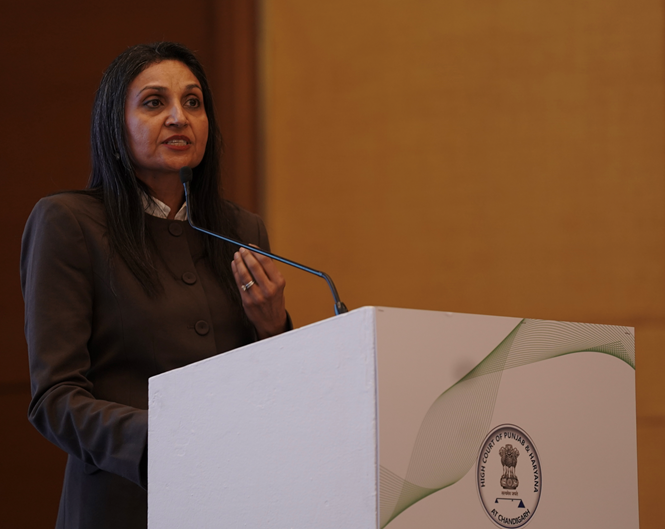
Welcoming the launch of the Chandigarh International Arbitration Centre, Ms. Charan Sandhu, Partner, Weil, Gotshal & Manges LLP, New York, described the initiative as a significant moment for the global legal community and emphasised the importance of closer engagement between Indian and American lawyers. Speaking also as a board member of the Sikh National Bar Association and the South Asian Bar Association of North America, she congratulated the organisers on the milestone and noted the growing strategic importance of India in the global legal landscape.
She expressed hope that India would continue to expand its influence in international dispute resolution and reaffirmed the support of the diaspora legal community in strengthening cross-border collaboration.
Global Arbitration Perspectives
Speaking from the perspective of an international practitioner, Mr. Rajiv Fokeer Sharma, Partner, FTPA and Vice-President, Association of South Asian Lawyers of France, reflected on India’s potential to emerge as a stronger destination for cross-border arbitration. Noting the growing prominence of the Asia-Pacific region in international arbitration, he referred to the Queen Mary—White & Case International Arbitration Survey, which indicates that nearly half of arbitration users are based in the region, yet Indian cities do not currently rank among the top global arbitration seats.
“Nearly 50% of arbitration users are based in the Asia-Pacific region and yet India or any of the Indian cities does not rank in the top five arbitration seats anywhere.”
Discussing what foreign practitioners look for in selecting an arbitration seat, Mr. Sharma emphasised the importance of a familiar legal framework, efficiency in recognition and enforcement of awards, and limited but supportive judicial intervention during arbitration proceedings. Referring to Chandigarh’s unique connection with France through Le Corbusier, he suggested that the city could naturally position itself as a preferred destination for the Francophone arbitration community. He also proposed practical steps such as introducing French-language rules and practice notes, noting that his firm would be happy to contribute to preparing such materials for the centre.
India’s Expanding Arbitration Ecosystem
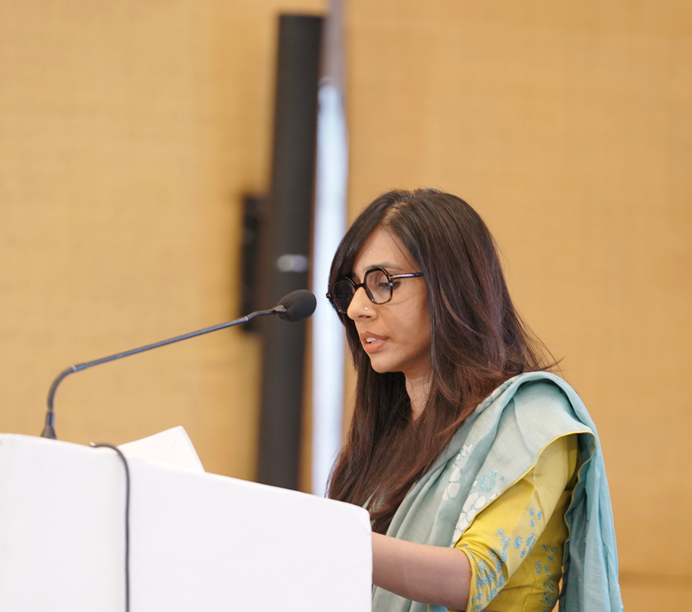
Speaking from an institutional perspective, Ms. Shwetha Bidhuri, Director and Head (South Asia), Singapore International Arbitration Centre (SIAC), described the opening of IIDW as a reflection of the “growing confidence, ambition and maturity of India’s dispute resolution community.” She noted that hosting the event in Chandigarh was particularly significant, as arbitration discussions in India have traditionally been centred around cities such as Mumbai and Delhi. According to her, bringing the conference to Chandigarh reflects the expanding breadth of India’s arbitration ecosystem and signals the readiness of new legal centres to play a role in international dispute resolution.
“When conversations around arbitration take place in new cities and legal communities, they signal something more fundamental than geographic expansion.”
Reflecting on India’s arbitration journey, Ms. Bidhuri highlighted the growing sophistication of Indian arbitration users and the increasing global recognition of Indian arbitration practitioners. She noted that India has consistently been among SIAC’s top three foreign users, with more than 1,500 India-related cases involving over 2,100 Indian parties administered over the past decade, and that Indian arbitrators were the third most frequently appointed nationality at SIAC in 2024. Emphasising the evolving expectations of arbitration users, she observed that parties increasingly seek structured, predictable, time-efficient and cost-effective dispute resolution mechanisms. Congratulating the organisers on the launch of the Chandigarh International Arbitration Centre, she remarked that the development of credible arbitration institutions is essential to building a robust dispute resolution ecosystem and expressed SIAC’s commitment to continuing engagement with Indian stakeholders in strengthening arbitration practice in the country.
Dispute Resolution as an Economic Imperative
Speaking on the broader economic significance of dispute resolution, Dr. Manoj Bharadwaj, Former International Civil Servant and Senior Advisor, International Law Institute, Washington DC, emphasised that a credible dispute resolution framework is essential for India’s economic growth and global competitiveness. He highlighted that the effectiveness of dispute resolution mechanisms directly influences investor confidence and commercial certainty.
“Effective dispute resolution is not merely a legal function; it is an economic imperative.”
Dr. Bharadwaj noted that if India aims to realise its vision of “Viksit Bharat by 2047,” investors must have confidence that disputes will be resolved fairly and efficiently. Referring to global arbitration hubs such as London, Singapore, Paris, Dubai, and Hong Kong, he observed that their success stems from institutional credibility, legal expertise, and strong judicial support. He further emphasised that arbitration in India should not remain confined to a few metropolitan centres and that Chandigarh holds significant potential to emerge as a regional dispute resolution hub, supported by the leadership of the Punjab and Haryana High Court and initiatives such as the Chandigarh International Arbitration Centre. Highlighting the wider economic implications, he added that arbitration can also contribute to the export of Indian legal services, strengthening India’s position in the global professional services economy.
India’s Arbitration Framework in Global Perspective
Speaking on the global perception of India’s arbitration framework, Dr. Satvinder Singh Juss, Barrister and Master of the Bench of Gray’s Inn and Professor at King’s College London, described the launch of the CIAC during IIDW as an important institutional development. Reflecting on India’s growing prominence in international arbitration, he attributed this progress to several developments, including a pro-arbitration judicial approach, legislative reforms, and strengthening of arbitration institutions across the country.
“The Indian Supreme Court has adopted a minimal interference philosophy.”
Dr. Juss further noted that recent developments such as the recognition of emergency arbitrator awards, the establishment of new arbitration institutions, and the increasing engagement of international practitioners reflect the maturity of India’s arbitration landscape. He observed that the UK legal community views these developments positively and is actively engaging with Indian counterparts in discussions aimed at improving efficiency and adopting international best practices. Welcoming the establishment of the CIAC, he remarked that initiatives such as institutional collaboration, hybrid dispute resolution mechanisms like Arb-Med arbitration protocols, and capacity-building partnerships with international arbitration centres could significantly strengthen Chandigarh’s potential to emerge as a credible arbitration hub.
India—UK Legal Traditions and ADR
Delivering the concluding remarks from an international perspective, Mr. Baldeep Singh, Barrister, Master of the Bench and Deputy District Judge, United Kingdom, reflected on the longstanding relationship between the legal systems of India and the United Kingdom. Addressing the gathering of judges and legal practitioners, he noted that the two jurisdictions share a deep common law heritage built upon principles such as precedent, judicial independence, procedural fairness, and respect for the rule of law.
“I stand here conscious that I represent a bridge between two legal traditions that have long been connected by history, shared values and profound respect for the rule of law.”
Mr. Singh further observed that while modern legal systems across the world have drawn from common law traditions, India’s historical practices of community-based dispute resolution also offer valuable lessons for contemporary justice systems. Highlighting the growing importance of Alternative Dispute Resolution (ADR) mechanisms such as mediation, conciliation and arbitration, he noted that such processes are essential complements to formal court systems that increasingly face heavy caseloads. He remarked that institutions of this kind strengthen confidence in India’s legal ecosystem and contribute to the global arbitration landscape by expanding credible forums for resolving international disputes.
Vote of Thanks
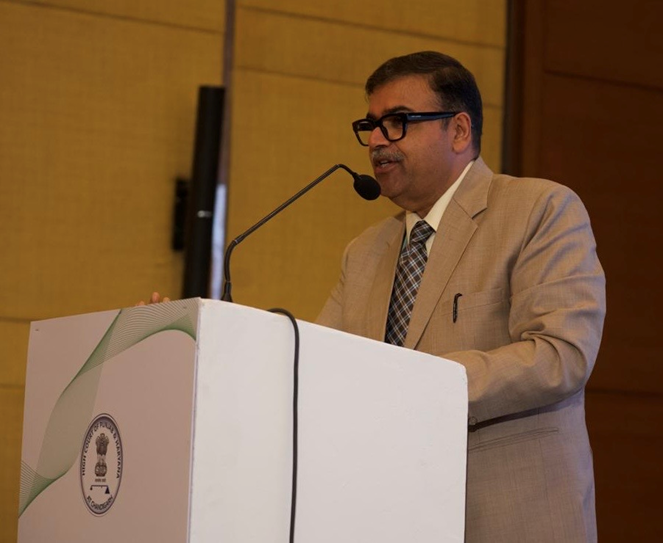
Proposing the vote of thanks, Justice Ashwini Kumar Mishra, Head of the Organising Committee of IIDW, expressed gratitude to the distinguished dignitaries, speakers, and delegates who had gathered for the inaugural session and the launch of CIAC. He conveyed the organising committee’s deep appreciation to Justice Surya Kant, Chief Justice of India, for his guidance and inspiration in shaping the idea of establishing the arbitration centre and for gracing the occasion. Justice Mishra also thanked Mr. R. Venkataramani, Attorney General for India, and the judges of the Supreme Court and various High Courts, whose presence and contributions, he noted, had strengthened the significance of the gathering.
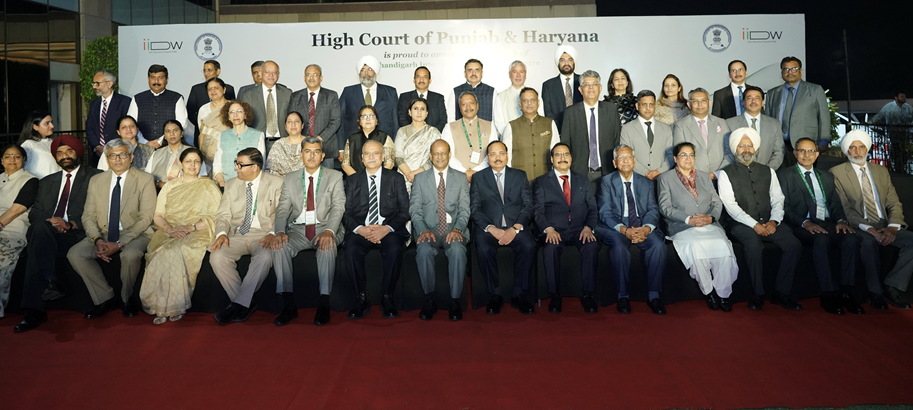
Justice Mishra further acknowledged the participation of international delegates, members of the Bar, academicians, and legal professionals who travelled from different jurisdictions to share their insights on the evolving global dispute resolution landscape. He also appreciated the efforts of the organising team, particularly the young lawyers who worked extensively to bring the conference to fruition under the leadership of Mr. Suveer Sidhu. Concluding his remarks, he expressed gratitude to the media, partners, and all participants for their support in making the first edition of IIDW a meaningful beginning for dialogue on India’s role in the global dispute resolution ecosystem.