








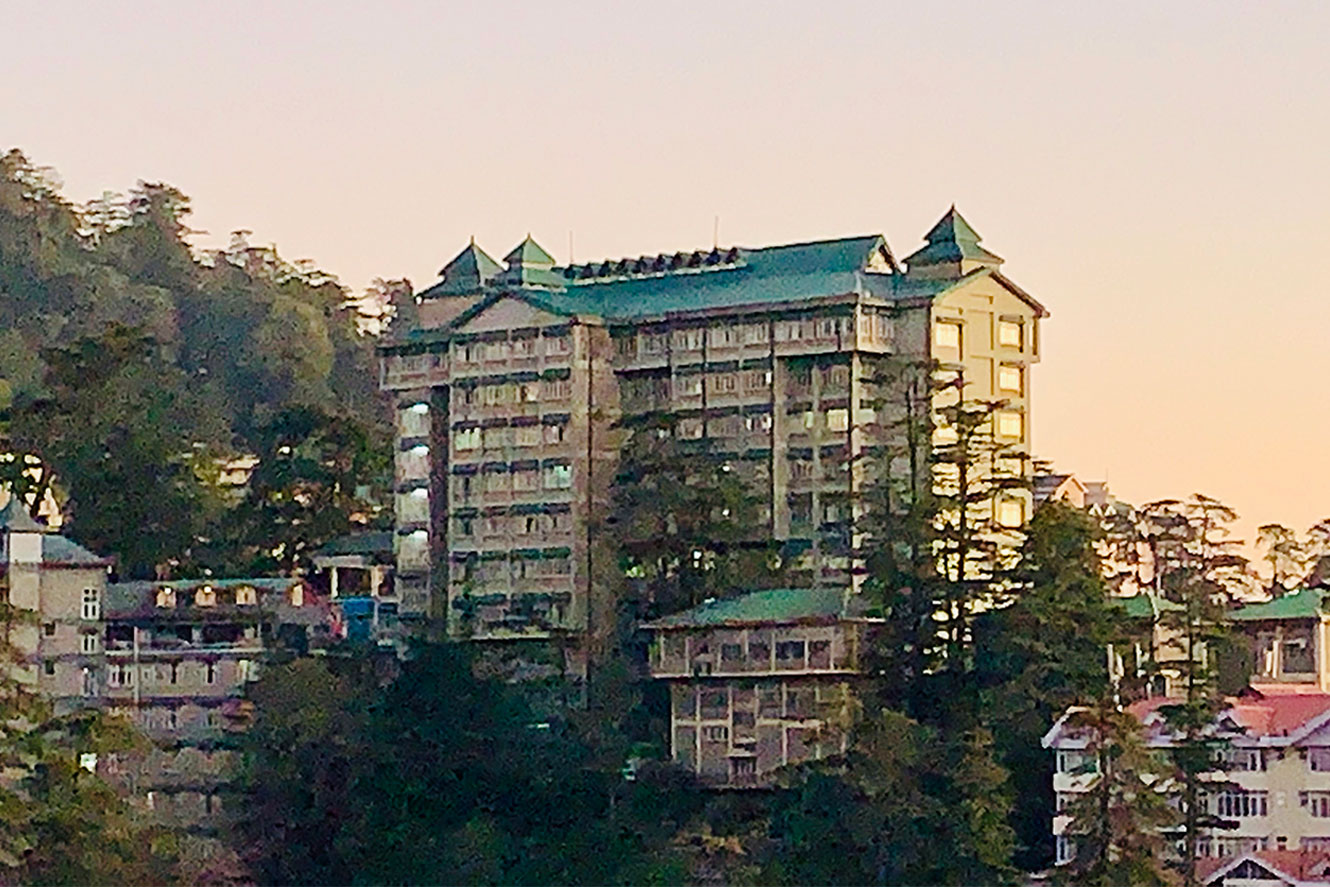
Himachal Pradesh High Court: Jyotsna Rewal Dua, J., disposed of a petition while granting liberty to the parties to move an appropriate application seeking relaxation of the period prescribed under Section 28(2) of the Special Marriage Act 1954.
The parties were husband and wife and their marriage was solemnized as per Roman Catholic Rights and Rituals at Shimla on 15-02-2009, after some marriage discord developed between them they had been living separately w.e.f. 18-03-2018.Petition for dissolution of marriage by a decree of divorce by mutual consent under Section 28 of Special Marriage Act, 1954 was filed by the parties before the learned District Judge (Family Court) who had granted them six months statutory period to ponder over their decision-qua-divorce and the matter had been ordered to be listed on 5-06-2021. It was submitted that they had explored all possibilities of reconciliation but failed and therefore prayed that the statutory period of six months deserved to be relaxed.
The Court explained that the above question of relaxing the stipulated six months came before the Supreme Court in the case of Amardeep Singh v. Harveen Kaur, (2017)8 SCC 746 and after tracing the legal journey the Court had held that period mentioned in Section 13B (2) was not mandatory but directory. It shall be open to the Court to exercise its discretion in facts and circumstances of each case, where there was no possibility of parties resuming cohabitation and there are chances of alternative rehabilitation.
The Court disposed of the petition by granting liberty to the parties including the petitioner to move an appropriate application seeking relaxation of the period prescribed under Section 28(2) of the Special Marriage Act 1954.[Naveen Kumar Dass v. Reena Kumari, 2021 SCC OnLine HP 225, decided on 08-02-2021]
Suchita Shukla, Editorial Assistant has put this story together








1 reply