








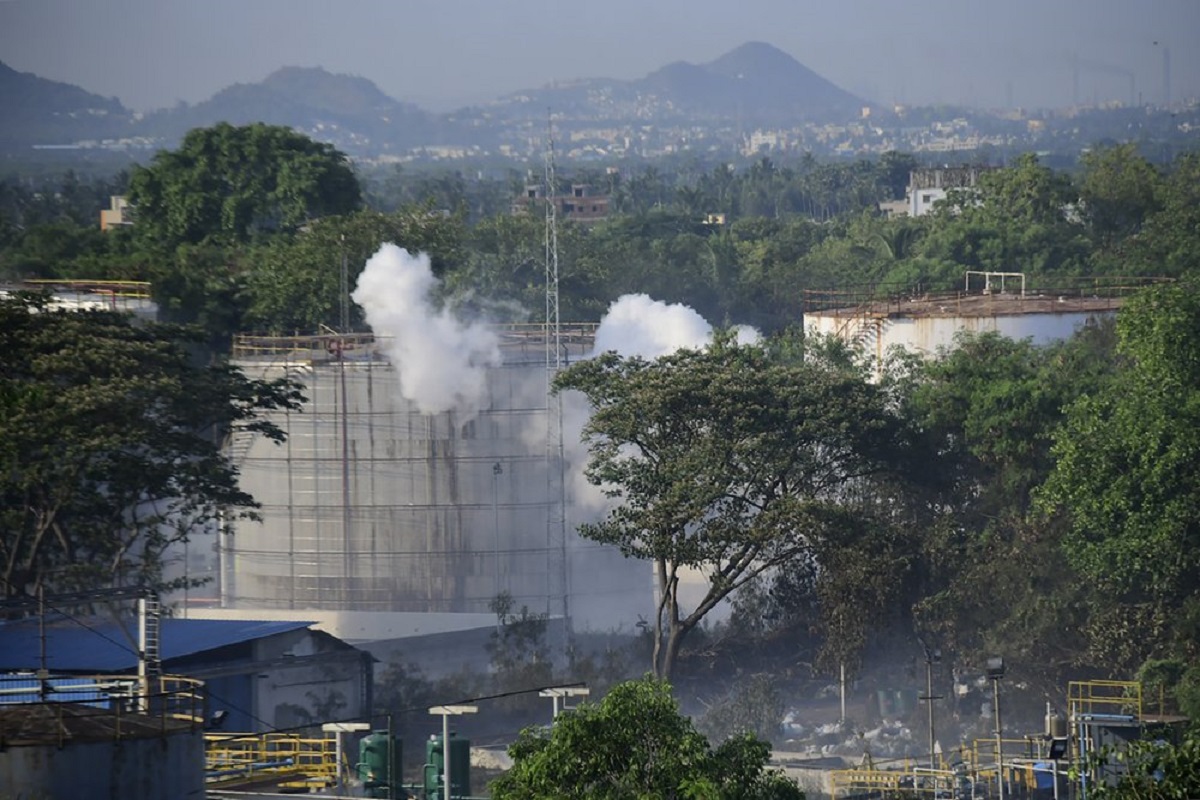
UN independent expert while monitoring the Vizag Gas Leak stated,
“deadly toxic gas leak at a Korean-owned polymer plant in south-eastern India, is a grim wake up call for the chemical industry to acknowledge and fulfil its responsibility to respect human rights.”
Twelve people reportedly died and more than 1,000 fell sick after styrene leaked from the LG Chem plant near Visakhapatnam, in Andhra Pradesh state, on 7 May.
Styrene is used to make plastics, but it can also cause cancer and neurological damage. It can also harm reproduction and its impacts may go unnoticed for years after exposure.
Baskut Tuncak, Special Rapporteur on hazardous substances and wastes said that,
“The latest disaster has rightly drawn parallels to the toxic gas leak that killed thousands in Bhopal, India, in 1984.”
Further he added,
“I urge Indian and South Korean authorities, and the businesses implicated, to avoid the same mistakes and abuse of judicial procedures that have denied justice to the victims of the Bhopal disaster, who are still suffering to this day.”
Read More:
Who are UN Special Rapporteurs?
UN Special Rapporteurs are part of what is known as the Special Procedures of the Human Rights Council. Special Procedures, the largest body of independent experts in the UN Human Rights system. The experts work on a voluntary basis; they are not UN staff and nor do they receive a salary for their work.







0 replies