








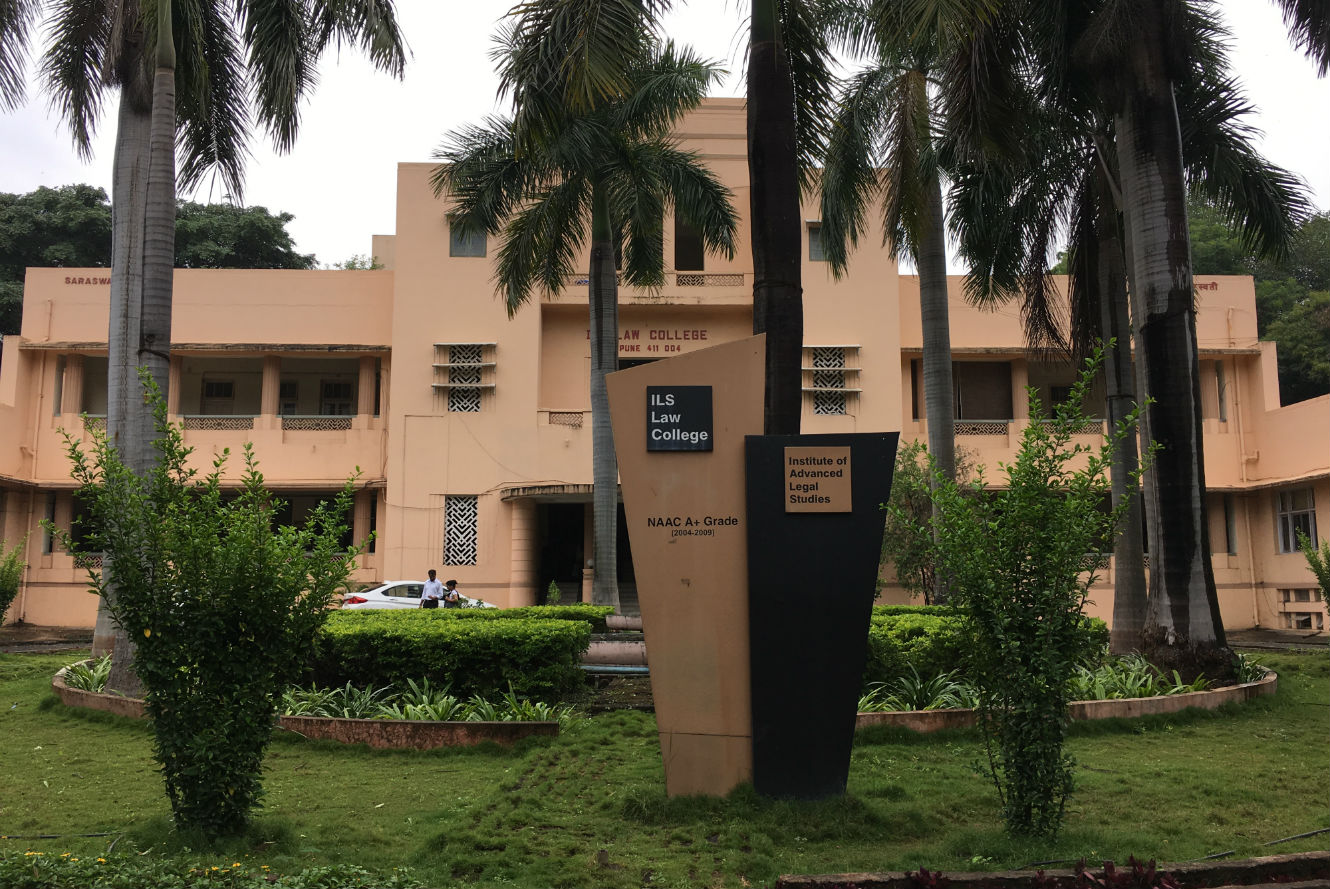
ILS Law College under auspices of Remembering SP Sathe Foundation (set up by the Indian Law Society) and Centre for Public Law announces a three day “International Conference on Contemporary Trends in Comparative Public Law” from 6thto 8th March 2020 at ILS Law College, Pune. The conference attempts to engage legal scholars, law teachers, practitioners and students in a threadbare discussion of niche areas in public law. The theme of the conference challenges the traditional notions of law and the antiquated mono-dimensional structure of public law. Inclusiveness and participation must inform and reform the traditional notions of the exercise of public power. In an era of liberalization, privatization and globalization (LPG) the traditional boundaries of public law have been pushed to a vanishing point. The focus is now weaning away from traditional state structure to supra-national institutions. No longer can the normativity of law be evaluated to the exclusion of evolving international and supra-national rules and standards. The standard reference to state constitutions or law for validation of exercise of public power by the authorities is increasingly under the scanner of supra-national institutions like WTO etc. Increasingly the absolute character of state sovereignty is downplayed by conceiving a trans-national legal order.
Contemporary debates in public law have also demonstrated the benefits of assessing the social impact of state institutions on individuals and marginalized groups. Current trends demonstrate a shift away from positivist constitutionalism to global constitutionalism. The focus is now on culture of authority rather than on the authority of culture. India is also not free from metamorphosis of its public law with idea of composite culture coming into play and with calls being given for uniformity of norms and regulations throughout India in respect of governance.
OBJECTIVES:
- To examine the viability of societal and global constitutionalism to redesign and realign public law
- To conceive epistemic strategies for reconstruction of jurisprudence in a globalized world
- To critically analyze overwhelming influence of purposive interpretation on the text of the constitutions
- To examine the viability of expanding the contours of basic structure doctrine evolved by the supreme court of India beyond amendment review
- To examine the existing doctrines that carves out a space for marginalized minorities like disabled and LGBT communities so as to enhance their quality of life and representation as equal members of the society.
Tentative sessions of the Conference
- Workshop on Intersectionality
- Public Memorial Lecture
- Research Paper Presentation on Contemporary Trends in Comparative Public Law
- Dialogue on New Directions in Comparative Public :Law
- Re-Conceptualizing the conception of law
- Revisiting and Re- aligning the concept of law
- Comparative Administrative Law
- Basic Structure Constitutionalism
- Model of Constitutional Power





0 replies