








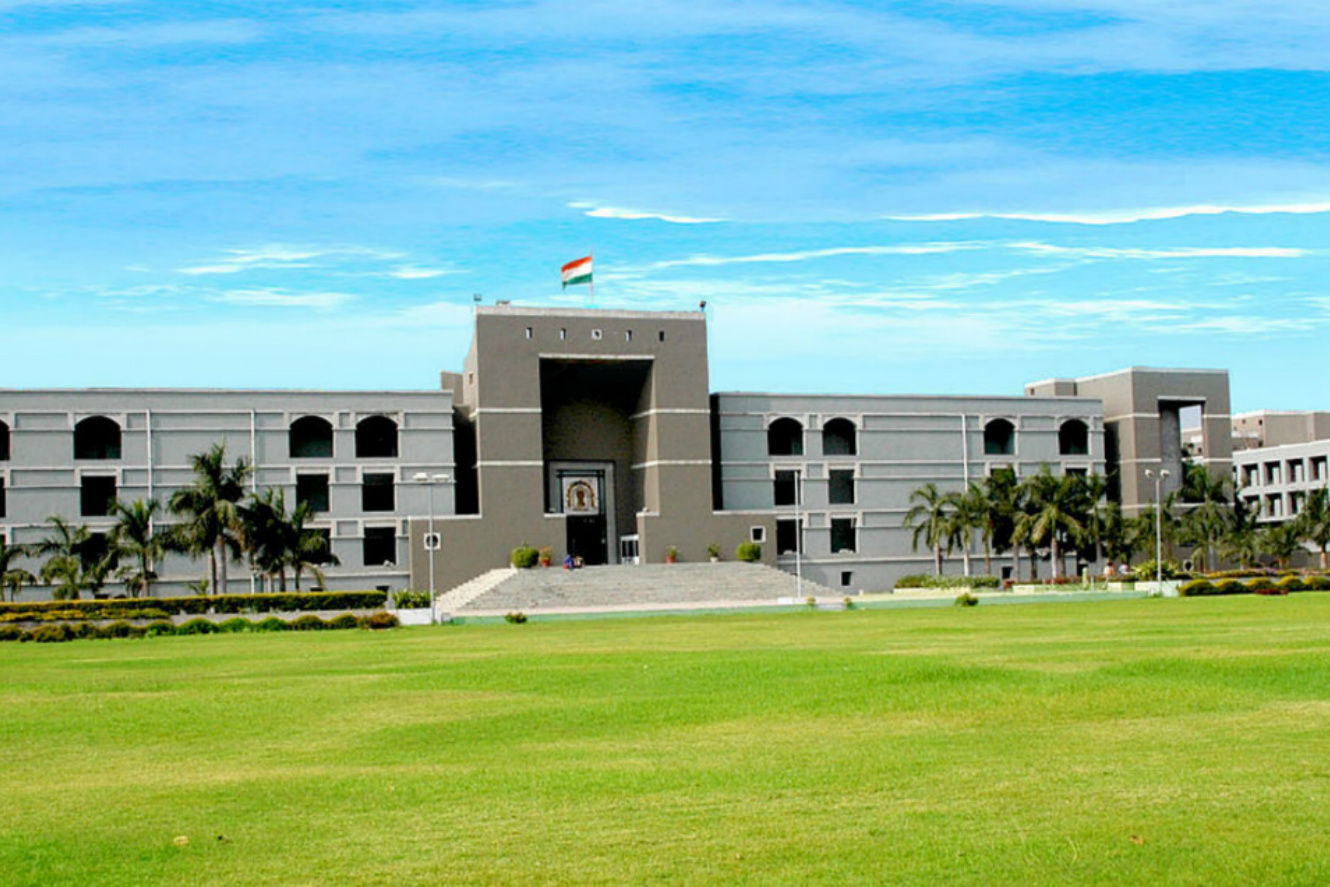
Gujarat High Court: The Bench of Dr A.P. Thaker, J. while enlarging the appellant on bail disposed of a petition since the matter in dispute was already settled by the parties amicably.
In the pertinent matter, the appellant (accused -husband) and the original complainant (wife) got married while they both continued to reside separately at their respective homes and the same was not revealed to their families. Later the parents accepted them and they both were remarried. Subsequently, a complaint was made where it was alleged that the accused persons (in-laws and the husband) started abusing her regarding her caste and tortured her physically and mentally seeking dowry. An FIR was lodged after a 2 months delay to that effect. But later an affidavit was filed acknowledging the fact that the dispute has been amicably settled by the parties and that the complainant has no problem if the appeal is allowed.
The Court after considering the facts, presence of the original complainant and the affidavit so produced, was of the opinion that the husband and wife have amicably settled the dispute and the alleged offence under the provisions of the SC/ST (Prevention of Atrocities) Act, 1989 is not made out. Therefore, considered it to be a fit case to exercise its discretion under Section 439 of the Criminal Procedure Code and thus the bail was granted. [Mauleshbhai Ramanbhai Raval v. State of Gujarat, 2019 SCC OnLine Guj 677, decided on 15-04-2019]









0 replies