








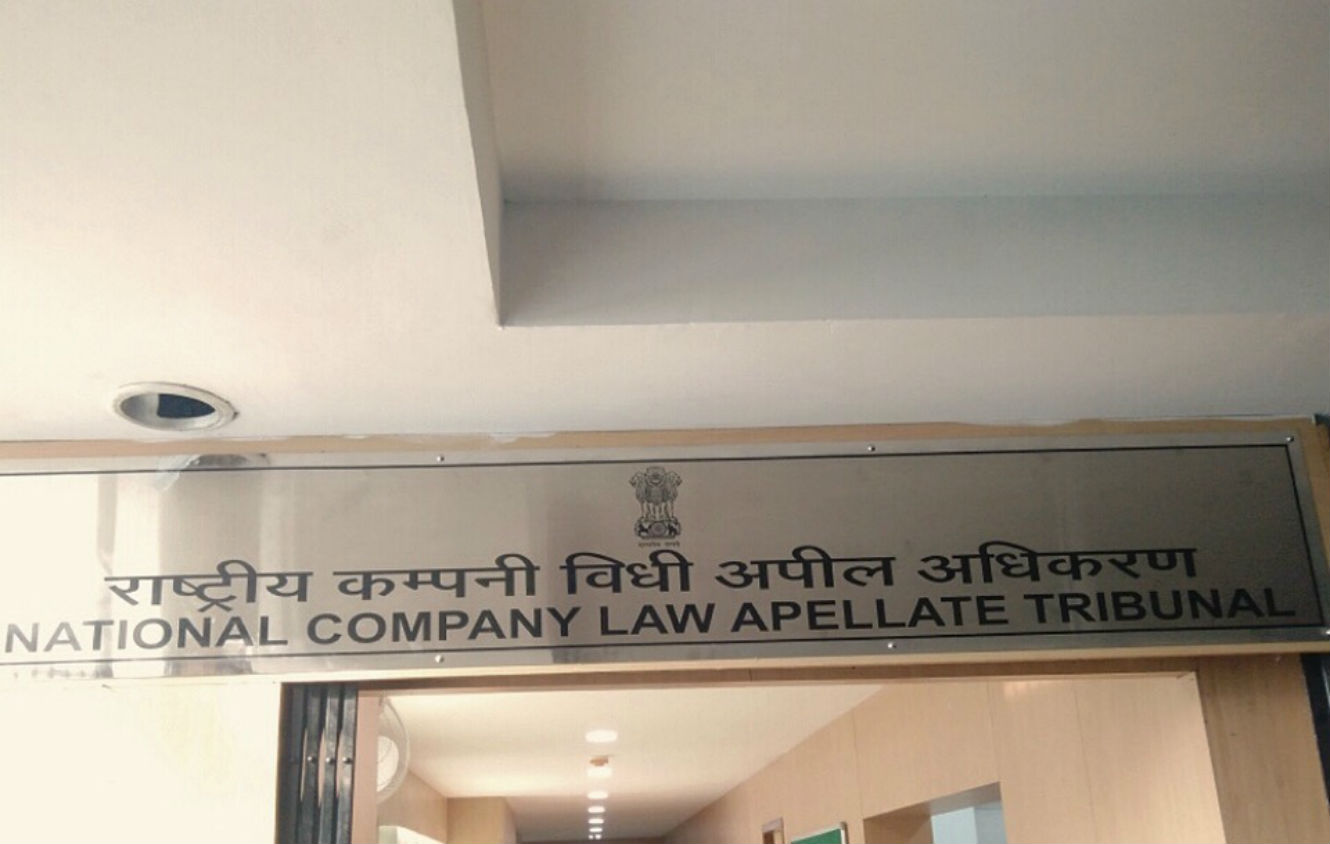
National Company Law Appellate Tribunal (NCLAT): A Two-Member Bench comprising of S.J. Mukhopadhaya(Chairperson) and Bansi Lal Bhatt (Member-Judicial), JJ. set aside an order passed by the National Company Law Tribunal (New Delhi) for being violative of principles of natural justice.
NCLAT had admitted the application filed by the respondent (operational creditor) under Section 9 of the Insolvency and Bankruptcy Code, 2016. The appellant submitted that the said application was admitted without any notice to the corporate debtor. It was contended that the order impugned was passed in contravention of rules of natural justice.
The Appellate Tribunal, after perusing the record, noted that admittedly the order impugned was passed by NCLT without notice to the corporate debtor which was indeed in violation of principles of natural justice. Furthermore, the parties had already settled the matter between themselves. in such view of the matter, the Appellate Tribunal was the view that in effect, the order impugned passed by NCLT and allotter orders passed pursuant thereof were illegal and therefore were set aside. The application preferred by the respondent under Section 9 was dismissed and NCLT was directed to close the proceedings. The appeal was, thus, allowed. [Rajesh Arora v. Sanjay Kumar Jaiswal, 2018 SCC OnLine NCLAT 837, dated 05-11-2018]









0 replies