








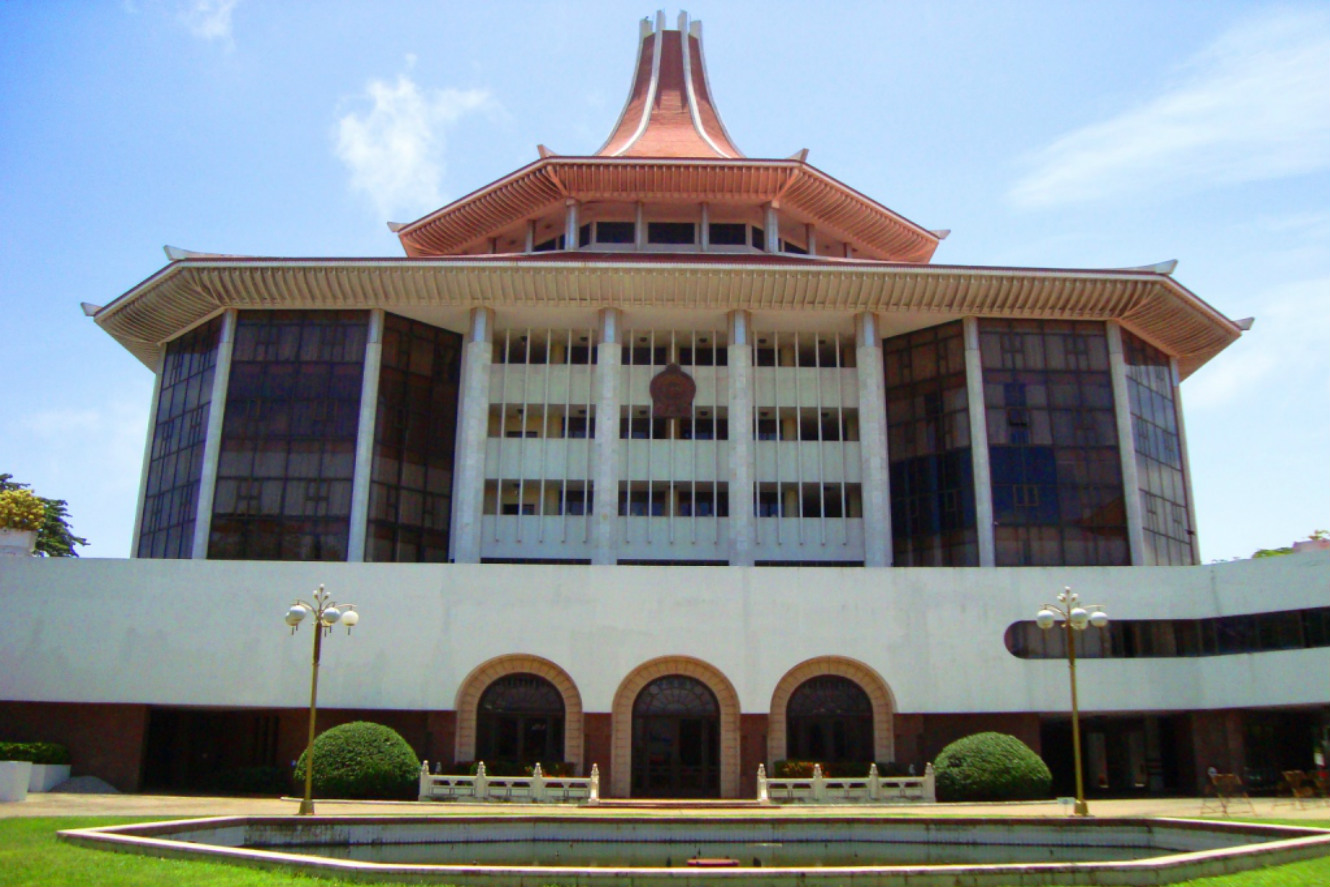
Supreme Court of the Democratic Socialist Republic of Sri Lanka: A Bench comprising of Eva Wanasundera PC, Buwaneka Aluwihare, PC, and Prasanna Jayawardena PC, JJ. cancelled a conviction due to the absence of any incriminating evidence against the appellant.
The appellant was accused of committing gang rape, robbery and murder of the victim for which he filed a special leave to appeal. The appellant contended that the allegation alleged was purely based on circumstantial evidence and the evidence gathered was not credible enough to be relied upon.
The most important evidence was of the man who was employed by the appellant at the grocery store which was frequently visited by the victim. The only evidence was an overheard conversation which was delivered before the Court by this man who was then 14 years old about the murder between the two accused which was not only in a different language from what the witness spoke but also what was heard was only a part of the whole conversation and hence the Court did not have the benefit of ascertaining the context in which the statement was made. Also, the evidence was brought before the Court one year later, thereby losing its credibility. The second evidence was of a businessman, who claimed that pawned jewellery which was brought by the appellant was of the victim but going by the no. of transactions he made during a year it posed a question as to its accuracy.
Considering the facts of the case, the Court was of the view that there was an inherent weakness in the evidence presented with absence of any incriminating evidence against the appellant along with the fact that the manner in which the witnesses were questioned was improper and their probative value stood diminished. Accordingly, it was held that the conviction could not be sustained. [Junaiden Mohamed Haaris v. Attorney General for Colombo, 2018 SCC OnLine SL SC 73, decided on 09-11-2018]









0 replies