








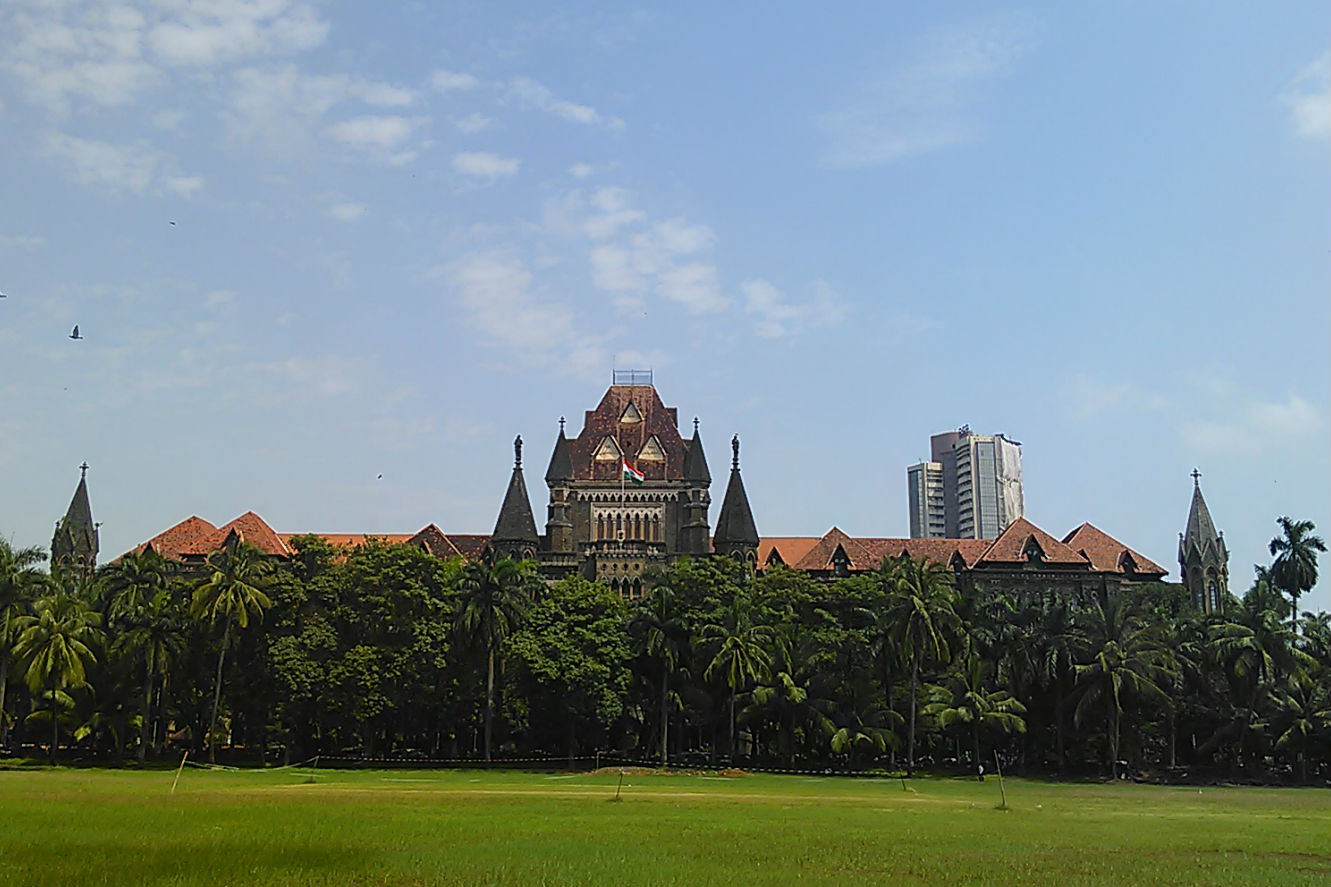
Bombay High Court: A Division Judge Bench comprising of Ranjit More and Bharati H. Dangre, JJ., quashed the criminal proceedings for the offence punishable under Sections 354, 504, 506 and 509 of IPC,1860 on dispute being settled amicably by the parties.
The case was filed against Ness Nusli Wadia by the actress Preity Zinta for the offence under Sections 354, 504, 506 and 509 of IPC, 1860. It was stated that during the pendency of the case, the well-wishers, friends and family of the parties intervened for an amicable settlement after which the respondent 2 filed an affidavit in which it was expressed that she has no objection to quash the criminal proceeding.
Therefore, the Court on noting the affidavit filed for quashing the criminal proceeding with her own free will and respondent stating that the dispute is settled and she wants to move in life by not further proceeding for the case, the High Court quashed the subject criminal proceedings.
Further, the High Court by placing reliance on the decision of Supreme Court in Madan Mohan Abbot v. State of Punjab, (2008) 4 SCC 582 stated that no purpose would be served by keeping the subject FIR alive except ultimately burdening the Criminal Courts. The petition stands allowed. [ Ness Nusli Wadia v. State of Maharashtra,2018 SCC OnLine Bom 3361, dated 10-10-2018]







0 replies