








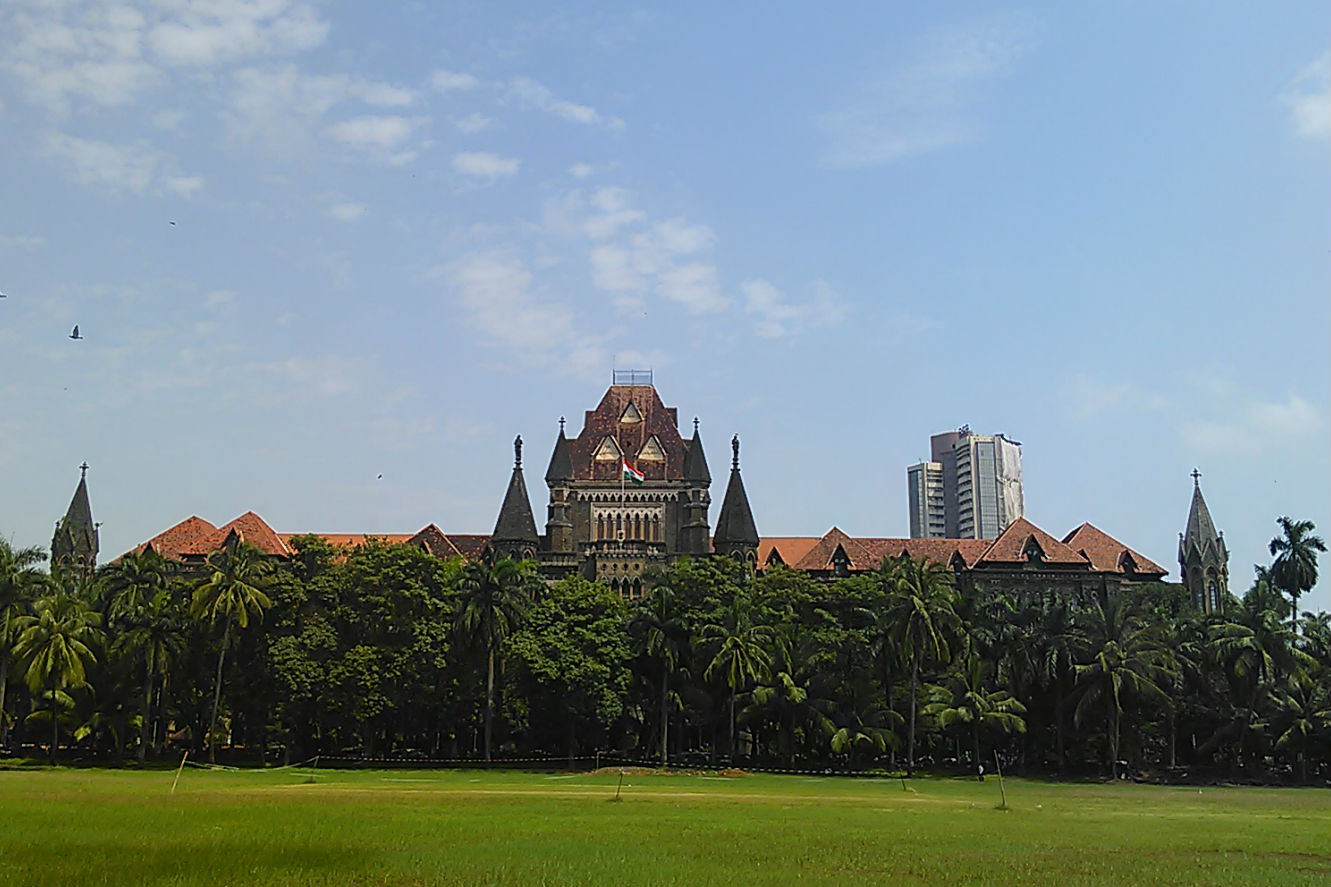
Bombay High Court: A Single Judge Bench comprising of Manish Pitale, J. allowed a criminal appeal setting aside the order of conviction and sentence under Sections 7, 13(1)(d) read with 13(2) of Prevention of Corruption Act 1988, passed by the trial court against the appellant.
The appellant, who worked as a ‘Talathi’ of the village, was alleged to have taken bribe from the complainant for providing copies of mutation and heir certificates. Aggrieved by the demand of Rs. 200 as illegal gratification by the appellant for providing the above-mentioned documents, the complainant approached the Anti Corruption Bureau. A trap was laid for catching the appellant red-handed while taking the bribe. It was alleged that the complainant went to appellant’s house, where he put Rs. 200 in a newspaper given by the appellant and placed it on the table, wherefrom it was taken by the wife of the appellant. Thereafter, on complainant’s signal the personal of ACB arrested the appellant after conducting the codal procedure. While giving benefit of doubt to his wife, the trial court tried and convicted the appellant under the abovesaid sections. Aggrieved by the same, the appellant preferred the instant appeal.
The High Court perused the record and noted, inter alia, that the factum of ‘demand’ of bribe was not proved against the appellant. Referring to decisions of the Apex Court, the High Court observed that making of ‘demand’ of bribe is essential to establish culpability of the person accused of taking bribe. However, in the instant case, the Court noted that it was only the complainant who stated that he went to the house of the complainant, told him he had come prepared, showed him the bribe money and put it in the newspaper. The High Court was of the view that such evidence could not be said to have established the demand of bribe or illegal gratification by the accused-appellant. The High Court held that in absence of proof of demand, which is a sine qua non for conviction under the provisions of the Act mentioned hereinabove, the appellant could not have been pronounced guilty of taking bribe. Accordingly, the High Court allowed the appeal and set aside the impugned order passed by the trial court. [Sukhdeo Lakshman Parale v. State of Maharashtra, 2018 SCC OnLine Bom 1194, dated 12-6-2018]









0 replies