








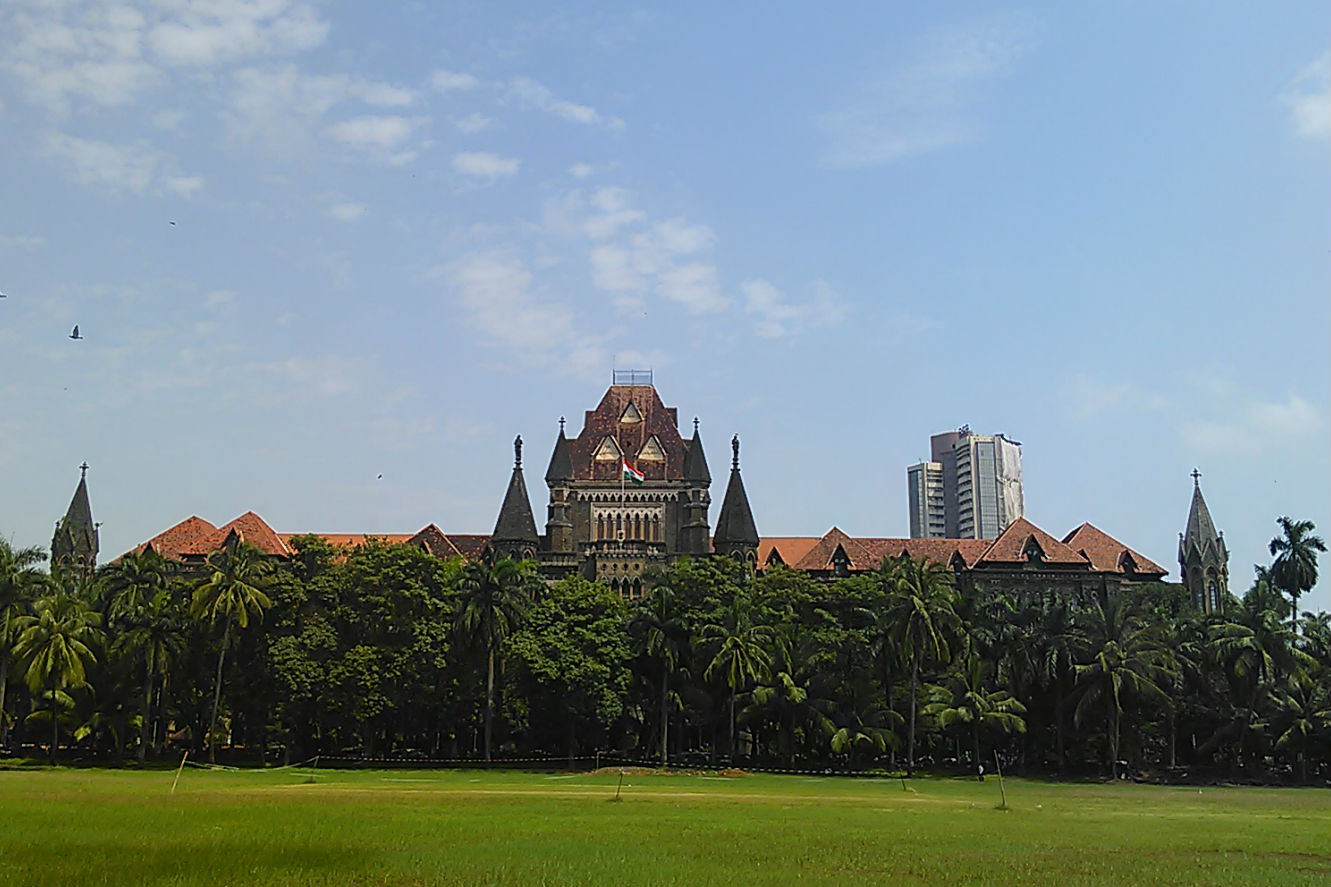
Bombay High Court: A Single Judge Bench comprising of Dr. Shalini Phansalkar-Joshi, J. heard a petition filed against the husband (respondent) of deceased Sundarabai who died intestate.
The petitioners contended that the suit property was received by the deceased from her parents and that the husband’s children were not her children as they were born to the respondent’s second wife. Therefore, there was no cause of action to the suit for declaration, partition and injunction filed by the respondent (as original plaintiff) since neither the respondent husband nor his children had any shares to the said properties.
The trial court partially allowed the application by rejecting the claims of the children and accepting the husband’s claim. Relying on Section 15 of the Hindu Succession Act which states that in cases where a female dies intestate then the property she had inherited from her father or mother does not devolve upon the husband or his issues but upon the heirs of the deceased’s father, the High Court held that the trial court should have rejected the plaint in respect of the husband and not just his children. Further, it was held that the respondent had no cause of action to file the suit for partition of the deceased’s property. [Tarabai Dagdu Nitanware v. Narayan Keru Nitanware, 2018 SCC OnLine Bom 91, decided on 15-01-2018]









SUPREME COURT CASES ON LINE is one of light house of legal oceans . Advocate can manage cases and also to help speedy disposal.
I have a doubt…Why it’s written as ‘Bombay High Court’ instead of ‘Mumbai’..? Or still it’s ‘Bombay high court’ only as the court name unchanged..?
Hi Christo, name has not been changed still it is Bombay high court and also for Chennai and Kolkata high courts called Madras and Calcutta High Court