








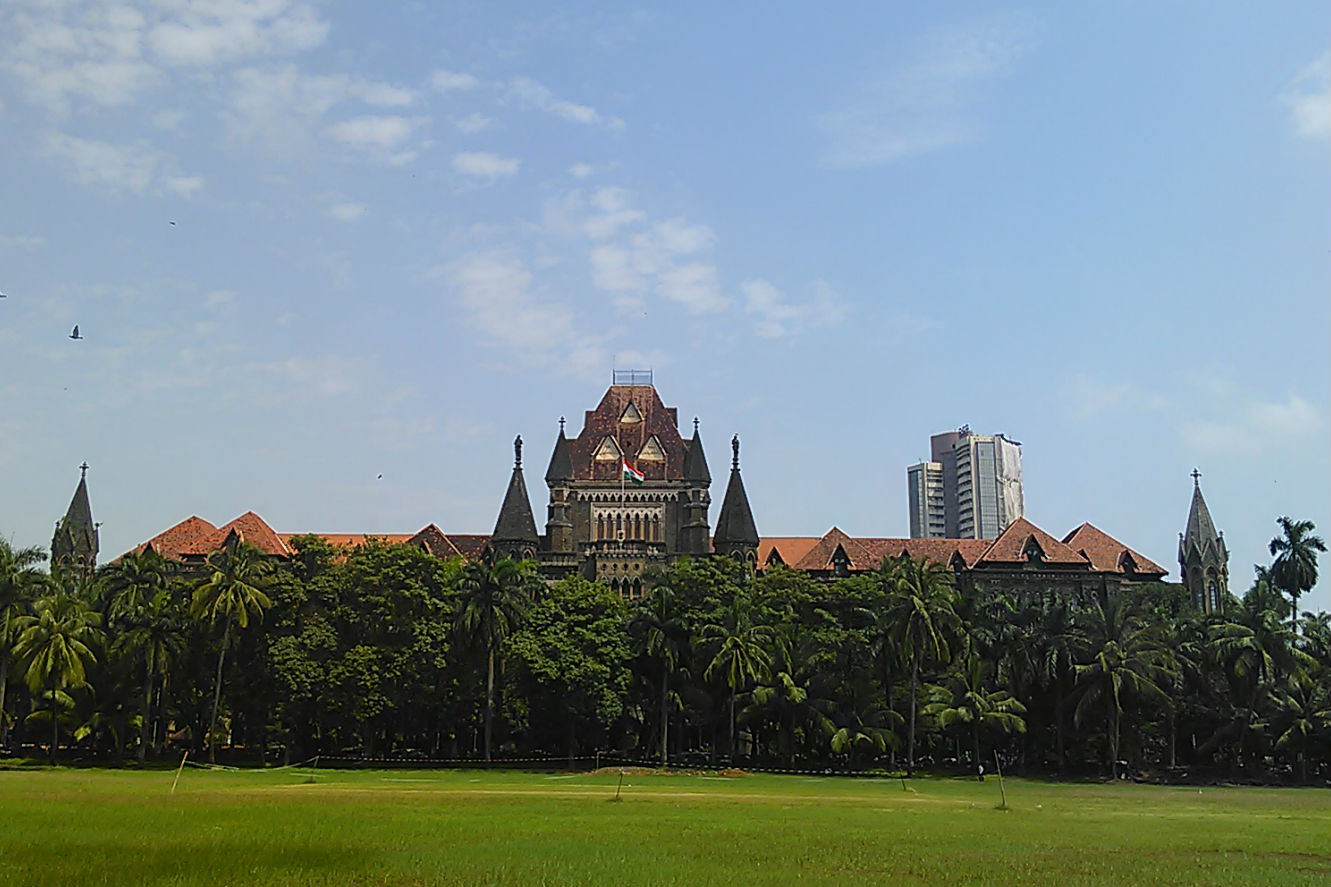
Bombay High Court: Sandeep K. Shinde, J., addressed a petition with regard to waiving the cooling period.
Whether the minimum period of 6 months stipulated under Section 13-B(2) of the Hindu Marriage Act, 1955 for a motion of passing for a decree of divorce on the basis of mutual consent is mandatory or can be relaxed in any exceptional situations?
In the instant petition, it was submitted that the wife had instituted the proceedings under Section 125 of the Code of Criminal Procedure, 1973 and under the Domestic Violence Act, 2005.
Later, wife withdrew the proceedings and the husband filed a petition under Section 9 of the Hindu Marriage Act. The said prosecution was also settled.
Husband and Wife instituted a petition for dissolution of marriage by mutual consent and moved an application for waiving cooling period for 6 months. But the said application was rejected by the Civil Judge on the ground that efforts were not made for mediation to reunite the parties.
Trial Court relied on the Supreme Court decision in Amardeep Singh v. Harveen Kaur, (2017) 8 SCC 746, wherein the Court dealing with the matter, if a case was made out to waive statutory period under Section 13-B(2), it can do so after considering the following:
“(i)statutory period of six months specified S.13-B(2), in addition to statutory period of one year under S. 13-B(1) of separation of parties is already over before first motion itself;
(ii) all efforts for mediation/conciliation including efforts in terms of Order XXXIIA, Rule 3, CPC/S. 23(2) of the Act/ S.9 of Family Courts Act to reunite parties have failed and there is no likelihood of success in that direction by any further efforts;
(iii) parties have genuinely settled their differences including alimony, custody of child or any other pending issues between the parties;
(iv) waiting period will only prolong their agony.”
In view of the non-fulfilment of (ii) condition, trial court declined to waive the cooling period.
As per the parties, they were referred to mediation and after the same, parties decided to get separated.
High Court in view of the facts and circumstances of the case, held that the statutory period, contemplated under Section 13-B(2) of the Hindu Marriage Act was waived.
Hence, the petition was allowed and disposed of. [Pritam Vijaykumar Dargad v. Sujata Pritam Dargad, 2021 SCC OnLine Bom 983, decided on 3-07-2021]
Advocates before the Court:
Mr. Rathi Swapnil S., Advocate for Petitioner.
Mr. S.S. Gangakhedkar, Advocate for Respondent / Sole.





The decision is by Sandeep K Shinde J, not Sambhaji S Shinde J. Your photo is wrong. At least SCC should get this kind of stuff right.
Thank You Sir for pointing this out. The error is regretted and correction has been done.