








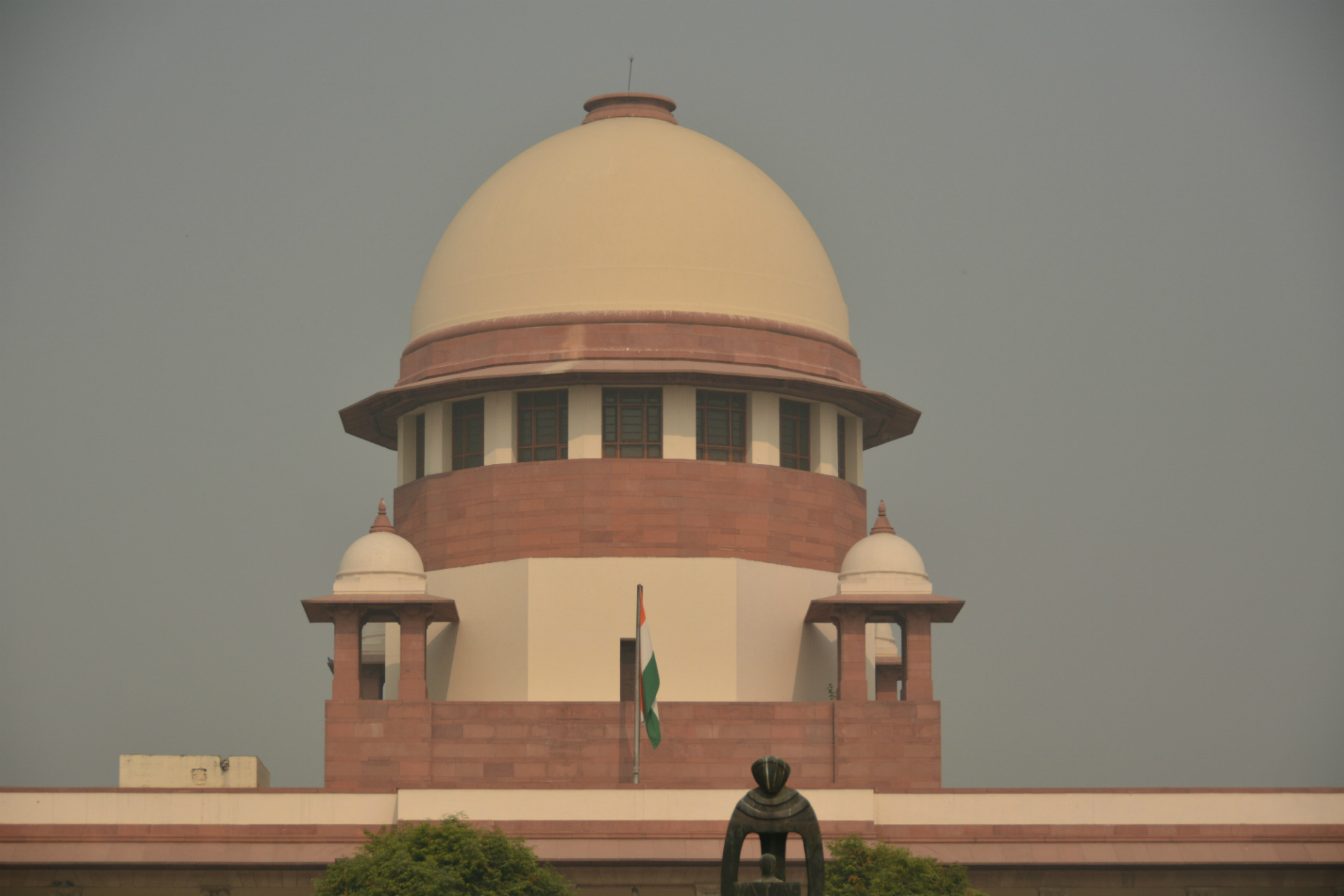
Supreme Court: Taking note of the problem of delay in disposal of trials, the bench of A.K. Goel and U.U. Lalit, JJ said that ways and means have to be found out by constant thinking and monitoring. It is the constitutional responsibility of the State to provide necessary infrastructure and of the High Courts to monitor the functioning of subordinate courts to ensure timely disposal of cases. Presiding Officer of a court cannot rest in the state of helplessness.
The Court said that an appropriate action plan should be prepared at the level of the High Court and thereafter at the level of each and every individual judicial officer. Hence, the below mentioned directions should be issued by the High Courts to the subordinate courts in order to resolve the menace of pending trails causing hardships to the undertrial prisoners:
- Bail applications be disposed of normally within one week;
- Magisterial trials, where accused are in custody, be normally concluded within six months and sessions trials where accused are in custody be normally concluded within two years;
- Efforts be made to dispose of all cases which are five years old by the end of the year;
- As a supplement to Section 436A CrPC, but consistent with the spirit thereof, if an undertrial has completed period of custody in excess of the sentence likely to be awarded if conviction is recorded such undertrial must be released on personal bond. Such an assessment must be made by the concerned trial courts from time to time;
- The above timelines may be the touchstone for assessment of judicial performance in annual confidential reports.
The Court also requested the High Courts to ensure that bail applications filed before them are decided as far as possible within one month and criminal appeals where accused are in custody for more than five years are concluded at the earliest. Apart from that the High Courts may prepare, issue and monitor appropriate action plans for the subordinate courts and monitor steps for speedy investigation and trials on administrative and judicial side from time to time.
The High Courts may take stringent measures in the light of judgment of this Court in Ex. Captain Harish Uppal v. Union of India, (2003) 2 SCC 45, if found necessary in case of obstruction of Court proceedings by uncalled for strikes/abstaining of work by lawyers or frequent suspension of court work.
The Bench noticed that there are obstructions at every level in enforcement of right of speedy trial – vested interests or unscrupulous elements try to delay the proceedings, lack of infrastructure, etc. Inspite of all odds, determined efforts are required at every level for success of the mission. [Hussain v. Union of India, 2017 SCC OnLine SC 235, decided on 09.03.2017]






0 replies