








“….senior members of the Bar have a duty to contribute to the learning and grooming of entrants during the mandatory apprenticeship period by imparting their knowledge and expertise of different areas of practice.”
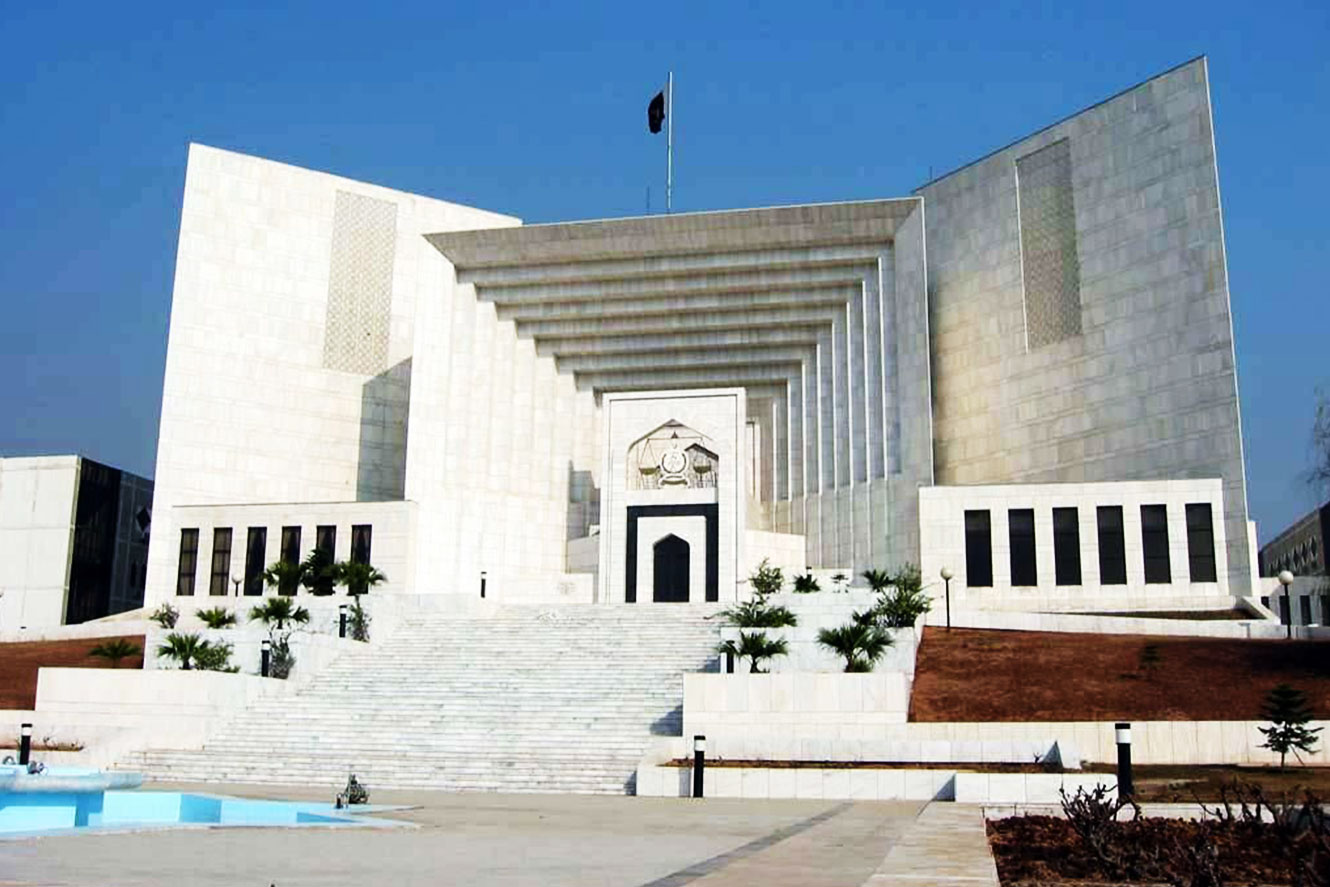
Supreme Court of Pakistan: The three-judge Bench of Mian Saqib Nisar, Umar Ata Bandial and Ijaz Ul Ahsan, JJ. was hearing a petition filed by the Pakistan Bar Council (PBC) under Article 184(3) of the Constitution of Islamic Republic of Pakistan seeking enforcement of judgment rendered in Pakistan Bar Council v. Federal Government, 2006 SCC OnLine Pak SC 8 (PBC judgment).
The PBC judgment directed all law schools/colleges to comply with the “Affiliation of Law Colleges Rules” (Affiliation Rules”) framed by PBC to ensure uniform quality of legal education. The instant petition alleges that none of the respondent law colleges and universities have complied with the directions given in the PBC judgment and have instead granted affiliation to private law colleges in violation of the Affiliation Rules.
The Court noted that principal causes of a decline in the standard of legal education are due to the proliferation of sub-standard law degree awarding institutions that are motivated solely by commercial considerations rather than academic excellence. This shift in priorities has inevitably compromised the quality of education and hampered the intellectual development of law students.
In the foregoing perspective, it was concluded that a five-year LL.B. programme be introduced in law colleges that are not already offering it. This would provide the time and exposure to ensure a complete and comprehensive legal education where students can adequately learn and acquire the knowledge, skills, values and practical judgment required for the legal profession. Admission to 3-year LL.B. programme was banned after 31-12-2018. The Court also directed introduction of a test for entry to law colleges, i.e., Law Admission Test (LAT) and directed to restore bar entrance examination, i.e., Law Graduate Assessment Test (LAW-GAT).[Pakistan Bar Council v. Federal Government, Constitution Petition No. 134 of 2012, Order dated 31-08-2018]









0 replies