








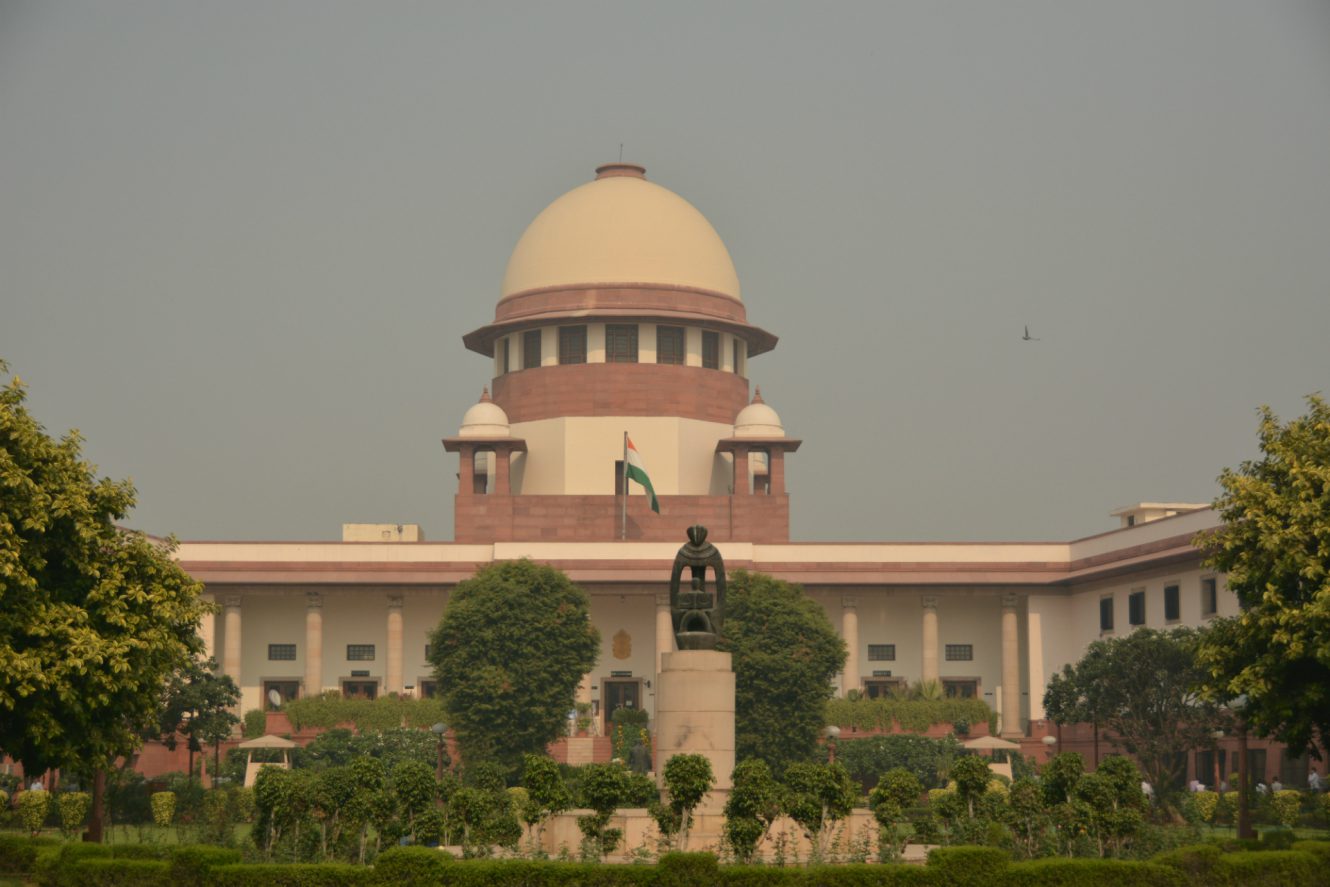
Supreme Court: The Court, today, is likely to pronounce its judgment on a plea that seeks to ban lawmakers from practising as advocates. A Bench of CJ Dipak Misra and A.M. Khanwilkar and Dr D.Y. Chandrachud, JJ. will deliver the verdict.
On July 9, the CJI-led three-Judge bench reserved its order on a plea seeking a ban on legislators practising as advocates. The Public Interest Litigation was filed by Ashwini Kumar Upadhyay, an office-bearer of the Bhartiya Janta Party. He argued that the Bar Council of India debars salaried employees from practising as advocates, and as lawmakers draw a salary from the public exchequer, the bar is applicable to them. The petitioner contended that while a public servant cannot practice as an advocate, legislators are practising in various courts which was a violation of Article 14 of the Constitution, among others.
The petitioner, in his plea, claimed that the parliamentarians and legislators, practising as lawyers, posed a conflict of interest and violated the provisions of the Advocates Act and the Bar Council of India Rules. Furthermore, such legislators take a fee from litigants and salary from the public exchequer, which is professional misconduct.
Attorney General K.K. Venugopal, however, sought dismissal of the PIL. During the hearing, the Court was of the view that the Government was not a master, and thus the principle element, i.e. master-servant relationship, which employment postulates is missing in the case of a legislator.







0 replies