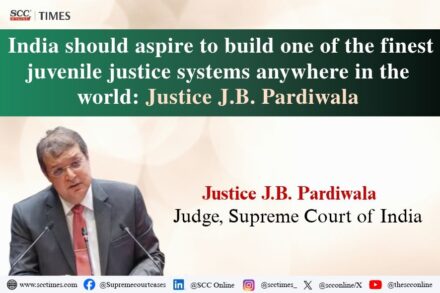
Justice Pardiwala: India Must Build One of the World’s Finest Juvenile Justice Systems | 10 Years of the JJ Act, 2015
India should aspire not only to build a better child protection system than the one it inherited, but to build one of

Bringing you the Best Analytical Legal News


India should aspire not only to build a better child protection system than the one it inherited, but to build one of
Supreme Court calls for a stronger accountability for social media intermediaries and proportionate safeguards to protect children’s online safety while recognising the fundamental right to internet access.
The two-day National Annual Stakeholders Consultation on Ten Years of the Juvenile Justice (Care and Protection of Children) Act, 2015, concluded at the Supreme Court of India, with calls for measurable accountability, prevention, de-institutionalisation, and stronger child protection systems.
The Supreme Court of India will host a two-day national consultation on ten years of the Juvenile Justice Act, 2015, on 10 – 11 October 2026 to review implementation challenges and identify priorities for strengthening child protection and juvenile justice.
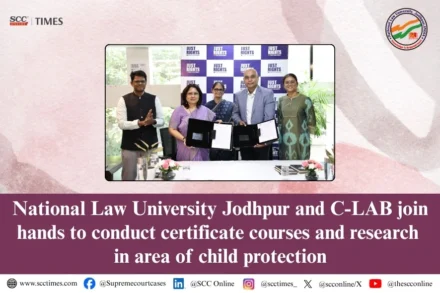
Recognising the increasing interdependence of law, technology, and society in the 21st century, and the need for a stronger knowledge base, robust interdisciplinary education and research, and enhanced capacity in the fields of child safety and human rights, NLUJ and C-LAB have agreed to establish a collaborative institutional framework to promote research, knowledge development, and capacity building in these areas.
The instant petition sought regulatory measures for children’s social-media access, including age restrictions, content filtering, privacy safeguards and verification mechanisms.
“The statutory mandate under Section 21, POCSO Act admits of no dilution, no hesitation, and no delay. The duty to report an offence against a child is not a matter of institutional discretion but an imperative cast by the statute, the breach of which itself constitutes a distinct offence.”
“In the garb of running orchestra/dance groups, minor children are subjected to trafficking and exploitation, which is impermissible and if allowed to be continued unchecked, would only lead to frustration of the very policy for protecting the children.”

“In our opinion, since the timelines have been stipulated under the POCSO Act for all stages right from the stage of Investigation up to the stage of Trial, the same must be adhered to as far as possible. Because of the inadequacy of the number of exclusive Courts for the POCSO Cases, the said timelines mandated in the Act for completion of the trials are not being maintained.”
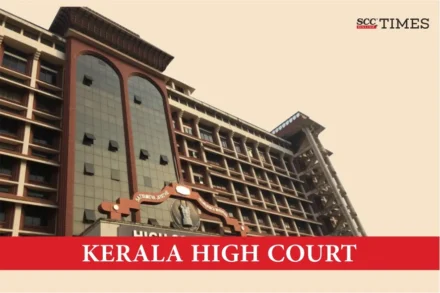
“In tribal communities, practice of child marriages remains deeply ingrained, driven by tradition, poverty, and a lack of legal oversight. Ending child marriage requires legal and social intervention”
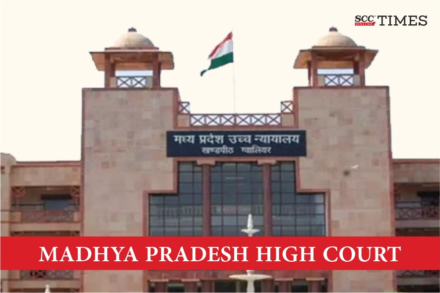
“In most of the cases, we found that the age of the victim/child/girl is between 16 to 18 years and the age of the offender is 19 to 22 years. In our opinion, this is a serious issue and threat to the future of the youth of the country.”
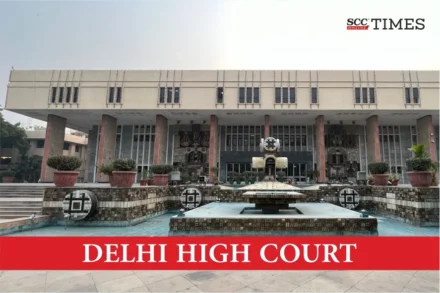
A mother is sought to be prosecuted for delay in reporting of sexual offences on a child by her own husband, despite the fact that the mother herself was allegedly subject to severe abuse, sexual and otherwise, in her matrimonial home.
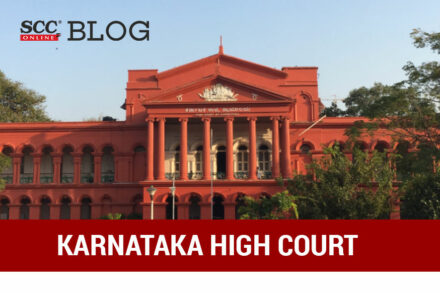
The Karnataka High Court held that order granting visitation rights to the father is outside the jurisdictional scope of Karnataka State Commission for Protection of Child Rights.

The National Human Rights Commission recently called State Human Rights Commission Tamil Nadu and other authorities to act upon the dilapidated condition of District Child Protection Office, Royapuram.