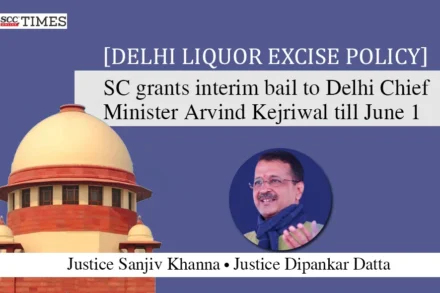
[Delhi Liquor Excise Policy] SC grants interim bail to Delhi Chief Minister Arvind Kejriwal till June 1
Delhi’s Chief Minister, Arvind Kejriwal, was arrested on 21-03-2024 in connection with the Delhi Liquor Excise Policy.

Bringing you the Best Analytical Legal News


Delhi’s Chief Minister, Arvind Kejriwal, was arrested on 21-03-2024 in connection with the Delhi Liquor Excise Policy.
A quick recap of Bail cases passed by the Supreme Court and High Courts in the month of April 2024 along with some top stories on Arvind Kejriwal seeking Interim Bail; Puthiyakavu Temple blast; and more.
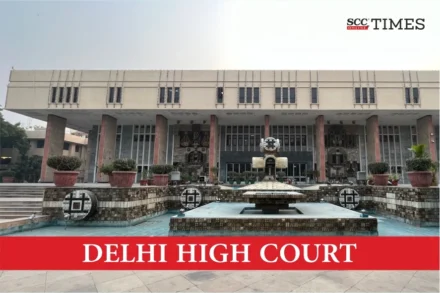
“Petitioner’s claim to be custodian and representative of the people of India, is nothing but a fanciful claim which is devoid of any basis.”
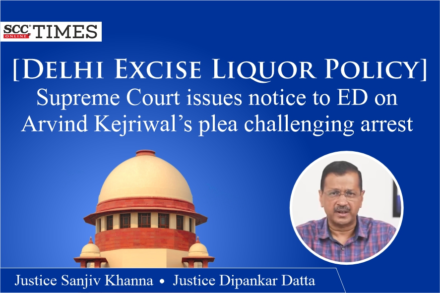
Earlier, the Delhi High Court had dismissed Arvind Kejriwal’s plea against his arrest and opined that the same was not in contravention with law.
Delhi High Court clarified that it is a legal matter between the petitioner and the Directorate of Enforcement, not a conflict between political parties. It stressed the need for the court to maintain its focus on the legal merits of the case, without being influenced by political dynamics.
It was alleged that a cartel was formed by violating provisions and the spirit of liquor policy, and all the conspirators had played an active role, causing huge losses to the Government exchequer and undue pecuniary benefits to the public servants.
A quick legal roundup to cover important stories from all High Courts in March 2024
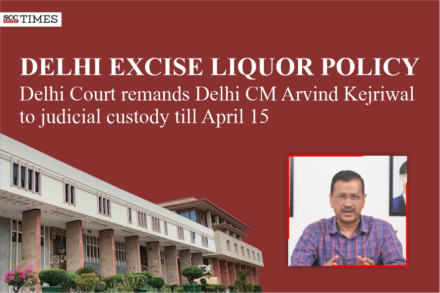
On 21-03-2024, Delhi Chief Minister Arvind Kejriwal was arrested by the ED for his alleged involvement in the Delhi Liquor Excise Policy scam. After the ED’s remand extension expired on 01-04-2024, Rouse Avenue Court extended judicial custody for Kejriwal till 15-04-2024
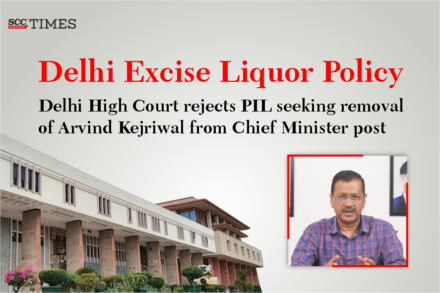
The PIL filed in the Delhi High Court raises concerns about potential obstruction of due process of law and disruption of justice amidst legal proceedings against Arvind Kejriwal. The petitioner argues that allowing Kejriwal to remain in office could undermine fair administration of justice and potentially lead to a breakdown of the constitutional machinery in Delhi.
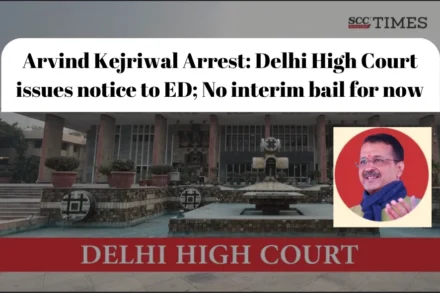
Delhi’s Chief Minister, Arvind Kejriwal, was arrested on 21-03-2024 in connection with the Delhi Liquor Excise Policy, implemented in November 2021 to tackle the liquor mafia and boost revenue.
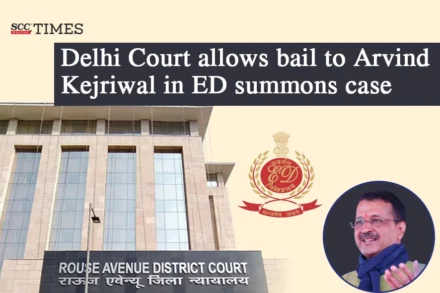
The Court followed by hearing the application under Section 207 of CrPC moved on behalf of Kejriwal.
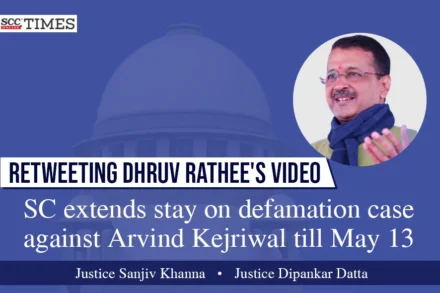
Delhi Chief Minister Arvind Kejriwal retweeted a video, posted by YouTuber Dhruv Rathee where allegations were made against Bharatiya Janata Party’s IT cell.
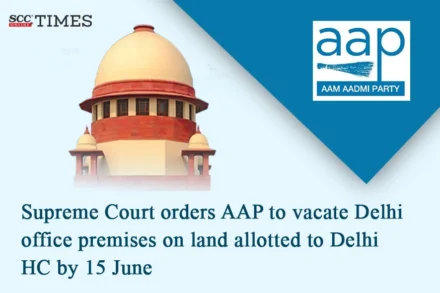
Supreme Court was hearing a matter pertaining to judicial infrastructure and AAP’s alleged encroachment of land allotted to Delhi High Court.
Gujarat University had filed a defamation case against Arvind Kejriwal and Sanjay Singh over the alleged defamatory remarks made regarding the educational degree of PM Narendra Modi.
Though every ‘retweet’ of defamatory imputation would ordinarily amount to ‘publication’ under Section 499 IPC, it is ultimately for the aggrieved person to decide as to which retweet caused more harm to his reputation.
The funds are needed for the construction of a Regional Rapid Transit System that will connect the national capital with Rajasthan and Haryana.
If during course of investigation some credible evidence have been collected, charge sheet has been filed, cognizance has been taken, discharge application has been rejected by the Trial Court by speaking and reasoned order and that order has been upheld by the Revisional Court, by a speaking and reasoned order, then Arvind Kejriwal must participate in the trial proceedings.
Criminal proceedings against Arvind Kejriwal in Sultanpur Court have been stayed by Allahabad High Court, considering that special leave to appeal is still pending in Supreme Court and if it is allowed, then the entire proceedings would be a futile exercise.
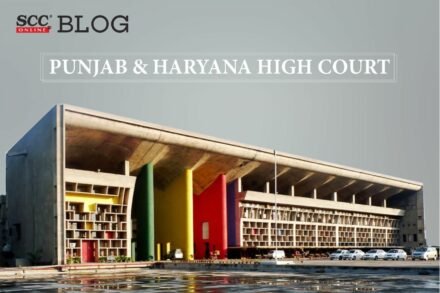
Punjab and Haryana High Court: While deciding the instant petition against the FIR wherein allegations of violation of several penal
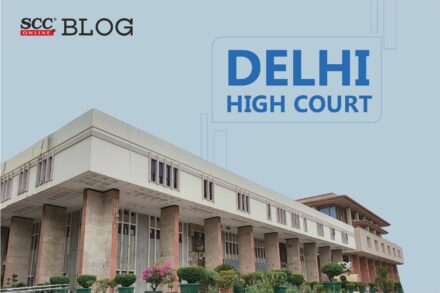
Delhi High Court: In a suit filed by Lieutenant Governor (LG) of Delhi (‘plaintiff’) seeking relief of permanent injunction and