When the Supreme Court Speaks in Two Voices: Neeraj and the Doctrine of Precedent
by Kumar Kartikeya* and Aadesh Kumar Singh**

Bringing you the Best Analytical Legal News


by Kumar Kartikeya* and Aadesh Kumar Singh**
The Court emphasised that constitutional guarantees cannot depend upon the nature or gravity of the alleged offence. The Constitution cannot be interpreted in a vacuum or based on “ifs and buts”.
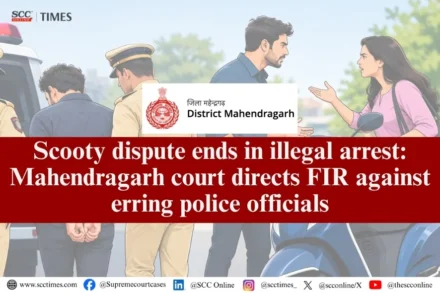
The Court noted that no cognizable offence had occurred, no apprehension of disturbance of public peace existed, and no order under Section 126 BNSS had been obtained.
The Court observed that although bail is the rule and jail the exception, and every accused is entitled to the presumption of innocence, the present case stood on a different footing as the earlier orders rejecting the respondent’s bail on merits had attained finality and the trial had already commenced.

After the High Court upheld the grant of bail to Sonam Raghuvanshi on 29 June 2026, the State of Meghalaya approached the Supreme Court on 1 July 2026 challenging the order. The matter was first heard on 3 July 2026 and has been listed for further hearing on 9 July 2026.
The petitioner sought two additional legal meetings with his Lawyers in a week through video conferencing on the ground that he is embroiled in more than 30 cases in various States of India and even though he has been granted interim bail in a case, but his relief has not become infructuous as he still continues to be in custody in other matters.
“The very purpose of the constitutional and statutory protection would be rendered nugatory if the authorities concerned are permitted to merely read out or permit reading of the grounds of arrest, irrespective of their length and detail, and claim due compliance with the constitutional requirement under Article 22(1) and the statutory mandate under Section 19(1) of the PMLA”.