








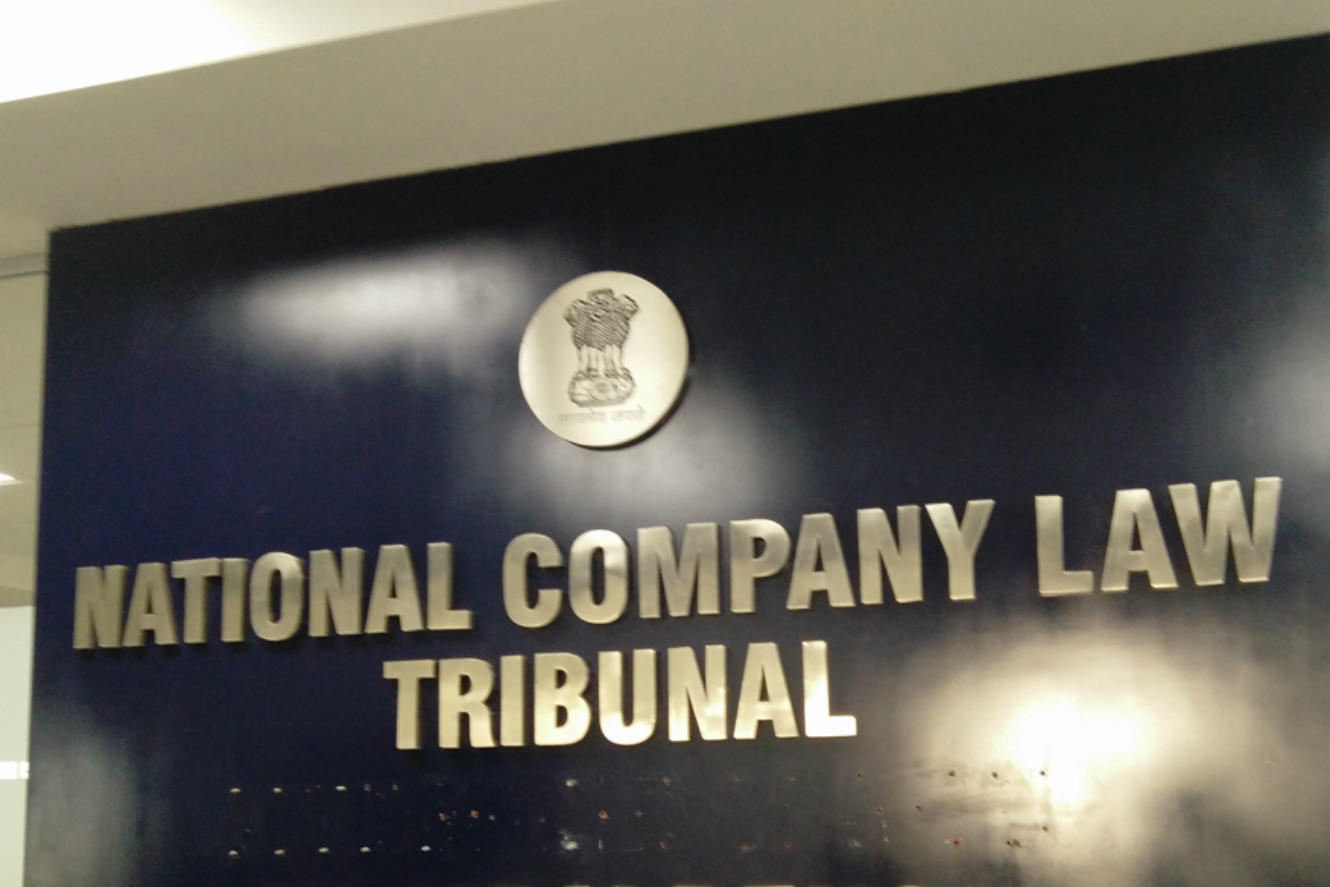
National Company Law Tribunal, Mumbai Bench: This Bench comprising Mr V.P. Singh and Mr Ravikumar Duraisamy as members dismissed a petition filed under Section 9 of the Insolvency and Bankruptcy Code, 2016 for initiation of corporate insolvency resolution process (CIRP), holding that the same had been filed on wrong facts by giving false information.
Petitioner approached the respondent to render certain services at its manufacturing plant in Tamil Nadu, for which it made an advance payment of Rs 44, 00,000. However, despite repeated reminders, respondent failed in the scheduled delivery. Petitioner, vide a legal notice, called upon the respondent to return advance payment and also compensate it for the financial loss suffered. Thus, the present petition was filed for initiation of against the respondent.
Petitioner submitted particulars of claim, records of respondent’s bank account, bank certificate and demand notice. Respondent filed counter affidavit highlighting irregularities in the instant petition. It was also submitted that delay was on account of the modification instructions given by the employees of petitioner and that the petitioner was not really interested in getting his work done but only interested in making a claim against respondent.
The Tribunal opined that Operational Debt as defined under Section 5(21) of the Act means “a claim in respect of the provision of goods or services including employment or debt in respect of the repayment of dues arising under any law.” Refund of advance money was not in connection with the goods/services including employment or a debt in respect of repayment of dues.
Further, the petitioner ought to have crystallized the damages then only, it could have claimed the amount of compensation. The alleged compensation amount had not even been quantified by the petitioner. Since petitioner’s claim had not been adjudicated by any competent authority in law, hence, it could not be described as operational debt.
In view of the above, it was held that petition had been filed with an ulterior motive to get insolvency petition admitted. Thus, the petition was dismissed imposing a cost of Rs 10 lakhs on the petitioner.[TATA Chemicals Ltd. v. Raj Process Equipments and Systems (P) Ltd., CP 21/I&BP/NCLT/MAH/2018, Order dated 30-11-2018]









0 replies