








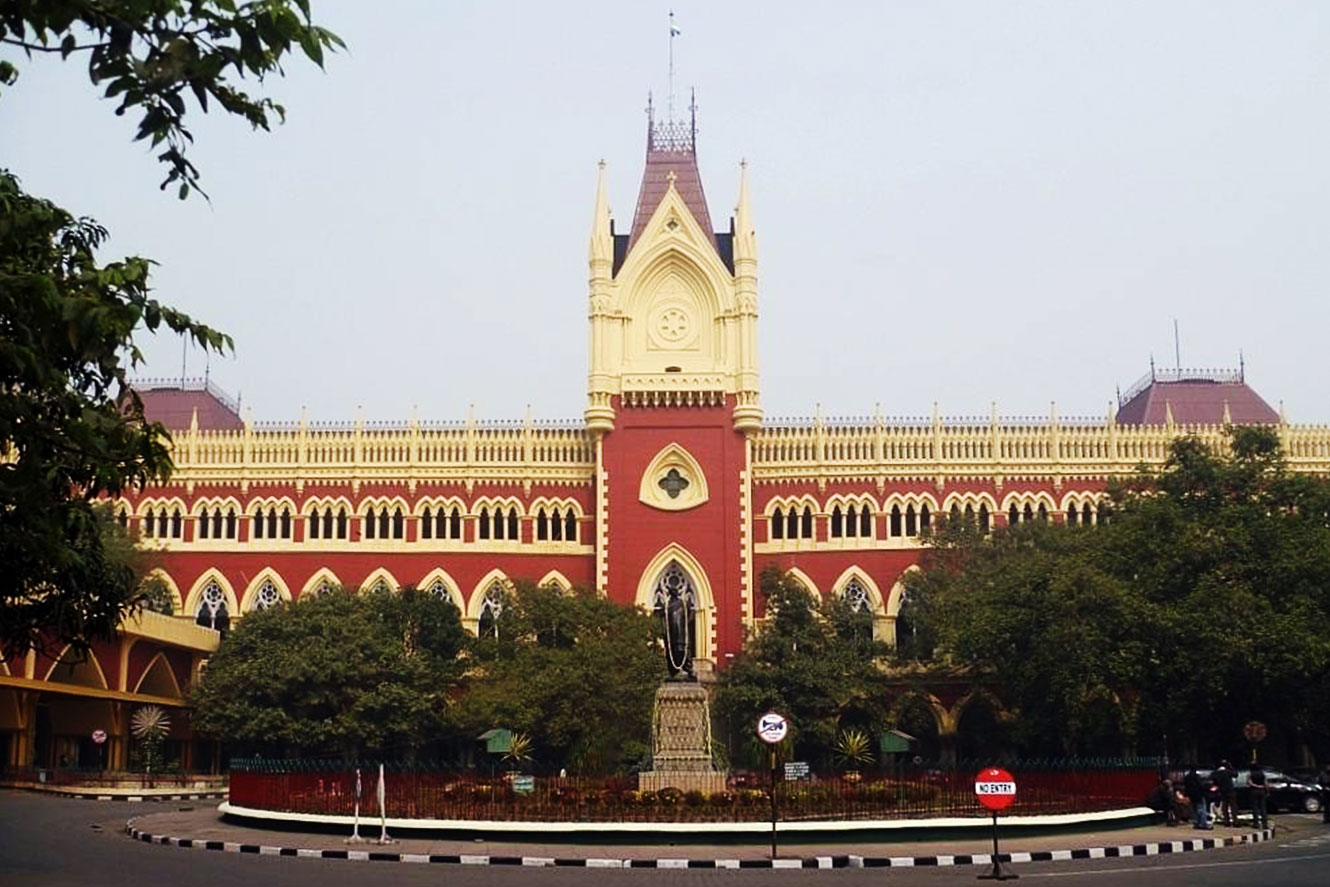
Calcutta High Court: A writ petition filed alleging that the petitioner was not granted permission to hold live band performance under Rule 239 of the W.B. Excise (Foreign Liquor Rules) 1998, was dismissed holding that such permission was in the form of a privilege and could be taken away by the concerned Authorities.
The petitioner’s concern was that he has not been granted the renewal of permission under the abovesaid Rule for holding live band performance in his bar-cum-restaurant. Learned Senior Law Officer for the Finance Department, Government of W.B. submitted that the petitioner had been show-caused with a notice due to an untoward incident that took place in his bar-cum-restaurant. He was summoned to appear and explain the incident.
In order to settle the controversy, the High Court gave due consideration to the submissions made on behalf of the parties and found favour with the respondent that the permission under Rule 239 is a privilege and could be taken away in event of an untoward incident taking place in the premises of the applicant. The High Court observed that its jurisdiction under Article 226 of the Constitution is extraordinary and discretionary; and in present facts and circumstances, as a show-cause notice was issued to the petitioner, the Court held that there was no need to interfere with the matter at the instant stage. The petition was thus, dismissed. [Tapan Kumar Dari v. State of W.B., 2018 SCC OnLine Cal 485, order dated 02-04-2018]
High Courts Case Briefs
Permission granted under Rule 239 of W.B. Excise Rules is a privilege that can be taken away
By Saba
Content reader
Listen to this article









0 replies