








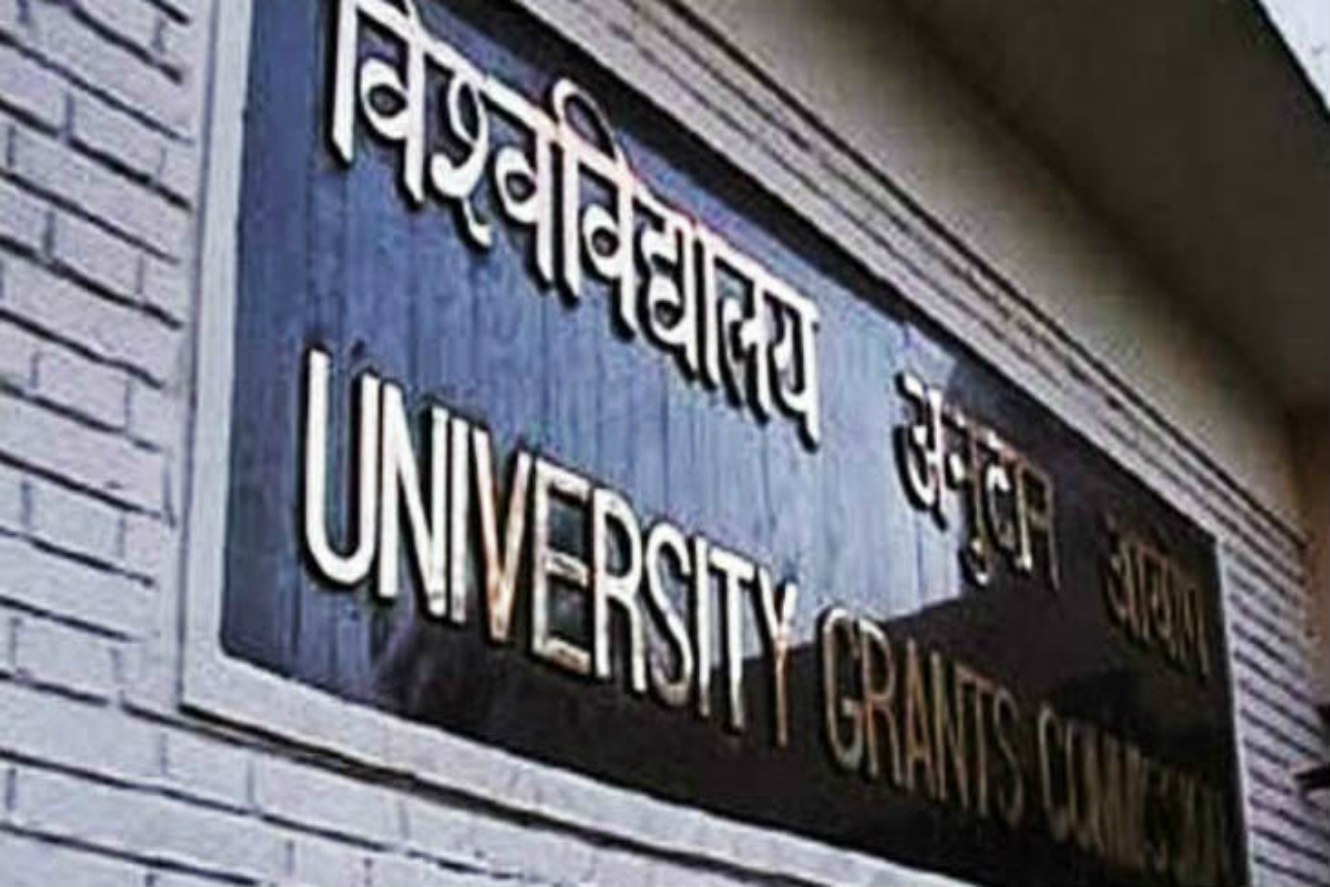
Ministry of Human Resource Development (University Grant Commission) via notification dated 2nd May, 2016 made University Grants Commission (Prevention, Prohibition and Redressal of Sexual Harassment of Women Employees and Students in Higher Educational Institutions) Regulations, 2015. University Grants Commission Act, 1956 (3 of 1956) in exercise of the powers conferred under clause (g) of sub-section (1) of section 26 and sub-section (1) of Section 20 makes this regulation which shall apply to all higher educational institutions in India.
Regulation 2(k) of the said regulation defines sexual harassment, whereas Regulation 3 (d) says that it is the responsibility of Higher Educational Institutions to act decisively under all gender based violence against employees and students of all sexes recognizing that primarily women employees and students and some male students and students of the third gender i.e. the regulation states that sexual harassment is gender neutral and institutions should take action on complaints of employees and students of all sexes. Regulation 5 talks about the Responsibilities of Internal Complaints Committee [ICC] like provide assistance if an employee or a student chooses to file a complaint with the police; ensure that victims or witnesses are not victimized or discriminated against while dealing with complaints of sexual harassment. Regulation 7 and 8 states the Process of making complaint of sexual harassment and Process of conducting Inquiry simultaneously, whereas in Regulation 7 states that victim’s friends, colleagues or any person can file a complaint on his or her behalf if he or she is not able to complain due to illness or death and that the complaints should be filed within 3 months of the offence and the inquiry of the complaint should be completed within a period of ninety days. Regulation 10 states the Punishments and Compensation which will be accordance with the service rules of the Higher Education Institutions and also that the aggrieved person will be entitled to receive compensation. To ensure that the that the provisions for the protection of employees and students from sexual harassment do not get misused, provisions against false or malicious complaints have to be made and publicized within all Higher Education Institutions under Regulation 7 of the UGC (Prevention, Prohibition and Redressal of Sexual Harassment of Women Employees and Students in Higher Educational Institutions) Regulations, 2015.
-Ministry of Human Resource Development





1 reply