








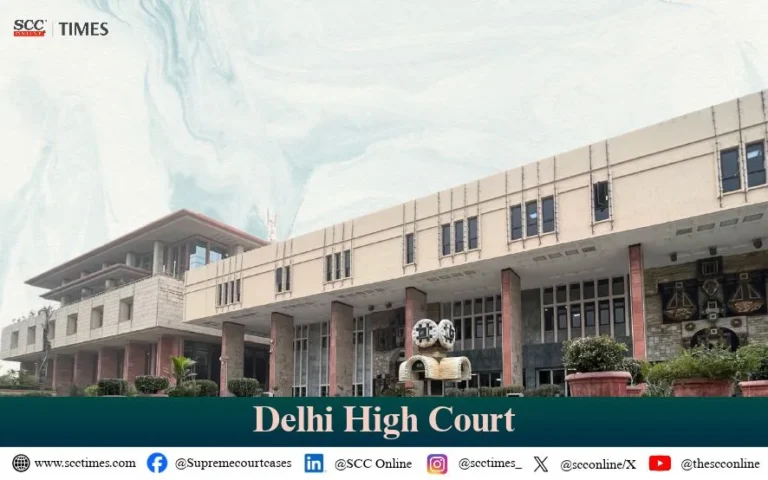
Delhi High Court: In an application filed under the Limitation Act, 1963 for condonation of delay in filing an appeal against an order of the trial court, Vinod Goel, J. held that it was the duty of a litigant to be vigilant of his rights as well as of any judicial proceedings initiated by him or against him in any court of law. The applicant company had attributed blame for the delay on their counsel, contending that despite requesting court documents and relevant orders, the counsel had failed to inform the Managing Director of the order passed by the Court as a result of which, the company had failed to make an appeal.
The Court declared that the company was managed by educated businessmen and not illiterate persons, and therefore, should be made responsible for failing to pursue their case diligently and leaving the case at the mercy of their counsel. Hence, the learned Judge concluded that either the applicant company had been negligent in pursuing their case or were concealing true facts of the knowledge of dismissal of the original suit.
The appeal was against the judgment and decree of the trial court before which a suit of recovery was filed by the respondent against the applicant company who had availed their services but failed to make complete payment. The issue was whether the final payment had been made or not and if not made, whether the interest was to be levied or not. In the absence of any document from the side of the appellant to show balance payment, the learned judge upheld the decision of the trial court and dismissed the appeal. [Moddus Media Pvt. Ltd. v. M/s. Scone Exhibition Pvt. Ltd., 2017 SCC OnLine Del 8491, decided on 18.05.2017]








0 replies