
Right to Speedy Trial Prevails Over Gravity of Offence; Bail Must Be Considered When Article 21 Infringed: Supreme Court
In the instant case, the petitioner was in jail for almost 4 years, but not a single witness was examined.

Bringing you the Best Analytical Legal News


In the instant case, the petitioner was in jail for almost 4 years, but not a single witness was examined.

The accused had been apprehended with pouches of MDMA, charas and ganja. The MDMA was later found to be methamphetamine by the forensic lab report.

“The Trial Court after almost 11 years issued Non-Bailable Warrants to the persecution witnesses but till date, not a single witness has appeared before it to give evidence.”
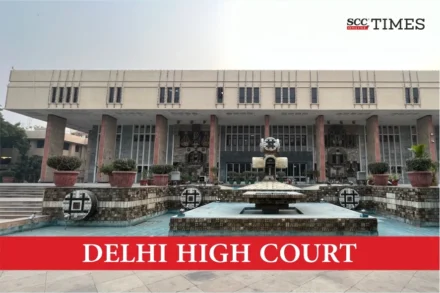
It is unfortunate that despite directions from Supreme Court and this Court, the trial has not yet concluded. This was unacceptable, considering that such directions were passed while disposing of the bail application, and the accused is in judicial custody for over 10 years. Such prolonged delay in compliance with judicial directions defeats the very purpose of directing expeditious trial.

“Delays are bad for the accused and extremely bad for the victims, for Indian society, and for the credibility of our justice system, which is valued. Judges are the masters of their Courtrooms and the Criminal Procedure Code provides many tools for the Judges to use in order to ensure that cases proceed efficiently.”

“The absence of any progress, despite the charge sheet being filed in 2014, raises serious concerns about the administration of justice. Such delay undermines the legal principle that justice delayed is justice denied.”