This case study explores the implications of the planned merger between MPEG LA and Via Licensing Corporation on IP management within the Via LA.
Introduction
In the fiercely competitive smartphone industry, the tension between bold ideas and the boundaries of intellectual property (IP) is difficult to escape. In the Delhi High Court,1 Koninklijke Philips N.V. sued Transsion Holdings, behind the brands such as TECNO, Itel and Infinix, and often dubbed as “the Smartphone King of Africa” for allegedly using standard-essential advanced audio coding (AAC) patents without a licence. This was not a minor scuffle. AAC is embedded deep in android’s audio architecture, the quiet engine behind streaming on services like Spotify and the clarity of everyday calls. When Transsion Holdings‘ mass-market devices were said to be using those technologies without a licence, the stakes rose quickly for a global manufacturer operating at scale, and the matter ultimately concluded in a settlement.2
Conflicts like this are precisely what patent pools are designed to defuse. Instead of piecemeal, bilateral deals and sprawling litigation, a patent pool gathers essential patents from multiple holders into a single, jointly managed portfolio. For implementers, it becomes a one-stop licence on transparent, standardised, and non-discriminatory terms, cutting transaction costs, lowering litigation risk, and speeding the spread of foundational technologies across markets. In a world where products ship by the tens of millions, that predictability is not just efficient; it is stabilising.
At the centre of this ecosystem sits the Via Licensing Alliance (Via LA), the administrator of the AAC patent pool that includes essential patents from companies such as Philips. Its role is practical and balanced, ensuring that innovators are rewarded and implementers like Transsion Holdings can access what they need without legal whiplash. The resolution of the case underscores that function. When the rules are clear and the pathway to licensing is orderly, the technologies that power modern life remain accessible, reasonably priced, and ready to scale, so the next generation of devices can focus on what matters most: delivering real value in users‘ hands.3
About Via LA
The Via LA, formed in 2023, represents an exciting step forward in patent management. Born out of a partnership between Via Licensing Corporation and Moving Picture Experts Group Licensing Administrator (MPEG LA), two well-known leaders in the field, Via LA brings together the best of both organisations. With over 50,000 patents spanning 130 countries, it serves over 10,000 licensees and 500 patent holders worldwide. Via LA aims to simplify IP management and make critical technologies more accessible globally.4
What makes Via LA unique is its approach to unifying dozens of patent pools under one organisation. This simplifies operations, reduces complexity, and promotes collaboration among those managing IP. It is a modern solution to the growing challenges of the current IP landscape.
Via Licensing: A legacy of innovation
Via Licensing was started as a subsidiary of Dolby Laboratories in 2002 to manage patent pools for new technologies. Via Licensing quickly became a key player in the audio, broadcasting, wireless communication, and automotive technology sectors, building on Dolby’s strong reputation for innovation.
Via Licensing’s success started in the 1990s when Ray Dolby, the company’s founder, moved Dolby Labs from analogue to digital technologies. During this time, Dolby’s licensing programs generated substantial revenue, accounting for up to 50 per cent of the company’s income. This expertise laid the groundwork for Via Licensing, which expanded these licensing frameworks to support various industries and innovations.5
MPEG LA: A leader in video licensing
Since launching its MPEG-2 licensing program in 1997, MPEG LA has pioneered the patent pool industry. Its MPEG-2 video compression technology licensing framework became a global standard, streamlining access to this critical innovation and enabling advancements in digital broadcasting and media storage.
MPEG LA did not stop there. It introduced successful licensing programs for other vital technologies, such as MPEG-4, HEVC (H.265) and AVC (H.264), which have become foundational in video coding. These efforts have made MPEG LA a central player in IP and technological progress.6
The power of collaboration
The creation of Via LA represents a powerful collaboration between two industry leaders. MPEG LA’s deep expertise in video technologies complements Via Licensing’s strengths in audio and other domains, resulting in a unified organisation that simplifies licensing across various technologies.7
Supported by stakeholders such as General Electric, Koninklijke Philips N.V., and Mitsubishi Electric Corporation, Via LA benefits from decades of experience and industry insight. These partners are committed to creating a balanced, efficient system for managing IP that supports innovation and the adoption of new technologies worldwide.
Why the merger?
The merger of Via Licensing Corporation and MPEG LA to form Via LA is a strategic response to the complexities of modern IP management. This unified entity reduces redundancies, cuts administrative costs, and enhances operational efficiency by consolidating dozens of patent pools into a single organisation. By leveraging economies of scale, Via LA streamlines licensing, providing innovators and implementers with comprehensive access to essential technologies through standardised agreements. This “pool of pools” model eliminates fragmented licensing processes, saving time and resources while accelerating technology adoption.8
Driving innovation and market leadership
Via LA fosters innovation by creating a transparent and predictable licensing framework that reduces legal complexities and transaction costs. This structure makes it easier for patent holders to collaborate, facilitating the development and deployment of cutting-edge technologies. The alliance brings together MPEG LA’s knowledge of video coding and Via Licensing’s strengths in audio and other domains, providing licensees with a strong set of interoperable technologies that support industries such as streaming and consumer electronics. Via LA is a leader in shaping IP policies and promoting standardised technologies that reduce market fragmentation because it has an extensive collection of patents and a global reach.
Leadership, continuity, and stakeholder support
The merger aligns leadership and operational cultures, ensuring a seamless transition. Heath Hoglund, previously President of Via Licensing, now leads the alliance, while Larry Horn, the retiring Chief Executive Officer (CEO) of MPEG LA, continues to provide strategic guidance. This collaboration ensures continuity, strengthens the alliance’s market position, and supports its mission to foster innovation and global technology adoption.
By addressing the evolving demands of IP management, Via LA creates a more unified, efficient, and accessible ecosystem for technology and innovation worldwide.9
Key activities and technologies
The Via LA employs a comprehensive and systematic approach to IP management, ensuring that innovators, implementers, and patent holders all benefit from clear, quick, and easy-to-understand licensing processes. Their structured approach protects IP rights and makes important technologies more accessible. This lowers market fragmentation and encourages global innovation.
1. Identifying licensing opportunities: Via LA continuously monitors technological developments and emerging markets to identify areas where IP can create mutual value. This involves assessing the adoption of global standards, evolving consumer needs, and disruptive innovations that may require patent pooling solutions.
2. Market research and stakeholder collaboration: Detailed market analysis informs decision-making by mapping industry demand with licensing potential. Through collaboration with technology developers, standard-setting bodies, and industry stakeholders, Via LA ensures that its licensing programs remain aligned with real-world applications, ranging from streaming services to next-generation connectivity.
3. Developing licensing frameworks: Licensing structures and business models are created in collaboration with stakeholders, ensuring that agreements are transparent, standardised, and beneficial to all parties. These frameworks are typically aligned with fair, reasonable, and non-discriminatory (FRAND) principles, which help balance the interests of patent holders and implementers while encouraging wider adoption of essential technologies.
4. Drafting and issuing licensing agreements: After developing frameworks, Via LA drafts licensing agreements that safeguard the rights of patent holders while enabling implementers to easily adopt technologies. By adhering to FRAND-based terms, the agreements promote accessibility and reduce litigation risks, thereby ensuring a more predictable licensing environment.
5. Royalty management: Via LA oversees royalty collection and distribution, providing financial transparency and predictability. This ensures fair compensation for patent holders while offering cost-effective solutions for implementers, strengthening long-term partnerships.
Supported technologies and standards
Via LA’s portfolio spans multiple industries, covering both established and next-generation technologies. This breadth enables companies to access a wide range of essential patents under unified licensing structures:
1. Audio: AAC, high-efficiency video coding (MPEG-H 3D audio), Dolby AC-4, and voice codec pool for foundational voice technologies, including enhanced voice services (EVS) and immersive voice and audio services (IVAS), which are widely used in streaming, broadcasting and mobile communications.
2. Video: HEVC/H.265, VVC/H.266, AVC/H.264, VC-1, MPEG-4 visual, DisplayPort, MPEG-2, and MPEG-2 systems, which can handle everything from high definition (HD) streaming to ultra-high-definition (UHD) broadcasting and device integration.
3. Wireless and broadcast: Advanced Television Systems Committee (ATSC) and ATSC 3.0 are very important for the next generation of broadcasting systems.
4. Power: Qi wireless power and electric vehicle (EV) charging helps drive the growth of wireless charging standards and promote eco-friendly transportation.
5. Biotech: Increscent, which enables the creation of licensing frameworks for new ideas in biotechnology.
6. Others: Patent bank is a flexible licensing platform that brings together IP rights for more general use.
By combining these structured activities with a wide range of technology coverage, Via LA fosters an ecosystem that simplifies access to global standards and ensures that businesses of all sizes can participate in innovation. This approach enables companies to adopt new technologies more easily, provides them with legal certainty, and accelerates the global adoption of these technologies.10
AAC: A service by Via LA
AAC is one of the core services offered by Via LA as part of its comprehensive patent licensing solutions. AAC is a widely adopted audio compression standard renowned for its high-quality performance and efficient bitrate usage. Standardised by International Organization for Standardization (ISO)/International Electrotechnical Commission (IEC) MPEG, AAC was developed as the successor to MP3 and quickly became the preferred choice for major platforms such as Apple iTunes, YouTube, Spotify and Netflix, due to its ability to deliver superior audio quality at lower bitrates. Efficiency is crucial for smooth playback and cost savings in streaming and mobile usage, resulting in improved performance and lower data expenses.
Via LA administers a joint patent licence for AAC, simplifying the process of acquiring rights to practice essential AAC patents from multiple licensors. This approach offers a convenient and cost-effective solution for manufacturers, developers, and stakeholders seeking to implement AAC technology.11
The AAC licensing program includes several advanced audio technologies, ensuring that implementers have the tools they need to develop cutting-edge applications. AAC-low complexity (LC) is the base profile that offers excellent audio quality and efficient compression. High-efficiency (HE)-AAC utilises spectral band replication (SBR) to enhance performance at low bitrates, making it ideal for streaming and mobile use. HE-AAC v2 adds parametric stereo (PS) to enhance stereo quality in low-bitrate applications. Extended HE-AAC (xHE-AAC) is also part of the program. It has MPEG-D dynamic range control (DRC) for adaptive audio experiences. AAC-low delay (LD) and AAC-enhanced low delay (ELD) are also part of the program. These are for real-time communication, such as videoconferencing, where high-quality audio and low latency are crucial. AAC-ELD can also be used in conjunction with MPEG surround to create immersive and interactive multi-channel audio with minimal delay.
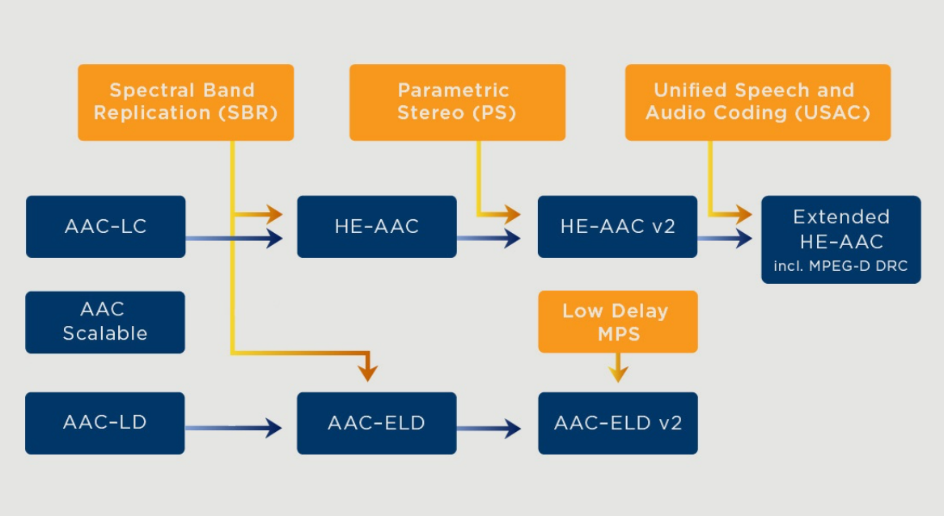
Figure 1. The AAC patent licensing program provides coverage for all the AAC technologies identified in the following diagram.12
Through its AAC patent pool, Via LA facilitates access to these technologies under a single licence agreement, reducing the administrative and financial complexities for implementers. This service supports innovation across various industries, including streaming platforms, broadcasting, communication, and automotive systems, driving the global adoption of high-quality, standardised audio technologies.13
While AAC remains a licensed technology, it has retained dominance in global markets due to its balance of efficiency, backwards compatibility, and device ecosystem support. Competing codecs such as Opus [royalty-free, optimised for web real-time communication (WebRTC)] and MPEG-H 3D audio (immersive next-generation format, also administered under the Via LA umbrella)14 have gained ground in specific niches. Yet, AAC remains the universal standard for music, video and broadcast streaming. AAC’s combination of efficient compression, adaptive audio features, and compatibility ensures its continuing relevance in the era of 5G, internet of things (IoT), and next-generation media applications.
Major patent contributors to AAC
The AAC licensing program, managed by the Via LA, benefits from the contributions of patents from leading organisations across the globe. These companies have significantly shaped the development and evolution of AAC technology by providing essential patents that enable its implementation.
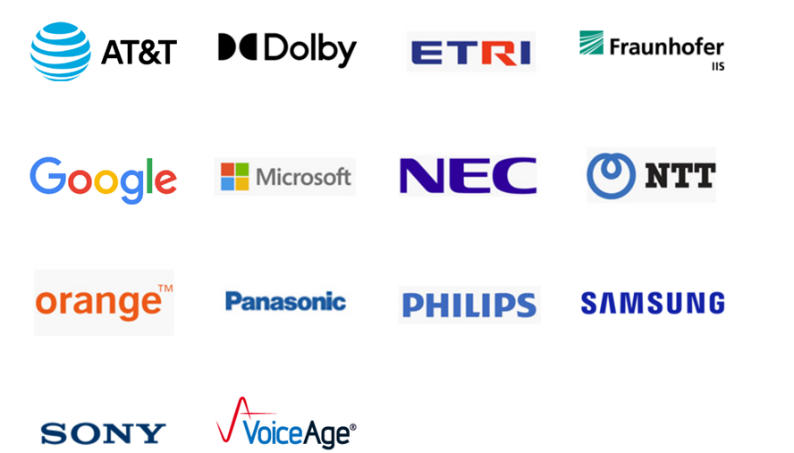
Figure 2: The list of major patent contributors to AAC15
These contributors have collectively advanced the AAC standard, which is widely used in industries such as broadcasting, streaming and telecommunications. By pooling their patents, these organisations simplify licensing, making AAC technology more accessible and promoting its global adoption. This collaborative effort ensures that AAC remains a cornerstone of high-quality and efficient audio compression.
Koninklijke Philips N.V. as a major patent contributor to AAC
Koninklijke Philips N.V. (popularly known as “Philips”) plays a pivotal role in developing and evolving AAC technologies through its essential patents. These patents, which contribute to global standards like HE-AAC v2 and unified speech and audio coding (USAC), underscore Philips’ commitment to advancing audio compression efficiency and innovation.
Philips‘ patents include contributions to high-efficiency AAC v2 (HE-AAC v2), also known as aacPlus v2, eAAC+ or enhanced AAC+. This technology enhances the compression efficiency of stereo signals using parametric stereo and is defined under the ISO/IEC 14496-3 standard. Additionally, Philips has patented innovations essential for USAC, a type of object defined in the ISO/IEC 23003-3 standard. USAC technology integrates speech and audio coding techniques, further advancing the efficiency and quality of audio coding systems.
Key patents from Philips include:
1. IN 251053: This patent, which was part of HE-AAC v2, was titled “A method and device for synthesising a first and second output signal from an input signal”, and it expired on 22 April 2023.16
2. IN 248604: This patent, which was titled “A method of coding and decoding an audio signal and a coding system having an encoder and a decoder for the same”, and it expired on 22 April 2023.17
3. IN 294973: This patent, which supports stereo signal processing and is scheduled to expire on 14 May 2029, is titled “A parametric stereo upmix apparatus, a parametric stereo decoder, a parametric stereo downmix apparatus, a parametric stereo encoder”.18
4. IN 375107: This patent, which is crucial for sophisticated audio coding, is titled “Parametric encoding and decoding”, and it expires on 5 November 2030.19
The worldwide adoption of USAC and HE-AAC v2 standards has been greatly aided by these patents, opening the door for advancements in audio compression for broadcasting, streaming and mobile devices. Philips’ commitment to AAC technologies emphasises its position as a key player in the IP of audio innovations.20
Licensing fees for AAC
The Via LA oversees the licensing fees for AAC, which are set up to strike a balance between equitable compensation for patent holders and innovation accessibility. The program employs a volume-based tiered system that gives users predictability and scalability as costs per unit drop as distribution increases. While large-scale businesses profit from lower rates at higher volumes, this guarantees that smaller manufacturers can adopt AAC technology without incurring prohibitive costs. Through a single patent pool, AAC’s licensed framework offers stability and transparency in contrast to royalty-free codecs like Opus, making compliance easier for service providers and device manufacturers. In order to lower adoption barriers further, the model has also been changed to reflect market dynamics and patent expirations. By combining financial flexibility with legal certainty, the AAC licensing structure facilitates widespread deployment across various industries, including consumer electronics, streaming, broadcasting and automotive systems.
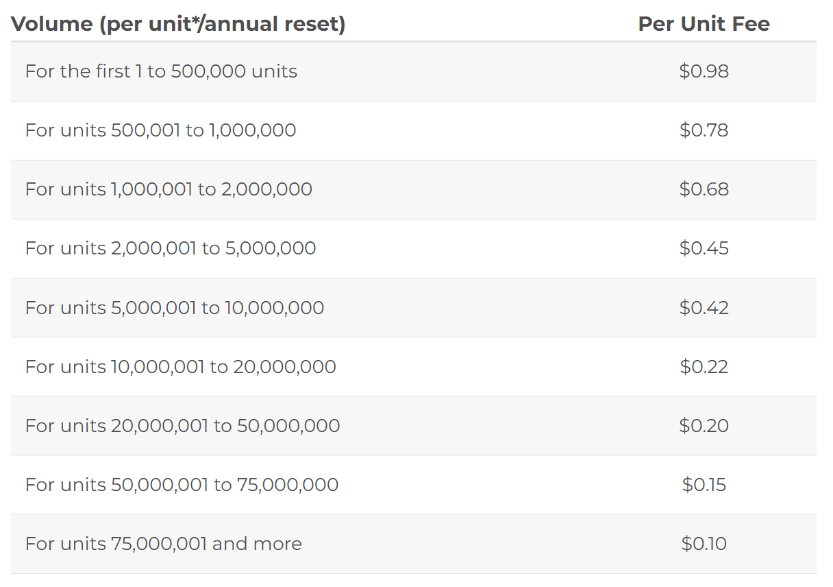
Figure 3: This is the detailed breakdown21:
Conclusion
This case study explores the implications of the planned merger between MPEG LA and Via Licensing Corporation on IP management within the Via LA. It delves into the transformative changes brought about by this strategic decision. Creating this single organisation is a strong and necessary response to the growing difficulties of standardising technology. In a world of conflict, like the fight between Koninklijke Philips N.V. and Transsion Holdings over AAC patents, Via LA’s idea of a single patent pool is a straightforward way forward. Making it easier to find everything in one place provides technology implementers with the legal certainty they need, while ensuring that innovators are paid fairly. This accelerates the global adoption of basic technologies and reduces the cost of expensive lawsuits.
However, as examined in this analysis, this model’s long-term stability and fairness are contingent upon addressing inherent structural challenges. Via LA’s primary concern is handling royalty rates when patents expire. The strength of a patent portfolio behind a licence makes it valuable. If the royalty structures are not clearly and fairly lowered as essential patents become public domain, the pool could break its promise to follow FRAND terms. This potential disconnect can lead to significant legal challenges from licensees, who may find themselves paying for no longer proprietary technology, thereby undermining the trust and efficiency the pool is designed to foster.22
Also, a company like Via LA has enormous market power, which can lead to monopolistic behaviour, even though it makes things more efficient. A patent pool administrator is the primary gatekeeper for whole ecosystems of standard-essential technologies. They have much power over who can enter the market and how quickly new ideas can be developed. Via LA must create dynamic royalty structures that clearly consider patent expiration and improve its governance through independent oversight to protect its role as a facilitator rather than a gatekeeper. Making determining royalty rates more transparent and establishing simple dispute resolution mechanisms would demonstrate the company’s stronger dedication to fairness. This would also address concerns about excessive market control.
Via LA is a vital and highly efficient infrastructure component of the modern technology industry. Its success is evident in how it has organised a complex and often disputed IP landscape. However, its legacy will not be solely determined by its possessions but by its commitment to fairness, transparency and adaptability. Via LA can enhance its role as a licensing manager and as a significant and enduring catalyst for the future of global innovation by actively addressing issues like patent expiration and market concentration.
*LLM 2nd year, Rajiv Gandhi School of Intellectual Property Law, IIT Kharagpur. Author can be reached at: kguttam12.24@kgpian.iitkgp.ac.in.
1. Koninklijke Philips N.V. v. Transsion Holdings, 2025 SCC OnLine Del 10879.
2. Nicole-Anne Lagrimas, “Philips and Transsion Settle Audio Codec SEP Dispute in India”, IAM Media, 16 July 2025, available at <https://www.iam-media.com/article/philips-and-transsion-settle-sep-dispute-in-india> last accessed 10-8-2025.
3. Rudi Bekkers, Olav W Iversen and Knut Blind, “Patent Pools and Non-Assertion Agreements: Coordination Mechanisms for Multi-Party IPR Holders in Standardization”, available at <https://rbekkers.ieis.tue.nl/Bekkers_Iversen_Blind_EASST06_full_paper.pdf> last accessed 06-2-2026.
4. “About VIA Licensing Alliance: Overview”, Via Licensing Alliance, available at <About Us – Via Licensing Alliance> last accessed 06-2-2026.
5. Pamela Hawkins Williams, Dotcy Isom III and Tiffini D. Smith-Peaches, ‘A Profile of Dolby Laboratories: An Effective Model for Leveraging Intellectual Property’ (2003—2004) 2 Northwestern Journal of Technology and Intellectual Property 81, 94.
6. Rani Mehta, “Via Licensing Combines with MPEG LA” Managing IP, 2-5-223, available at <https://www.managingip.com/article/2blvv66hhham3if5y46io/via-licensing-combines-with-mpeg-la> last accessed 06-2-2026.
7. Heath Hoglund, “Episode 6: Via LA — Alliance for Patent Licensing” (28-8-2024) LexisNexis, available at <https://www.lexisnexisip.com/resources/alliance-for-patent-licensing/> last accessed 06-2-2026.
8. Michael Mattioli, “Patent Pool Outsiders” (2018) 33(1) Berkeley Technology Law Journal 233.
9. Thierry Rayna and Ludmila Striukova, “What Makes Patent Pools Successful? An Analysis of Optical Disc and Mobile Phone Industries” (2015) 19(1-2) International Journal of Entrepreneurship and Innovation Management 6.
10. “A Level Playing Field for Innovators and Implementors” Via Licensing Alliance, available at <https://via-la.com/licensing-programs/> last accessed 06-2-2026.
11. ISO/IEC 14496-3:2019, “Information Technology — Coding of Audio-Visual Objects — Part 3: Audio” (2019) International Organization for Standardization, available at <https://www.iso.org/standard/76383.html> last accessed 06-2-2026.
12. “Advanced Audio Coding (AAC)”, Via Licensing Alliance, available at <https://www.via-la.com/licensing-2/aac/> last accessed 19-8-2025.
13. Jürgen Herre and Martin Dietz, “MPEG-4 High-Efficiency AAC Coding [Standards in a Nutshell]” (May 2008) 25(3) IEEE Signal Processing Magazine 137.
14. “MPEG-H 3D Audio”, Via Licensing Alliance, available at <https://www.via-la.com/licensing-2/mpeg-h/> last accessed 15-8-2025.
15. ”Advanced Audio Coding (AAC)”, Via Licensing Alliance, available at <https://www.via-la.com/licensing-2/aac/> last accessed 10-8-2025.
16. “A Method and Device for Synthesising a First and Second Output Signal from an Input Signal”, Orbit, available at <https://permalink.orbit.com/RenderStaticFirstPage?XPN=9fN%252B5JTpr%252FqeccOAsqvWAnfDUqlXTJ5uwQdFuycu4uk%3D%26n%3D1&id=0&base=FULLPAT> last accessed 19-8-2025.
17. “A Method of Coding and Decoding an Audio Signal and a Coding System having an Encoder and a Decoder for the Same”, Orbit, available at <https://permalink.orbit.com/RenderStaticFirstPage?XPN=VpHZ6%252FKUoCf4%252BC%252F5M6pym3fDUqlXTJ5uwQdFuycu4uk%3D%26n%3D1&id=0&base=FULLPAT> last accessed 19-8-2025.
18. “A Parametric Stereo Upmix Apparatus, a Parametric Stereo Decoder, a Parametric Stereo Downmix Apparatus, a Parametric Stereo Encoder”, Orbit, available at <https://permalink.orbit.com/RenderStaticFirstPage?XPN=nSBEY1fbUAieccOAsqvWAnfDUqlXTJ5uwQdFuycu4uk%3D%26n%3D1&id=0&base=FULLPAT> last accessed 29-8-2025.
19. “Parametric Encoding and Decoding”, Orbit, available at <https://permalink.orbit.com/RenderStaticFirstPage?XPN=Z4yXrDNdYBDdGqGyRhNS9XfDUqlXTJ5uwQdFuycu4uk%3D%26n%3D1&id=0&base=FULLPAT> last accessed 19-8-2025.
20. “MPEG-4 Audio (MPEG-4 AAC)”, Philips, available at <https://www.philips.com/a-w/about/innovation/ips/ip-licensing/programs/mpeg-4-audio.html> last accessed 19-8-2025.
21. “AAC, Licence Fees”, Via Licensing Alliance, available at <https://www.via-la.com/licensing-2/aac/license-fees/> last accessed 10-8-2025.
22. Rajiv Choudhry, “Charging for Expired Patents: The How and Why the Practice Should Stop” (17-3-2017) SpicyIP, available at <https://spicyip.com/2017/03/charging-for-expired-patents-the-how-and-why-the-practice-should-stop.html> last accessed 10-8-2025.