
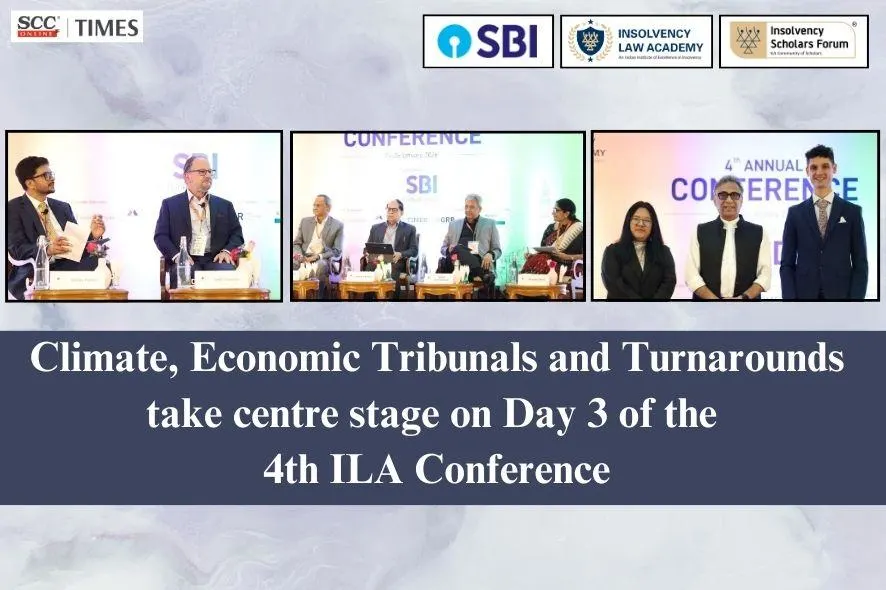
The Insolvency Law Academy (‘ILA’) successfully concluded the final day of the conference with a series of thematic sessions that highlighted how insolvency law is increasingly intersecting with environmental regulation, financial stability, tribunal design, and corporate resilience. From climate-induced financial distress and tribunal capacity challenges to behavioural economics, digital assets, and early warning systems, the sessions reflected the growing complexity of insolvency practice and policy in India and globally.
SESSION 11: Climate Change and Insolvency: Fireside Chat
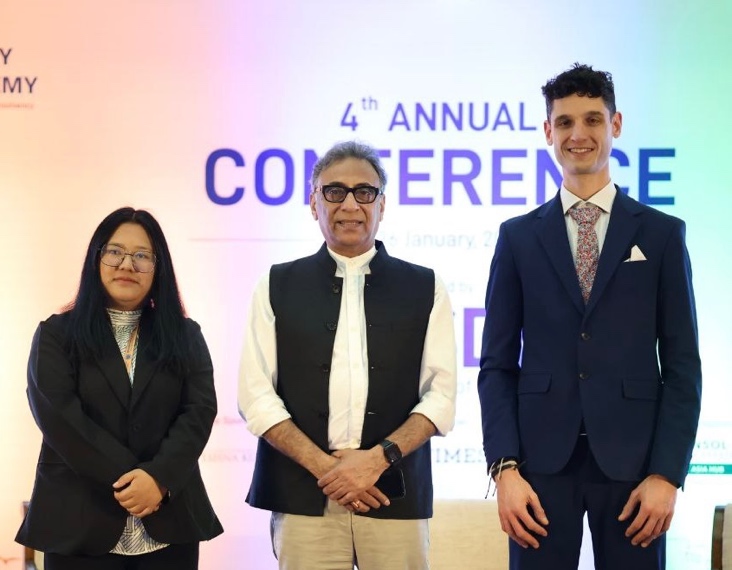
The first session of Day 3 of the 4th ILA Conference featured a fireside chat on the growing intersection between climate change and insolvency, examining how climate-related physical and transition risks increasingly surface at the point of financial distress.
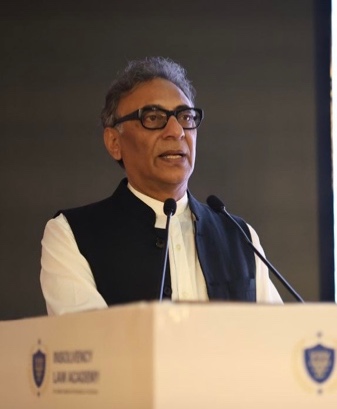
Setting the context, Mr. Sumant Batra noted that climate change is no longer a peripheral concern and increasingly manifests when businesses enter insolvency, making it a relevant and unavoidable issue for insolvency law and policy.

Dr. Eugenio Vaccari, Senior Lecturer in Law, Royal Holloway University of London (UK), explained that insolvency “crystallises risks” that are otherwise postponed, particularly in developing economies. He observed that climate change today is a micro-financial phenomenon, directly affecting default risk, credit supply, and financial stability. While insolvency law is not a substitute for environmental regulation, he emphasised that it plays an important role in cost internalisation and accountability, while cautioning against poorly calibrated approaches that may lead to delay, greenwashing, or value destruction.
“The challenge, in my opinion, is not whether to integrate climate accountability into insolvency, but how to do so in ways that are targeted, proportionate, and institutionally realistic.”

Offering a jurisdictional perspective, Ms. Migmar Lham, Lecturer, Jigme Singye Wangchuck School of Law, Bhutan, highlighted Bhutan’s constitutional commitment to environmental protection and its transition towards a rescue-oriented insolvency framework. She stressed that environmental harm should not ultimately be borne by communities or the State, and that insolvency frameworks must address such liabilities rather than displace them.
“The government has started to come up with a framework and make the company take the responsibility of the climate hazard or the climate twist they have caused to the community or the environment around us.”
The discussion underscored that climate change poses systemic insolvency risks and that the challenge lies in integrating climate accountability into insolvency processes in a manner that is realistic, proportionate, and institutionally sound.
SESSION 12: Economic Law Tribunals of 21st Century India
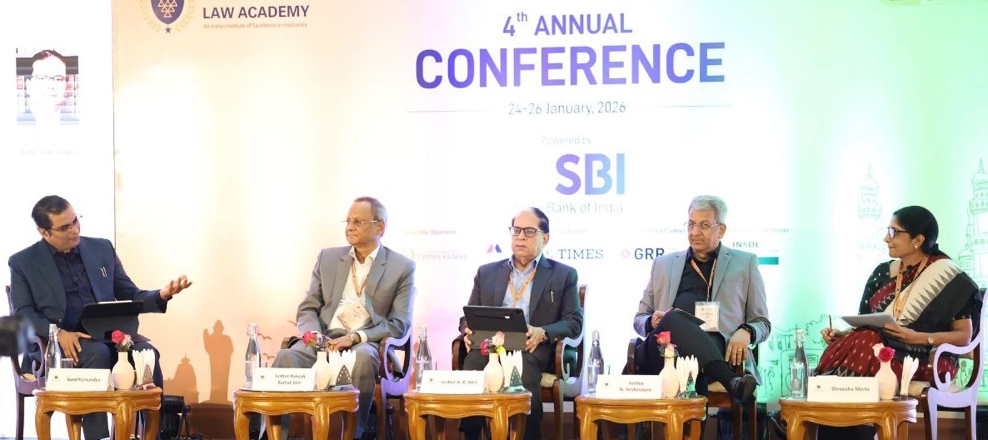
Moderating the session, Mr. Sunil Fernandes, Senior Advocate, Supreme Court of India, placed economic tribunals within India’s constitutional history, noting that the Constitution did not envisage tribunals and that tribunalisation began only with the 42nd Constitutional Amendment introducing Articles 323A and 323B of the Constitution. Framing the core concern, he questioned whether tribunals, created by “salami slicing the High Court’s jurisdiction,” have delivered the promised speed, expertise, and efficiency.
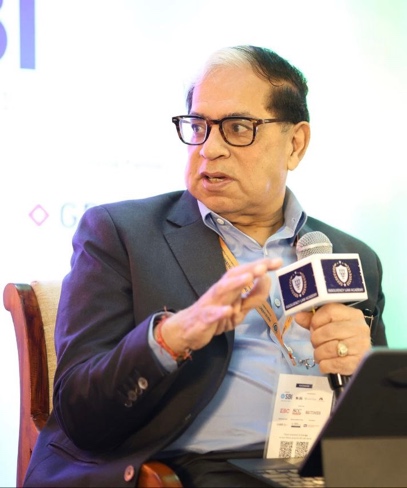
Justice A. K. Sikri, International Judge, Singapore International Commercial Court and Former Judge, Supreme Court of India, observed that the answer to whether tribunalisation is a success was “yes and no, both.” While specialised tribunals like the National Company Law Tribunal (‘NCLT’) were conceptually sound, he cautioned that they have not been allowed to function as truly independent institutions. Emphasising that the Insolvency and Bankruptcy Code, 2016 (‘IBC’) is purely an economic legislation and a path-breaking statute, he stressed that adjudication under the IBC must be informed by economic analysis of law, adding that “when it comes to a law like the IBC, it has to be seen from that economic point of view.” He also highlighted the mismatch between a 21st-century law and outdated tribunal infrastructure, stressing that the NCLT and National Company Law Appellate Tribunal (‘NCLAT’) were “here to stay” and could not function with ad-hoc staffing and inadequate facilities.
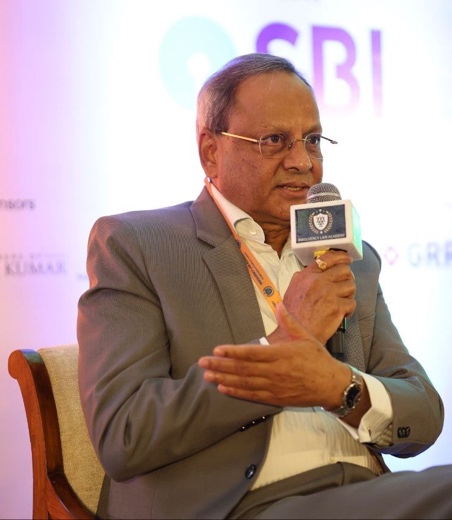
Justice Rakesh Kumar Jain, Former Member (Judicial), NCLAT, defended the tribunal model, observing that ordinary civil judges “hardly have the time or the expertise to decide economic offence cases.” Highlighting the importance of mixed benches, he explained that technical members with domain expertise significantly strengthen adjudication, particularly in complex matters involving accounting and auditing standards.
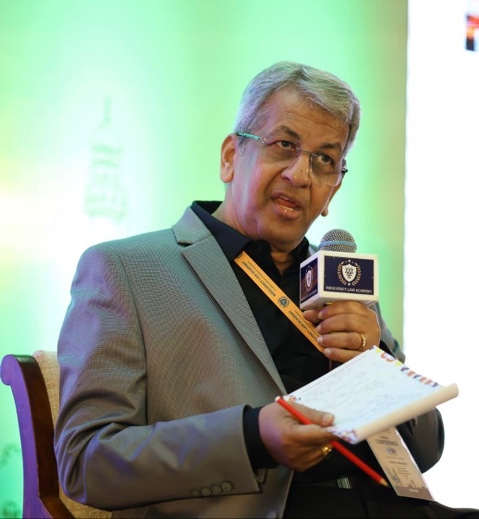
Justice N. Seshasayee, Member (Judicial), NCLAT, spoke candidly about institutional realities, stating that “the facts must be told” rather than hidden “under a veil of superficiality.” He highlighted a mindset problem marked by hyper-expectations from Courts and unfair attribution of systemic failures to tribunals. Addressing criticism about lack of domain expertise, he urged realism and emphasised the need for judicial orientation and institutional support rather than blame.
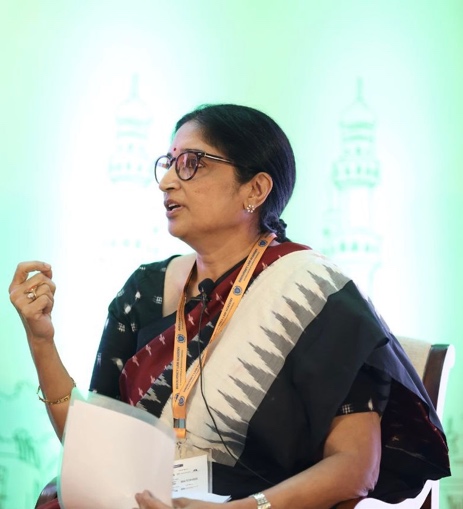
Drawing from nearly 25 years across tribunals, Ms. Shreesha Merla, Former Member (Technical), NCLAT, highlighted the mismatch between modern insolvency laws and outdated tribunal architecture. While remuneration has improved, she noted that infrastructure and support systems remain largely unchanged.
“We are trying to implement a very sophisticated 21st century law through institutional architecture which is not geared to today’s needs.”
Identifying human capital as the “elephant in the room,” she pointed out that most tribunal staff are contractual, leading to loss of continuity and institutional memory. She cautioned that pendency cannot be viewed in isolation, calling it the entire institutional crisis, and stressed the need for infrastructure overhaul, stricter gatekeeping, and deterrence against vexatious litigation.
On reforms, Justice Sikri emphasised futuristic, tech-friendly infrastructure, appointments with domain expertise, and continuous orientation and training. He also highlighted structured case management, time-bound hearings, and integration of mediation and arbitration to ensure the IBC is operated in the best manner.
Justice Jain underscored that judicial training was essential, particularly as statutes like the Competition Act and the IBC were “totally new” to many judges. He advocated permanent staffing, enhancement of the IBC threshold to prevent misuse, introduction of pre-litigation mediation, and an urgent increase in NCLT benches to manage caseloads.
Justice Seshasayee focused on improving quality hearing time, noting that nearly 20 minutes are lost daily to routine mentioning and stressing that “the first ball should be bowled at 10:30.” He questioned repetitive pleadings at the appellate stage and argued for concise submissions to allow judges to focus on adjudication.
Ms. Merla concluded that beyond domain expertise, technical members must possess human skills to function as a team. Referring to the Supreme Court’s direction to establish a National Tribunals Commission, she stressed the need for permanent, specialised human capital supported by standardised digital infrastructure.
The session concluded with a shared recognition that tribunals exercising jurisdiction over economic legislation like the IBC required urgent reforms in appointments, training, and infrastructure if they were to meet India’s aspirations as a leading global economy by 2047.
SESSION 13: Turnaround: The Next Milestone of Insolvency Industry
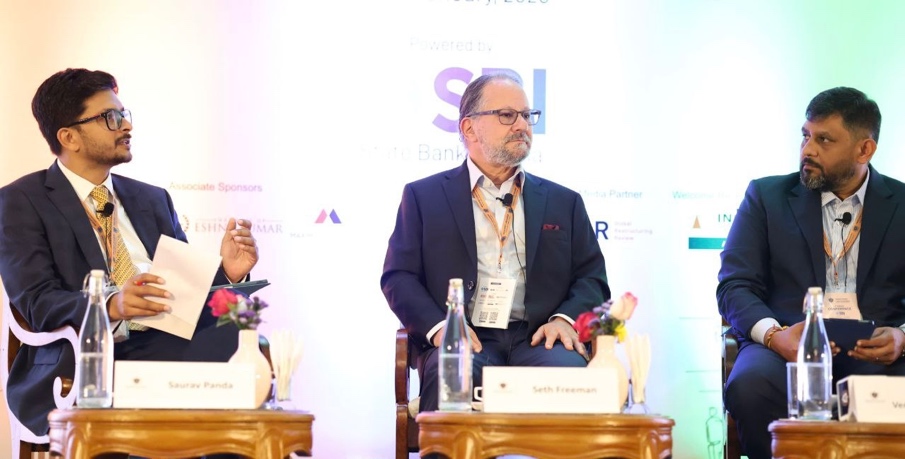
Moderating the session, Mr. Saurav Panda, Partner, Shardul Amarchand Mangaldas & Co., set the context by observing that while the early years of the IBC focused on change in management and timeline discipline, the critical question today is whether the system is deprioritising revival and prioritising only maximisation of recoveries. With India standing at an inflection point after nearly a decade of IBC experience, he highlighted that the proposed IBC (Amendment) Bill, 2025 could usher in India’s first debtor-in-possession framework and hybrid restructuring solutions. Drawing from global experience, he noted that,
“Now, globally what we have seen is that the insolvency regimes have gradually evolved from being recovery centric to turnaround oriented, where they try and address the distress and instead of dismantling businesses, the focus is to try and find stable and sustainable solutions for the business as such.”
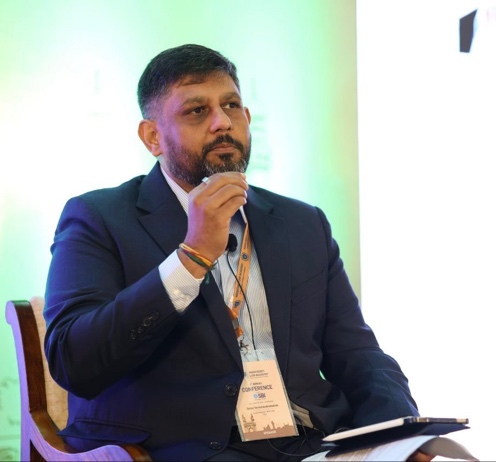
Responding to this, Mr. Dinkar Venkatasubramanian, Former President, INSOL India, stated candidly that Indian lenders had not yet made a cultural shift towards early intervention and value preservation. While recoveries have improved significantly, he observed that banks remained risk-averse and hesitant to fund long-term growth. He stressed that turnaround management is the missing link, posing the question of what we are doing about the first 50 per cent of value before distress escalates.
“For me, as soon as you see stress, turnaround is first aid. It can help solve the problem immediately. You may not even need that surgery or an insolvency coming in later.”
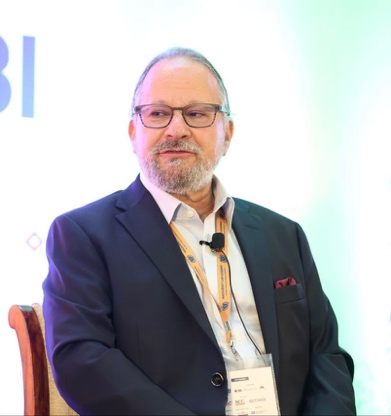
Bringing a global perspective, Mr. Seth Freeman, Senior Managing Director, GlassRatner, USA, explained that the US restructuring system is fundamentally debtor-friendly, with significant deference to management’s business judgment absent fraud or gross mismanagement. He cautioned, however, that “hope is not a strategy,” noting that turnaround professionals are often engaged too late due to optimism and reluctance to confront failure. He clarified that success in turnarounds was not necessarily about preserving promoters, but about preserving value and preserving the assets, even if ownership ultimately changes through a sale process.
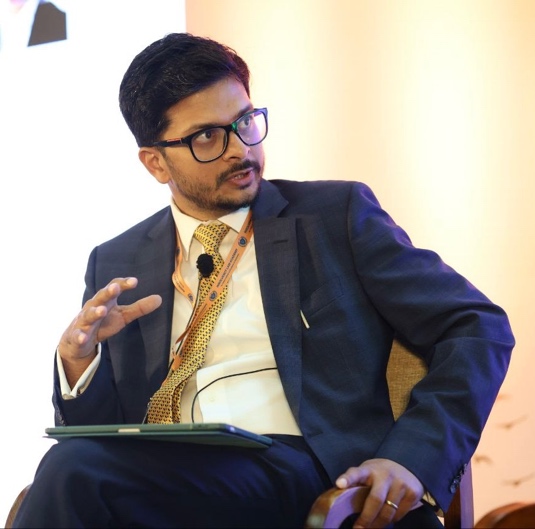
Picking up on the role of professionals, Mr. Panda noted that Indian insolvency professionals are largely trained in a creditor-in-control regime, whereas turnarounds require a different mindset. Responding to this, Mr. Venkatasubramanian drew a sharp distinction between insolvency and turnaround, describing insolvency as a “stop concept” and turnaround as a “flow concept” that begins with the first signs of stress and can continue through pre-insolvency and beyond. He stressed that Chief Restructuring Officers (‘CRO’) function as collaborators who build trust and oversight rather than take over businesses.
On access to capital and policy design, Mr. Panda highlighted the growing role of private credit in supporting turnarounds. Mr. Venkatasubramanian clarified that the issue was not lack of capital but lack of structure and trust, stating that there is enough and more capital available provided there was super-priority and clear governance.
Concluding the session, Mr. Freeman identified two non-negotiables from the US system: Bankruptcy Courts functioning as Courts of Equity with judicial discretion, and reliable access to capital. Mr. Venkatasubramanian summed up the discussion by emphasising that the ecosystem ultimately seeks speed, certainty, and value, and that a strong turnaround framework can transform India’s stressed assets regime from an ambulance into a growth engine.
The session highlighted that moving beyond recovery-led outcomes requires early intervention, credible governance, and a strong turnaround culture. With the right legal and institutional support, turnarounds can convert distress from a crisis response into a driver of long-term value creation.
SESSION 14: Joint Session of Insolvency Scholars Forum and Emerging Scholars Group
The Insolvency Scholars Forum (‘ISF’) and the Emerging Scholars Group (‘ESG’) jointly organised this session to provide a common platform for established academics and emerging scholars to present cutting-edge research on contemporary issues in insolvency law. While ISF focuses on advancing academic scholarship and peer-reviewed research in insolvency, ESG is dedicated to mentoring young researchers and fostering global academic discourse. The session formed part of ILA’s broader initiative to strengthen insolvency scholarship worldwide.
At the outset, a special acknowledgment was made of Dr. Eugenio Vaccari, Senior Lecturer in Law, Royal Holloway University of London, for his instrumental role in curating early scholar research groups across international organisations and for laying the foundational groundwork for the Emerging Scholars Group at the Insolvency Law Academy. It was noted that the present ESG initiatives build upon the vision and institutional framework established during his tenure.
The ISF segment of the session featured the following papers:
-
‘Mortgage Debt Restructuring and Personal Insolvency’ by Dr. Joseph Spooner, Associate Professor, The London School of Economics and Political Science, United Kingdom.
-
‘Buy Now, Pay Later and Personal Insolvency’ by Dr. Pier Mario Lupinu, Lecturer in Commercial Law, The University of Glasgow, Scotland.
The ISF presentations were chaired by Dr. Eugenio Vaccari, Senior Lecturer in Law, Department of Law and Criminology, Royal Holloway University of London; Chair, ISF, with Mr. Raghav Mittal, Senior Associate, Dentons Link Legal, India, serving as the expert commentator.
The ESG segment featured emerging scholars presenting research on new and evolving dimensions of insolvency law:
-
‘Insolvency of Virtual Digital Asset Service Providers in India’ by Ms. Prerna Seerwani, Research Associate, Indian Institute of Management Ahmedabad, and Dr. M. P. Ram Mohan, Professor, Indian Institute of Management Ahmedabad, India.
-
‘Balancing Value and Privacy: A Framework for Insolvencies of Data-Intensive Firms’ by Pranjal Pare and Anushka Bhatt, PGIP (LL.M.) Students, National Law University Delhi, India.
-
‘Early Warning Systems and Behavioural Biases in Insolvency’ by Dr. Niccolò Usai, Post-Doctoral Researcher in Business Law, Scuola Superiore Sant’Anna di Pisa, Dirpolis Institute, Italy.
The ESG segment was chaired by Dr. Jonatan Schytzer, Senior Lecturer in Private Law, Faculty of Law, Uppsala University, Sweden; Chair, ILA ESG, with Mr. Raghav Mittal, Senior Associate, Dentons Link Legal, India, acting as the expert commentator.
SESSION 15: Environment and Insolvency — Emerging Scholars Group Session
Building on the broader academic discourse, the ESG also convened a dedicated session on Environment and Insolvency, reflecting the growing intersection between environmental regulation, corporate distress, and insolvency frameworks. The Chair observed that environmental risks, climate obligations, and sustainability concerns are increasingly shaping insolvency outcomes across jurisdictions, particularly for large corporations and regulated entities.
The following papers were presented during the session:
-
‘Internalisation of Environmental Risk in Insolvency: An Anglo-Indian Comparative Analysis’ by Satvik Mittal, Student, National Law University Odisha, co-authored with Dr. Eugenio Vaccari, Senior Lecturer in Law, Royal Holloway University of London.
-
‘Carbon Credits as Assets: Reforming India’s Insolvency Framework for Climate Resilience’ by Mahi Agarwal and Krishna Dubey, Undergraduate Students of Law.
-
‘Climate Change, Business Solvency and Corporate Resilience in India’ by Dr. Sanchita Tiwari, National University of Study and Research in Law (NUSRL), Ranchi, India.
The session concluded with expert comments by Mr. Eshna Kumar, Independent Practitioner, Delhi, who reflected on the interaction between environmental obligations and insolvency processes, the treatment of environmental liabilities and assets, and the challenges posed by moratorium provisions, valuation mechanisms, and the clean slate principle within the Indian insolvency framework.
Closing Remarks by Mr. Sumant Batra
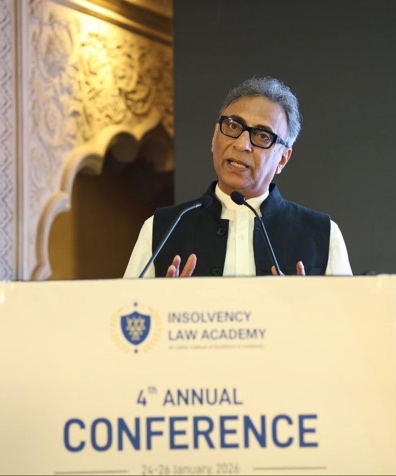
In his closing remarks, Mr. Batra reflected on the breadth and depth of discussions held over the course of the conference, noting the high standard of presentations and the rigorous preparation evident across sessions. He acknowledged the contribution of speakers, presenters, chairs, and commentators, whose collective engagement shaped the quality of the technical programme.
Mr. Batra expressed his appreciation to the Insolvency Scholars Forum and the Emerging Scholars Group for their role in advancing research, mentoring young scholars, and fostering academic leadership in insolvency law. He also acknowledged the guidance of the ILA Board, the support of institutional partners and sponsors, and the efforts of the organising team in delivering the conference.
Lastly, he reaffirmed ILA’s commitment to nurturing research-driven discourse, developing future leadership, and strengthening insolvency scholarship in India and internationally.