UAPA
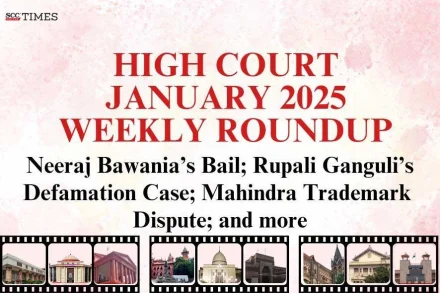
HIGH COURT JANUARY 2025 WEEKLY ROUNDUP | Neeraj Bawania’s Bail; Rupali Ganguli’s Defamation Case; Mahindra Trademark Dispute; and more
A quick legal roundup to cover important stories from all High Courts this week.
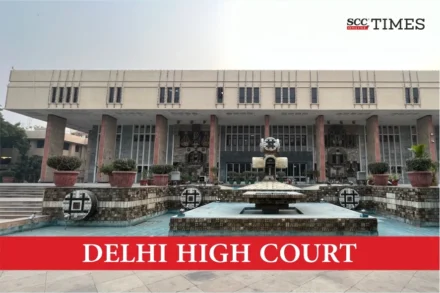
Support to terrorist organization monetarily or in the form of networking prohibited; Delhi High Court rejects bail appeal of LeT accused
When a terrorist organization like LeT is involved, which has already taken responsibility for various terror attacks in India, the tacit or active support to such an organization cannot be condoned in any manner.
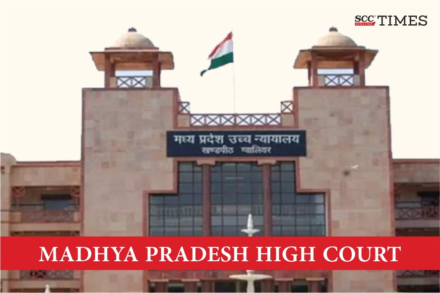
“Religious terrorism is tragic & dangerous phenomenon”; MP High Court denies bail due to strong prima facie evidence & National Security threat
“Religious terrorism is a tragic and dangerous phenomenon that distorts the true teachings of faith and causes immense harm to individuals and societies. While the roots of religious terrorism are deep and complex, it is crucial to understand that no religion inherently supports violence or terror.”
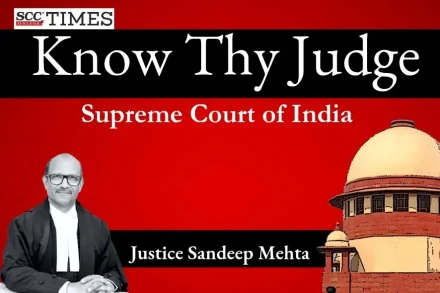
Know Thy Judge | Supreme Court of India: Justice Sandeep Mehta
Justice Sandeep Mehta, formerly the Chief Justice of Gauhati High Court, took oath of office as Judge of Supreme Court of India on 9-11-2023 and will be retiring on 10-01-2028.

HIGH COURT DECEMBER 2024 WEEKLY ROUNDUP | Stories on Harsh Beniwal; Swarn Rekha River Revival Project; Sabarimala Pilgrimage; and more
A quick legal roundup to cover important stories from all High Courts this week.
Delhi High Court grants bail to anti-CAA protest accused in money laundering case under PMLA and UAPA
Special statutes have stringent conditions for grant of bail but they should not become means to detain the accused without there being any possibility of concluding the trial, expeditiously. Merely charging an accused person under the provisions of these special statutes should not become a punishment in itself which violates Article 21.
Delhi High Court modifies sentences of technologically savvy ISIS terrorists who used their educational qualifications to promote terrorism
The appellants are technologically savvy persons who have made use of their educational qualifications to promote terrorism and incite offensive activities against the country. Such cases would have to be dealt with differently than cases involving innocent persons, who may have been pulled into crime without their knowledge.
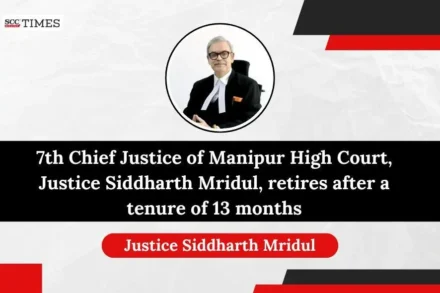
7th Chief Justice of Manipur High Court, Justice Siddharth Mridul, retires after a tenure of 13 months
Justice Siddharth Mridul started his legal career in 1986 from Delhi High Court and for 37 years served his parent High Court in the capacity of an Advocate and then a Judge. In October 2023, Justice Mridul took charge as the 7th Chief Justice of Manipur High Court.
Delhi High Court refuses to interfere in TGTE’s Plea for impleadment in LTTE Tribunal proceedings under UAPA
The petitioner claimed to be the Prime Minister of a trans-national government of Tamil Eelam and the impact of allowing such a person to intervene in UAPA proceedings, not being a member of the LTTE or an office bearer of the LTTE, is far reaching.
Mere allegations of close association with terrorist gang without specific evidence is insufficient; Jharkhand HC grants bail to UAPA accused
Mere presence of the antecedents will not lead to a presumption about the active involvement of the accused in any activity, without any material proof in support.
Criminal Law Roundup September 2024 | Stories on Kolkata Rape and Murder Case; Delhi excise policy scam; Cash-for-job scam; West Bengal Coal Scam; and more
In September 2024, the Supreme Court and various High Courts engaged in significant discussions on criminal law, focusing on critical issues such as Kolkata Rape and Murder Case; Delhi excise liquor policy scam; Cash-for-job scam. Key rulings emphasized the balance between individual rights and public interest. Overall, these discussions reflect a dynamic legal landscape committed to upholding justice amid evolving challenges.
UAPA| 14-Days timeline for grant of sanction mandatory; Validity of sanction to be ordinarily challenged at the earliest stage: SC
The Supreme Court clarified that the observations made in this judgment shall apply prospectively.
HIGH COURTS SEPTEMBER 2024 WEEKLY ROUNDUP| Read latest updates on Arvind Kejriwal; Manu Bhaker Interview row; DHFL Bank Fraud case; and more
Take a quick glance at what the High Courts were discussing in this late Monsoon season

‘Sluggish Investigation’; Uttaranchal HC grants default bail to accused persons in Haldwani Violence Case
The right to life and liberty is one of the integral part of the Constitution and it is the most sacred fundamental right and the custody of people in the name of various enactments and without adhering to the promptness of the investigation, cannot allow appellant to remain under incarceration.
Cases Reported in HCC
(2023) 2 HCC (Bom) GST—Offences and Penalties—Arrest and Detention—Input tax credit—Issue of fake invoices in favour of non-existing entities and passing on
Bending the Law Behind Bars — Legal Conundrum of Jailed-Candidates Contesting Elections in India
by Aditya Bharat Manubarwala* and Romit Nandan Sahai**
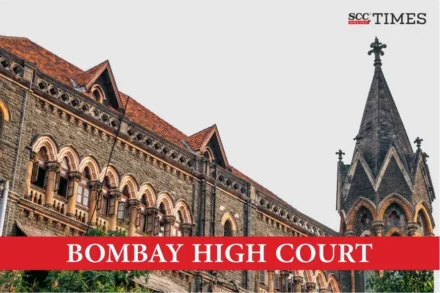
Bombay HC grants bail to persons accused under UAPA for alleged links with Dawood Ibrahim
Mere allegations of affiliation with Dawood Ibrahim do not attract the application of Section 20 of the UAPA; mere sharing of pictures of NDPS-prohibited substances does not attract the provisions of the NDPS.