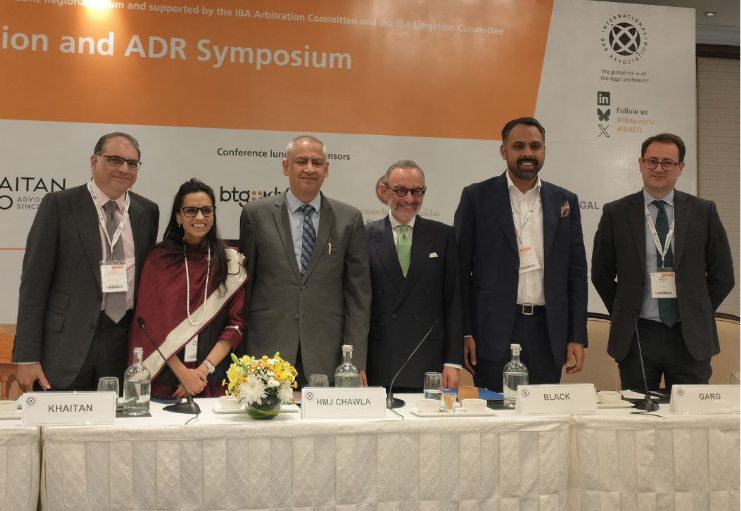

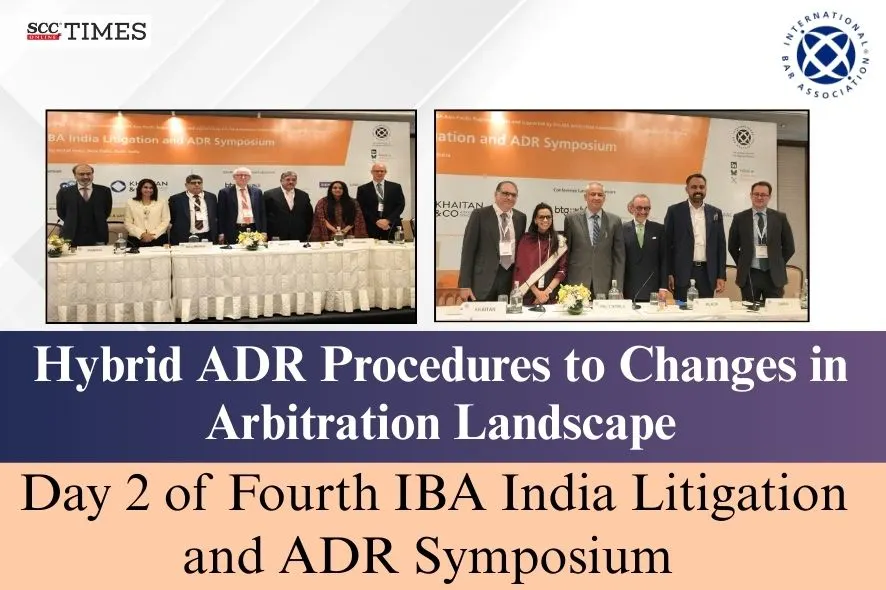
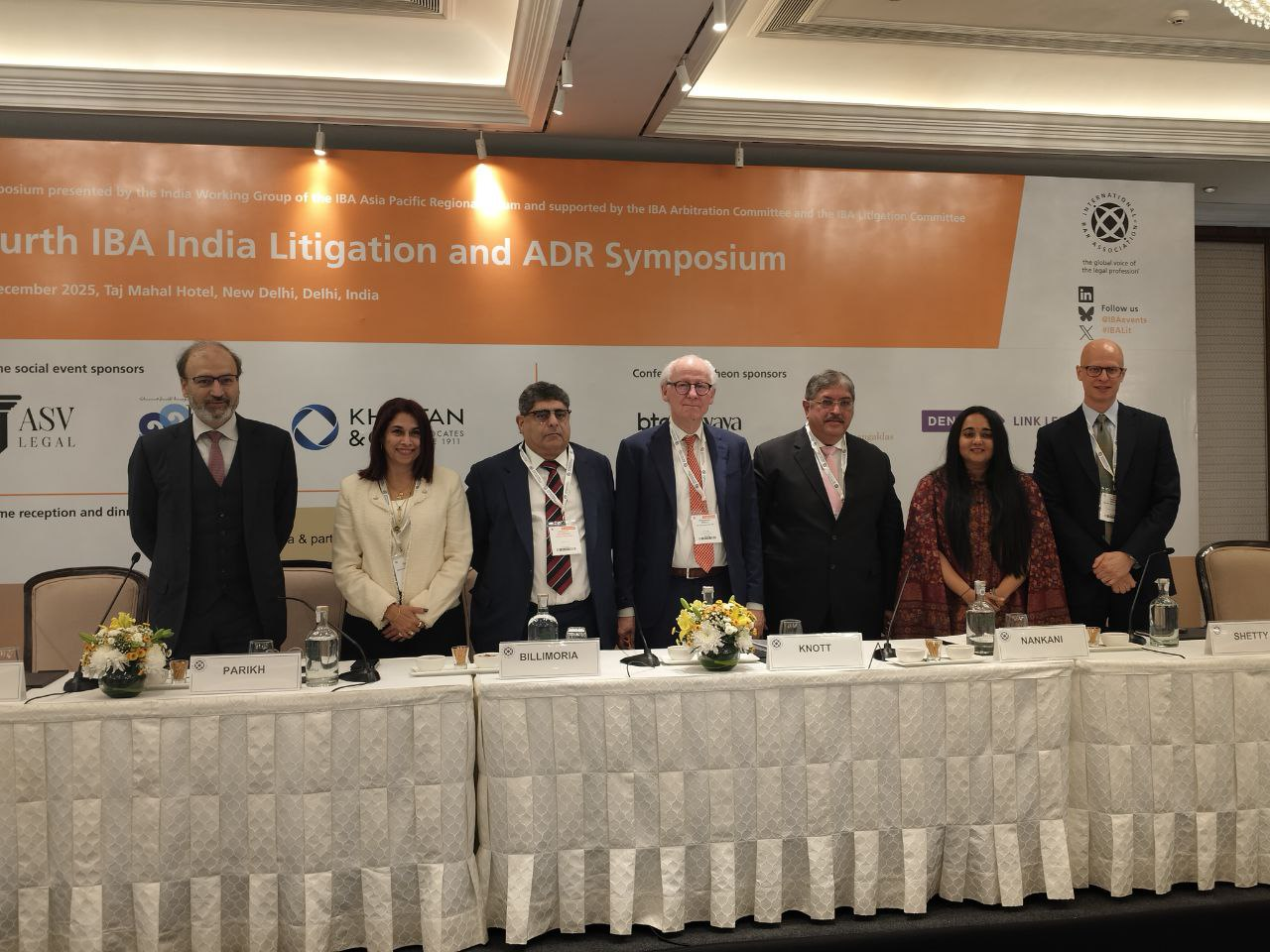
Organised by the India Working Group of the IBA Asia Pacific Regional Forum,and supported by the IBA Arbitration Committee and the IBA Litigation Committee, the IBA India Litigation and ADR Symposium was held on 5 and at the Taj Mahal Hotel, New Delhi, India.
SESSION 1: An arbitrator should also be competent to be an amiable compositeur or mediator

Session 1 of the Symposium opened with an incisive plenary session examining whether arbitrators should be empowered to assume settlement-facilitative roles, including acting as amiable compositeurs or mediators, and the limits of such hybrid models in contemporary ADR practice. The session was moderated by Ms. Shaneen Parikh, Partner, Cyril Amarchand Mangaldas & Co., and Mr. Arvind Nayar SA, Senior Advocate.

At the outset, Ms. Shaneen Parikh recounted a folktale about King Solomon serving as a mediator and mentioned how India had always followed mediation as depicted by the Panchayat system. She underscored that in a world where commercial relationships were increasingly cross-border and complex, parties were looking for an outcome that was not only legally sound, but also commercially sensible.
“Rigid adjudication may not always lead to the most meaningful solution.”
– Ms. Shaneen Parikh
Highlighting how clients wanted to balance their rights and entitlements with an efficient and commercial resolution, Ms. Parikh stated that now there was a need for an arbitrator to look for commercial resolution rather than simply take parties through formal arbitration. This was why the ability of an arbitrator to adopt a conciliatory or equity-driven or facilitated role becomes critical. Thus, the question was no longer whether arbitrators may assume such roles, but to ensure that while choosing an arbitrator, they are equipped both legally and ethically to do so.
Hence, Ms. Parikh remarked that there were issues to be confronted, such as maintaining impartiality and ensuring due process, particularly when an arbitrator is transitioning between an adjudicatory and a facilitated role, ensuring informed party consent when they act as enviable compositeurs or mediators and are considering the equities of the case. Furthermore, safeguards must be built to prevent challenges on the grounds of tariffs, breach of procedure or improper conduct. Efficiency and flexibility must be balanced with procedural integrity.
Lastly, introducing the panel, she underscored that the discussion at hand was central to the evolving architecture of dispute resolution.
Distinguishing between Arbitrator, Mediator, and Compositeur – Distinctions and Overlaps
Kicking off the discussion, Mr. Percival Billimoria, delineated the legal boundaries of each role, i.e., arbitrator, mediator, and compositeur. He underscored that unlike an arbitral award that can be challenged, a settlement cannot be challenged because the parties agreed to it, they do not get the opportunity to go back on their word. Regarding an arbitrator serving as amiable compositeur, he reaffirmed that an arbitrator may act as an only upon explicit party consent.

Furthermore, Mr. Billimoria explained that mediation and conciliation were not very different except the legal provisions. He stated that conciliation was a much more formal, rigid and interventionist method than mediation. However, the general rules were the same, i.e., confidentiality was critical and information disclosed during failed settlement attempts cannot be used in later adjudication.
Arbitrability and the Expanding Role of Mediation
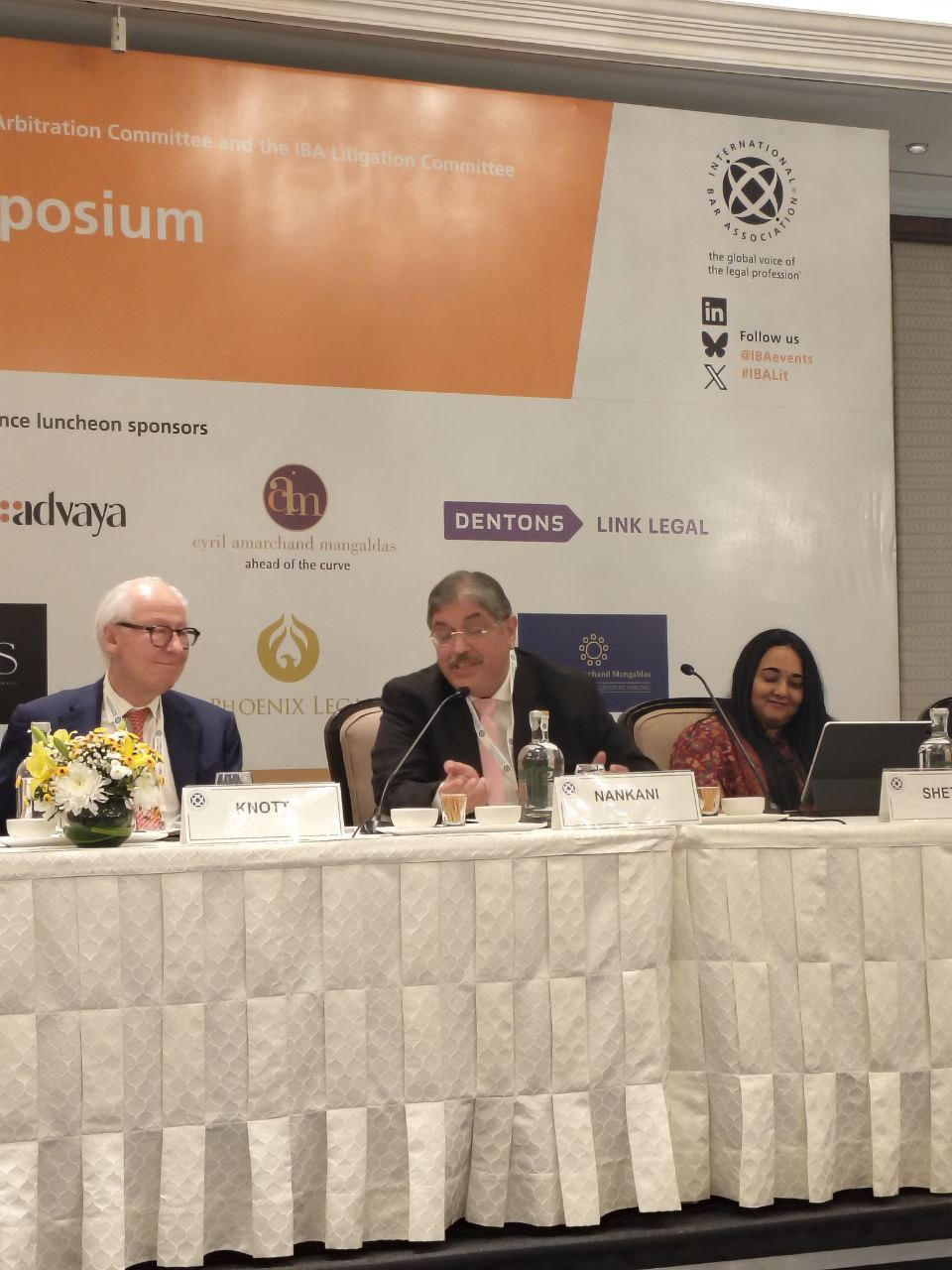
Taking the discussion forward, Mr. Vikram Nankani, Senior Advocate, reflected on India’s evolving ADR landscape. He commented that with arbitration increasingly mirroring the cost and duration of civil litigation along with enforceability concerns, mediation presents a compelling alternative. Referring to jurisprudence treating conciliation-based settlements,including those under Section 74 of the Arbitration and Conciliation Act, 1996 (“the Act”), as challengeable principally through Section 34, he noted the judiciary’s growing receptiveness to settlement agreements. He also highlighted the Mediation Act, 2023, and the global momentum generated by the Singapore Mediation Convention, to which India was a signatory, suggesting broader application of mediation even in complex domains such as insolvency and taxation due to its informal nature.
Parallel Mediation framework under Mediation Act:
Coming back to Mr. Billimoria, Ms. Parikh asked about the extent of arbitrators assuming mediatory roles or operating as amiable compositeurs in light of the Mediation Act which had its own structure, safeguards, and enforceability.
Mr. Billimoria responded by remarking that there was a newfound enthusiasm for judiciql mediation due to the heavy pendency in Courts. He opined that the Mediation Act merely provided a framework for a mechanism that already existed under Section 12A of the Commercial Courts Act, 2015. However, he stated that judicial mediation was slightly misused as parties would sometimes opt for it when the judge appeared to disagree with them.
Referring to the international practice wherein parties had to do an initial assessment of their main arguments before opting for the type of dispute resolution mechanism, Mr. Billimoria stated that Indian practitioners could adopt the same when their clients do not have a great chance of winning, thereby suggesting settlement.
“It’s also up to the bar, not just the arbitrators, not just the courts, but it’s also up to the Bar to act pragmatically.”
-Mr. Percy Billimoria
Mr. Arvind Nayar added that clients were usually resistant to mediation due to concerns regarding use of their statements made during mediation in a subsequent adjudication and lack of litigation fatigue, in family matters at least, which usually sets in after a year or more.
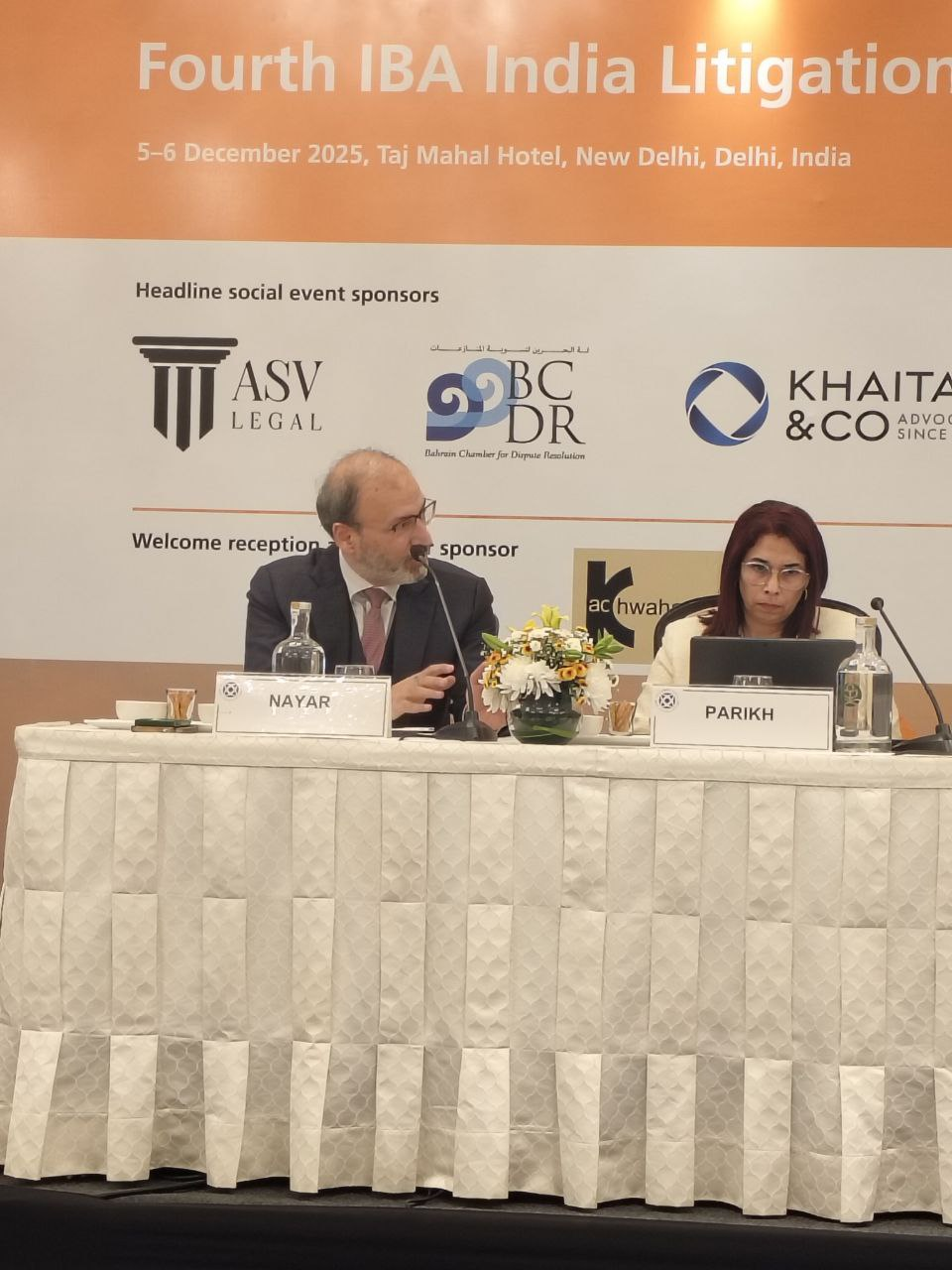
Advantages and Disadvantages of one person playing multiple roles:
Mr. Thomas R. Snider, Partner, Head of International Arbitration, Charles Russell Speechlys, stated that the advantages of a mediator acting as an arbitrator were efficiency, flexibility, party autonomy, speed and cost-effectiveness. However, there were certain disadvantages that stemmed from the difference between mediation and arbitration. While the mediator’s job was to get the parties to agree on a solution, the arbitrator’s job was to render a binding solution based on law and facts.
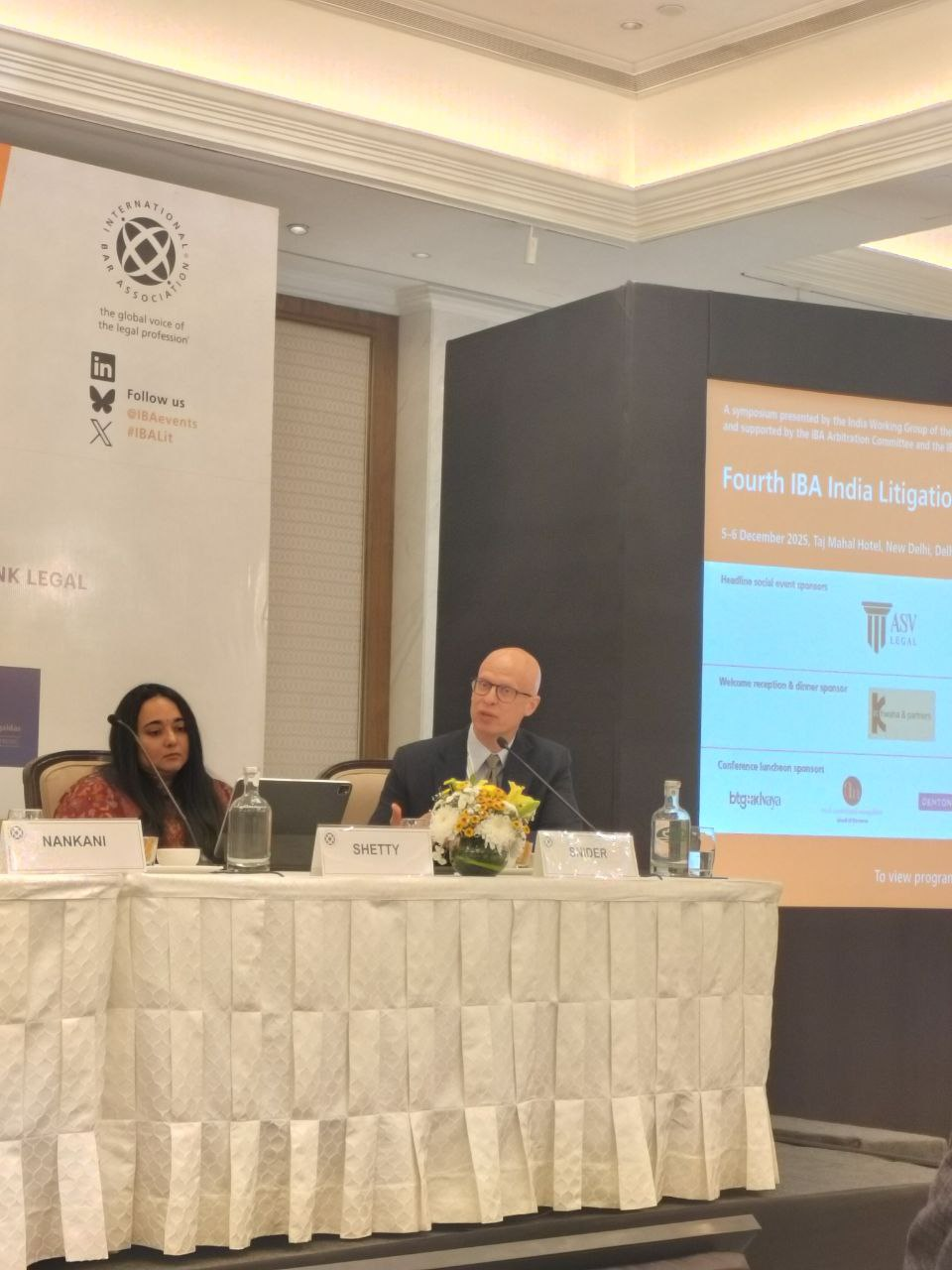
Furthermore, Mr. Snider stated that there were concerns regarding bias, conflict of interest, confidentiality. He explained that confidential information disclosed by parties to the arbitrator may create a subtle bias when the arbitrator becomes a mediator and the parties had no way to challenge that information, which impacted how parties approach mediation. If parties know that they might share information with the mediator, that may not guard it, and that increases the danger of the mediation process. It may not be as effective as it could be.
MED-ARB, ARB-MED-ARB, and Process Risks
Addressing the efficiencies of hybrid structures, Mr. Hermann Knott, Kunz Law, Cologne, and Projects Officer, IBA Mediation Committee, observed that a neutral familiar with the dispute can drive faster settlement. He commented on Mr. Snider’s remarks concerning bias, stating that the solution was the separation of roles of the adjudicative side of the dispute and the mediation-conciliatory side of the dispute. This, in his opinion, was the purpose of such hybrid mechanisms which provided the option of referring a case to a separate process or institution with different people on the decision-making side. In this regard, Mr. Knott referred to the process adopted by the Singapore International Arbitration Centre in collaboration with the Singapore International Mediation Centre.
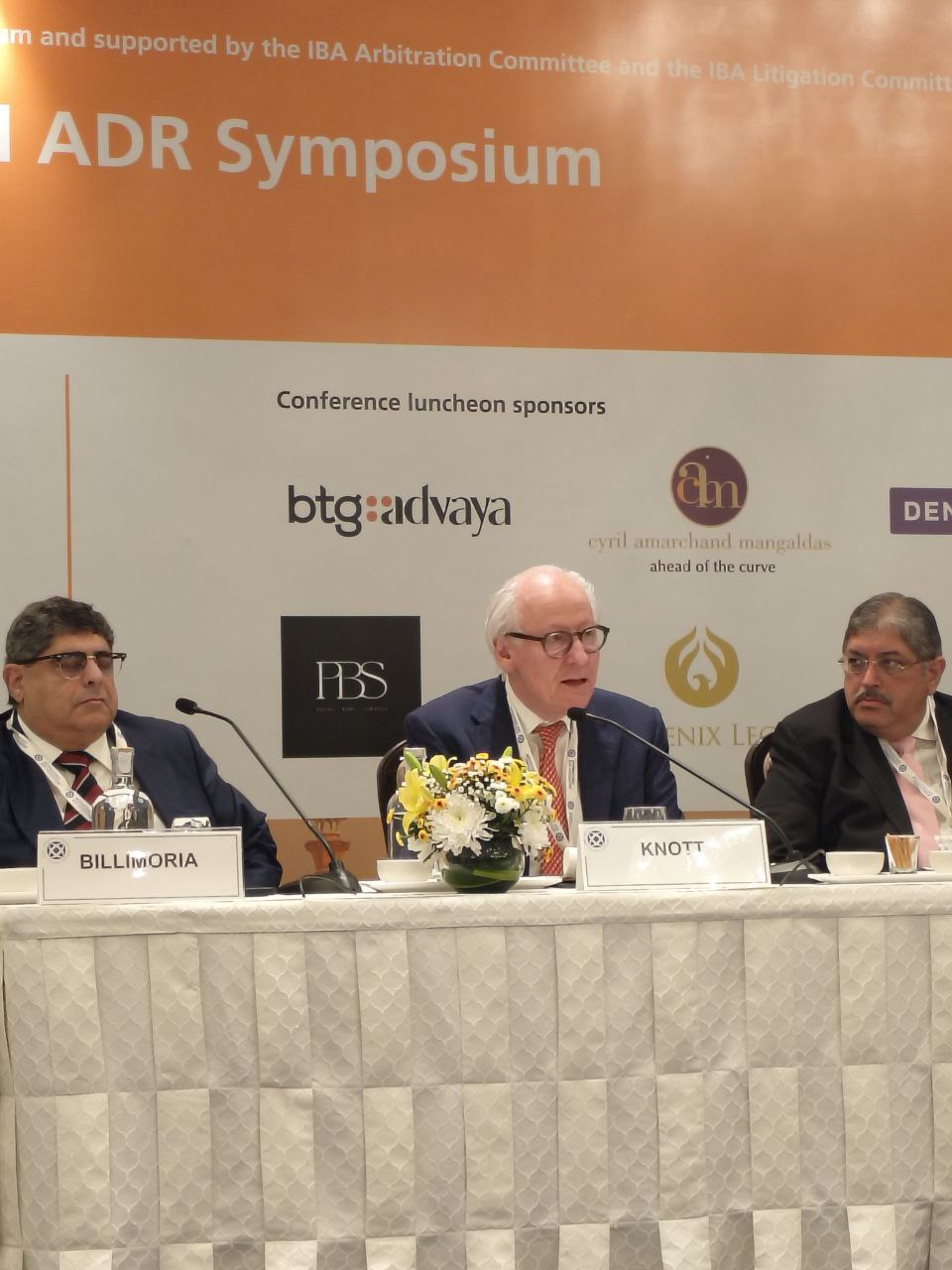
Furthermore, Mr. Knott illustrated comparative approaches of different jurisdictions:
Germany and Switzerland: Parties were not reluctant to refer to arbitration, and Courts and Tribunals routinely encourage settlement.
-
China: Arbitration Rules explicitly empowered tribunals to conciliate in a manner considered appropriate which gave an active role to the Tribunal.
-
Singapore and Hong Kong: Permit mediatory roles subject to mandatory disclosure safeguards.
-
UK and US: Usually discourage blending mediation with arbitration.
Process Design, Consent and Practical Considerations
From a practical perspective, Ms. Priyanka Shetty, Partner, AZB & Partners, underscored that consent, flexibility and process integrity were pivotal to the legitimacy of hybrid pathways. She emphasised that trust often determines which structure parties select. For multi-jurisdictional, high-value disputes, multi-party or multi-contract disputes, or joint venture divorces, she suggested ARB-MED-ARB as a more secure model, preserving limitation timelines while allowing structured transitions into mediation and maximising both processes.
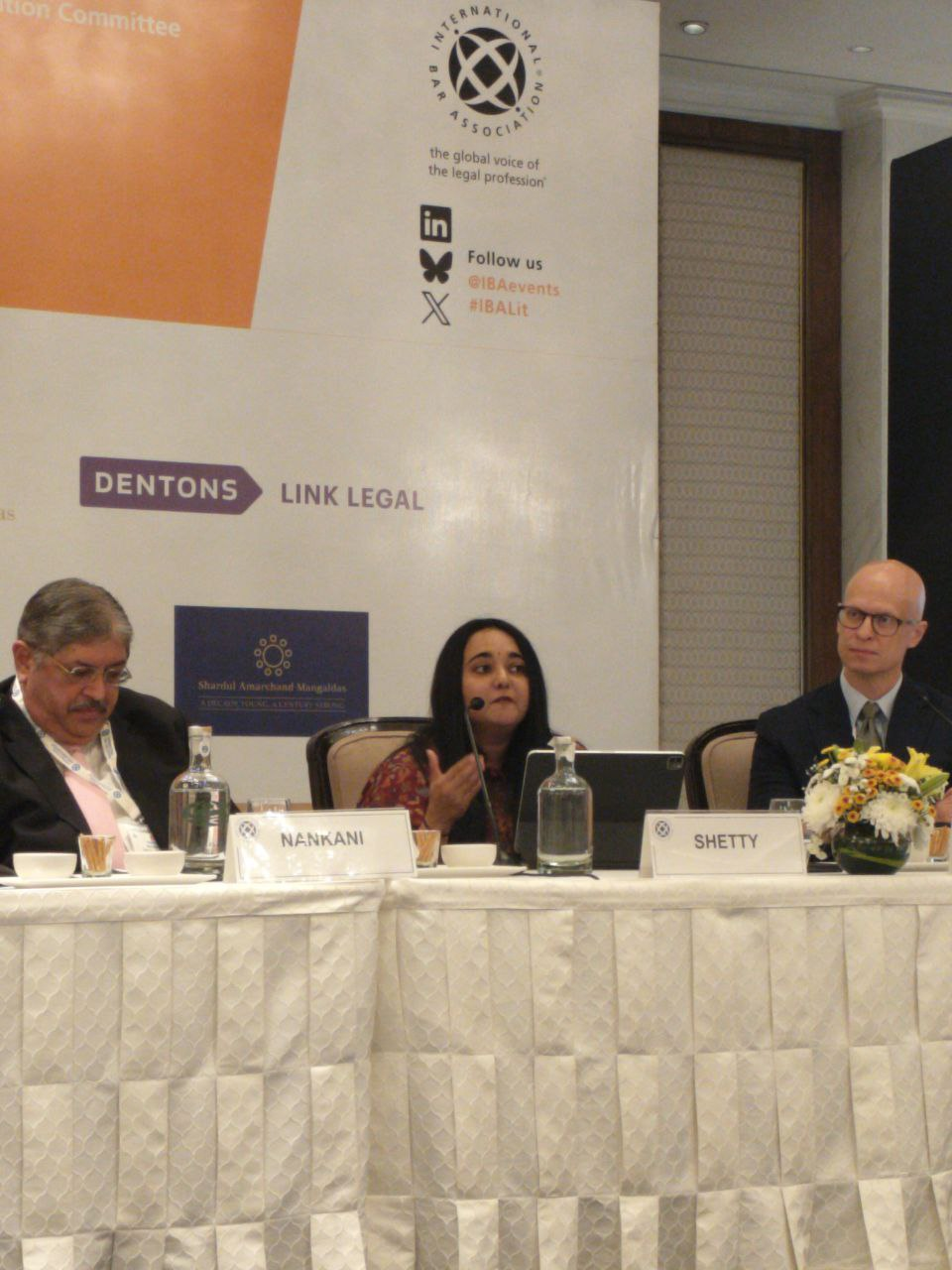
Ms. Shetty further stated that for Indian law contracts, MED-ARB was a common process which allowed parties to settle some things and sort the rest in arbitration, thereby avoiding the full expense of an arbitration. However, ARB-MED process was a last-ditch effort when pleadings are complete, and parties have a realistic assessment of their claims. Where only quantum or limited issues remain, ARB-MED may expedite closure.
Safeguards to Preserve Impartiality in Hybrid Mechanisms
Mr. Nankani underscored some procedural safeguards and good practices/principles that can be adopted in hybrid mechanisms:
-
Strict due-process orientation
-
Clear documentation of procedural stages (without disclosing the exact discussion)
-
Distinct training for mediatory and adjudicatory roles
-
Robust disclosure protocols and transparency
Closing Observations
The panel further discussed potential risks in hybrid mechanisms, issues during enforcement in awards by arbitrators turned mediators and vice versa, training as a mediator and arbitrator, conflict of interest, enforcement of international settlement agreements in India, impact of Singapore Mediation Convention,
Lastly, the session concluded with a broad consensus: hybrid dispute-resolution models are increasingly relevant, but their durability depends on informed consent, procedural clarity, and cautions against role fusion. With robust frameworks and institutional support, arbitrators can guide parties toward efficient and equitable outcomes without undermining neutrality or challenge-resistance.
SESSION 2: What are the new rules, methodologies and developments in arbitration law and practice? Are the new amendments proposed for India’s arbitration law likely to be game changers? How do these compare with the recently enacted UK Arbitration Act 2025?
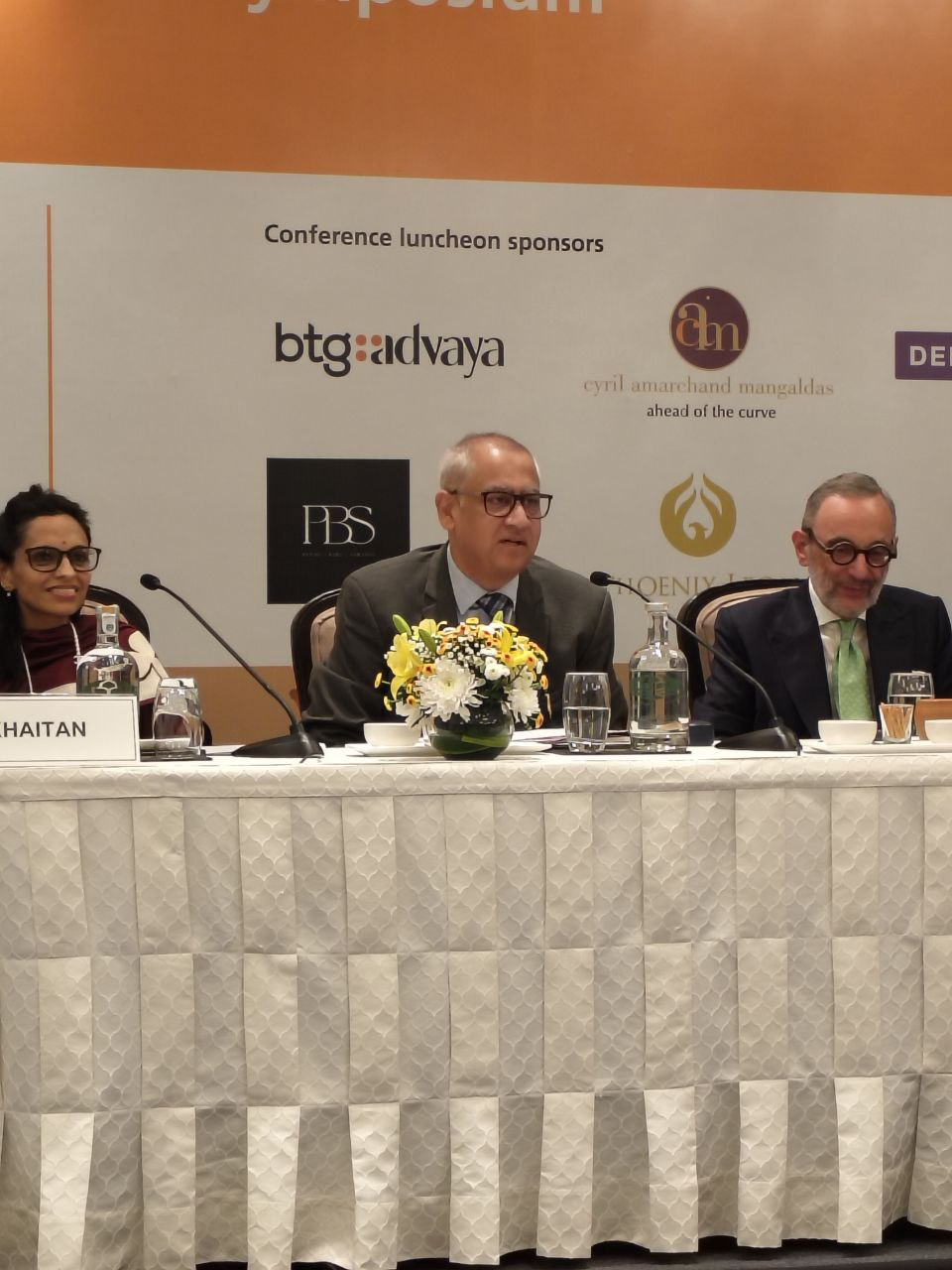
This session was moderated by Mr. Soli Cooper, Senior Advocate, and Ms. Nandini Khaitan , Partner, Khaitan & Co., whereas the panellists consisted of Justice Navin Chawla, Judge, Delhi High Court; Justice Michael Black KC, DIFC Courts Court of Appeal, Dubai; Mr. Shashank Garg, Senior Advocate, New Delhi, and Membership Officer, IBA Arbitration Committee; and Mr. James Langley, Partner, Dentons, London.
Opening Framework: Indian Amendments under the Lens
At the outset, Justice Navin Chawla spoke about amendments proposed to the Act, emphasising that he would confine himself to a few provisions that, in his view, could significantly recalibrate arbitration practice in India.
-
Introduction of Section 11(6A): He addressed the introduction of Section 11(6A) to the Act which shortened the limitation for appointment of an arbitrator once the agreed procedure has failed or a request has been declined from three years to 60 days. Referring to the Supreme Court’s decision in BSNL v. Nortel Networks (India) (P) Ltd., (2021) 5 SCC 738, he explained that the current position effectively permits a three ,year limitation period under the Limitation Act for the underlying cause of action, followed by a further three ,year period arising from the failure to appoint the arbitrator under Section 11(6A); resulting in three plus three, six years only for initiation on arbitration. Calling this outcome antithetical to the very purpose of arbitration, he welcomed the proposal that, once the appointment mechanism fails, parties must move the court within a much shorter, statutorily prescribed period.
-
Appellate Arbitral Tribunals and the Scope of Section 34: Turning to the proposed concept of an Appellate Arbitral Tribunal, Justice Chawla noted that intra ,arbitral appellate mechanisms are not unknown to Indian practice; for instance, stock ,exchange arbitrations already envisage internal appeals, with only the final award being challenged under Section 34. However, the draft amendments contemplate vesting Section 34, type powers in an Appellate Arbitral Tribunal. In this regard, Justice Chawla referred to the decision in Centrotrade Minerals & Metals Inc. v. Hindustan Copper Ltd., (2020) 19 SCC 197. This would effectively convert challenges to awards into two types of processes:
-
An appeal can be filed before an Internal Appellate Arbitral Tribunal for a full second assessment or a review within the parameters of Section 34; and
-
In an institutional arbitration, a separate remedy of Section 34 is provided and then an appeal will lie under Section 37 before the Courts.
-
-
Acceptance of partial setting aside of an award: While referring to the landmark decision of Gayatri Balasamy v. ISG Novasoft Technologies Ltd., (2025) 7 SCC 1, Justice Chawla opined that this amendment reflected the widely accepted concept of setting aside an arbitral award partially. He also opined that Courts should have the power to modify the award to curtail further litigations because often only a discrete component of the award is vitiated, and the remainder can be preserved without forcing parties into a complete re, arbitration.
-
Introduction of emergency arbitration: He stated that since this provision had not been used much, it was yet to be seen how giving the power of Section 9 to an emergency arbitrator would pan out.
He also shed light on the obligation to disclose previous or current arbitrations on the same subject matter or contract under Section 11 and Section 34 petitions.
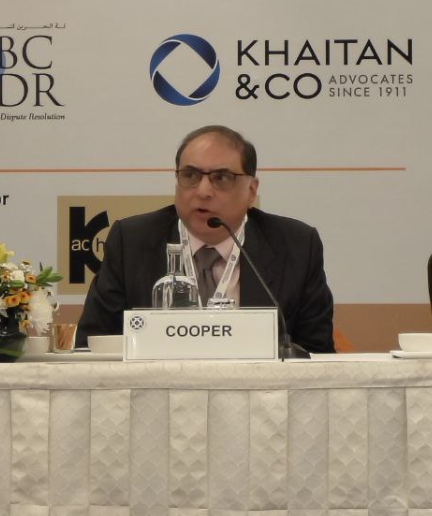
Mr. Soli Cooper picked up this thread, agreeing with Justice Chawla that the Appellate Arbitral Tribunal could either conduct a second hearing by reviewing everything on merits or be limited to conditions under Section 34. He remarked that this had concerns surrounding appointment of a layman by the parties or presence of institutional bias if the arbitrator was appointed by an institution.
Mr. Cooper further stated that empowering courts to “modify” arbitral awards during a Section 34 challenge would inevitably entail a re-examination of the merits, which the present statutory scheme does not permitted also questioned why conciliation provisions were removed and why the award was now required to be stamped by the arbitrator.
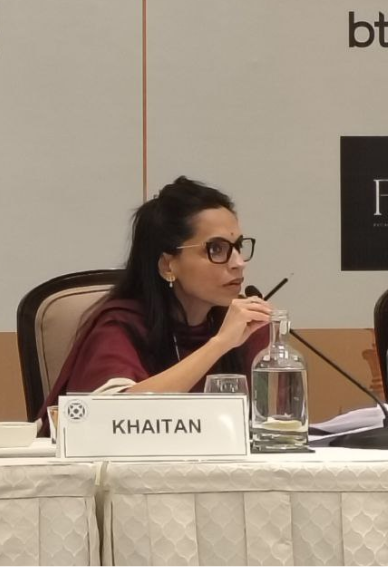
Ms. Nandini Khaitan echoed the concerns surrounding stamping the arbitral award and illustrated one case where the parties disputed the award for three years due to disagreement on the amount of stamp duty.
Patent Illegality, Public Policy and the Council

Justice Michael Black KC then placed India’s proposals in comparative perspective. He began by welcoming several modernising aspects, in particular, recognition of emergency arbitrators supported by a Section 9A-type provision, and clearer statutory articulation of seat and venue, noting that such issues have been contentious in many jurisdictions, not just India.
However, he expressed strong reservations on two points:
-
Reintroduction of patent illegality for international awards: He remarked that many international practitioners would regard this as a “seriously retrograde step”, likely to discourage parties from seating arbitrations in India and pushing them toward seats such as London, Paris, Singapore or Dubai.
-
Public policy uncertainty and the role of the council: He noted that public policy has long been a concern in India and that the proposed amendments do not meaningfully clarify what constitutes the “fundamental policy of Indian law.” He also questioned the importance and necessity of the Arbitration Council, suggesting that from an international viewpoint it may appear as “another avenue of government interference”, dissuading parties from seating awards in India.
On modification vs. remission, he observed that jurisdictions following the English model typically remit awards back to tribunals, allowing courts to issue clear directions and sanctions for non-compliance, thus preserving party autonomy and the principle that courts do not review merits. In his view, shifting to judicial modification would move India further away from UNCITRAL Model Law and New York Convention orthodoxy.
Following Justice Black’s remarks and Mr. Cooper’s concerns, Justice Chawla clarified that his suggestion regarding “modification” was never intended to expand courts’ merits jurisdiction. Using the example of interest rates inconsistent with contractual terms, he explained that he envisaged targeted corrections where the error is patent and confined, not a broader re-evaluation of evidence or findings.
Taking the conversation further, Ms. Khaitan contextualised India’s amendments against reform cycles in France, Singapore, China (2026), DIFC and Germany.
She highlighted internationally converging themes:
-
rising emphasis on integrity and disclosure standards,
-
greater liberalisation of joinder and consolidation powers, and
-
a steady move toward institutional over ad hoc arbitration.
She contrasted this with the UK’s movement, which avoided legislating third-party funding despite having a developed ecosystem suggesting that India should weigh whether regulation by statute or by market practice is the superior pathway.
UK Arbitration Act 2025: Selective and Targeted Reform
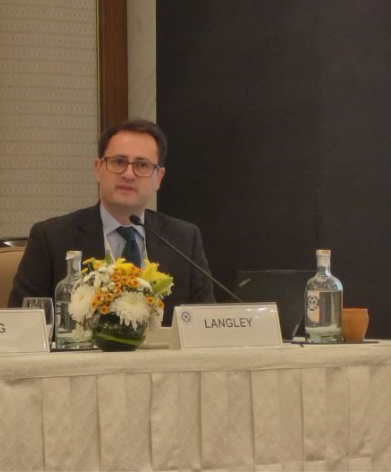
Regarding the recent amendments in the UK Arbitration Act, Mr. James Langley explored the UK Arbitration Act 2025, describing it as a statute of targeted modernisation that largely codified and refined existing principles rather than overhauling the system.
Key points included:
-
Governing law of the arbitration agreement: The Act now clearly provides that, absent express choice, the law of the arbitration agreement may differ from the law governing the underlying contract, effectively reversing the earlier position and offering welcome clarity, though not without controversy.
-
Codification of arbitrator disclosure duties: Building on Halliburton v. Chubb, arbitrators are now under a continuing duty to disclose circumstances that might give rise to justifiable doubts about their impartiality, codifying what was previously common law.
-
Expanded arbitrator immunity: Immunity has been extended to scenarios involving removal applications and resignations, subject to exceptions for unreasonable circumstances, thereby reducing the risk of cost exposure for arbitrators in such situations.
-
Summary dismissal powers: The Act expressly recognises a tribunal’s power to summarily dismiss claims or defences that have “no real prospect of success”, aligning arbitral practice more closely with summary judgment thresholds in English Court proceedings and codifying what many believed was already implicit.
-
Section 44 and third parties: The Court’s powers in support of arbitration including directions as to evidence and preservation of property have been clarified to extend to third parties, resolving earlier controversy under English law.
-
Emergency arbitrators: While the Act itself says relatively little, it provides that orders of emergency arbitrators may be treated as peremptory orders, and thus enforced by courts, likely increasing the attractiveness and use of emergency arbitration.
-
Section 67 and jurisdictional challenges: The Act now constrains automatic full re-hearings on jurisdiction, addressing concerns that such proceedings had become lengthy, which was inconsistent with arbitration’s ethos.
PSUs, Two-tier Mechanism, Seat—Venue Clarity and Emergency Arbitration

Regarding the proposed amendments considering India’s goal of becoming an arbitration hub and deletion of arbitration clauses from government contracts, Mr. Shashank Garg examined the issue of public sector undertakings (PSUs) opting out of arbitration.
He observed that PSUs, which have in recent years moved away from arbitration, might feel more comfortable returning to it with new and clearer two-tier mechanisms under Section 34 and a more predictable award-challenge structure. He referred to Centrotrade (supra) to illustrate how earlier contractual two-tier models allowed re-arbitration before a new tribunal, whereas the current draft proposes appellate tribunals with Section 34-like powers under institutional oversight, a shift he considered “tricky” and in need of close testing.
He then welcomed the proposed amendment to Section 20, replacing references to “place” with “seat”, calling it a “very welcome step” that would finally dispose of recurring and avoidable seat—venue litigation. At the same time, he expressed reservations about a draft option that would assume seat based on cause of action, warning that this undermines party autonomy and should only operate as a fallback where the seat is not specified.
On emergency arbitration, Mr. Garg supported statutory recognition but highlighted a practical disconnect: despite contractual clauses providing for institutional arbitration and emergency relief, parties frequently approached Courts under Section 9, and Courts rarely redirect them back to emergency mechanisms. He cautioned that if parallel jurisdiction is left open allowing parties to choose between an emergency arbitrator and a court parties will predictably gravitate toward courts, undermining the utility of emergency arbitral processes.
Third-Party Funding
Regarding third-party funding in the Indian context, Justice Chawla stated that it would be an important step, possibly positive, as some parties may not have means to go against the mighty State or a well-funded party. However, he underscored the importance of disclosures.
Adding to the discourse, Justice Black remarked that in theory third party funders may provide access to justice, but in reality they were there to make profits, thus they would not support individual claims, rather they would fund large class-action or commercial litigations. He underscored concerns surrounding control exercised by funders over the proceedings.
From the perspective of England, Mr. Langley referred to continuing controversy over damages-based agreements (DBAs), noting that uncertainty about what qualifies as a DBA has troubled funders in an otherwise successful London funding market.
Regarding Indian perspective, Mr. Garg referred to a Division Bench judgment that explicitly described third-party funding as a “modern take on access to justice” and embraced it in principle, while holding that enforcement against a third-party funder under Section 9 is impermissible where the award does not grant relief against the funder. He pointed out that the judgment presently stands, an SLP having been filed but accompanied by an application for withdrawal.
Mr. Garg further explained that India is moving toward a self-regulatory model, noting that he and others are working through an Indian Association of Funders to develop modern guidelines for third-party funding, drawing from best practices in developed jurisdictions.
AI and Professional Responsibility
The session ended with a brief but pointed segment on artificial intelligence and legal practice. The juges on the panel, i.e., Justice Chawla and Justice Black stated that it was the counsel’s responsibility to ensure validity of their information, and they decided cases based on cogent evidence.
Mr. Garg remarked that AI currently carries a negative connotation many assume that AI-assisted work implies lack of application of mind. He echoed the view that AI was “here to stay”, emphasising the need to adapt, embrace, and deploy it efficiently. He opined that once reliability improves and hallucinations are controlled, AI could be “a game changer”, particularly in addressing delays in the Indian system.
Lastly, Mr. Langley agreed that AI was clearly useful for research and drafting but cautioned against unverified citation work, noting recent English cases where authorities had been fabricated.