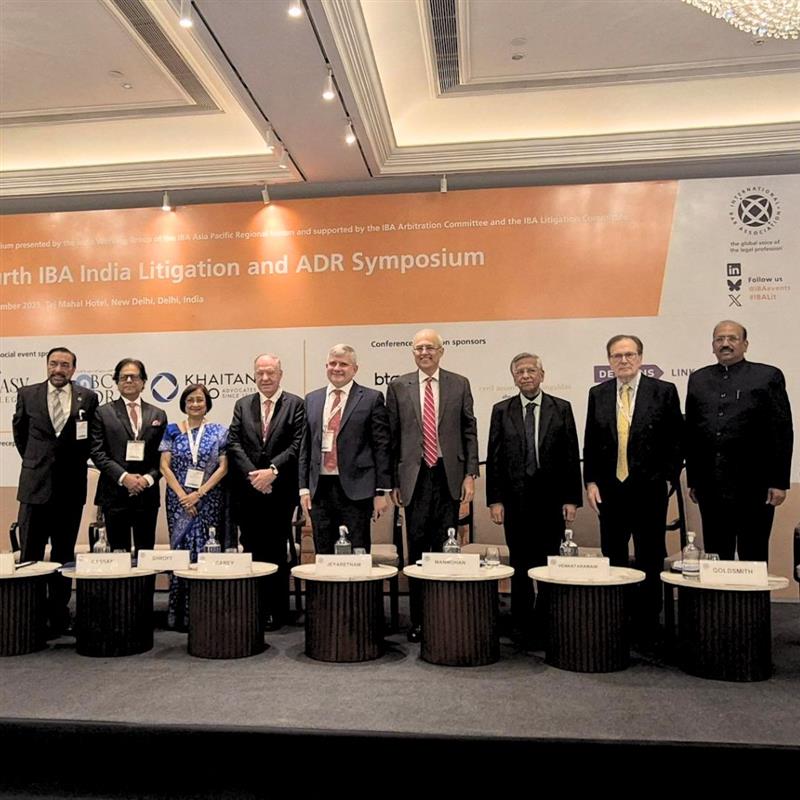
The IBA ADR Symposium 2025 gave a platform to leading legal professionals and esteemed luminaries from across the globe to discuss emerging trends, challenges, and innovations in litigation and alternative dispute resolution.
Theme and Significance
The Symposium serves as the flagship initiative of the IBA’s India Working Group (‘IWG’) and is designed to deepen India’s engagement with global legal discourse, particularly in litigation and ADR. The event coincided with significant developments in cross-border investment, evolving arbitration norms, and increasing complexity in commercial disputes, reinforcing its global relevance.
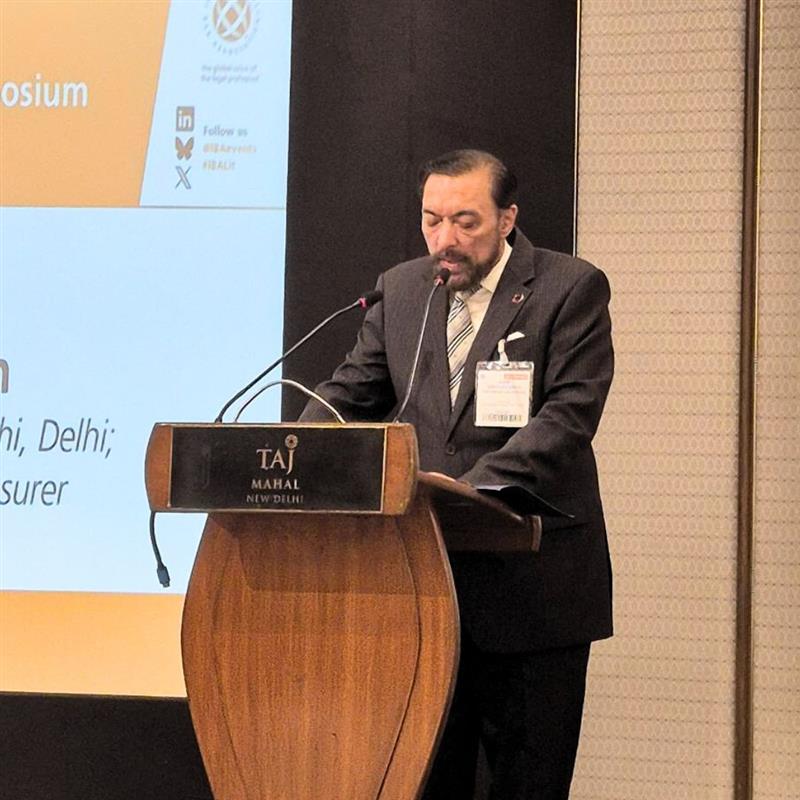
Mr. Amir Singh Pasrich, International Law Affiliates and LPD Secretary-Treasurer / IBA Treasurer, in his welcome address, outlined the global scale of the IBA, stating that the organisation comprises thousands of lawyers and hundreds of bar associations with representation across nearly every continent. He encouraged participants to view the Symposium as a platform to “drive the future of the profession” by harnessing international exposure and shared knowledge.
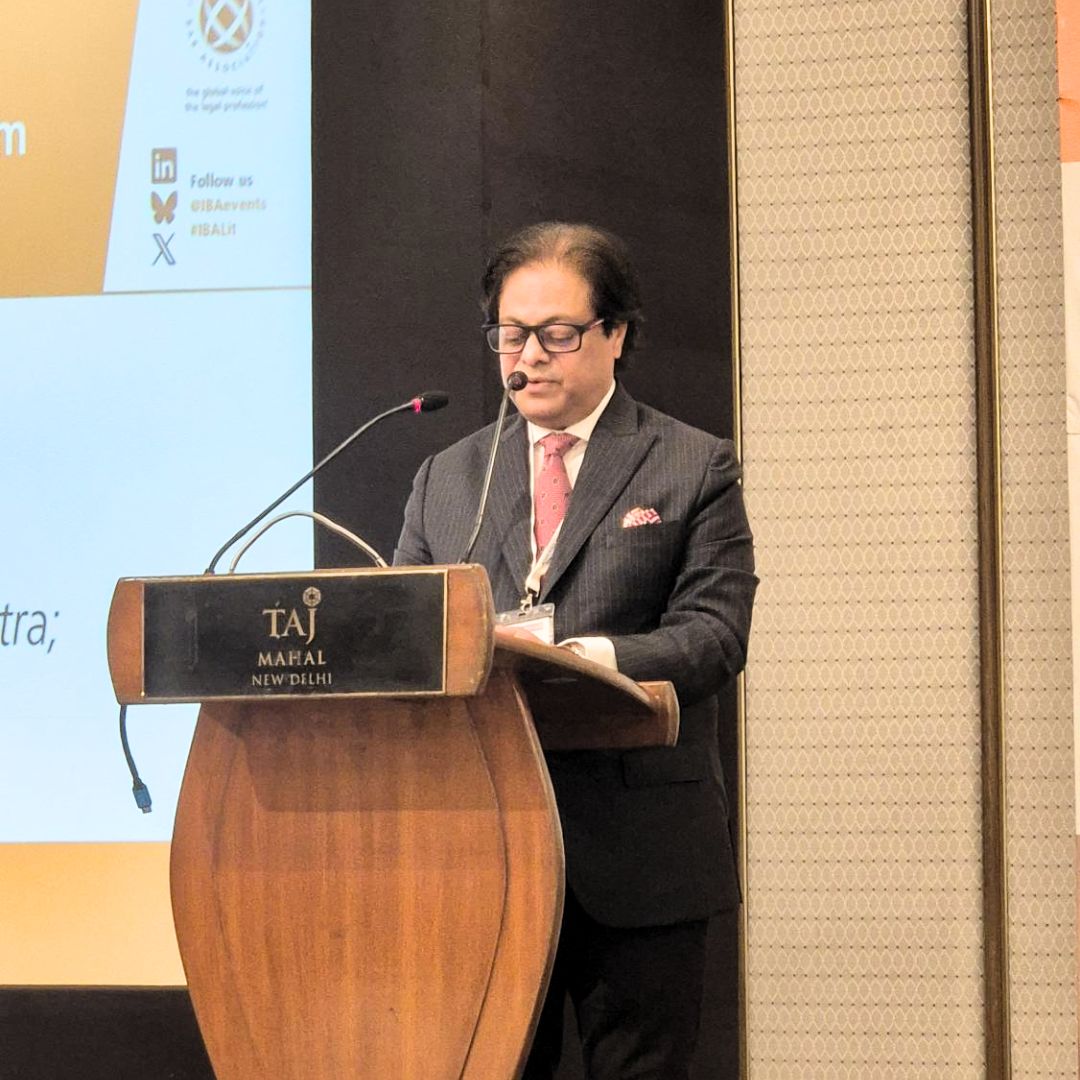
Taking the symposium forward, Mr. Nusrat Hassan, Dentons Link Legal and India Working Group, IBA Asia Pacific Regional Forum, highlighted that the IBA, established in 1947, is the world’s premier organisation for international legal practitioners, with over 80,000 lawyers across 170 countries, and has greatly shaped his vision of the profession over 25 years of membership. He emphasised IBA’s deepening engagement in India, now with over 1,000 members, fostering global legal dialogue and providing young Indian lawyers opportunities to connect internationally. He also cited IBA’s activities in India across multiple disciplines and generations.
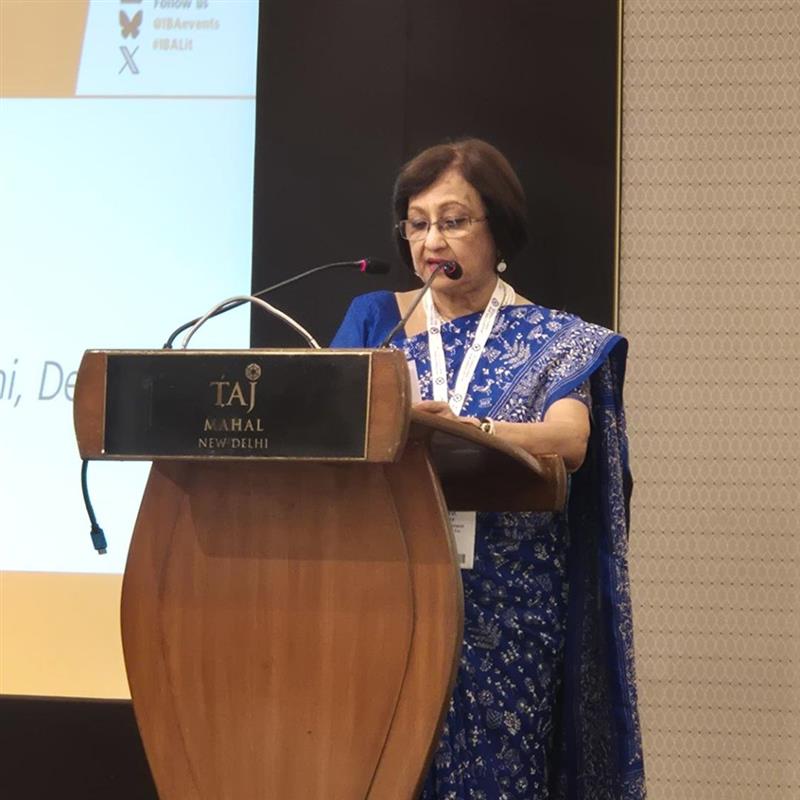
Continuing the discussion, Ms. Pallavi Shroff, Shardul Amarchand Mangaldas & Co, India Working Group, IBA Asia Pacific Regional Forum, explained that the India Working Group engages with governmental organizations, bar associations, chambers of commerce, and other stakeholders to enhance the IBA’s profile, extend its outreach, and advance its objectives. She outlined that the Group, composed of around 40 selected members, organizes conferences, workshops, and webinars on topics such as tech law, Foreign Direct Investment (‘FDI’), arbitration, litigation, white-collar crime, intellectual property, and social media governance. She also highlighted programs for young lawyers, including advocacy workshops and skill-building sessions, and emphasized the ongoing efforts to host an IBA conference in India, encouraging broad participation to strengthen the IWG and IBA’s mission.
IBA’s Evolving Role and India’s Significance
Ms. Pallavi Shroff highlighted that the India Working Group, conceived in 2016, acts as a bridge between Indian practitioners and the international bar. Through conferences, workshops, webinars, and collaborations with state legal bodies, the IWG has strengthened India’s engagement with the global legal community. Initiatives highlighted during the opening session included:
-
Training programmes for young lawyers
-
Forums focused on mergers and acquisitions
-
Technology law-centric events
-
The annual Litigation and ADR Symposium
-
Collaborative programmes on geopolitics and foreign investment
Global Perspectives: Special Address by Mr. Jaime Carey, IBA President
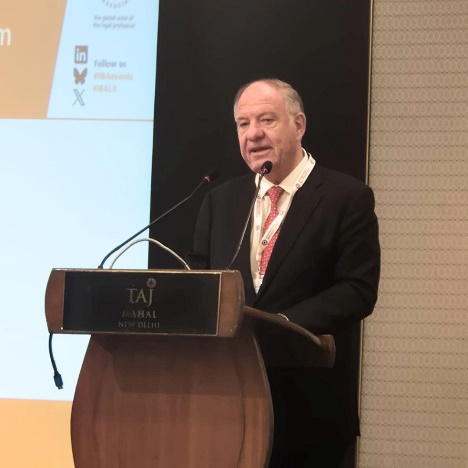
One of the highlights of Day 1 was the special address by IBA President, Mr. Jaime Carey. He emphasised his priority this year to bring the IBA closer to Asia and Africa and noted that, before the end of his term, it was important for him to visit India. He spoke of engaging with the Bar Council and bar associations to potentially host a Bar Leaders Conference next year, aiming to strengthen ties and put India in the spotlight within the IBA.
Mr. Carey highlighted that the IBA represents 190 bar associations worldwide, over 80,000 individual lawyers, and around 350 major law firms, positioning it as the global voice of the legal profession. He also underlined the IBA’s focus on artificial intelligence, noting its role in leading global discussions on regulatory, ethical, and other aspects. To this end, he proposed establishing an IBA Artificial Intelligence Institute, with dedicated funding and technical expertise, to make a meaningful impact in the field.
Lastly, Mr. Pasrich highlighted a key initiative of the IBA, the Accelerating Justice Project, which originated from the earlier India Project. Approved and funded by the IBA, the project will conduct a detailed study of India’s legal system as its first case study, aiming to propose reforms and improvements to adapt inherited colonial laws to the Indian context. He noted the unique aspects of the Indian judiciary, including judicial patience and procedural flexibility, which require thoughtful adaptation rather than strict replication of foreign systems.