








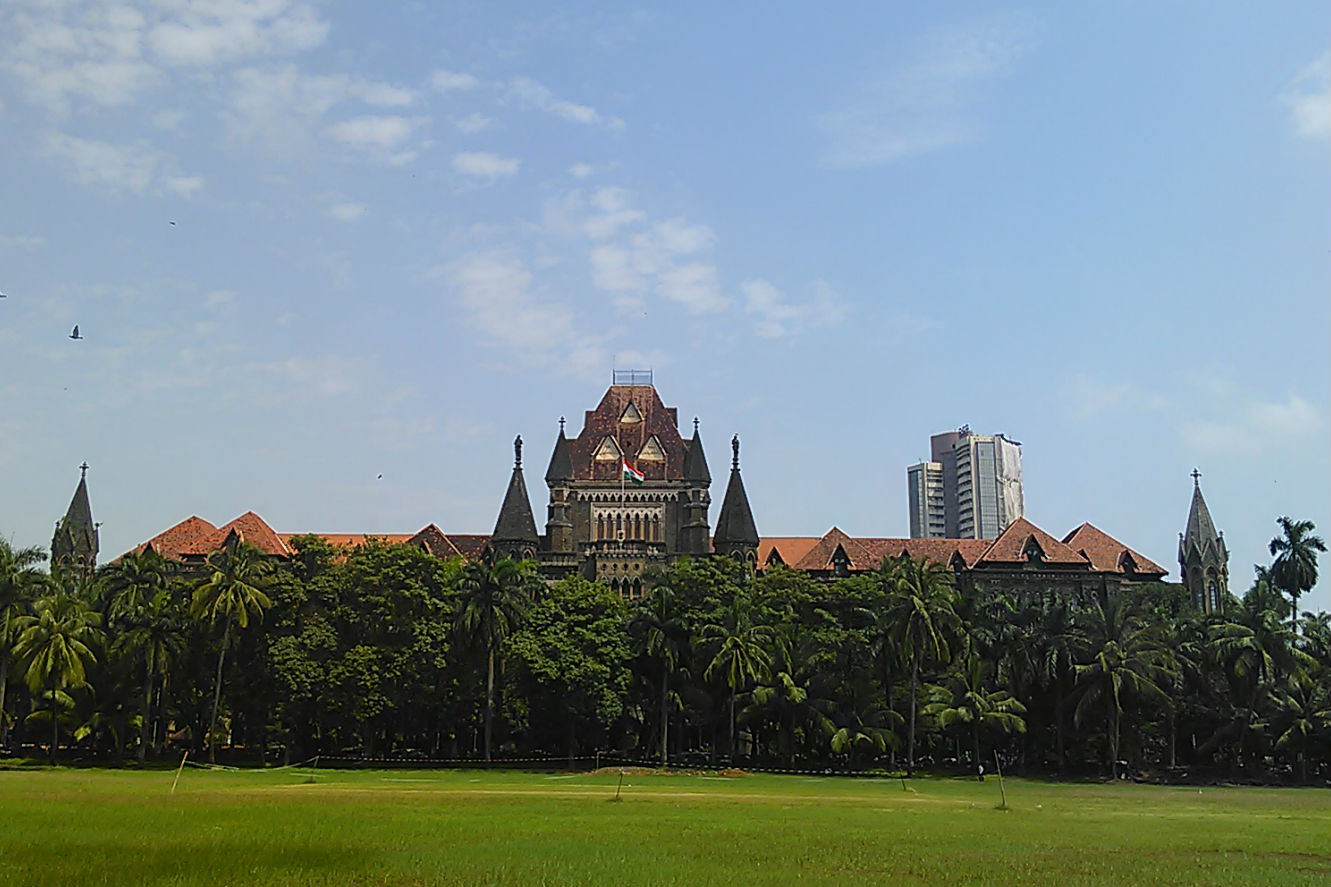
Bombay High Court: A Division Bench comprising of V.K. Tahilramani, Acting CJ and M.S. Sonak, J. dismissed a petition challenging the rejection of petitioner’s application for grant of furlough.
The petitioner was convicted for the offences punishable under Sections 302, 341 and 397 IPC. He preferred an application for furlough, which was rejected. The petitioner preferred an appeal thereagainst, which too was dismissed. Aggrieved thus, the petitioner filed the instant criminal writ petition. The application of the petitioner to be released on furlough came to be rejected in view of Rule 4(2) of the Prisons (Bombay Furlough and Parole) Rules, 1959. The said rule provides that the prisoners convicted under Sections 392 to 402 IPC (both inclusive) shall not be eligible for grant of furlough.
The High Court, referring to earlier decisions, observed that Rule 4(2) is valid and intra vires and not vulnerable to challenge to the charge of being violative of Article 14 of the Constitution. In offences falling under the said sections, it would be hazardous to release convicts on furlough because when one abandons honest labour for the career of theft or intimidation coupled with violence, it tends to become a way of life and the temptation is too great to resist when the prisoner is at large. The offences of dacoity and robbery fall within a class by themselves. Thus, the classification is based on the danger inherent in releasing such prisoners and has a nexus with the object sought to be achieved. In view of the same, the High Court was not inclined to interfere in the matter. The petition was, accordingly, dismissed. [Sunil Gaurishankar Kharwar v. State of Maharashtra, 2018 SCC OnLine Bom 2450, dated 07-08-2018]









0 replies