








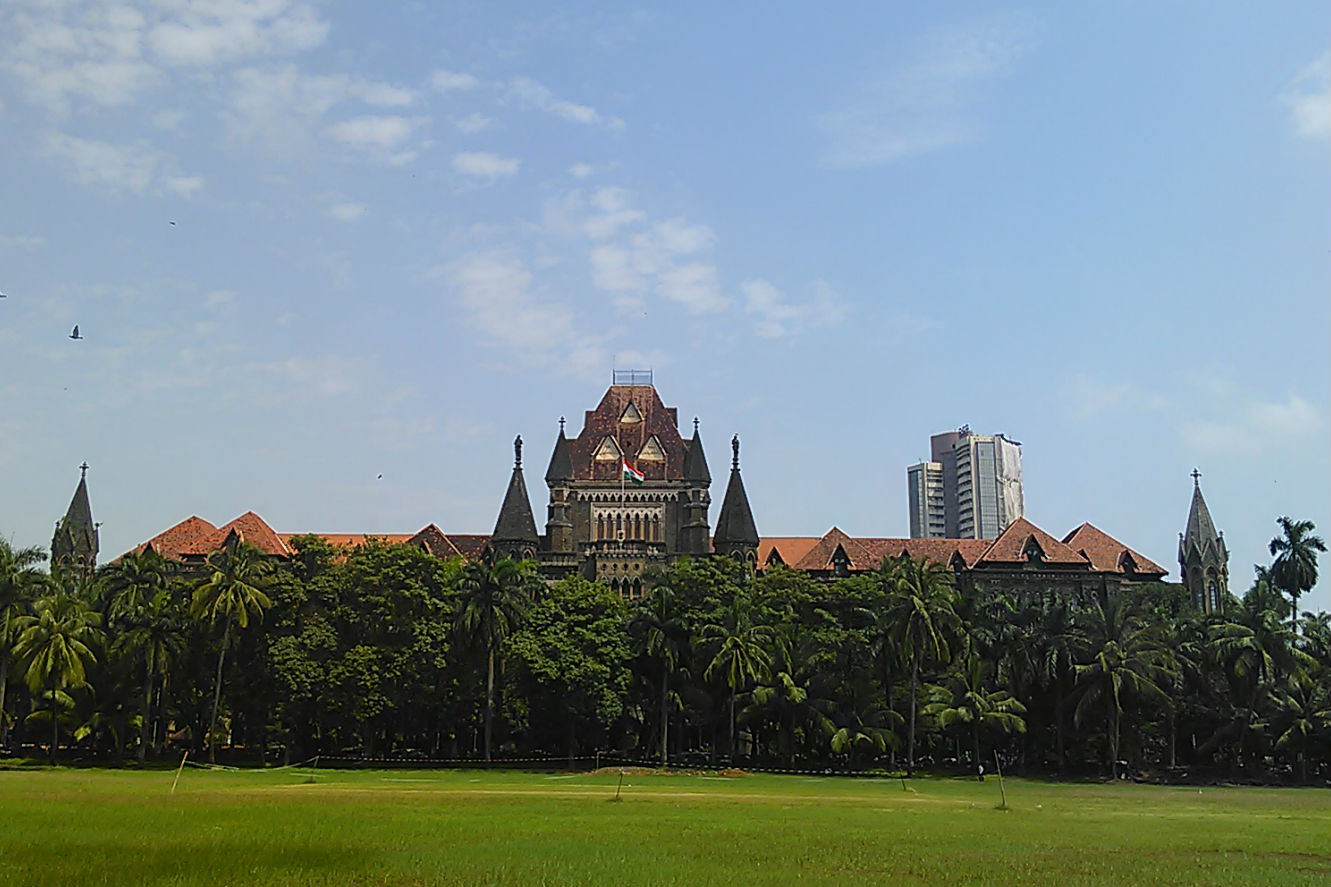
Bombay High Court: A Division Bench comprising of P.N. Deshmukh and M.G. Giratkar, J., partly allowed a criminal appeal which was filed against the judgment of conviction under Section 302 IPC passed by the trial court.
The convict was accused of throwing chilli powder at the deceased and other persons and strangulating the deceased to death. The case was that the accused ran a liquor store, which was objected to by the deceased and other members of a certain samiti. According to the appellant, the deceased was leading a mob of 50 people, trying to enter her house. Apprehending threat and danger, the appellant got frightened and threw chilli powder at the mob. She caught hold of the deceased by her hair and scuffled with her only so that it would act as a deterrent for other persons from entering the house. However, during the said scuffle, the deceased died accidentally. The appellant was tried and convicted under Section 302 IPC. Aggrieved thus, the appellant filed the instant appeal.
The High Court perused the record very carefully. In light of the post-mortem report along with evidence of witnesses, it was proved that death of the deceased was homicidal. However, the Court was of the view that since the defendant did not have any intention to kill the deceased, the conviction of the appellant was liable to modified from that under Section 302 to Section 304 Part II. The order was made accordingly. [Sumitra v. State of Maharashtra,2018 SCC OnLine Bom 1550, dated 19-07-2018]








0 replies