








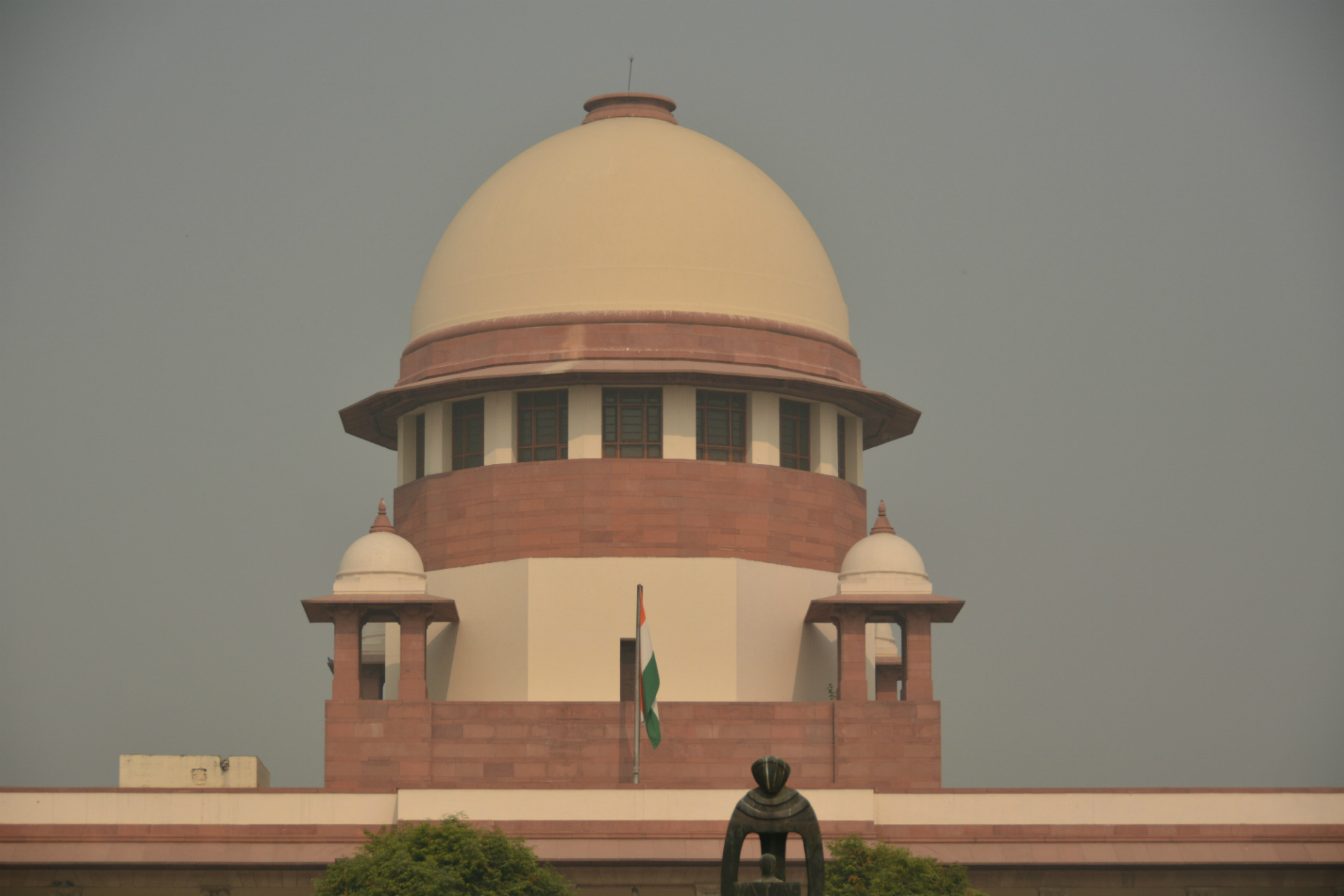
Supreme Court: Explaining the scope of ‘cruelty’ as a ground for dissolution of marriage, the Bench of R.K. Agrawal and A.M. Sapre, JJ held that a petition seeking divorce on some isolated incidents alleged to have occurred 8-10 years prior to filing of the date of petition cannot furnish a subsisting cause of action to seek divorce on the ground of cruelty after 10 years or so of occurrence of such incidents. The incidents alleged should be of recurring nature or continuing one and they should be in near proximity with the filing of the petition.
In the present case, the husband had alleged that his wife’s behaviour towards his family immediately after their wedding in the year 1999 amount to cruelty. However, they continued to live together and 2 daughters were born out of the wedlock in 2002 and 2006. Considering the facts of the case, the Court said that few isolated incidents of long past and that too found to have been condoned due to compromising behavior of the parties, as admittedly both lived together till 2006 and the appellant gave birth to their second daughter in 2006, cannot constitute an act of cruelty within the meaning of Section 13 (1)(ia)of the Hindu Marriage Act, 1955.
It was noticed that most of the incidents of alleged cruelty pertained to the period prior to 2006 and some were alleged to have occurred after 2006. Those pertained to period after 2006 were founded on general allegations with no details pleaded such as when such incident occurred (year, month, date etc.), what was its background, who witnessed, what the appellant actually said etc. Hence, the marriage between the parties was held to subsist. [Suman Singh v. Sanjay Singh, 2017 SCC OnLine SC 215, decided on 08.03.2017]









Good judgment.
Informative.